Get comprehensive late-stage colorectal cancer treatment in Germany with TACE and dendritic cell therapy in Germany, guided by expert doctors and tailored for international patients.
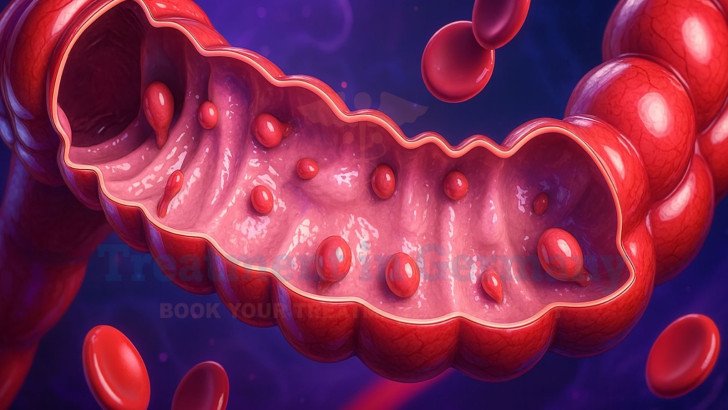
Late-stage colorectal cancer, also known as stage 4 colorectal cancer in Germany, refers to cancer that has spread from the colon or rectum to distant organs such as the liver, lungs, or peritoneum. This advanced stage often presents more complex symptoms and requires a highly specialized, multidisciplinary approach. Patients may experience fatigue, weight loss, abdominal discomfort, or blood in the stool, depending on the location and extent of metastasis.
Germany has emerged as a leading destination for the treatment of late-stage colorectal cancer, offering modern medical technology, best oncologists in Germany, and access to new clinical trials for colorectal cancer in Germany. Among the most promising therapies are TACE treatment (Transarterial Chemoembolization) and dendritic cell therapy in Germany, both of which are non-surgical and personalized to reduce side effects and enhance treatment precision. These colorectal cancer treatment options in Germany are attracting increasing numbers of international patients in search of effective, customized cancer care.
Late-stage colorectal cancer can affect various parts of the body, most commonly the liver. In Germany, patients undergo extensive diagnostic imaging including PET scans, MRI, and CT scans to determine how far the cancer has spread. These tests guide physicians in designing an effective treatment strategy tailored to the patient’s needs.
German cancer clinics emphasize precision medicine, combining localized and systemic therapies for improved disease control. The aim is to improve survival, manage symptoms, and preserve the patient’s quality of life with minimal toxicity. With expanding access to colorectal cancer treatment options in Germany, patients now have better opportunities for long-term management and potentially extended survival periods, depending on their health and treatment response.
TACE treatment for late-stage colorectal cancer in Germany is a minimally invasive therapy that delivers chemotherapy directly to tumors in the liver, one of the most common sites of metastasis in colorectal cancer. Using imaging guidance, an interventional radiologist inserts a catheter into the hepatic artery and delivers a mixture of chemotherapy and embolic agents directly into the tumor.
This dual-action approach cuts off the tumor’s blood supply while simultaneously releasing chemotherapy locally, which limits damage to surrounding tissue and reduces systemic side effects. TACE is especially effective in patients with liver-dominant disease and can be repeated depending on treatment response. The treatment is often recommended when conventional chemotherapy is no longer effective or when the tumor burden in the liver is significant.
The procedure is performed by Prof. Vogl in Frankfurt, Germany. His team uses precise imaging and planning to ensure the safest and most effective delivery of medication.
Dr. Thomas J. Vogl has authored over a hundred scientific publications in renowned medical and research journals.
Cost of TACE Therapy in Germany
The cost of TACE therapy for colorectal cancer in Germany typically ranges from €8,000 to €9,000 per session, depending on the tumor size, number of tumors, and number of required treatment cycles. Each case is evaluated individually to determine the most cost-effective and clinically beneficial approach.
Immunotherapy with Dendritic Cell Therapy for Colorectal Cancer in Germany
Dendritic cell therapy for colorectal cancer, is one of the most innovative immunotherapy treatments for colorectal cancer in Germany. It works by harnessing the body’s immune system to identify and attack cancer cells. This is particularly useful for patients who are not responding well to traditional therapies or who are looking for gentler, targeted treatment options.
The process begins with the collection of the patient’s blood. White blood cells are extracted and transformed into dendritic cells in an EU-GMP-certified laboratory. These cells are then exposed to tumor-specific antigens, which help them recognize colorectal cancer cells. Once matured, the dendritic cell vaccine is reintroduced into the patient’s body to activate the immune system.
The therapy is personalized, meaning each patient’s immune profile and cancer characteristics are analyzed to create a unique vaccine. It is non-toxic, with minimal side effects, making it especially suitable for patients with compromised immune systems or those undergoing multiple therapies.
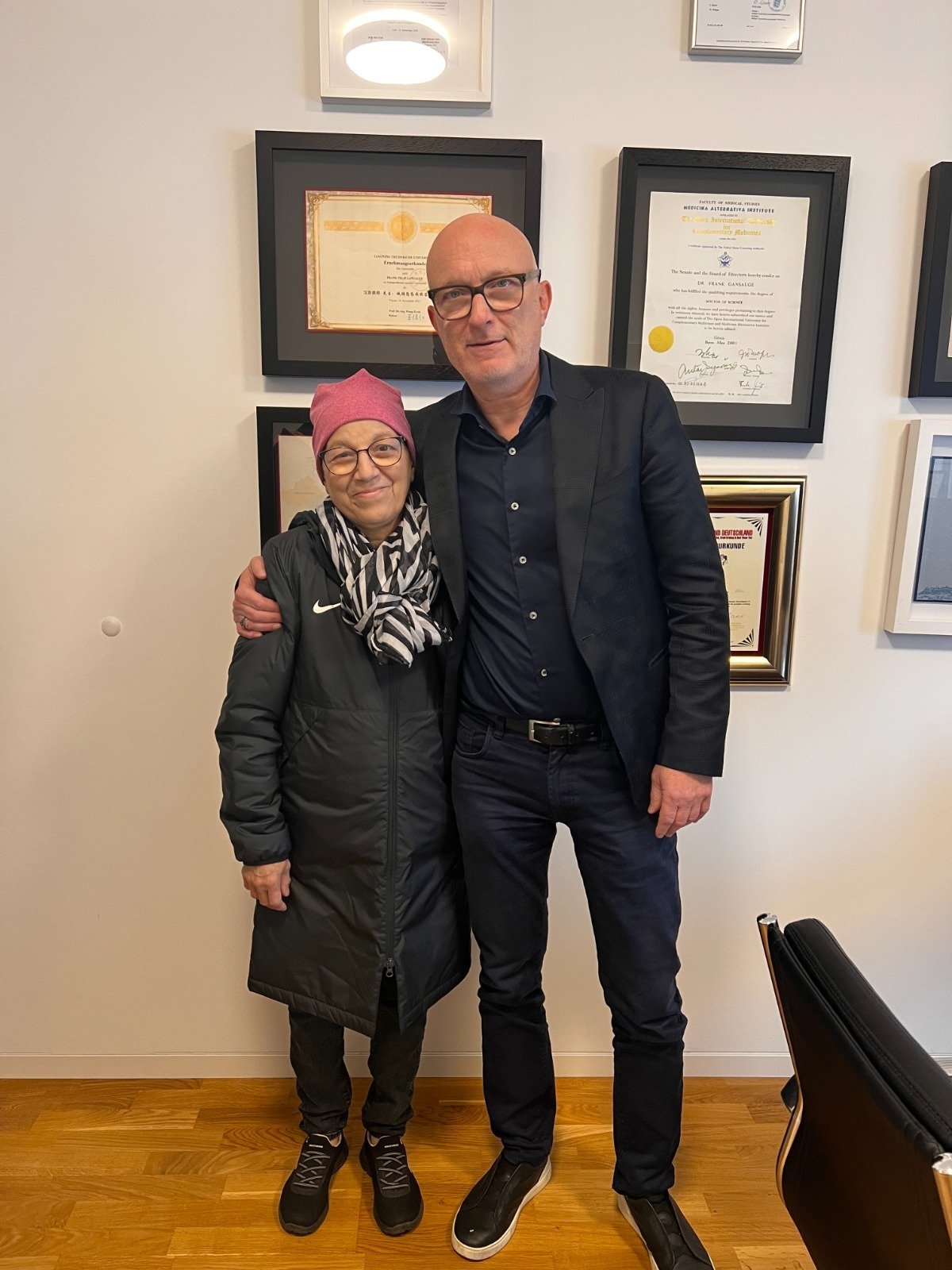
Prof. Gansauge in Berg, where patients from around the world are treated with highly individualized treatment protocols based on the latest clinical research.
Prof Frank Gansauge has authored over a hundred scientific publications in renowned medical and research journals.
Cost of Dendritic Cell Therapy in Germany
The total cost of dendritic cell therapy in Germany is €24,000, covering laboratory work, vaccine creation, and several infusions. Many patients choose to combine this treatment with localized options like TACE for maximum benefit.
Combining TACE and Dendritic Cell Therapy for Better Outcomes
A combination of TACE treatment and dendritic cell immunotherapy allows doctors in Germany to attack the cancer from multiple angles. While TACE directly targets tumors in the liver, dendritic cell therapy activates the body’s immune system to destroy cancer cells throughout the body.
This combination is particularly beneficial for metastatic colorectal cancer cases where tumors are present in multiple locations. Patients often report improved tolerance, reduced tumor load, and longer periods of stability. The integration of both therapies enhances not only the survival prospects but also the patient’s day-to-day functionality and emotional well-being.
German clinics assess patient eligibility through comprehensive evaluations and tailor each program to include optimal timing and sequencing of these therapies. This personalized combination approach supports patients through different phases of care from active treatment to monitoring and maintenance.
Germany’s Global Reputation in Colorectal Cancer treatment
Germany is known for its leadership in oncology, backed by highly qualified teams and research-driven medical institutions. Hospitals regularly participate in new clinical trials for colorectal cancer in Germany, allowing patients to access therapies still in development elsewhere. These trials focus on innovative drug combinations, immunotherapy advancements, and improved interventional techniques.
The American Cancer Society recommends advanced centers for metastatic cancer treatment, and many of Germany’s facilities meet or exceed these standards. German clinics prioritize collaboration between departments such as oncology, radiology, pathology, and surgery to create seamless, integrated treatment pathways.
International patients can get support from organizations like TIG (Treatment in Germany) www.treatmentingermany.de , which assists with travel, hospital bookings, visa coordination, and follow-up care. This support ensures a smooth experience for those seeking medical treatment outside their home countries.
Advanced Imaging and Diagnostics in German Oncology Clinics
Accurate diagnosis and monitoring are essential in the treatment of advanced colorectal cancer. German clinics use:
These diagnostics are continually updated and interpreted by experienced specialists. Imaging is also used to monitor how the patient is responding to dendritic cell therapy and TACE treatments, allowing adjustments to be made quickly.
Comprehensive Support for International Patients Seeking Colorectal Cancer Treatment in Germany
Patients from abroad benefit from a coordinated system that offers:
All therapies, including TACE treatment and dendritic cell immunotherapy, are integrated into a broader care model that focuses on both medical success and emotional resilience.
What Global Cancer Organizations Recommend
According to the American Cancer Society, a multidisciplinary and personalized treatment approach is crucial in managing stage 4 colorectal cancer. The British Cancer Society supports the expansion of immunotherapy and localized therapies such as TACE in improving patient outcomes.
German clinics align with these views and incorporate both immune-based and interventional oncology strategies to enhance survival while preserving quality of life. Their adherence to European Union medical standards and participation in global research make them a trustworthy option for advanced cancer care.
🌍Why Patients Worldwide Prefer Our Medical Services in Germany – Key Benefits Explained:


Frequently Asked Questions (FAQs)
What is stage 4 colorectal cancer and how is it managed in Germany?
Stage 4 colorectal cancer means the disease has spread beyond the colon or rectum to organs like the liver or lungs. In Germany, treatment often involves personalized plans with therapies such as TACE and dendritic cell therapy.
What are the most effective late-stage colorectal cancer treatment options in Germany?
TACE treatment, dendritic cell immunotherapy in Germany, and access to clinical trials are considered leading options for stage 4 colorectal cancer patients.
How does TACE therapy benefit colorectal cancer patients with liver metastases?
TACE therapy delivers chemotherapy directly into the liver tumors, reducing their blood supply and limiting tumor growth without affecting healthy tissue.
Why is dendritic cell therapy becoming a preferred option for advanced colorectal cancer in Germany?
Dendritic cell therapy boosts the immune system to fight cancer in a non-toxic way, offering personalized care with fewer side effects.
How can international patients arrange colorectal cancer treatment in Germany?
International patients can contact TIG (Treatment in Germany) at www.treatmentingermany.de for complete logistical assistance with appointments, travel, language support, and hospital coordination.
Are TACE and dendritic cell therapy used together for colorectal cancer?
Yes, many German cancer centers use a combined approach to manage metastatic disease more
How do German clinics personalize colorectal cancer therapy?
Each treatment is tailored based on the patient’s tumor location, spread, immune profile, and prior treatment history.
Are new clinical trials for colorectal cancer available in Germany?
Yes, many hospitals participate in advanced trials, offering patients access to emerging treatments and technologies.
Can patients avoid major surgery with these therapies in Germany?
In many cases, non-surgical options like TACE and dendritic cell immunotherapy can provide significant tumor control.
What are the long-term benefits of choosing colorectal cancer treatment in Germany?
Patients often report stable disease, better quality of life, and extended survival with personalized therapy programs.
Kindly complete the form below, and our dedicated team will reach out to you promptly. We look forward to connecting with you soon!
Trierer Straße, 56072 Koblenz, Germany

Our benefits:
.webp)
.webp)
 (1).webp)
 (1).webp)