English
 Français
 Español
 العربية

What is Severe Chronic Pain?
Severe chronic pain refers to persistent pain that lasts for more than three to six months, even after the initial injury or condition that caused the pain has healed.
It can significantly impact a person's quality of life, affecting daily activities, work, and overall well-being. This type of pain can occur in various parts of the body, including the back, joints, muscles, and nerves.
Side Effects of Severe Chronic Pain
Living with severe chronic pain can lead to several detrimental side effects, both physical and emotional. Physically, it may cause fatigue, reduced mobility, muscle stiffness, and weakened immune function.
Emotionally, patients may experience depression, anxiety, irritability, and difficulty concentrating. Sleep disturbances are also common, further exacerbating the overall impact on health.
How is Severe Chronic Pain Diagnosed?
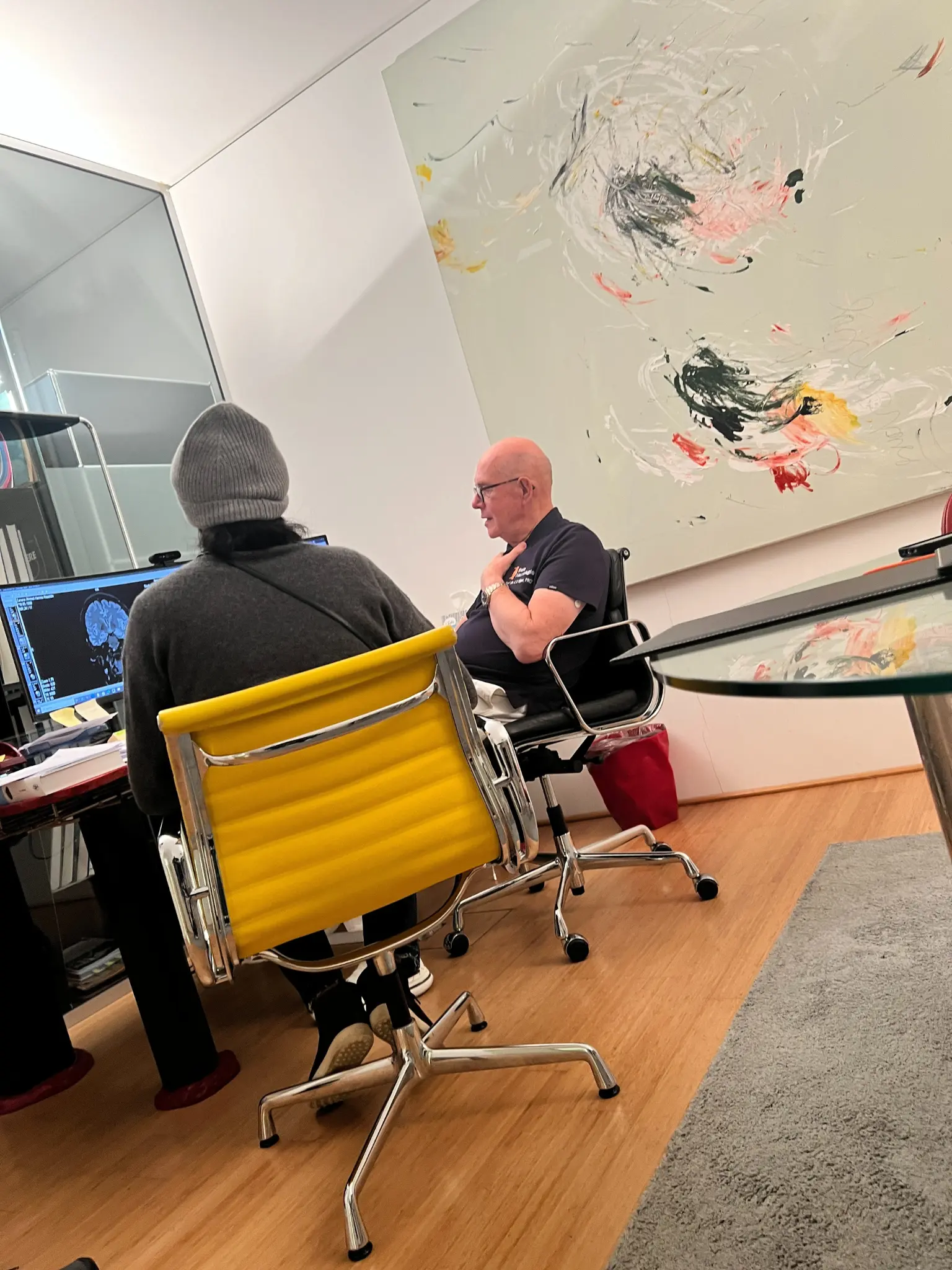
Diagnosing severe chronic pain involves a comprehensive evaluation by a healthcare professional, typically a pain specialist or a multidisciplinary team.
The process begins with a detailed medical history and a thorough physical examination. Imaging studies such as X-rays, CT scans, or MRI may be used to identify structural abnormalities or damage to tissues that could be contributing to the pain.
Additionally, nerve conduction tests or other specialized tests may be conducted to pinpoint the exact source and nature of the pain.
Potential Treatment of Severe Chronic Pain
Treatment options for severe chronic pain aim to alleviate symptoms, improve function, and enhance quality of life. In Germany, treatment plans are often personalized and may include a combination of the following approaches:
- Medications: Depending on the type and severity of pain, medications such as nonsteroidal anti-inflammatory drugs (NSAIDs), opioids, muscle relaxants, antidepressants, or anticonvulsants may be prescribed to manage pain and associated symptoms.
- Physical Therapy: Exercises, stretches, and manual techniques provided by a physiotherapist can help improve strength, flexibility, and mobility while reducing pain.
- Interventional Procedures: Procedures such as nerve blocks, epidural injections, or radiofrequency ablation may be recommended to target specific nerves or areas causing pain.
- Psychological Therapy: Cognitive-behavioral therapy (CBT), counseling, or relaxation techniques can help patients cope with pain, reduce stress, and improve overall well-being.
- Alternative Therapies: Acupuncture, massage therapy, and biofeedback are examples of complementary therapies that may provide relief and enhance the effectiveness of conventional treatments.
- Lifestyle Modifications: Adopting healthy habits such as maintaining a balanced diet, getting regular exercise, managing stress, and improving sleep hygiene can play a significant role in managing chronic pain.
- Multidisciplinary Pain Management Programs: These programs integrate various specialists, including pain physicians, psychologists, physiotherapists, and occupational therapists, to provide comprehensive care tailored to the individual needs of the patient.
👉 Contact us for further information and receive a complimentary consultation.
Ask about Severe Chronic Pain
Tell us about your case and we will advise on next steps for treatment in Germany.