Français
 Español
 العربية

Breast Cancer Treatment in Germany: Treatment Options and Care
Breast cancer develops when abnormal cells in the breast grow and divide uncontrollably. Most breast cancers begin in the milk ducts or lobules. Some remain confined to the site where they started, while invasive breast cancer can grow into surrounding breast tissue and spread to nearby lymph nodes or distant organs.
Treatment is planned according to the stage of the cancer, its biological characteristics, overall health and other factors that affect treatment suitability. Depending on the disease, treatment may combine local therapies, such as surgery and radiotherapy, with systemic therapies that act throughout the body.
Breast cancer treatment options in Germany may include surgery, radiotherapy, chemotherapy, hormone therapy, targeted therapy and, for selected patients, immunotherapy. Treatment decisions at specialised breast centres are usually discussed by a multidisciplinary team that may include breast surgeons, medical oncologists, radiation oncologists, radiologists and pathologists.
Breast Cancer Diagnosis and Treatment Planning
Treatment planning is based on imaging, pathology, tumour biology, stage and the patient’s overall health along with treatment preferences and other individual clinical factors. At specialised breast centres in Germany, diagnostic and pathology findings are reviewed by a multidisciplinary team to determine the appropriate treatment sequence, including whether surgery should be performed first or systemic treatment should be given before surgery.
Imaging and Biopsy Before Breast Cancer Treatment
Imaging helps assess the size and location of a breast abnormality and whether regional lymph nodes show suspicious findings. A tissue biopsy is generally required to establish the diagnosis of invasive breast cancer and to determine its histological type, grade and relevant biomarkers before definitive treatment is planned.
Depending on the individual case, investigations may include:
1· Digital mammography, sometimes with tomosynthesis.
2· Breast and axillary ultrasound.
3· Breast MRI in selected situations, such as certain lobular cancers, unclear findings or assessment of disease extent.
4· Image-guided core-needle biopsy, sometimes with placement of a marker clip.
5· CT, bone imaging or PET/CT in selected patients when there is a clinical indication to assess possible distant disease. These investigations are not routinely required for all patients with early breast cancer.
Receptor Status and Tumour Biology
The pathology report usually includes oestrogen receptor (ER), progesterone receptor (PR), HER2 status, tumour grade and other pathological features that help determine prognosis and guide treatment. Ki-67 may also provide information about how actively the tumour cells are dividing although its assessment and interpretation are subject to methodological and inter-laboratory variability. These findings are considered together with tumour size, lymph-node involvement and other clinical factors when treatment is planned.
For some patients with hormone receptor-positive, HER2-negative early breast cancer, the benefit of chemotherapy is not clear from standard clinical and pathological findings alone. In selected cases, gene-expression tests such as Oncotype DX, EndoPredict or MammaPrint can provide additional information to help guide the chemotherapy decision.
Genetic testing for inherited variants such as BRCA1 and BRCA2 may be recommended according to factors such as age at diagnosis, family history, tumour characteristics and whether the result could affect treatment. When an inherited BRCA1 or BRCA2 variant is identified, it may influence both treatment decisions and recommendations for genetic counselling.
Breast Cancer Treatment Options by Tumour Type
Treatment for breast cancer depends on the tumour profile, including hormone receptor status and HER2 status, as well as the stage of the disease and the patient’s overall health. For hormone receptor-positive, HER2-negative breast cancer, hormone therapy is the main systemic treatment, while chemotherapy or a CDK4/6 inhibitor may be added for selected patients at higher risk. In HER2-positive breast cancer, chemotherapy is commonly combined with HER2-targeted therapies such as trastuzumab and, in selected higher-risk cases, pertuzumab. Further HER2-targeted treatment may depend on the response to preoperative therapy and the findings at surgery.
For triple-negative breast cancer (TNBC), chemotherapy is often given before surgery in patients with higher-risk early disease. Pembrolizumab may also be included in appropriate cases, while adjuvant olaparib may be considered for selected patients with an inherited pathogenic variant in the BRCA1 or BRCA2 gene. In hormone receptor-positive, HER2-positive breast cancer, chemotherapy and HER2-targeted therapy are commonly used for higher-risk disease, with endocrine therapy added when appropriate. Ultimately, treatment is individualised according to the tumour’s biological characteristics, disease stage, treatment response, genetic findings, and the patient’s preferences and overall health.
Breast Cancer Surgery
Breast cancer surgery removes the tumour while preserving as much breast tissue and arm function as possible and minimizing unnecessary surgical morbidity whenever this is oncologically appropriate. In some tumour types, drug treatment is given first. This can reduce tumour size and allow breast conservation where mastectomy would otherwise be needed.
Breast-Conserving Surgery
Breast-conserving surgery removes the tumour with a margin of healthy tissue and is generally followed by radiotherapy although radiation may be omitted or modified in selected patients according to age, tumour characteristics and other clinical factors. For appropriately selected early tumours, it provides long-term outcomes comparable to mastectomy.
Mastectomy and Breast Reconstruction
Mastectomy may be considered when breast-conserving surgery is not appropriate, including some cases where the tumour is large relative to the breast, separate tumours are present in different parts of the breast, the cancer is inflammatory, or previous radiotherapy limits further breast irradiation.
Skin-sparing and nipple-sparing techniques may be options for selected patients, depending on tumour characteristics and reconstruction plans. Reconstruction may be carried out during the same operation or after radiotherapy is complete, using an implant or the patient’s own tissue.
Sentinel Lymph Node Biopsy and Axillary Surgery
Sentinel lymph node biopsy removes the first draining lymph nodes and is used in selected patients, particularly when there is no clinical evidence of regional lymph-node involvement. It can reduce the risk of lymphoedema compared with complete axillary clearance.
Axillary dissection is used in selected patients with regional nodal disease when the extent of involvement and other clinical factors indicate further axillary treatment. In some situations, radiotherapy may be used instead of further surgery.
Radiotherapy for Breast Cancer
Breast cancer radiotherapy is generally recommended after breast-conserving surgery, although selected patients may be able to omit radiotherapy based on factors such as age, tumour characteristics and recurrence risk and comorbidity, life expectancy and planned endocrine therapy. It may also follow mastectomy when the tumour was large or lymph nodes were involved although the indication depends on the pathological stage, treatment response and other individual risk factors.
Treatment is planned on a CT scan. Breath-hold techniques reduce the radiation dose reaching the heart, which is particularly relevant for tumours in the left breast.
Hypofractionated radiotherapy has shortened treatment schedules while maintaining effective local control for appropriately selected patients. Regimens such as 40 Gy in 15 fractions over three weeks and 26 Gy in five fractions over one week are established approaches for appropriate patients. Treatment selection depends on tumour characteristics, treatment setting and individual factors [4]. An additional boost dose to the tumour bed is given where the risk of local recurrence is higher with the decision based on factors such as age, tumour biology, grade, margins and other pathological features.
Drug Treatment for Breast Cancer
Drug treatment acts on cancer cells that surgery and radiotherapy cannot reach. The selection depends on receptor status, lymph node involvement and, where relevant, the gene expression test.
Chemotherapy for Breast Cancer
When chemotherapy is needed, the regimen depends on the breast cancer subtype and recurrence risk. It may be given before surgery to shrink the tumour or after surgery to reduce the risk of recurrence.
When treatment is given before surgery, the surgical tissue shows how well the cancer responded. If invasive cancer remains, additional treatment may be recommended according to the tumour subtype and previous therapy.
Targeted Therapy for Breast Cancer
Breast cancer targeted therapy acts on a specific feature of the tumour cell. In higher-risk HER2-positive disease, chemotherapy combined with dual anti-HER2 blockade using trastuzumab and pertuzumab is the established standard before surgery [3]. Trastuzumab emtansine is used when cancer remains after pre-surgical treatment.
CDK4/6 inhibitors are added to endocrine treatment in higher-risk hormone receptor positive tumours. PARP inhibitors are available for patients with a germline BRCA mutation.
Immunotherapy for Breast Cancer
Breast cancer immunotherapy has an established role in selected triple-negative breast cancers. Pembrolizumab may be given with chemotherapy before surgery and continued afterwards in appropriate patients.
Dendritic cell therapy is another form of immunotherapy being used in selected cancer treatment settings. Its use for breast cancer depends on the individual case and the treatment approach offered by the treating centre.
During immunotherapy, doctors may monitor thyroid, adrenal, liver and bowel function because immune-related side effects can affect these organs.
Hormone Therapy for Breast Cancer
Hormone therapy is used for hormone receptor-positive breast cancer. Premenopausal patients may receive tamoxifen or ovarian suppression with endocrine therapy, while aromatase inhibitors are commonly used after menopause. Endocrine therapy often continues for at least five years and may be extended in selected patients. Bone health may be monitored during aromatase inhibitor treatment.
Treatment for Metastatic Breast Cancer
Metastatic breast cancer treatment applies when the disease has spread to bone, liver, lung or brain. The aim is to control the disease, preserve organ function and maintain quality of life rather than to complete a fixed course of treatment.
Treatment is given according to tumour subtype, previous therapies, sites of disease and the patient's overall condition. Depending on these factors, metastatic breast cancer may be treated with endocrine therapy, targeted therapies, antibody-drug conjugates, PARP inhibitors and other systemic treatments. The regimen is adjusted according to response, tolerability and disease progression [5].
A biopsy of a metastatic site is taken where this can be done safely, because receptor status may differ from the primary tumour. Bone-targeted agents, radiotherapy to symptomatic sites and supportive care are provided alongside.
Breast Cancer Treatment in Germany for International Patients
International patients can receive breast cancer treatment at specialised centres in Germany. Care is often provided through breast centres certified by the German Cancer Society, where treatment is planned by a multidisciplinary medical team.
German cancer registry data and nationwide research support the role of specialised, certified breast cancer centres in organised breast cancer care [1] [2].
How Is Breast Cancer Treated in Germany?
A multidisciplinary team reviews the diagnosis and plans treatment according to tumour subtype, stage and clinical findings. Treatment may include surgery, systemic therapy and radiotherapy.
The World Health Organization emphasises timely access to complete breast cancer diagnosis and treatment as part of quality cancer care [6].
Preparing for Breast Cancer Treatment in Germany
Preparation before travel reduces delay once treatment begins:
• Pathology slides and imaging sent in advance, as the tissue is usually re-examined locally before the plan is confirmed
• Expected length of stay confirmed with the treating centre according to the planned treatment and recovery needs
• Interpreter support and English-language medical documents confirmed with the hospital before travel
• Fertility preservation discussed before treatment when therapy could affect fertility
• A written discharge summary listing drug names, doses and follow-up intervals for continuation at home
Existing imaging, pathology reports and treatment records can be reviewed by a German breast centre before travel. TIG GmbH (Treatment in Germany) can arrange the medical review and complete logistical arrangements, including communication with the German centre, travel and medical visa support when required. Treatment decisions remain with the German medical team.
Breast Cancer Treatment FAQs
1. How Long Does Breast Cancer Treatment in Germany Take?
The duration depends on the treatment plan. Surgery may require time in Germany for the procedure and recovery, while chemotherapy is usually given over several treatment cycles. Radiotherapy may require several sessions or several weeks, depending on the regimen and individual circumstances.
2. Is Breast-Conserving Surgery as Safe as Mastectomy?
For appropriately selected patients with early breast cancer, breast-conserving surgery followed by appropriate radiotherapy provides long-term outcomes comparable to mastectomy. Suitability depends on tumour size and location, breast size, tumour characteristics, the ability to achieve clear margins and whether radiotherapy is appropriate.
3. Is Chemotherapy Always Needed for Hormone Receptor Positive Breast Cancer?
No. Some patients with hormone receptor-positive, HER2-negative early breast cancer have a sufficiently low recurrence risk that chemotherapy provides limited additional benefit. In selected cases, a validated gene-expression assay can help determine whether chemotherapy is likely to provide meaningful benefit alongside endocrine therapy.
4. Can Immunotherapy Be Combined With Chemotherapy for Breast Cancer?
Yes. Immunotherapy can be combined with chemotherapy in selected patients, particularly those with certain triple-negative breast cancers. Pembrolizumab may be given with chemotherapy before surgery and continued after surgery in appropriate early-stage cases. Its use depends on disease stage, tumour characteristics and treatment suitability.
5. When Is Targeted Therapy Used for Breast Cancer?
Targeted therapy is used when specific characteristics of the cancer indicate that a targeted treatment may be beneficial. HER2-directed therapies are used for HER2-positive disease, while CDK4/6 inhibitors and PARP inhibitors may be appropriate for selected patients based on tumour biology and genetic findings.
6. Can Metastatic Breast Cancer Be Treated in Germany?
Yes. Metastatic breast cancer can be treated with systemic therapy, radiotherapy and supportive care, depending on the tumour subtype, sites of disease, previous treatments and overall health. Treatment can be adjusted over time according to response, tolerability and disease progression.
References
Consult German Specialists for Breast Cancer
Get a free evaluation of medical records and discover personalized treatment options in Germany.
Articles on Breast Cancer
View all conditions →
Breast Cancer Second Opinion in Germany for International Patients: Specialist Review and Treatment Decisions
8 min read 57 clicks
A breast cancer second opinion in Germany brings specialist review of pathology, imaging, biomarker results,…
Read Article →
Breast Cancer Treatment Cost in Germany: Prices and Leading Hospitals
9 min read 50 clicks
Breast cancer treatment costs in Germany vary with the diagnosis, treatment plan and hospital services requir…
Read Article →
HER2 Positive Breast Cancer Treatment in Germany: Targeted Therapy and Modern Treatment Choices
15 min read 69 clicks
A guide to HER2-positive breast cancer treatment in Germany: how HER2 testing guides therapy, how antibody-ba…
Read Article →
Hormone and Targeted Therapy for Breast Cancer: Treatment Options in Germany
13 min read 40 clicks
This guide explains how hormone and targeted therapy are used for hormone receptor-positive and BRCA-related…
Read Article →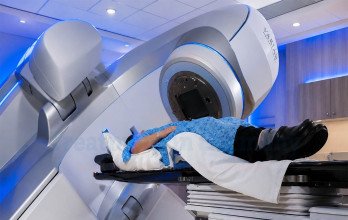
Breast Cancer Radiation Therapy in Germany: Types and Schedules
11 min read 43 clicks
A guide to radiation therapy for breast cancer treatment in Germany, covering when radiation is recommended a…
Read Article →
Breast Cancer Chemotherapy in Germany: Drugs, Treatment and Side Effects
13 min read 49 clicks
Chemotherapy for early breast cancer is planned according to the cancer’s stage, receptor status and in…
Read Article →
Breast Cancer Surgery in Germany: Lumpectomy, Mastectomy and Recovery
13 min read 51 clicks
Breast cancer surgery generally involves lumpectomy (removing the tumor with a margin of surrounding tissue)…
Read Article →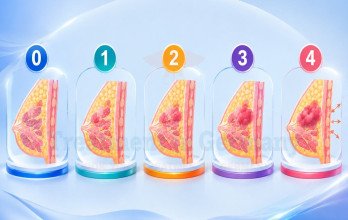
Breast Cancer Stages 0 to 4: Prognosis and Survival by Stage
12 min read 29 clicks
Breast cancer staging describes how far the disease has spread, while prognosis depends on several factors be…
Read Article →
Breast Cancer Types and Subtypes: Invasive, Non-Invasive and Molecular Classification
10 min read 40 clicks
Breast cancer includes several types and subtypes that differ in where they develop, whether they invade surr…
Read Article →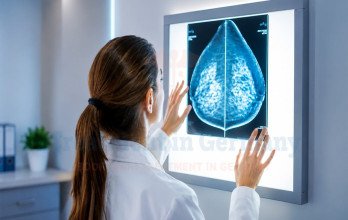
Breast Cancer Diagnosis and Screening: Tests, Imaging and Biopsy
11 min read 35 clicks
Breast cancer screening and diagnostic tests help doctors detect and evaluate breast abnormalities at differe…
Read Article →
Breast Cancer Symptoms, Causes and Risk Factors: Early Signs and What to Look For
11 min read 29 clicks
Breast cancer symptoms can range from a distinct lump to subtle skin or nipple changes, and some early cases…
Read Article →
Immunotherapy for Breast Cancer in Germany
16 min read 43 clicks
Breast cancer treatment now depends heavily on tumour biology, and immunotherapy has become a key option for…
Read Article →
Triple-Negative Breast Cancer: Latest Treatment Options in Germany
13 min read 35 clicks
Triple-Negative Breast Cancer treatment in Germany including dendritic cell therapy, TACE, TACP, and complete…
Read Article →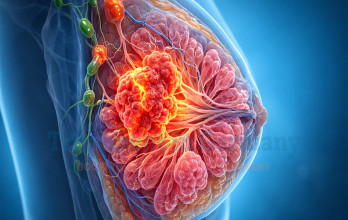
Stage 4 Breast Cancer Treatment in Germany
14 min read 29 clicks
Metastatic breast cancer treatment in Germany is individualized according to tumor biology, biomarker results…
Read Article →