

Pancreatic cancer treatment in Germany depends on the cancer stage, whether surgery is possible, molecular findings, and overall health. Treatment may include surgery, chemotherapy, radiation therapy, targeted therapy, or immunotherapy. Dendritic cel...
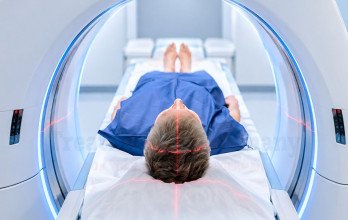
Proton therapy can reduce radiation exposure to healthy tissue in selected patients with brain tumors, but its advantage over modern photon radiotherapy varies between individuals. Suitability depends on tumor location, treatment volume, nearby criti...

Chemotherapy for brain cancer in Germany may involve temozolomide, PCV, lomustine or carmustine, depending on the tumor type, molecular findings, previous treatment and overall health. Treatment may be given with surgery or radiotherapy, in planned c...
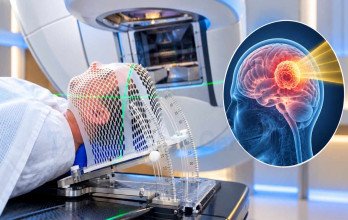
Stereotactic radiosurgery (SRS) uses highly focused radiation to treat selected brain tumors and metastases without surgical removal. Suitability depends on tumor type, size, location, number of lesions, previous treatment and overall health. Treatme...
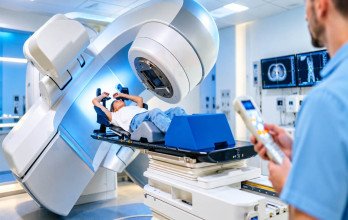
Radiation therapy can be an important part of brain tumor treatment after surgery or for selected tumors that cannot be safely removed. Treatment depends on tumor type, grade, molecular features and previous treatment. This overview covers radiation...
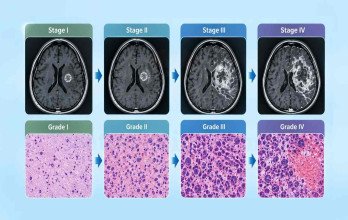
Most primary brain tumors are classified by tumor type, CNS WHO grade, molecular findings and disease extent rather than conventional TNM stage. Grade reflects biological behavior, while location and extent describe where the tumor is and how much of...
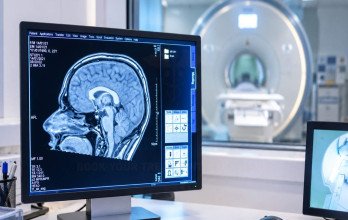
Brain tumor diagnosis combines clinical assessment, imaging, tissue analysis and molecular testing to determine what a brain lesion is and how it should be classified. MRI, CT and advanced imaging help define the lesion, while biopsy, histopathology...

Brain tumor symptoms can range from headaches, seizures and vision or speech changes to weakness, balance problems, and changes in memory, thinking or behavior. Symptoms may develop gradually or appear suddenly and can sometimes resemble stress, fati...

For selected men with metastatic castration-resistant prostate cancer, combining lutetium-177 and actinium-225 may provide a targeted treatment option when disease remains PSMA-positive. Coverage includes how both treatments work, why they may be com...
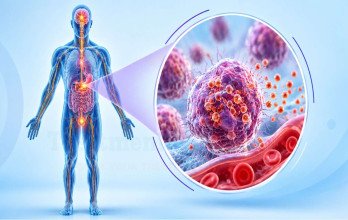
Actinium-225 PRRT is a targeted radiation treatment for selected patients with advanced neuroendocrine tumors, especially when disease progresses after Lutetium-177 PRRT. This article explains how Ac-225 PRRT works, how it compares with Lu-177, who m...

Actinium-225 PSMA therapy is a treatment option for selected patients with advanced, PSMA-positive metastatic prostate cancer, particularly after progression on Lutetium-177 (Pluvicto). This article explains how Ac-225 works, when it may be considere...

A breast cancer second opinion in Germany brings specialist review of pathology, imaging, biomarker results, and treatment history together to reassess a diagnosis or proposed treatment plan. Rather than replacing an existing care team, this kind of...

Breast cancer treatment costs in Germany vary with the diagnosis, treatment plan and hospital services required. The article covers guide prices for diagnostics, surgery and specialised treatments, along with reconstruction, systemic therapy and radi...

A guide to HER2-positive breast cancer treatment in Germany: how HER2 testing guides therapy, how antibody-based treatments, antibody-drug conjugates, and oral inhibitors are used before and after surgery and after progression, where European regulat...

This guide explains how hormone and targeted therapy are used for hormone receptor-positive and BRCA-related breast cancer, including CDK4/6 inhibitors, PARP inhibitors, and newer biomarker-matched treatments, covering eligibility, side effects, moni...

Our benefits:

.webp)
 (1).webp)

.webp)

.jpg)

 (1).webp)
.jpg)