
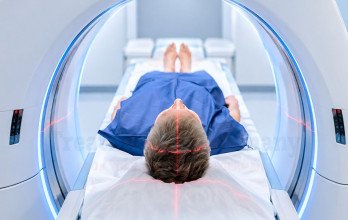
Proton therapy can reduce radiation exposure to healthy tissue in selected patients with brain tumors, but its advantage over modern photon radiotherapy varies between individuals. Suitability depends on tumor location, treatment volume, nearby critical structures and previous treatment. Specialist assessment in Germany may include imaging review and comparison of proton and photon treatment plans.
Details →
Chemotherapy for brain cancer in Germany may involve temozolomide, PCV, lomustine or carmustine, depending on the tumor type, molecular findings, previous treatment and overall health. Treatment may be given with surgery or radiotherapy, in planned cycles, with regular blood tests and clinical review. Response is monitored with neurological assessment and MRI, while specialist German neuro-oncology teams coordinate treatment and second opinions for international patients.
Details →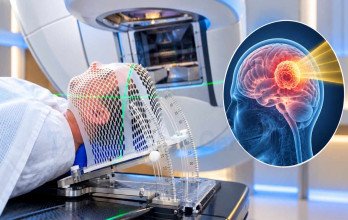
Stereotactic radiosurgery (SRS) uses highly focused radiation to treat selected brain tumors and metastases without surgical removal. Suitability depends on tumor type, size, location, number of lesions, previous treatment and overall health. Treatment may be given in one or several sessions using Gamma Knife, CyberKnife or LINAC-based systems. Recovery is usually quick, but swelling, fatigue and delayed radiation effects can occur, so follow-up MRI is important.
Details →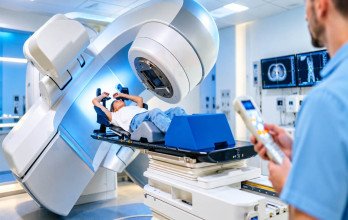
Radiation therapy can be an important part of brain tumor treatment after surgery or for selected tumors that cannot be safely removed. Treatment depends on tumor type, grade, molecular features and previous treatment. This overview covers radiation planning, techniques, treatment schedules, side effects, follow-up imaging and reirradiation, along with how international patients can access specialist radiation care in Germany.
Details →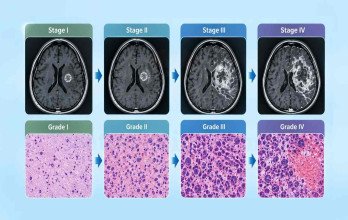
Most primary brain tumors are classified by tumor type, CNS WHO grade, molecular findings and disease extent rather than conventional TNM stage. Grade reflects biological behavior, while location and extent describe where the tumor is and how much of the central nervous system is involved. Modern WHO classification combines histology with molecular findings, and the final diagnosis may be refined after surgery, molecular testing or specialist neuropathology review.
Details →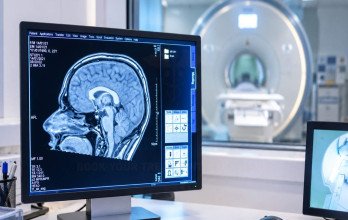
Brain tumor diagnosis combines clinical assessment, imaging, tissue analysis and molecular testing to determine what a brain lesion is and how it should be classified. MRI, CT and advanced imaging help define the lesion, while biopsy, histopathology and molecular tests can confirm the diagnosis. It also explains why diagnoses may change, when second opinions or further review may be needed, and how specialist brain tumor diagnosis is organized in Germany.
Details →
Brain tumor symptoms can range from headaches, seizures and vision or speech changes to weakness, balance problems, and changes in memory, thinking or behavior. Symptoms may develop gradually or appear suddenly and can sometimes resemble stress, fatigue or other common conditions. Their pattern often depends on the tumor’s location and effect on nearby brain tissue, while certain warning signs require prompt medical or emergency assessment.
Details →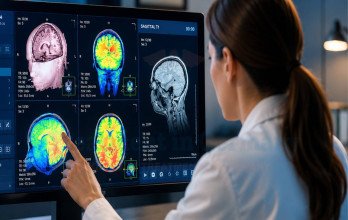
Glioblastoma treatment in Germany involves surgery or biopsy, radiotherapy with temozolomide, and care guided by MGMT status, age, overall health and neurological function. Treatment may also include rehabilitation, follow-up MRI, management of pseudoprogression, options for recurrent disease, selected additional therapies, and multidisciplinary review at specialist neuro-oncology centres.
Details →
Dendritic cell therapy is an emerging treatment approach for glioblastoma and selected high-grade gliomas. It uses patient immune cells and tumor-related material to stimulate an immune response against cancer cells. Eligibility depends on diagnosis, previous treatment, tumor tissue, disease status and overall condition. Clinical studies, including DCVax-L, have reported encouraging findings, while specialist assessment and access in Germany vary by programme.
Details →
Discover advanced glioblastoma treatment in Germany with dendritic cell immunotherapy by Prof. Gansauge in Berg. Personalized care and full support from TIG for international patients.
Details →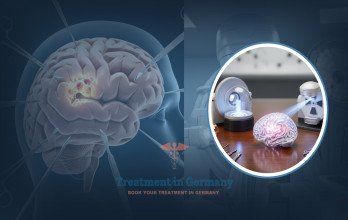
Astrocytoma and diffuse glioma treatment in Germany depends on tumor type, grade, molecular findings, extent of surgery, symptoms and overall health. Care may involve surgery, biopsy, active surveillance, radiotherapy, chemotherapy, molecularly guided treatment, follow-up and treatment after progression. Specialist review in Germany can help clarify difficult diagnoses, residual disease, treatment choices and the role of newer options such as vorasidenib.
Details →
Our benefits:
.webp)
 (1).webp)
.webp)
.jpg)
 (1).webp)
.jpg)