
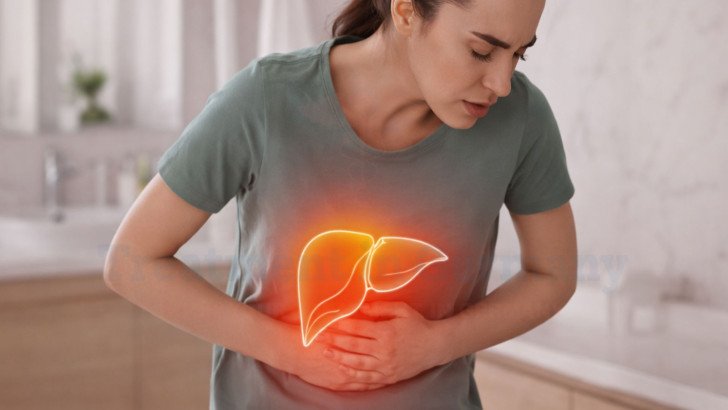
Learn what are the symptoms of stage 4 liver cancer in Germany, including abdominal pain, jaundice, fatigue, and metastatic signs, and explore advanced cancer treatment in Germany such as TACE and dendritic cell immunotherapy for international patients.
What are the Symptoms of Stage 4 Liver Cancer in Germany?
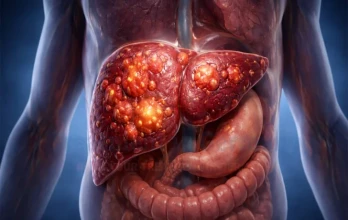
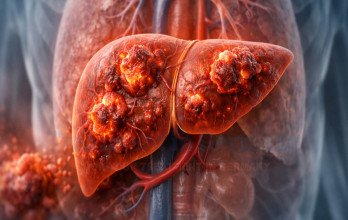
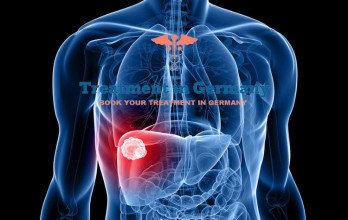
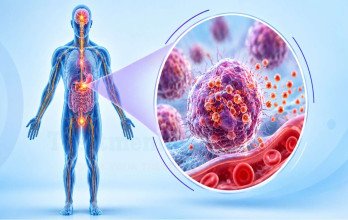
Stage 4 liver cancer is the most advanced stage of liver cancer, where malignant cells have spread beyond the liver to distant organs or tissues. This may include spread to the lungs, bones, lymph nodes, or other parts of the body. At this stage, the disease is considered metastatic and systemic, meaning it affects the body as a whole rather than remaining confined to one organ.
Patients searching for what are the symptoms of stage 4 liver cancer in Germany are often seeking reliable medical information along with advanced treatment options. According to information commonly referenced by the Canadian Cancer Society, symptoms at this stage can vary widely depending on liver function, extent of cancer spread, and overall health of the patient.
Why Symptoms Are More Complex in Stage 4 Liver Cancer in Germany
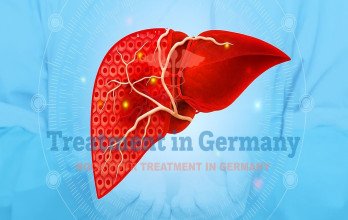
In the early stages, liver cancer may cause few noticeable symptoms. As the disease progresses to stage 4, symptoms become more pronounced because cancer interferes with essential liver functions and spreads to other organs. The liver plays a key role in digestion, detoxification, protein production, and metabolism, so damage to liver tissue affects multiple body systems.
Symptoms in stage 4 liver cancer often reflect both local liver dysfunction and systemic effects of metastatic disease. The combination and severity of symptoms differ from one patient to another, which is why German specialists emphasize individualized medical evaluation rather than generalized assumptions.
Abdominal Pain and Discomfort in Stage 4 Liver Cancer in Germany
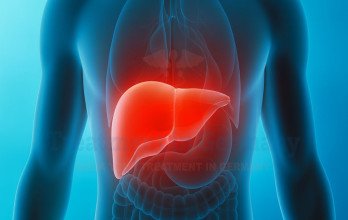
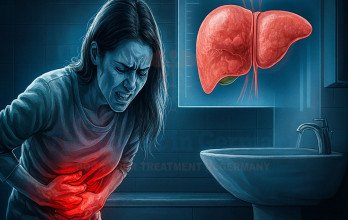
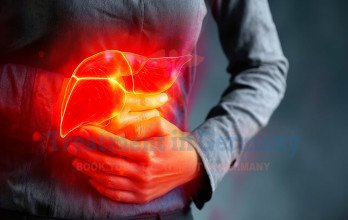
Persistent pain or discomfort in the upper right side of the abdomen is one of the most common symptoms of stage 4 liver cancer. This pain may worsen over time as tumors grow or stretch the liver capsule. Some patients experience a dull ache, while others feel sharp or pressure-like pain that may radiate to the back or shoulder.
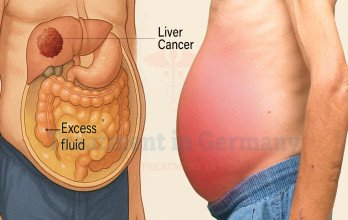
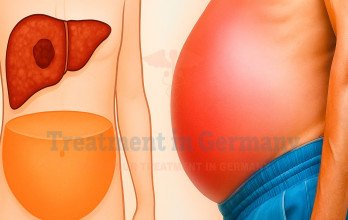
Abdominal swelling is also common and is often caused by fluid accumulation in the abdominal cavity, a condition known as ascites. This swelling can lead to discomfort, difficulty breathing, and reduced appetite, significantly affecting daily life.
Jaundice and Liver Function Symptoms in Germany
As liver cancer progresses, the liver may lose its ability to process bilirubin effectively. This can result in jaundice, characterized by yellowing of the skin and eyes. Jaundice is often accompanied by dark urine, pale stools, and generalized itching of the skin. These symptoms indicate impaired bile flow and declining liver function. In stage 4 liver cancer in Germany, monitoring liver function is a critical part of ongoing medical care, as it directly influences treatment decisions.
Digestive and Appetite-Related Symptoms in Stage 4 Liver Cancer in Germany
Digestive symptoms are common in advanced liver cancer. Many patients experience loss of appetite, early fullness after eating, nausea, or vomiting. These symptoms may occur due to pressure from tumors, fluid buildup, or changes in liver metabolism.
Unintended weight loss is frequently observed and may occur even when patients attempt to maintain normal food intake. Digestive discomfort and bloating can further reduce nutritional intake, making symptom management an important aspect of treatment planning in Germany.
Fatigue and Weakness in Stage 4 Liver Cancer
Severe fatigue is a hallmark symptom of stage 4 liver cancer. Patients may feel exhausted even after rest and may struggle with daily activities. This fatigue is often caused by a combination of factors including cancer-related inflammation, reduced liver function, anemia, and the body’s increased energy demands. Weakness may progress over time and can affect mobility and independence. German oncology teams pay close attention to fatigue levels when evaluating treatment tolerance and overall well-being.
Symptoms from Metastatic Spread in Stage 4 Liver Cancer in Germany
When liver cancer spreads to distant organs, additional symptoms may appear. Lung metastases may cause shortness of breath, chest discomfort, or a persistent cough. Bone involvement may result in localized pain, tenderness, or an increased risk of fractures. If lymph nodes are affected, swelling or pressure symptoms may develop. In rare cases, neurological symptoms such as confusion or headaches may occur if the nervous system is involved. These symptoms reflect systemic disease and require careful medical evaluation.
General Health Symptoms in Advanced Liver Cancer
Many patients with stage 4 liver cancer experience generalized symptoms such as fever, night sweats, muscle wasting, and swelling in the legs caused by impaired circulation or lymphatic drainage. Emotional symptoms such as anxiety and reduced concentration may also occur as part of the disease experience.
These symptoms are not unique to liver cancer, which is why structured diagnostic assessment is essential to guide appropriate treatment strategies.
Importance of Comprehensive Symptom Evaluation
Symptoms of stage 4 liver cancer can overlap with those of chronic liver disease or other conditions. For this reason, accurate diagnosis and monitoring require comprehensive evaluation using imaging studies such as CT scans and MRI, along with blood tests assessing liver function.
Centers providing cancer treatment in Germany emphasize multidisciplinary assessment to ensure symptoms are interpreted correctly and managed effectively.
Treatment in Germany for Stage 4 Liver Cancer
Although stage 4 liver cancer is advanced, treatment remains important for symptom control, disease management, and quality of life. Treatment plans are highly individualized and depend on liver function reserve, tumor burden, and overall patient health.
Many international patients choose treatment in Germany because of advanced diagnostics, transparent treatment planning, and access to innovative therapies delivered under strict medical regulation.
TACE Treatment for Stage 4 Liver Cancer in Germany
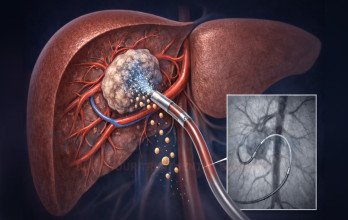
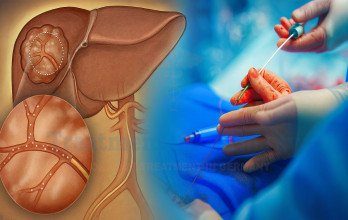
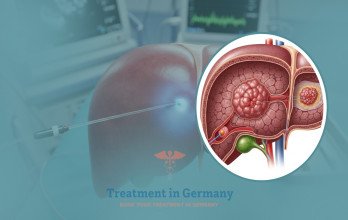
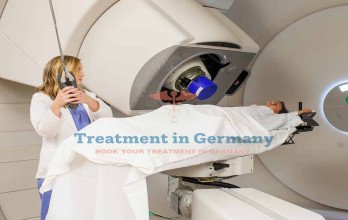
TACE Treatment for stage 4 liver cancer in Germany is a commonly used interventional oncology procedure for liver cancer. Transarterial Chemoembolization delivers chemotherapy directly into blood vessels feeding liver tumors while simultaneously reducing blood supply to the tumor.
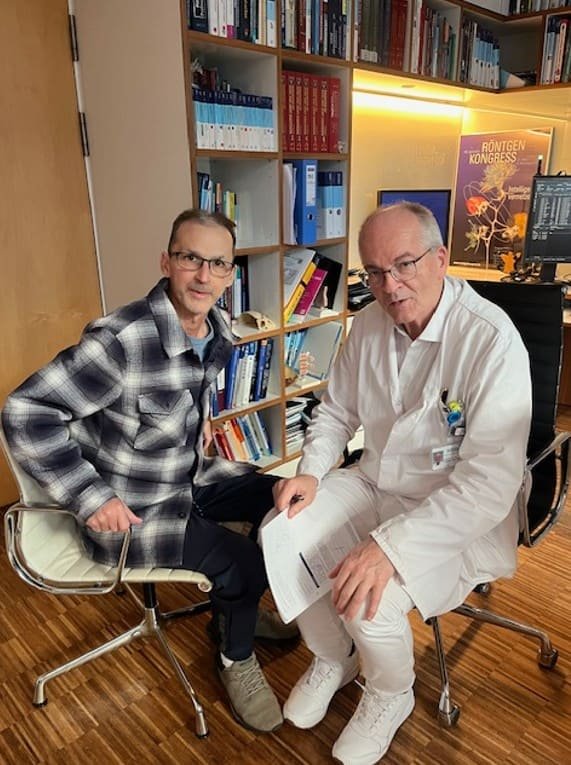
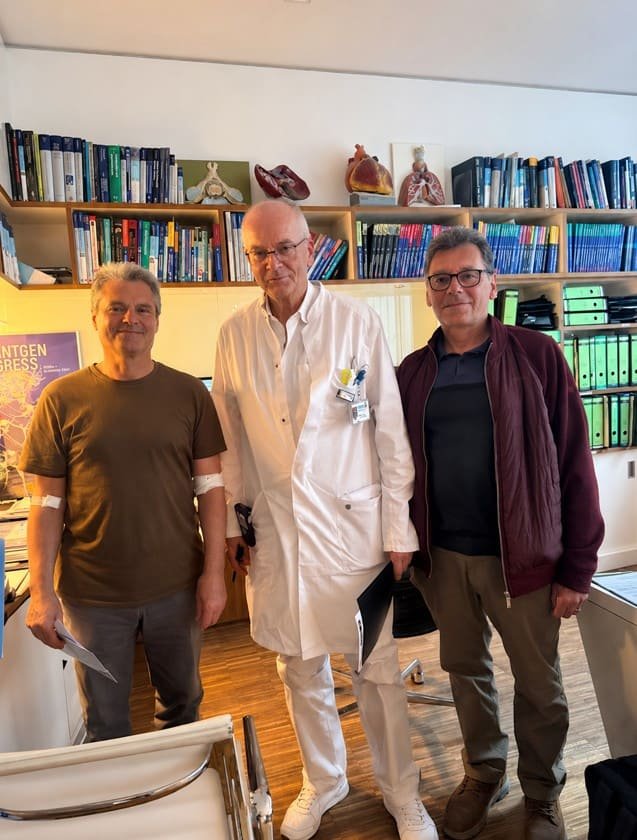
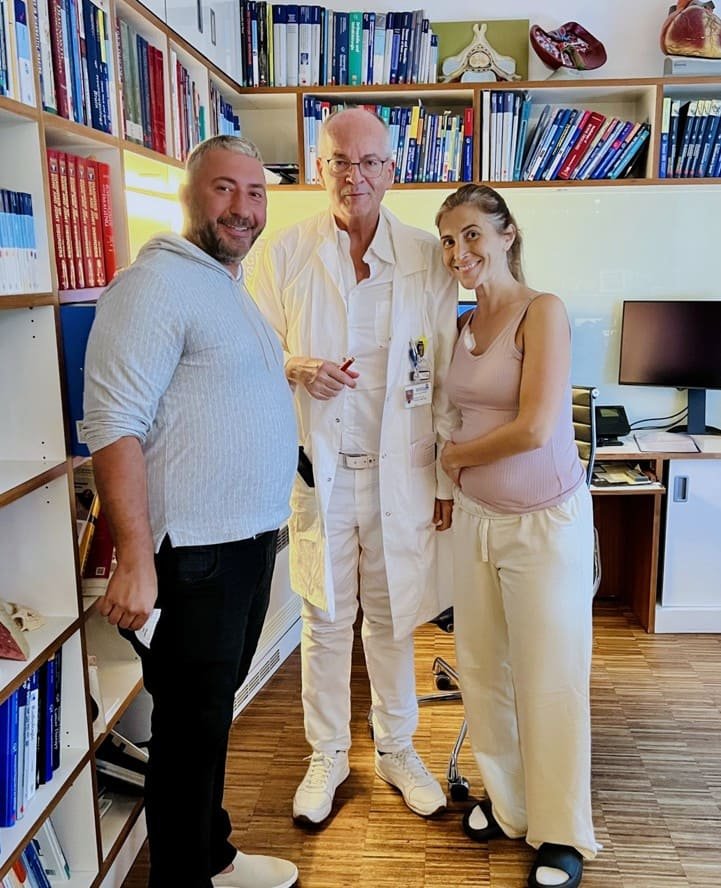
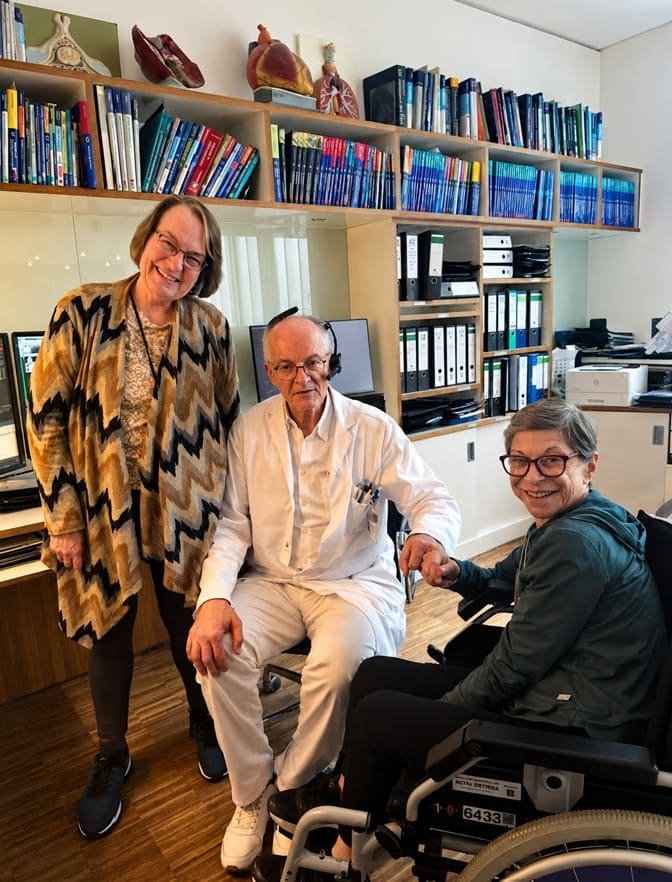
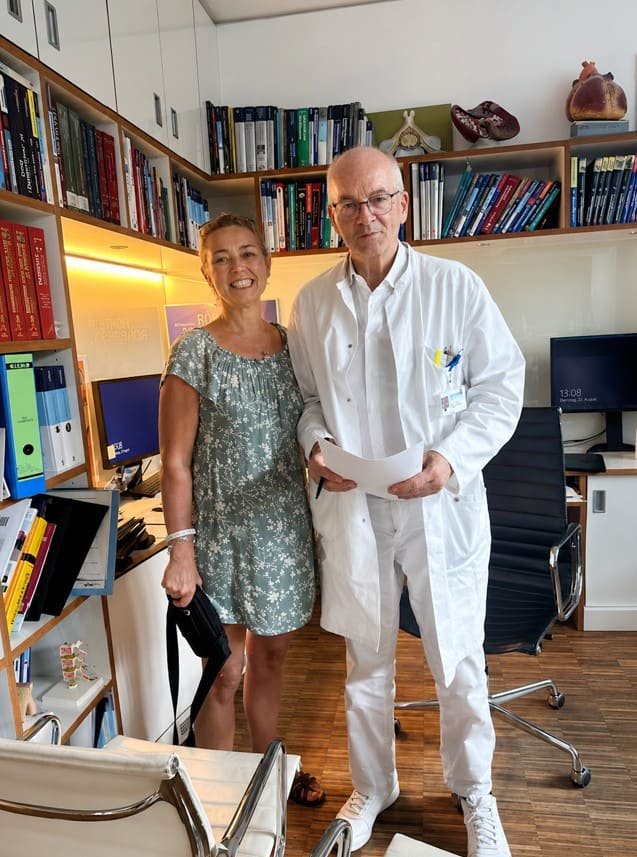
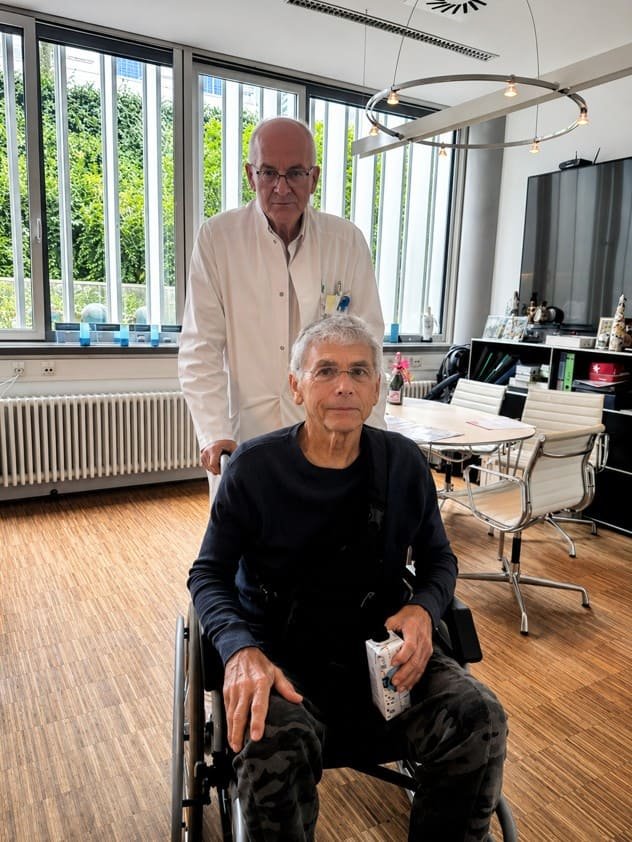
In stage 4 liver cancer, TACE may be evaluated to control tumor growth within the liver and relieve symptoms related to tumor burden. In Germany, this treatment is performed by Prof. Vogl in Frankfurt, Germany, an experienced interventional oncologist. The cost of TACE Treatment in Germany typically ranges from €8,000 to €9,000 per session, depending on complexity and treatment planning.
Dr. Thomas J. Vogl has authored over a hundred scientific publications in renowned medical and research journals.
Immunotherapy Dendritic Cell Therapy for Liver Cancer in Germany
Immunotherapy Dendritic Cell Therapy in Germany is a personalized immune-based treatment designed to support immune recognition of liver cancer cells. Rather than directly destroying tumors, this therapy focuses on immune education and immune surveillance.
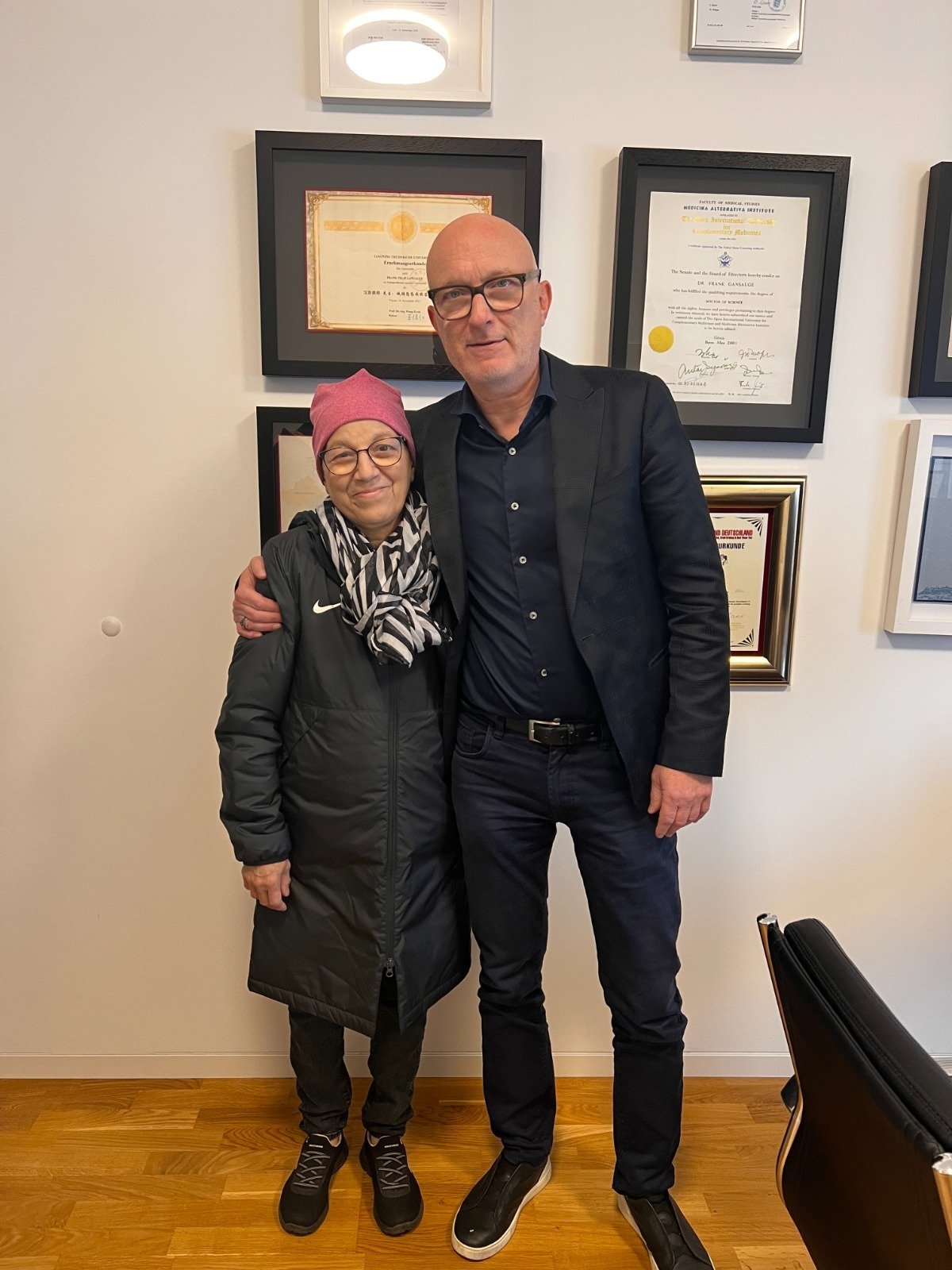
For stage 4 liver cancer, dendritic cell therapy may be evaluated as part of a broader treatment strategy. It is provided by Prof. Gansauge in Berg, Germany, a specialist in cell-based immunotherapy. The cost of Dendritic Cell Therapy in Germany is €27,000, including laboratory processing, vaccine preparation, and administration.
Prof. Gansauge has authored over a hundred scientific publications in renowned medical and research journals.
Why International Patients Choose Liver Cancer Treatment in Germany
International patients seek cancer treatment in Germany because of advanced medical infrastructure, access to the best oncologist in Germany, and availability of innovative therapies. Germany also offers access to new clinical trials for liver cancer under strict ethical oversight.
TIG, Treatment in Germany, at Treatment in Germany, supports international patients with complete logistical support including a medical visa support if required, making treatment abroad more accessible.
🌍Why Patients Worldwide Prefer Our Medical Services in Germany – Key Benefits Explained:











.webp)
 (1).webp)
.webp)
.jpg)
 (1).webp)
.jpg)