
12 min read 8 clicks
Your immune system can sometimes be trained to recognise brain tumour cells. Dendritic cell therapy does this using your own immune cells. It is a personalised form of immunotherapy studied in selected patients with glioblastoma, astrocytoma and other gliomas. It is considered alongside standard care, rather than as a replacement. If you are considering dendritic cell therapy for brain cancer in Germany, a specialist team first reviews your scans, pathology and earlier treatment. This assessment is part of wider brain cancer treatment in Germany.
Dendritic Cell Therapy in Brain Cancer: Role and Eligibility
Gliomas, particularly glioblastoma, can return despite surgery, radiotherapy and temozolomide. This is why researchers are studying brain cancer immunotherapy approaches that use the immune system. Dendritic cells help the immune system identify abnormal cells. They collect proteins from tumour cells and show them to T cells, which are immune cells that can attack cancer cells. A dendritic cell vaccine is prepared by exposing these cells to tumour antigens in a laboratory. Once returned to the body, these dendritic cells can help T cells recognise and respond to proteins found on tumour cells [1].
Dendritic cell immunotherapy for brain cancer has been studied mainly in high-grade gliomas, particularly glioblastoma. Suitability depends on several clinical factors:
-
The disease setting, such as newly diagnosed or recurrent tumour.
-
Previous surgery, radiotherapy and chemotherapy.
-
General health, neurological condition and current steroid dose.
-
Whether suitable tumour material is available, if required by the vaccine protocol.
-
The requirements of the treatment protocol.
Dendritic cell therapy may be delayed or unsuitable when:
-
The tumour is progressing rapidly and another treatment needs to be started without delay.
-
Brain swelling requires steroid treatment that may affect the planned immune therapy.
-
General health or neurological condition is poor.
Established treatment for gliomas depends on the tumour type, grade, molecular findings and patient's condition. For eligible patients with glioblastoma, this commonly includes surgery followed by radiotherapy and temozolomide chemotherapy [2]. Dendritic cell therapy is being explored as an additional immune-based approach.
Dendritic Cell Therapy by Brain Tumour Type and Grade
The amount of research differs widely between tumour types. The table summarises which groups have been studied and when the therapy is usually discussed; the final decision always rests with the German team because whether dendritic cell vaccination is appropriate depends on the available clinical evidence, individual patient characteristics and the eligibility criteria of the treating centre's protocol.
| Tumour group | Research so far | When it is usually discussed |
|---|---|---|
| Glioblastoma (IDH-wildtype) | Largest body of research, including early-phase studies and a phase III externally controlled study [8]. | Alongside or after standard treatment, or at recurrence, depending on the protocol |
| IDH-mutant astrocytoma, grades 3 and 4 | Limited clinical evidence | Individual assessment |
| Grade 2 and other slow-growing gliomas | Very limited clinical evidence | After established treatment options have been assessed |
| Oligodendroglioma and rarer gliomas | Very limited clinical evidence | Individual assessment in selected cases |
The treatment may also produce different immune responses in different tumour types. This is because gliomas vary in the proteins they carry, how quickly they grow and how they affect the immune system. For example, some IDH-mutant tumours produce a substance called 2-hydroxyglutarate (2-HG), which can interfere with immune-cell activity and the way immune cells recognise tumour proteins by suppressing the differentiation and function of immune cells, including T lymphocytes and myeloid cells.
Preparing the Dendritic Cell Vaccine in Germany
Dendritic cell vaccine preparation is autologous, meaning each vaccine is made from your own cells and used only for you. In Germany, the cells are prepared in the laboratory of LDG LANEX-DC in Berg, and the exact protocol, including timing, is explained by the treating team at the assessment.
Preparation begins with collecting immune cells from your blood. These may include monocytes, which are developed into dendritic cells in the laboratory. The collection method depends on the manufacturing protocol [1].
The dendritic cells are then exposed to tumour antigens. These may come from the patient's own tumour tissue or from selected tumour-associated proteins, depending on the vaccine preparation method [1]. Tissue availability matters: in one phase II study, 8 of 22 screened patients could not take part because too little tumour tissue was available [4].
Before use, the prepared cell product undergoes quality checks. Depending on the manufacturing protocol, these may assess [5]:
-
Sterility.
-
The proportion of living cells.
-
The surface markers expected on mature dendritic cells.
-
Its ability to stimulate an immune response.
Dendritic Cell Therapy Schedule and Follow-Up in Germany

Dendritic cell therapy for brain cancer involves several steps, from the first medical assessment to vaccine administration and follow-up. The exact process and timing depend on the patient's treatment plan:
-
Initial review of MRI scans, pathology and molecular reports.
-
Medical assessment by the German specialist team.
-
Confirmation of treatment eligibility.
-
Immune-cell collection.
-
Laboratory preparation of the vaccine.
-
Administration of the vaccine, commonly through an injection under the skin, depending on the protocol.
-
Medical monitoring and follow-up after treatment.
Dendritic cell vaccine therapy is usually given through a series of injections, which may be followed by additional booster doses [1]. The number and timing of injections depend on the treatment protocol. During treatment, the medical team monitors patients for side effects, changes in brain function and the need for steroid medicines. When you return home, your neuro-oncologist receives a written treatment summary, including the recommended MRI follow-up and any further vaccine appointments. There is no fixed schedule for everyone because treatment timing depends on the patient's condition and other therapies.
Combining Dendritic Cell Therapy With Other Treatments
Dendritic cell vaccine therapy may be considered alongside standard radiotherapy and chemotherapy. Depending on the protocol, it may be given after chemoradiotherapy or during maintenance treatment. The timing is planned individually by the treating team. Sequencing depends on the protocol and on steroid use: Dexamethasone, often prescribed for brain swelling, can suppress immune activity and may affect how the immune system responds to immunotherapy [6].
The treating team therefore considers steroid requirements when planning treatment and uses the lowest dose that is clinically safe. Any combination with dendritic cell therapy is planned around the patient's existing treatment schedule and clinical condition.
Research Evidence for Dendritic Cell Therapy in Brain Cancer
Research into glioblastoma dendritic cell therapy shows that the vaccine can be made reliably and is generally well tolerated, with signs of a possible survival benefit. A meta-analysis of 15 trials in newly diagnosed glioblastoma, including 452 vaccinated patients and 629 controls, reported better one- and two-year overall survival outcomes. The authors suggested that an immune response may take time to develop [7]. They also noted that study designs varied and that many trials used non-randomised comparison groups.
Immune responses differ from patient to patient. In a small phase II study, 1 of 9 patients developed a measurable skin reaction to their own tumour material after vaccination [4]. There is not yet a reliable test to predict who will respond, and finding one is an active area of research [1].
Glioblastoma has an immunosuppressive tumour environment, with immune-suppressing cells and signals that can limit T-cell activity. Tumour cells also vary in the proteins they carry, which can make it harder for a vaccine targeting particular antigens to generate a consistent response [3]. Research findings so far are encouraging, and further randomised trials are helping researchers establish:
-
Whether the survival benefit holds in well-controlled comparisons.
-
The best antigen source, dose and schedule.
-
Which patients and tumour types respond.
-
How best to combine the vaccine with other treatments.
Safety and Side Effects of Dendritic Cell Therapy in Brain Cancer
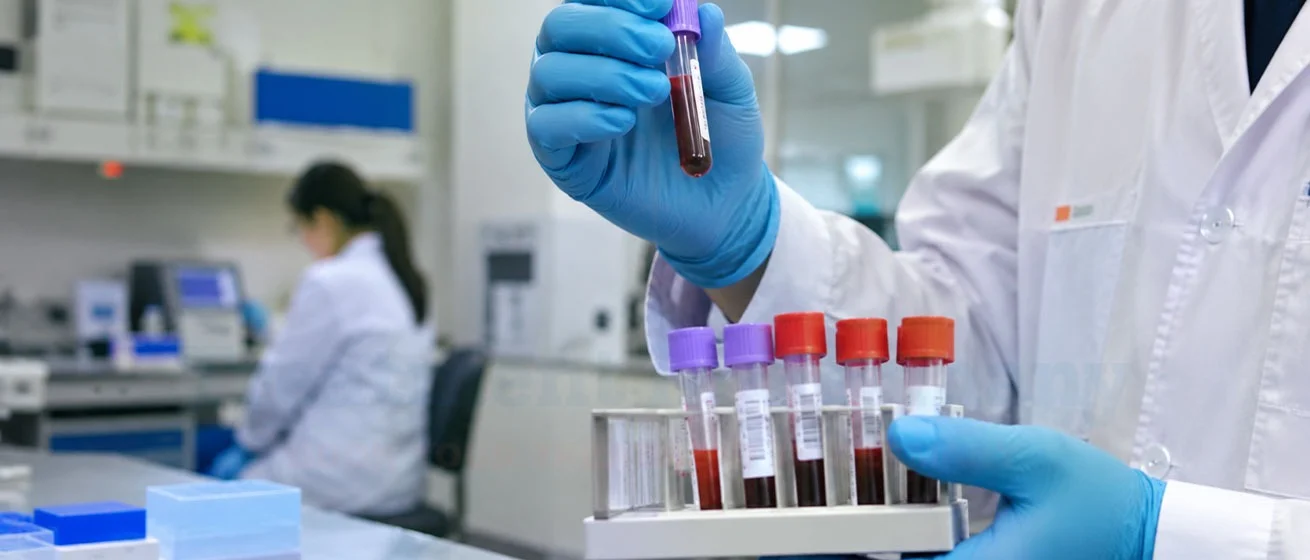
Most dendritic cell therapy side effects are mild and short-lived however, the frequency and severity of adverse events vary according to the vaccine formulation, administration protocol, and patient's clinical condition. They include:
-
Bruising, tiredness or light-headedness after blood collection.
-
Redness, swelling or itching where the vaccine is injected.
-
Fever, chills and flu-like aches, usually lasting a day or two.
-
Tiredness in the days after an injection.
In the phase II study above, mild injection-site reactions occurred in 3 of 9 patients and no severe vaccine-related toxicities were reported [4]. Severe vaccine-related reactions have been uncommon in published studies, although swelling around the tumour has been reported in some trials [1]. New headache, weakness, speech problems or seizures therefore need prompt assessment, and MRI changes are interpreted with care, because an immune reaction in the tumour can temporarily look like growth.
Safety monitoring includes clinical checks at each visit and regular MRI. Treatment may be delayed or stopped:
-
During an infection or fever.
-
If brain swelling requires a higher steroid dose.
-
If the tumour clearly progresses and needs a different treatment.
-
If general condition declines.
Clinical Trials of Dendritic Cell Therapy for Brain Cancer
Dendritic cell therapy clinical trials are the main route to stronger evidence. Phase I trials test safety, phase II trials look for signs of benefit and immune activity, and phase III trials compare the treatment with standard care in larger groups. One review counted 29 completed glioma trials, mostly phase I or II, and 25 ongoing ones often through randomised comparisons with standard treatment or an appropriate control group. [1].
Clinical trials give eligible patients access to newer treatments under close monitoring. Before joining one, it helps to ask about:
-
The trial phase and what it is designed to measure.
-
Whether a control group or placebo is used.
-
How often visits are needed, and which costs are covered.
-
Whether taking part limits access to other treatments later.
Trial availability changes as studies open, fill and close, so current options are checked at the time of review.
Patient Journey for Dendritic Cell Therapy in Germany
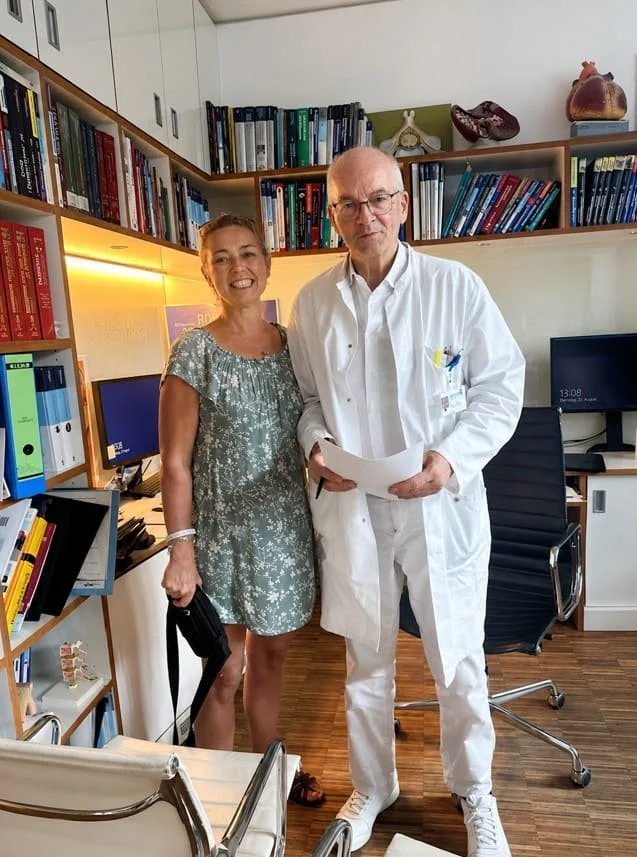
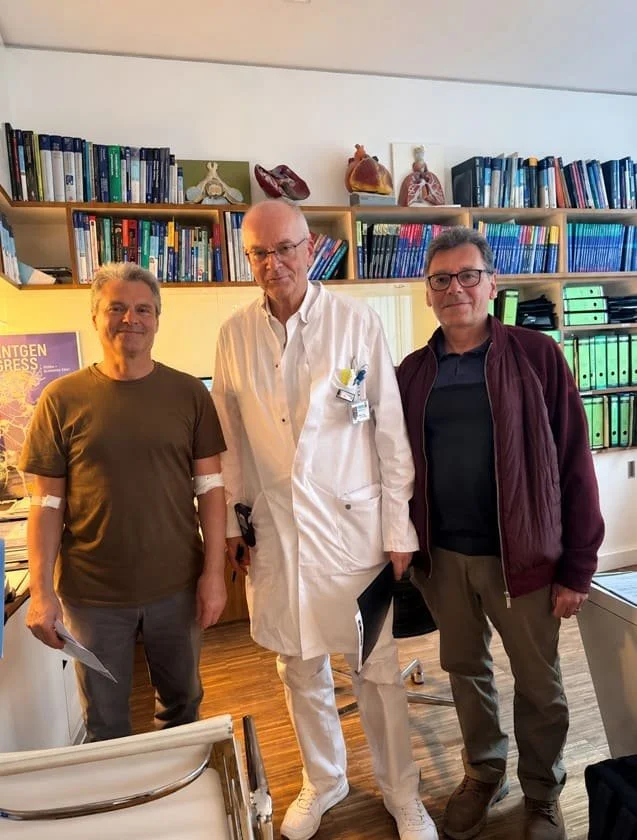
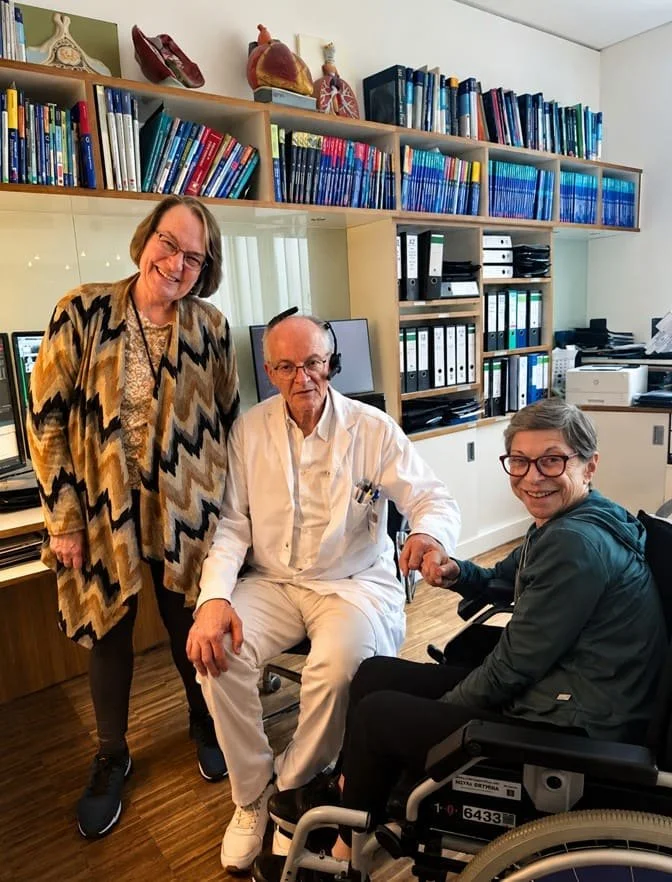
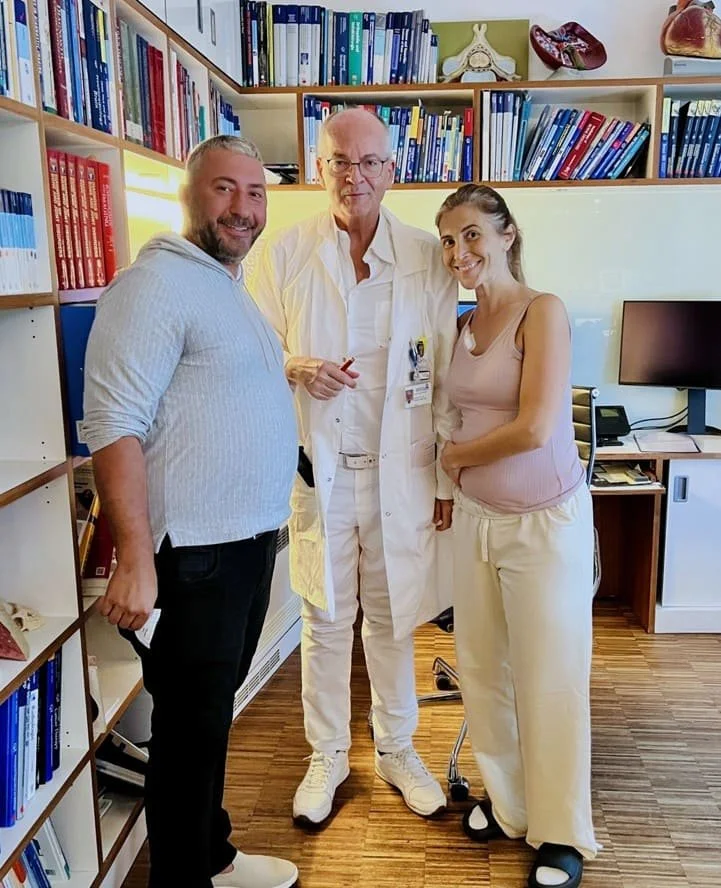
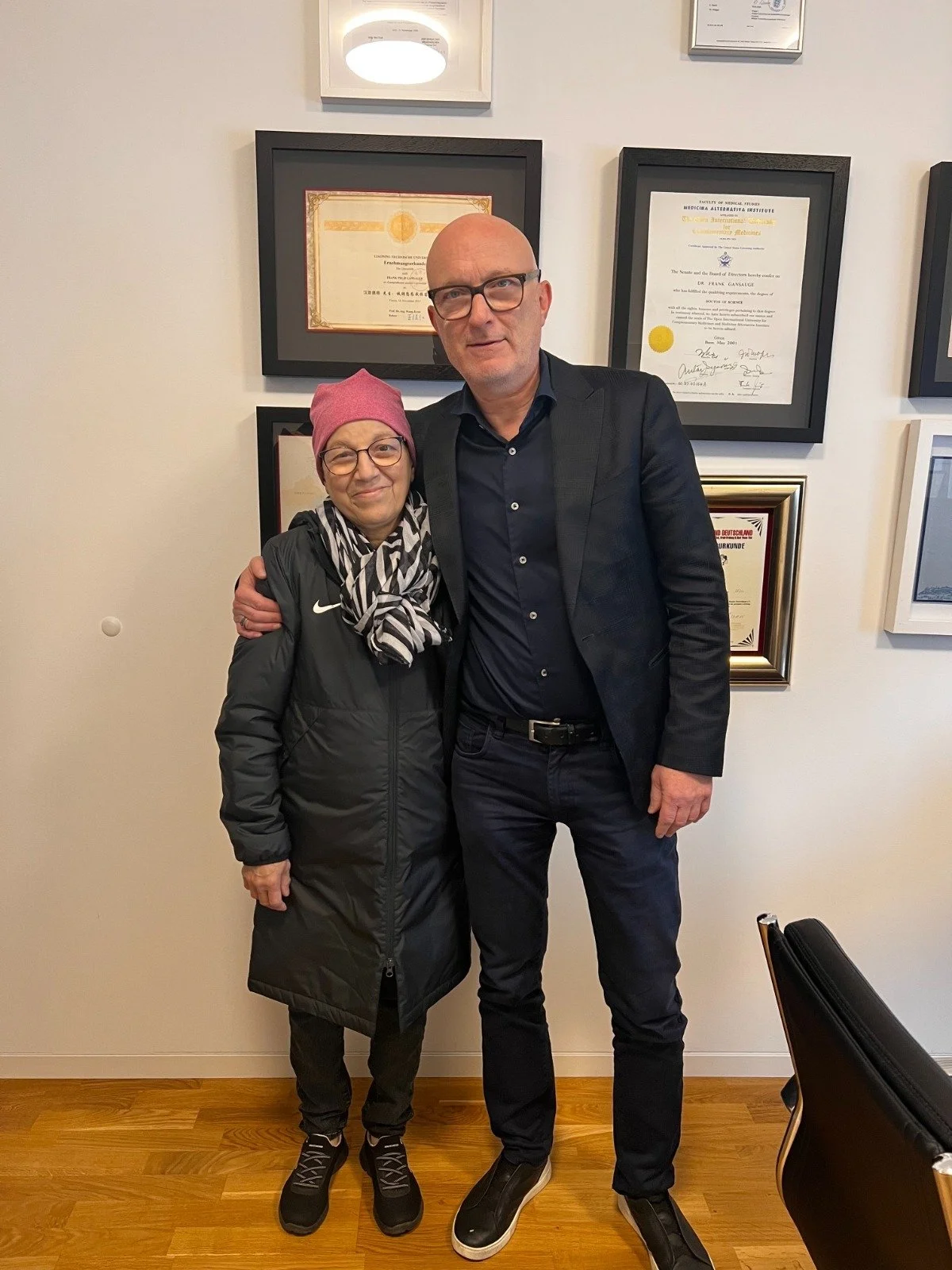
Dendritic cell therapy is offered at LDG LANEX-DC in Berg under the leadership of Prof. Dr. Frank Gansauge, whose expertise includes surgical oncology, cancer immunotherapy and dendritic cell-based treatments. The initial assessment, including a pathology review, is based on:
-
Recent MRI scans.
-
Pathology and molecular reports.
-
A summary of treatment so far.
-
Current medication, including the steroid dose.
After a positive review, international patients receive help with:
-
The invitation letter and visa guidance.
-
Translation.
-
Complete logistical arrangements.
The cost of dendritic cell therapy for brain cancer in Germany depends on your treatment plan, and a personalised quotation is provided after the medical reports have been reviewed.
Treatment in Germany (TIG GmbH) supports international patients by coordinating specialist consultations, appointments and travel arrangements. The German medical team reviews each case and determines treatment suitability. To explore whether dendritic cell therapy may be an option, send your medical reports for specialist assessment.
References
Why Patients Worldwide Prefer Our Medical Services in Germany – Key Benefits Explained
International patients planning brain cancer treatment in Germany may need support with hospital consultations, medical documentation, translations, and travel arrangements. TIG GmbH helps coordinate these practical steps and communication with healthcare providers according to each patient's needs and the services agreed.
If you are unsure about a diagnosis or the recommended plan, a second opinion from German specialists can also be arranged based on your medical records.
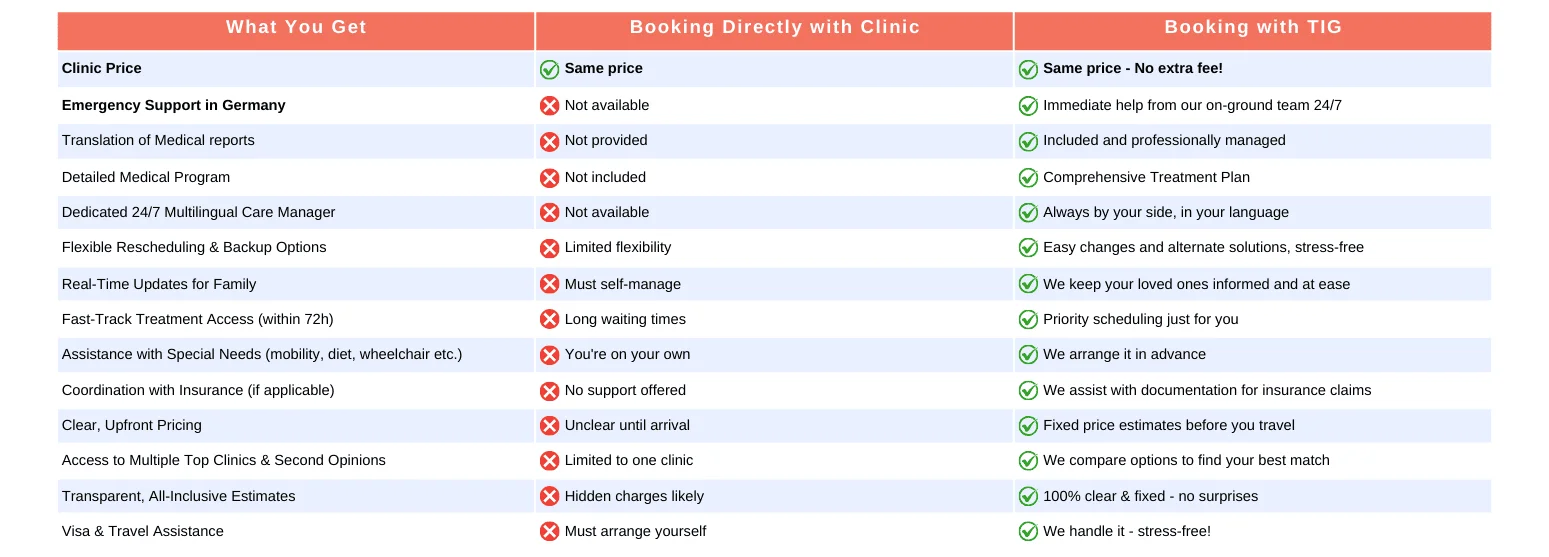
The table above compares the support and coordination services offered through TIG GmbH for brain cancer treatment in Germany with the arrangements patients may need to manage when booking directly with a clinic.
Frequently Asked Questions About Dendritic Cell Therapy for Brain Cancer
1. Can dendritic cell therapy cure brain cancer?
Dendritic cell therapy is not an established cure for brain cancer. It is being studied as an additional approach to help the immune system recognise tumour cells. It does not replace surgery, radiotherapy or chemotherapy.
2. What is the success rate of dendritic cell therapy for brain cancer?
There is no established success rate. Results vary by tumour type, disease stage, vaccine design and other treatments. Some glioblastoma studies have reported encouraging survival findings, but further research is needed to establish the benefits.
3. Can dendritic cell therapy be given with temozolomide?
It may be possible, depending on the vaccine protocol and treatment plan. The German team considers chemotherapy timing, blood counts and steroid use before deciding whether the treatments can be combined.
4. How long will I need to stay in Germany for dendritic cell therapy?
The stay depends on the treatment protocol. Cell collection, vaccine preparation and initial injections may require time in Germany. Some protocols involve further visits. The treating team explains the expected schedule after assessment.
5. Can dendritic cell therapy be repeated if brain cancer returns?
Further vaccination may be considered in selected patients if their health, previous treatment response and vaccine availability allow. The decision requires a fresh review of MRI scans and the patient's overall condition.
.webp)



.webp)



 (1).webp)
 (1).webp)

.webp)
.webp)