

Bladder cancer is a common urological cancer in Europe. Learn how common bladder cancer is, what influences its occurrence, and why many international patients choose advanced treatment options in Germany.
How Common Is Bladder Cancer in Europe?
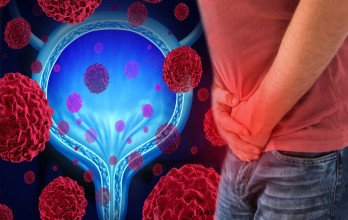
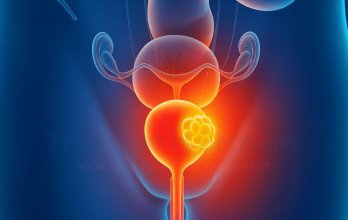
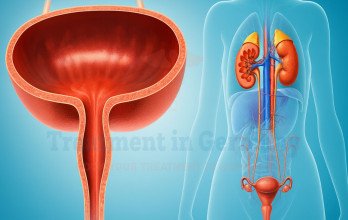
Bladder cancer is a disease that begins when abnormal cells grow uncontrollably in the lining of the bladder, the organ responsible for storing urine. These abnormal cells can remain confined to the bladder lining or gradually grow deeper into the bladder wall. In some cases, they may spread to nearby lymph nodes or other organs.
Common early symptoms of bladder cancer include blood in the urine, frequent urination, and discomfort while urinating. Because these symptoms may also be linked to infections or non-cancerous conditions, diagnosis is sometimes delayed. Understanding what bladder cancer is provides important context when discussing how common it is across Europe.
How Common Is Bladder Cancer in Europe
When people ask how common bladder cancer in Europe is, they are usually trying to understand how frequently this cancer is diagnosed and how significant it is as a public health concern. Bladder cancer is one of the more frequently diagnosed cancers of the urinary system across European countries, particularly among older adults.
Medical organizations such as the Australian Cancer Society recognize bladder cancer as a major urological cancer worldwide. In Europe, it represents a notable portion of cancer diagnoses due to factors such as aging populations, occupational exposures, and smoking history. However, how common bladder cancer appears can vary between regions based on environmental and lifestyle factors as well as diagnostic practices.
Factors That Influence Bladder Cancer Occurrence in Europe
Several factors influence how common bladder cancer in Europe is. These include smoking prevalence, long-term exposure to industrial chemicals, chronic bladder inflammation, and age. Men are more frequently diagnosed than women, although women may experience delayed diagnosis due to symptom overlap with other conditions.
Healthcare access and awareness also affect how often bladder cancer is detected. Countries with structured screening, early diagnostic pathways, and specialist urology care may identify bladder cancer earlier than others.
Diagnosis Trends for Bladder Cancer in Europe
Diagnosis of bladder cancer in Europe typically involves cystoscopy, biopsy, and imaging such as CT or MRI. European healthcare systems follow internationally accepted diagnostic frameworks aligned with guidance referenced by the Australian Cancer Society.
Early diagnosis is important not only for treatment planning but also for understanding disease burden across populations. Improved diagnostic awareness has contributed to more consistent identification of bladder cancer across Europe.
Why Patients with Bladder Cancer in Europe Seek Treatment in Germany
Although many European countries provide high-quality cancer treatment, some patients seek treatment abroad specially in Germany, for access to specialized expertise, advanced interventional oncology, or personalized immune-based therapies. Germany is one of the most common destinations for patients seeking advanced cancer treatment in Germany.
Patients with bladder cancer in Europe often look for centers offering multidisciplinary evaluation, advanced diagnostics, and individualized treatment planning. These factors contribute to Germany’s reputation for high-quality oncology treatment.
Why Treatment in Germany Is Preferred for Bladder Cancer
Germany is internationally recognized for its advanced medical infrastructure, strict regulatory standards, and coordinated cancer treatment. Patients choosing treatment in Germany benefit from thorough diagnostic evaluation, transparent treatment planning, and access to advanced therapies.
Many specialists involved in bladder cancer treatment are regarded among the best oncologist in Germany, particularly in urologic oncology and interventional cancer treatment. This expertise attracts international patients from across Europe and beyond.
Role of Advanced Therapies in Bladder Cancer treatment in Germany
It is also important to understand that advanced treatment options are available for international patients in Germany.
Targeted Embolization Treatment for Bladder Cancer in Germany
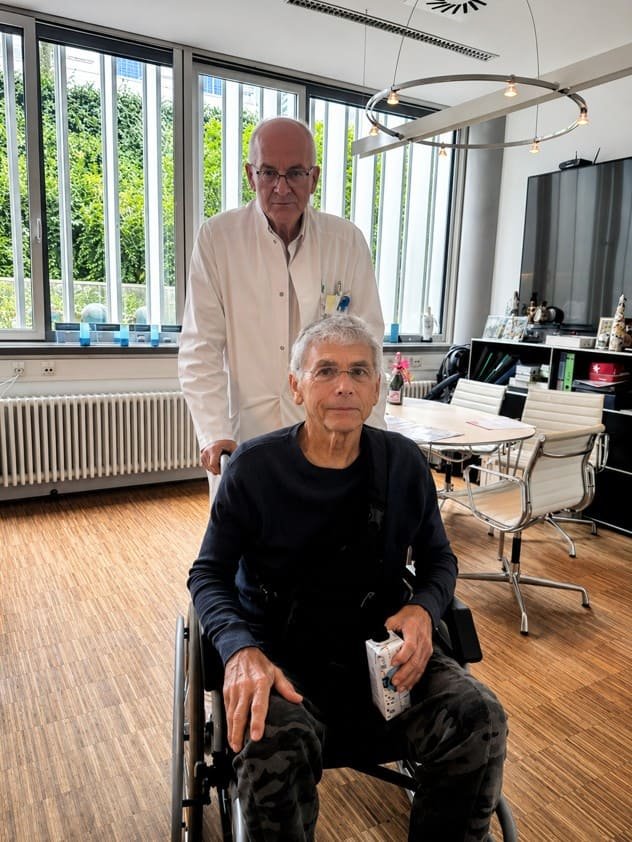
Targeted Embolization Treatment for bladder cancer in Germany is an interventional oncology procedure designed to deliver chemotherapy directly into blood vessels supplying the tumor. Its purpose is to concentrate treatment at the tumor site while reducing exposure to the rest of the body. Targeted Embolization Treatment in Germany may be considered in advanced cases where localized tumor control is required. This procedure is performed by Prof. Vogl in Frankfurt, Germany, a specialist in interventional oncology. The cost of Targeted Embolization Treatment in Germany typically ranges from €8,000 to €9,000 per session, depending on treatment complexity.
Dr. Thomas J. Vogl has authored over a hundred scientific publications in renowned medical and research journals.
Immunotherapy Dendritic Cell Therapy for Bladder Cancer in Germany
Immunotherapy Dendritic Cell Therapy for bladder cancer in Germany is a personalized immune-based approach that supports the body’s ability to recognize and respond to cancer cells. Its purpose is to strengthen immune surveillance rather than directly remove tumors.
This therapy involves preparing immune cells in an EU GMP certified laboratory to create a personalized dendritic cell vaccine. In Germany, Immunotherapy Dendritic Cell Therapy in Germany is performed by Prof. Gansauge in Berg, Germany. The cost of Dendritic Cell Therapy in Germany is €24,000, which includes laboratory processing and vaccine preparation.
Prof. Gansauge has authored over a hundred scientific publications in renowned medical and research journals.
Support for International Patients Seeking Treatment in Germany
For international patients with bladder cancer in Europe, navigating care in another country can be complex. This is where TIG, (Treatment in Germany), at www.treatmentingermany.de, plays an essential role. TIG at www.treatmentingermany.de, manages complete logistical arrangements for international patients, including a medical visa assistance if required. This structured support helps patients focus on their treatment journey with confidence.
Why Germany Remains a Key Destination for Bladder Cancer treatment
Germany’s emphasis on precision diagnostics, individualized treatment planning, and multidisciplinary collaboration makes it a leading destination for bladder cancer treatment. Patients from across Europe and other regions value the clarity, structure, and medical expertise offered through treatment in Germany.
With support from organizations like TIG, Treatment in Germany, international patients can access treatment efficiently while receiving guidance at every step.
🌍Why Patients Worldwide Prefer Our Medical Services in Germany – Key Benefits Explained:


Frequently Asked Questions
How common is bladder cancer in Europe?
Bladder cancer in Europe is among the more frequently diagnosed urological cancers.
Is bladder cancer a major health concern in Europe?
Yes, bladder cancer represents a significant public health concern across Europe.
What causes bladder cancer to be common in Europe?
Factors include age, smoking history, and occupational exposures.
Do European countries diagnose bladder cancer early?
Diagnosis varies based on healthcare access and awareness.
Is treatment in Germany suitable for bladder cancer patients from Europe?
Yes, treatment in Germany is widely chosen by European patients.
What is Targeted Embolization Treatment in Germany?
Targeted Embolization Treatment in Germany delivers chemotherapy directly to tumor blood supply.
What is Immunotherapy Dendritic Cell Therapy in Germany?
It is an immune-based therapy that supports cancer recognition.
Is dendritic cell therapy safe?
Immunotherapy Dendritic Cell Therapy in Germany follows strict EU GMP standards.
What is the cost of Targeted Embolization Treatment in Germany?
The cost of Targeted Embolization Treatment in Germany ranges from €8,000 to €9,000.
Are German specialists experienced in bladder cancer?
Many are regarded among the best oncologist in Germany.
How can international patients arrange treatment?
Through TIG (Treatment in Germany at www.treatmentingermany.de ), which manages complete logistical arrangements including a medical visa if needed.
What makes German cancer treatment different from other countries?
It focuses on precise, personalized care. German specialists use advanced imaging and follow strict German Cancer Society standards to ensure safe, high-quality treatment for every patient.
Who is the best cancer specialist for bladder cancer in Germany?
Germany has many highly experienced oncologists and specialized cancer centers known for advanced diagnostics and personalized treatment approaches. The “best” cancer specialist depends on the specific cancer type and treatment needs. Some of the most recognized cancer experts include professors working at leading hospitals such as Charité University Hospital (Berlin), University Hospital Heidelberg, University Hospital Munich (LMU), and Frankfurt University Hospital.














.webp)
 (1).webp)

.webp)


.jpg)

 (1).webp)

.jpg)