
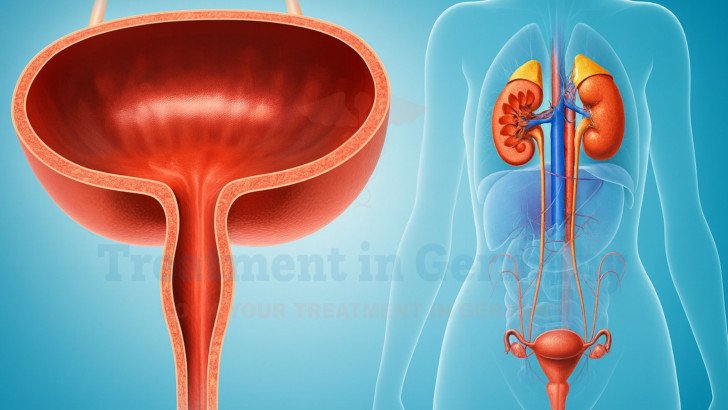
Learn how bladder cancer survival varies from patient to patient and why international patients choose Germany for advanced diagnostics, embolization, and dendritic cell therapy.
What Is the Survival Rate for Bladder Cancer in Germany?
Bladder cancer is a condition that affects the urinary system, and when patients receive this diagnosis, they naturally want to know what their future may look like. Families often look for information about the survival rate for bladder cancer in Germany, hoping to understand what to expect during treatment. The most important thing to know is that survival is not the same for every patient. It varies from person to person and depends on several medical and personal factors. Doctors never describe survival with a single idea or figure because every patient has their own health history, type of tumor, treatment response, and level of physical strength.
Germany has become one of the most trusted places for international patients who want clear answers and advanced medical guidance. The country’s healthcare system places a strong focus on early diagnosis, detailed imaging, and individualized treatment planning. Hospitals use CT scans, MRI, and PET scans to accurately assess the cancer, and follow medical guidelines similar to those recommended by the Canadian cancer society. Many international families choose Treatment in Germany because German hospitals combine medical experience with careful long-term follow-up and access to the best oncologist in Germany for bladder cancer cases.
Understanding How Bladder Cancer Develops and Progresses
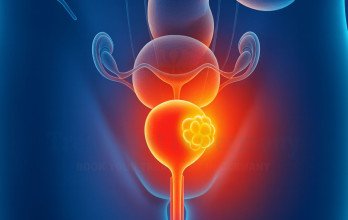
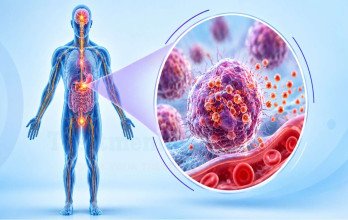
Bladder cancer usually begins in the cells lining the inside of the bladder. In many patients, the cancer starts in an early stage and remains limited to the inner layers. In others, it may spread deeper into the bladder wall or travel to nearby lymph nodes and organs if it is not detected early. This process affects how the cancer behaves and influences the type of treatment needed.
Patients may notice symptoms such as blood in the urine, pain or burning during urination, frequent urination, lower back pain, or discomfort in the pelvic region. As the cancer becomes more advanced, symptoms may become more pronounced. Doctors rely on tests such as cystoscopy, urine cytology, and biopsy to confirm the diagnosis.
Once the cancer is identified, the next step is determining the exact cancer stages. German hospitals use cancer detection tests including CT scans, MRI, and PET scans to gather detailed information about the size of the tumor, its spread, and any lymph node involvement. This information forms the foundation of an accurate cancer diagnosis, which is essential for deciding the right treatment plan.
Why Survival for Bladder Cancer Differs From Patient to Patient
One of the most important facts to understand is that survival varies from patient to patient. Doctors look at several individual details before explaining what each person may expect. These details help determine the right treatment plan and how the cancer may behave over time.
A key factor is the stage at which the cancer is discovered. Early-stage bladder cancer usually responds more easily to treatment and offers a better outlook. When the cancer grows deeper into the bladder wall or spreads to other areas, treatment becomes more involved and may require additional therapies.
The type and grade of the tumor also play a role. High-grade tumors tend to grow more quickly, while low-grade tumors grow more slowly. The patient’s age, general health, kidney function, and immune strength influence how well the body can handle treatment and recover.
Another significant factor is the treatment approach. Patients who receive care from experienced specialists, such as the best oncologist in Germany, and who have access to Innovative treatment options often have a more organized treatment journey. German cancer centers offer structured plans, consistent monitoring, and careful symptom management.
Why International Patients Often Choose Germany for Bladder Cancer Care
Germany has earned a strong reputation in cancer treatment for many reasons. One of the most important is the focus on precision during diagnosis. Hospitals use detailed imaging and laboratory testing to build a complete picture of the cancer. This gives patients confidence that their situation has been fully understood before treatment begins.
German cancer centers also work with multidisciplinary teams. This includes urologists, best oncologists in Germany, radiologists, immunotherapy specialists, and support staff work together to develop treatment plans. The support of TIG (Treatment in Germany at www.treatmentingermany.de) helps patients with complete logistical arrangements, a medical visa for International patients( if required). This creates a smoother and less stressful experience for international patients.
Treatment Options Available for Bladder Cancer Patients in Germany
German hospitals offer a wide variety of treatment options depending on the stage and behavior of the cancer. International patients often seek advanced therapies such as Targeted embolization treatment and immunotherapy dendritic cell therapy in Germany, which may help control tumor activity and support the immune system.
Targeted Embolization Treatment for Bladder Cancer in Germany
Targeted embolization treatment for bladder cancer in Germany, is a minimally invasive procedure used when bladder cancer spreads to certain organs or when doctors want to reduce the activity of a tumor in a specific area. During this treatment, the specialist blocks the blood supply feeding the tumor, which helps limit its growth and reduces the pressure or pain the tumor may be causing. The success of this procedure relies heavily on accurate imaging. German hospitals use MRI or CT scans to identify the blood vessels supplying the tumor and to plan the treatment with precision. The procedure is performed through a small catheter, guided carefully to the target area.
In Germany, this treatment is performed by Prof Vogl in Frankfurt, Germany. He has extensive experience in these interventional procedures, giving patients confidence in the safety and accuracy of their treatment.
The cost of targeted embolization treatment in Germany typically ranges between €8,000 and €9,000 per session, depending on the size and location of the treated area.
Immunotherapy Dendritic Cell Therapy for Bladder Cancer Patients
Another meaningful option for bladder cancer patients is immunotherapy dendritic cell therapy in Germany. This treatment works by strengthening the body's natural ability to identify and fight cancer cells. It is a personalized treatment in which the patient’s own immune cells are transformed into dendritic cells, which are then trained to recognize bladder cancer markers.
How the Process Works in Simple One-Line Steps
- Blood collection where a small sample is taken to extract immune precursor cells.
- Monocyte separation in an EU-GMP laboratory under controlled conditions.
- Conversion to dendritic cells through specialized processing.
- Exposure to tumor antigens to help the immune cells recognize bladder cancer cells more effectively.
This therapy is offered under the supervision of Prof. Gansauge in Berg, Germany who is known for his experience in cellular immunotherapies. The cost of dendritic cell therapy in Germany is €24,000, which includes laboratory preparation, vaccine development, and administration.
How TIG Supports International Patients
International patients can rely on TIG (Treatment in Germany) for comprehensive support. TIG manages consultations, travel, accommodations, and medical visa for international patients (if needed) at www.treatmentingermany.de , ensuring a smooth and stress-free experience. This allows patients to focus on their treatment and recovery.
The Importance of Early Evaluation and Continuous Care
Even in stage 4 bladder cancer, timely intervention can make a significant difference. Patients who seek early evaluation and start therapy quickly often experience better control of symptoms and improved quality of life. Continuous care, regular imaging, and ongoing support from medical teams help ensure treatment remains effective and adaptive to each patient’s needs.
🌍Why Patients Worldwide Prefer Our Medical Services in Germany – Key Benefits Explained:


FAQs
Is the survival rate for bladder cancer the same for every patient?
No, survival varies for each person depending on stage, health, and treatment response.
Can stage 4 bladder cancer be treated?
Yes. While it may not always be curable, modern therapies like Targeted Embolization Treatment and Dendritic Cell Immunotherapy in Germany, can control the disease and extend survival.
Are advanced imaging tests used for bladder cancer diagnosis in Germany?
Yes, doctors commonly use CT scans, MRI, and PET scans for precise evaluation.
Is Targeted embolization treatment helpful for bladder cancer that has spread?
Yes, it can help reduce tumor activity by blocking blood flow to selected areas.
Is dendritic cell therapy in Germany safe for bladder cancer patients?
Yes, it is performed under strict laboratory and clinical standards.
Who supervises dendritic cell therapy in Germany?
It is overseen by Prof. Gansauge in Berg, an experienced immunotherapy specialist.
What are the side effects of dendritic cell therapy?
Side effects of dendritic cell therapy are mild and temporary, usually limited to fatigue or a low-grade fever.
What treatment options are available in Germany for bladder cancer?
Germany offers Innovative Therapies in Germany such as Targeted Embolization Treatment and Dendritic Cell Immunotherapy, along with supportive treatments like chemotherapy, radiation, and palliative care.
Are new treatment options available for bladder cancer in Germany?
Yes, patients may have access to Innovative treatment programs and clinical-based therapies.
Does bladder cancer survival depend on early diagnosis?
Yes, early detection often improves treatment options and long-term outlook.
Does Germany offer support for medical travel?
Yes, the support of TIG (Treatment in Germany) helps with complete logistical arrangements and documentation.












.webp)
 (1).webp)

.webp)


.jpg)

 (1).webp)

.jpg)