
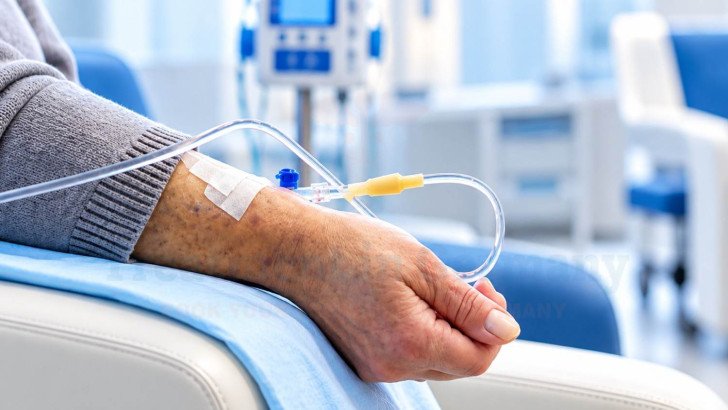
Chemotherapy for brain cancer in Germany may involve temozolomide, PCV, lomustine or carmustine, depending on the tumor type, molecular findings, previous treatment and overall health. Treatment may be given with surgery or radiotherapy, in planned cycles, with regular blood tests and clinical review. Response is monitored with neurological assessment and MRI, while specialist German neuro-oncology teams coordinate treatment and second opinions for international patients.
Brain Cancer Chemotherapy in Germany: Drugs and Side Effects
Chemotherapy has an important role in some malignant brain tumors, particularly gliomas, but it is not routinely used for every brain tumor. As part of brain cancer treatment in Germany, its use depends on the tumor type, grade, molecular features, previous treatment and overall health.
Chemotherapy Treatment Planning for Brain Cancer
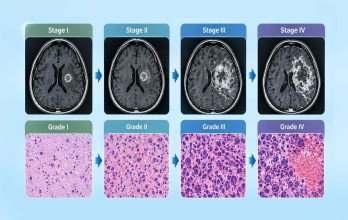
Brain cancer chemotherapy is planned after the diagnosis is confirmed. Tissue from surgery or biopsy establishes the tumor type, grade and molecular profile, which help determine whether chemotherapy is likely to be effective. Chemotherapy has an established role in several types of glioma but a much more limited role in many other primary brain tumors, including most meningiomas.
The specialist team then weighs:
- The confirmed tumor type and grade, at the level of whether chemotherapy is known to be effective for it.
- Molecular findings, some of which predict how well a tumor responds to particular drugs and can influence the expected benefit from particular treatments.
- Current disease status, including what remains after surgery, extent of resection, and whether the disease is newly diagnosed, stable, recurrent, or progressive.
- Previous treatment, since earlier radiation or chemotherapy limits what can safely follow.
- Age, general health and daily function.
- Blood counts, liver and kidney function, which influence treatment eligibility, dosing, metabolism or clearance, and toxicity risk depending on the drug.
- The main goal, whether long-term control or easing symptoms.
Treatment can therefore differ even between patients with similar diagnoses. Chemotherapy may be given during radiotherapy, after radiotherapy or later in the disease course, depending on the tumor and previous treatment. European guidance recommends selecting systemic treatment according to the specific glioma subtype, molecular findings and clinical condition rather than using a single regimen for all brain cancers [1].
Chemotherapy Drugs and Regimens for Brain Cancer

A relatively small number of chemotherapy drugs are routinely used for malignant brain tumors. One reason is the blood-brain barrier, which limits the amount of many anticancer medicines that reaches brain tissue.
Temozolomide
Temozolomide is an oral chemotherapy taken as capsules and often taken at home according to the prescribed treatment schedule. It crosses into the brain well and has become the most widely used drug for malignant gliomas, typically as part of a combined plan with surgery and radiation. It may be taken daily during radiation and then in separate cycles afterwards, according to the tumor and the plan and schedules vary according to the tumor, treatment setting, patient characteristics, and treatment intent
Temozolomide is not appropriate for every brain tumor and its role depends on the specific tumor entity, molecular features, treatment setting, and available clinical evidence. In glioblastoma, MGMT promoter methylation helps doctors estimate the likely benefit from temozolomide and other alkylating chemotherapy. Treatment decisions also consider age, general condition and the overall treatment plan. In a Dutch cohort of 206 patients receiving standard glioblastoma treatment, 61.1% developed thrombocytopenia of any grade, including mild reductions in platelet count [5].
PCV Chemotherapy
PCV chemotherapy combines three drugs: procarbazine and lomustine (CCNU), both taken by mouth, and vincristine, given into a vein. It is used in selected brain tumor settings, particularly certain oligodendrogliomas and some lower-grade gliomas, where it has been combined with radiation in randomised trials.
PCV and temozolomide use different drugs and treatment schedules. PCV is commonly given after radiotherapy and generally has greater treatment-related toxicity. In a U.S. database study of 1,596 patients with radiotherapy-treated 1p/19q-codeleted grade 3 oligodendroglioma, 88.6% received temozolomide and 11.4% received PCV as first-line chemotherapy. Temozolomide often started with radiotherapy, whereas PCV usually began later [2].

First-line chemotherapy chosen for radiotherapy-treated 1p/19q-codeleted grade 3 oligodendroglioma in U.S. national data [2]. Usage reflects practice patterns, not which option is more effective.
PCV can be difficult to tolerate, and dose reductions or treatment delays may be required. A modified regimen using procarbazine and lomustine without vincristine has been studied in recurrent glioma, but it should not be considered equivalent to standard PCV on the basis of the available evidence [3].
Lomustine and Carmustine
Lomustine and carmustine belong to the nitrosourea family, older drugs that cross into the brain effectively. Lomustine is taken as a single oral dose at intervals of several weeks, either alone or in combination, and its use in selected settings rests on the diagnosis and what has been given before. Its main limitation is a delayed and sometimes prolonged fall in blood counts, particularly platelets; in a large European trial dataset, falling platelets were the leading reason lomustine cycles had to be delayed or reduced [4]. Carmustine can be given intravenously, although this is less commonly used in current glioma treatment. Carmustine is also available in biodegradable wafers that can be placed directly into the surgical cavity in selected patients. These wafers provide local chemotherapy, releasing carmustine into the surrounding tissue as the wafer breaks down. Their use depends on the diagnosis, planned surgery and previous treatment.
Chemotherapy Cycles and Treatment Schedule for Brain Cancer
Chemotherapy is organised into chemotherapy cycles: a period of treatment followed by planned recovery time, so that the bone marrow and other healthy tissues can recover before the next dose.
Cycle length varies considerably according to the drug, regimen, tumor type, treatment intent, and patient-specific factors:
- Some are taken for a few days at the start of a four-week cycle.
- Others are given as a single dose every six weeks or so.
- Combination regimens often run on longer cycles still.
Overall treatment may last from a few months to more than a year, according to the drug, the tumor and how well treatment is tolerated.

How oral and intravenous brain cancer chemotherapy differ in practice.
Blood tests and a clinical review are performed regularly during chemotherapy to assess treatment tolerance and determine whether the next cycle can proceed. Most brain cancer chemotherapy is given as outpatient treatment, although closer monitoring may be required if blood counts fall, infection develops or the neurological condition changes.
Chemotherapy With Surgery and Radiation for Brain Cancer
Chemotherapy is often combined with surgery and radiotherapy as part of brain cancer treatment, although it may also be used on its own in selected settings, particularly when disease recurs.
The main approaches include:
- Adjuvant chemotherapy, given after initial treatment to target residual tumor cells.
- Concurrent chemoradiation, where chemotherapy such as temozolomide is given during radiotherapy.
- Sequential treatment, where chemotherapy follows radiotherapy, as commonly used with PCV.
The treatment sequence is decided by the multidisciplinary team according to the tumor type, molecular findings and previous treatment.
Brain Cancer Chemotherapy Side Effects and Safety

Chemotherapy side effects differ between drugs, combinations and even between cycles for the same person. Knowing what to expect, and what needs reporting, is part of treating safely.
Common Chemotherapy Side Effects
Common or clinically important side effects can include:
- Fatigue.
- Nausea or vomiting, which can often be reduced with anti-sickness medicines.
- Appetite or taste changes and constipation or other gastrointestinal symptoms, depending on the regimen.
- Low white blood cell counts, which can increase infection risk.
- Low platelet counts, which can increase bruising or bleeding.
Drug-specific effects also matter:
- Lomustine tends to lower blood counts later and for longer than temozolomide.
- Vincristine can cause tingling or numbness in the hands and feet.
- Procarbazine interacts with certain foods and medicines.
In a secondary analysis of the German CeTeG/NOA-09 trial, grade 3 or higher hematological toxicity occurred in 36.4% of patients receiving lomustine plus temozolomide and 28.6% receiving temozolomide alone. The difference between the groups was not statistically significant in this analysis [6].

Grade 3 or higher hematological toxicity in patients with MGMT-promoter-methylated glioblastoma in the German CeTeG/NOA-09 trial [6]. Regular blood tests and clinical review are used to detect treatment-related toxicity and determine whether chemotherapy can continue safely.
Supportive care may include:
- Anti-sickness medicines.
- Infection-prevention treatment when clinically indicated.
- Delaying treatment until blood counts recover.
- Reducing the dose or changing treatment when toxicity becomes significant.
Dose adjustments and treatment delays are part of standard toxicity management and do not by themselves mean that the treatment is ineffective.
Chemotherapy Response and Follow-Up in Brain Cancer
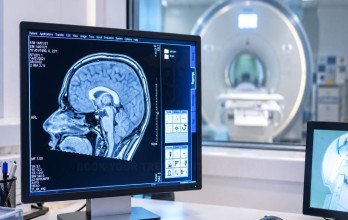
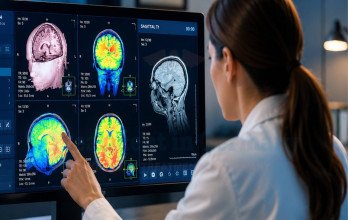
Whether chemotherapy is working is judged over time, from clinical findings and imaging together. Follow-up includes neurological and functional assessment alongside brain MRI at planned intervals, with findings compared with earlier scans.
Imaging may show:
- Tumor shrinkage.
- Stable disease, which may indicate disease control.
- Continued tumor growth, which prompts reassessment of the treatment plan.
MRI findings must be interpreted together with symptoms, neurological examination and treatment history. After radiotherapy and chemotherapy, treatment-related changes can sometimes resemble tumor progression on MRI. For this reason, a single early scan may not be sufficient to confirm progression, and repeat imaging may be needed before treatment is changed.
Specialist Brain Cancer Chemotherapy in Germany

Chemotherapy for brain cancer in Germany is usually planned by specialist neuro-oncology teams working within multidisciplinary tumor boards. Specialists review the diagnosis, imaging, molecular findings and previous treatment together. The German Cancer Society certifies neuro-oncology centres that meet defined standards for coordinated care. German centres use established chemotherapy regimens for malignant gliomas. Lomustine combined with temozolomide has been studied in German multicentre trials, and a retrospective study reported its use in 70 patients treated at five neuro-oncology centres in Germany. Complex cases require careful review before treatment is selected, and availability should be confirmed with the treating centre [6] [7].
International patients can usually have their records, pathology, MRI scans and previous treatment reviewed before travelling. If treatment or a second opinion is appropriate, a specialist consultation can then be arranged.
TIG GmbH (Treatment in Germany) can help with medical-record review, specialist consultations and coordination with the treating centre. Medical decisions, including diagnosis and chemotherapy selection, remain with the treating team.
References
Why Patients Worldwide Prefer Our Medical Services in Germany – Key Benefits Explained
International patients planning breast cancer treatment in Germany may need support with hospital consultations, medical documentation, translations, and travel arrangements. TIG GmbH helps coordinate these practical steps and communication with healthcare providers according to each patient's needs and the services agreed.

The table above compares the support and coordination services offered through TIG GmbH with the arrangements patients may need to manage when booking directly with a clinic.





















.webp)
 (1).webp)
.webp)
.jpg)
 (1).webp)
.jpg)