Brain astrocytoma treatment in Germany includes dendritic cell therapy, radiation, and chemotherapy, with expert care and international support for complex or recurrent cases.
Brain Astrocytoma Treatment– Full Guide: All New Astrocytoma Treatment Options in Germany
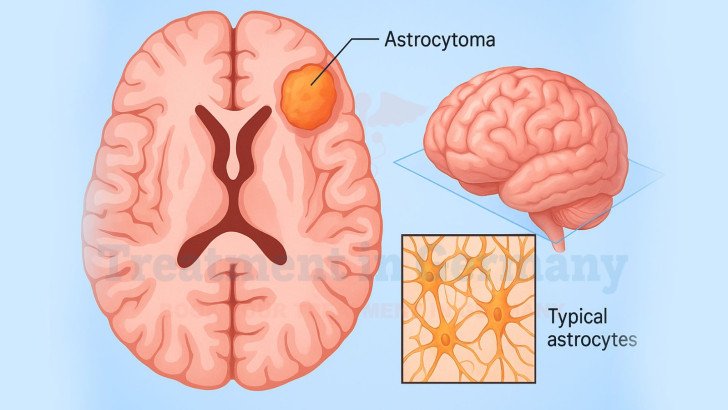
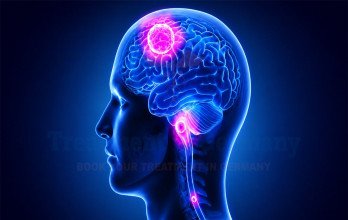
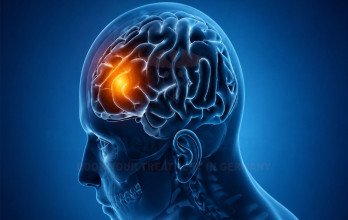
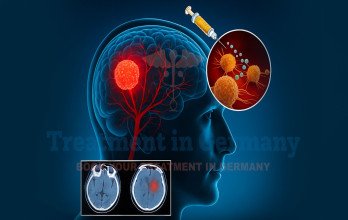
Brain astrocytoma is a type of glioma tumor that arises from astrocytes, the star-shaped glial cells in the brain. Astrocytomas can vary significantly in severity, from slow-growing tumors like pilocytic astrocytoma to highly aggressive forms such as glioblastoma. Depending on the tumor grade and location, patients may experience symptoms such as seizures, cognitive difficulties, headaches, memory loss, or changes in vision and speech. These symptoms often signal the need for timely and accurate diagnosis, which is essential for initiating effective treatment.
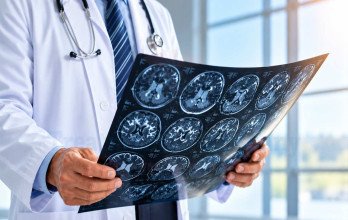
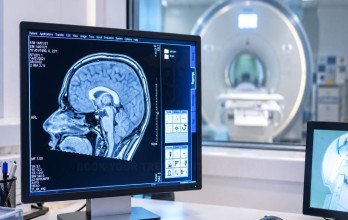
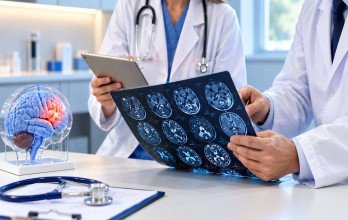
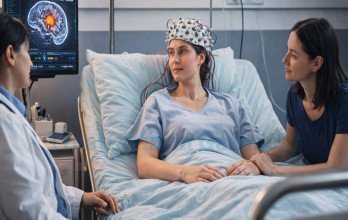
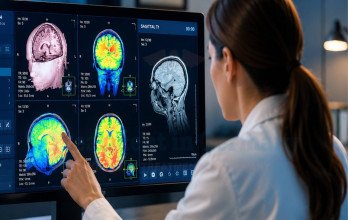
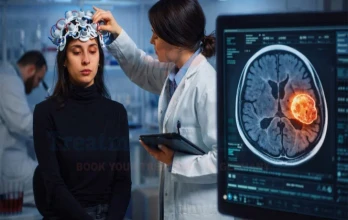
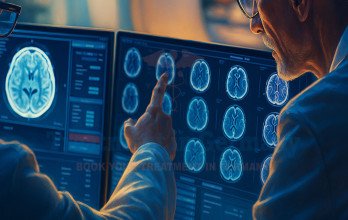
In Germany, treatment of astrocytoma is guided by advanced medical imaging, multidisciplinary tumor boards, and patient-centered care protocols. Cancer centers are equipped with MRI, PET-CT, and stereotactic navigation systems to accurately assess tumor size, grade, and metabolic activity. This leads to more precise treatment planning, especially for patients seeking second-line or non-surgical therapies.
Today, patients from around the world turn to astrocytoma treatment options in Germany for access to innovative therapies such as dendritic cell therapy, in addition to standard treatments like radiation therapy and chemotherapy.
Understanding Brain Astrocytoma and Its Treatment Challenges
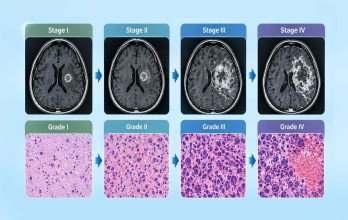
Astrocytomas are divided into four grades based on how quickly they grow and how likely they are to spread:
- Grade I (Pilocytic astrocytoma): Usually benign and slow-growing
- Grade II (Diffuse astrocytoma): Slow-growing but may progress
- Grade III (Anaplastic astrocytoma): More aggressive and malignant
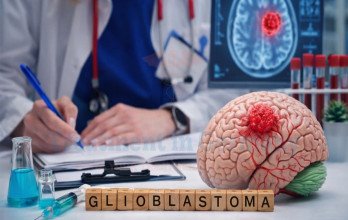
- Grade IV (Glioblastoma): Highly aggressive with a poor prognosis
The higher the grade, the more urgent and complex the treatment becomes. In Germany, patients undergo comprehensive assessments including molecular diagnostics, histopathology, and advanced imaging. These results guide personalized therapy strategies that improve both survival outcomes and quality of life.
Dendritic Cell Therapy for Astrocytoma in Germany
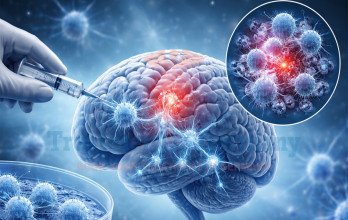
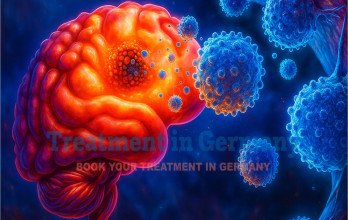
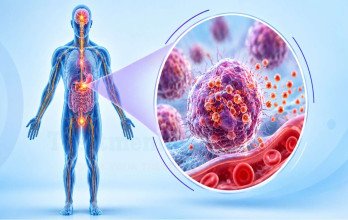
One of the most significant breakthroughs in astrocytoma treatment in Germany is the application of dendritic cell-based immunotherapy. This personalized therapy is designed to stimulate the body’s immune system to recognize and eliminate cancer cells. It is particularly useful in high-grade astrocytomas and recurrent glioblastoma cases where traditional treatments have failed.
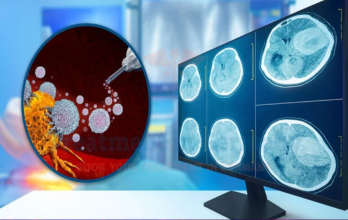
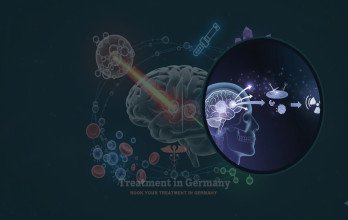
The procedure begins with the collection of monocytes from a blood sample. These immune cells are cultured in a specialized EU-GMP-certified lab, where they are transformed into dendritic cells. These cells are then exposed to tumor antigens, either derived from the patient’s tumor or synthesized. The matured dendritic cells are then reintroduced into the patient’s body to train the immune system to target and destroy cancer cells.
Step-by-Step Process of Dendritic Cell Therapy:
- Blood sample collection (usually 250–300 ml)
- Isolation of monocytes in the lab
- Differentiation into dendritic cells under sterile conditions
- Antigen loading using tumor-specific proteins
- Dendritic cells Vaccine maturation
- Reinfusion into the patient over several outpatient sessions
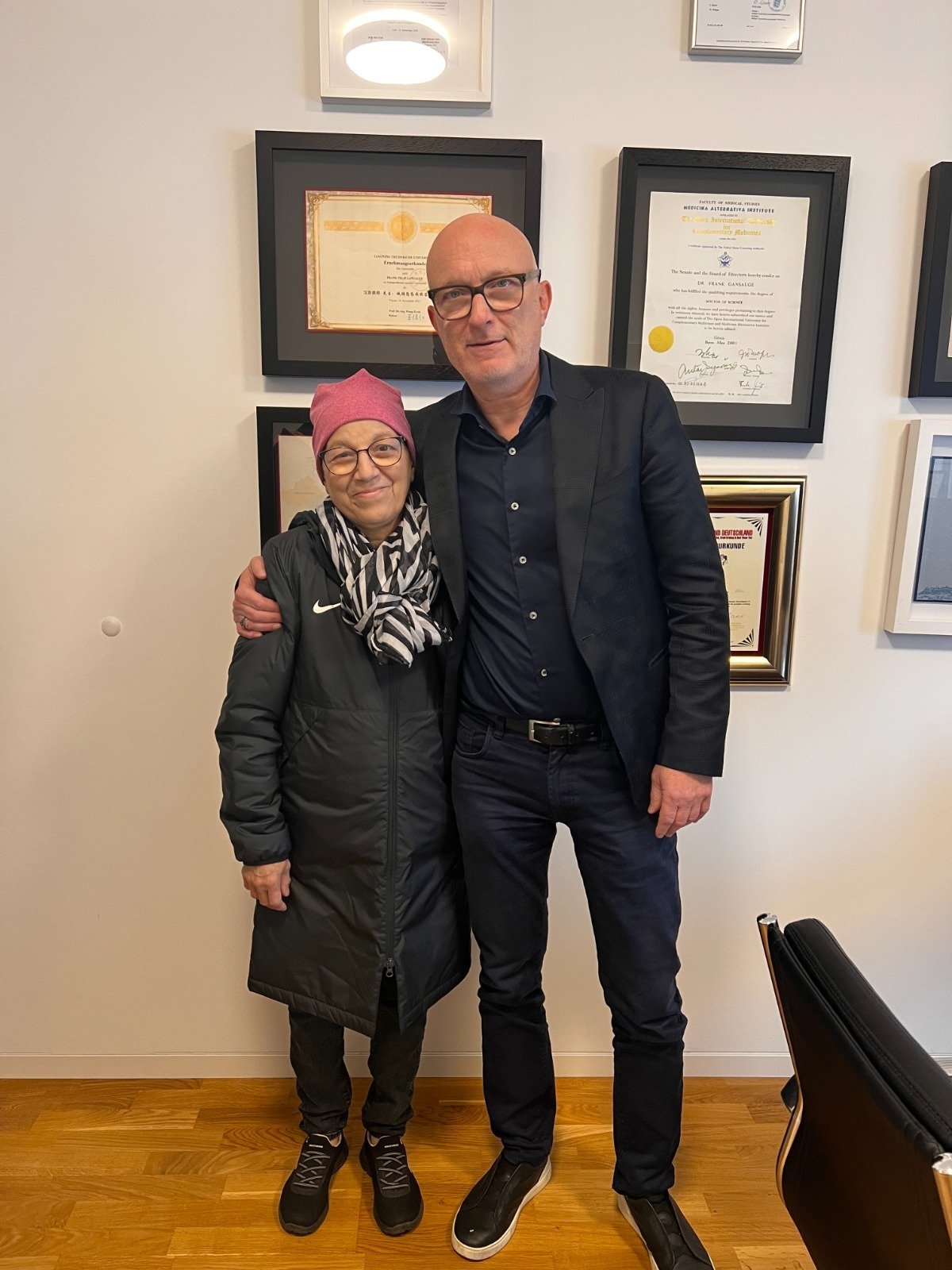
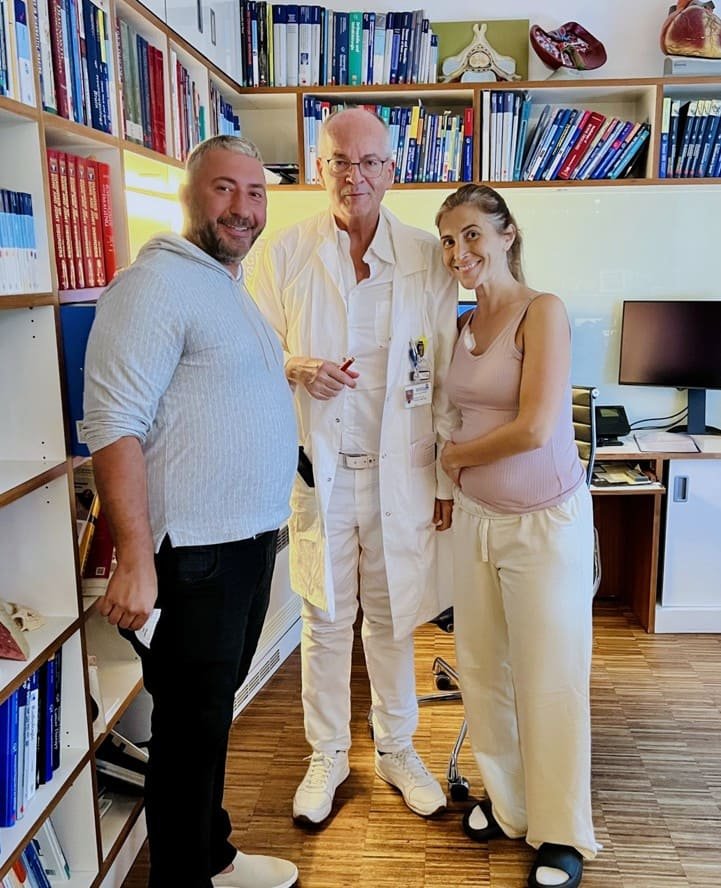
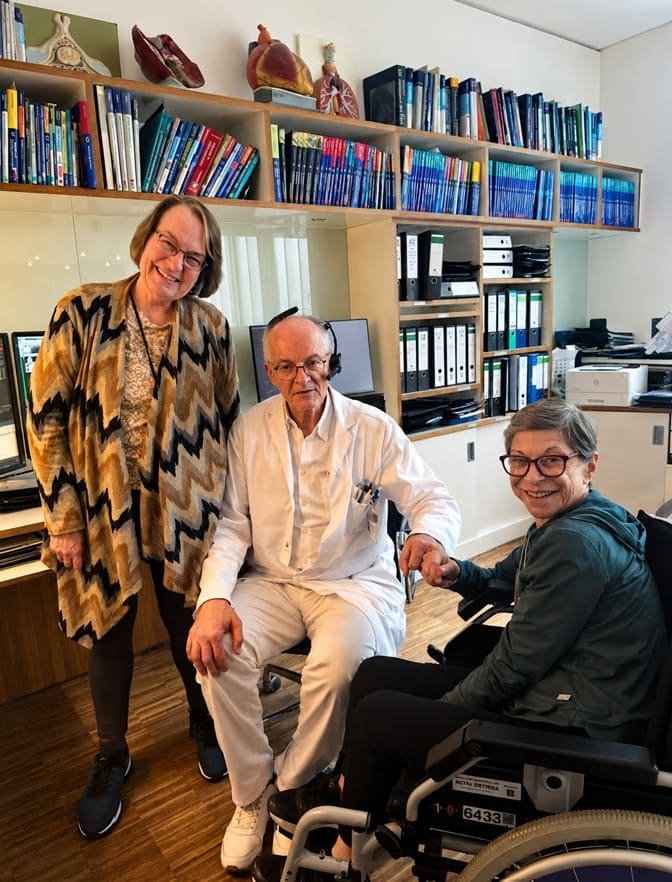
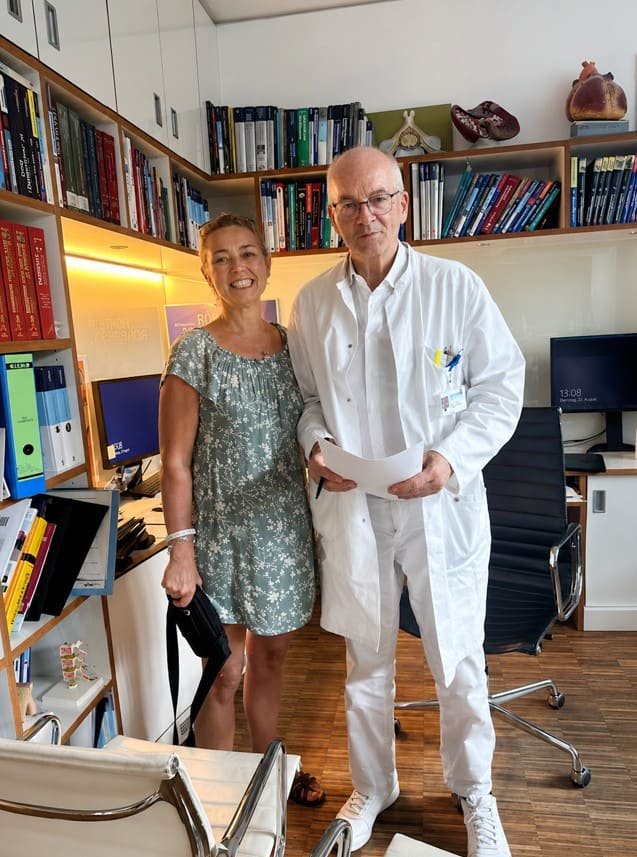
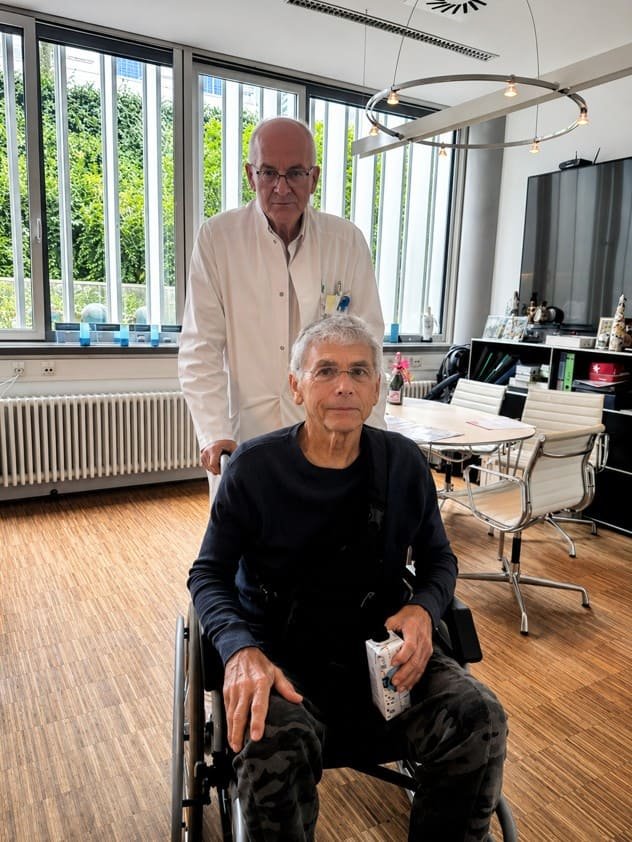
This immunotherapy is performed by Prof Gansauge in Berg, a globally recognized expert in dendritic cell vaccine therapy for brain tumors.
Prof Frank Gansauge has authored over a hundred scientific publications in renowned medical and research journals.
Cost of Dendritic Cell Therapy in Germany
The total cost of dendritic cell therapy in Germany is €24,000, including all phases of preparation, lab processing, and vaccination sessions.
Benefits of Dendritic Cell Therapy for Astrocytoma
- Personalized immune activation
- Suitable for patients unresponsive to standard therapies
- Low systemic toxicity
- Enhances long-term immune memory
- May delay or prevent tumor recurrence
This therapy has helped many patients achieve greater disease stability and improved energy levels, especially when combined with radiation or chemotherapy.
Radiation Therapy for Brain Astrocytoma in Germany
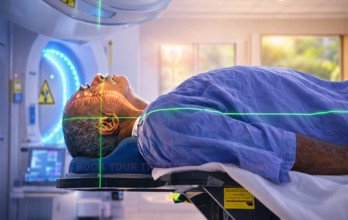
Radiation therapy for brain Astrocytoma in Germany, is one of the most common treatments for brain tumors, especially in high-grade astrocytomas and post-surgery cases. In Germany, techniques such as stereotactic radiosurgery (SRS) and intensity-modulated radiation therapy (IMRT) are used to deliver focused radiation beams to tumor tissue while sparing surrounding healthy brain structures.
Radiation is typically used after surgical resection or in non-resectable tumors to control growth and reduce pressure on surrounding tissues. Patients may receive treatment over several weeks, and follow-up MRI scans are used to monitor tumor response. Side effects are generally mild and manageable, including fatigue, headaches, and localized scalp irritation.
Chemotherapy for Astrocytoma Patients in Germany
Chemotherapy for brain Astrocytoma in Germany, is used either alone or in combination with radiation in the treatment of grade III and IV astrocytomas. The most commonly used drug is temozolomide (TMZ), which is able to cross the blood-brain barrier and target malignant cells. Chemotherapy is administered orally or intravenously in cycles, and patients are closely monitored for side effects such as fatigue, nausea, or low white blood cell counts. In Germany, the dosage and regimen are tailored based on molecular profiling, such as MGMT methylation status, to ensure optimal effectiveness.
Why International Patients Choose Germany for Brain Astrocytoma Treatment
Germany offers world-class expertise in neuro-oncology, combined with access to both conventional and innovative therapies. Patients are treated in accredited hospitals and research institutes that follow strict European safety standards. International patients can benefit from complete logistical coordination through TIG (Treatment in Germany) at www.treatmentingermany.de , a dedicated support service that arranges:
- Medical visa support and hospital referrals
- Coordination with top neurosurgeons and oncologists
- Interpreter services for all consultations
- Hotel and transport assistance during treatment
These services make it easier for international patients to receive high-quality care without language or administrative barriers.
Post-Treatment Monitoring and Ongoing Support in Germany
After treatment, patients are closely followed through:
- MRI or PET-CT scans every 2–3 months
- Bloodwork to monitor immune markers and general health
- Cognitive and neurological function assessments
- Adjustments in supportive medications or further immunotherapy
Continuous care is a key element in Germany’s approach to astrocytoma management, with patients having access to rehabilitation, counseling, and follow-up clinics.
🌍Why Patients Worldwide Prefer Our Medical Services in Germany – Key Benefits Explained:


Frequently Asked Questions (FAQs)
What is astrocytoma and how is it treated in Germany?
Astrocytoma is a brain tumor treated in Germany using a mix of surgery, radiation, chemotherapy, and innovative immunotherapy like dendritic cell vaccines.
What is dendritic cell therapy for brain tumors?
It’s a personalized vaccine that helps the immune system recognize and destroy astrocytoma cells.
Who performs dendritic cell therapy in Germany?
Prof. Gansauge in Berg is a leading specialist in dendritic cell therapy.
Is radiation therapy used for astrocytoma in Germany?
Yes, advanced forms like IMRT and SRS are used to minimize damage to healthy brain tissue.
Can dendritic cell therapy be combined with other treatments?
Yes, it is often combined with radiation or chemotherapy for better outcomes.
Is dendritic cell therapy FDA-approved for brain Astrocytoma in Germany?
No, dendritic cell immunotherapy in Germany is not FDA-approved in the USA but adheres to strict EU-GMP standards, ensuring safety and quality for international patients.
Are there side effects to dendritic cell therapy?
Side effects are generally mild, such as fatigue or slight fever, and resolve quickly.
Is this therapy suitable for children with astrocytoma?
It may be considered in certain cases, depending on the tumor type and treatment history.
What imaging is used for astrocytoma diagnosis in Germany?
Patients undergo MRI, PET-CT, and functional brain mapping as needed.
Are there clinical trials for astrocytoma in Germany?
Yes, patients may be eligible for trials testing new immunotherapy or targeted drug combinations.
What’s the survival outlook for astrocytoma patients?
Survival depends on the tumor grade, response to treatment, and patient health, but Germany’s integrative care improves outcomes.
How can international patients start treatment in Germany?
Contact TIG (Treatment in Germany) at www.treatmentingermany to initiate the consultation and planning process.
What follow-up is needed after astrocytoma treatment?
Regular scans, immune monitoring, and neurological exams are essential every few months.









.webp)
 (1).webp)
.webp)
.jpg)
 (1).webp)
.jpg)