

Pancreatic cancer treatment in Germany depends on the cancer stage, whether surgery is possible, molecular findings, and overall health. Treatment may include surgery, chemotherapy, radiation therapy, targeted therapy, or immunotherapy. Dendritic cell therapy, TACE, and TACP may be considered for selected patients. Diagnosis, survival rates, treatment costs, specialist centres, and support for international patients are also important parts of care.
Pancreatic Cancer Treatment in Germany: Complete Guide
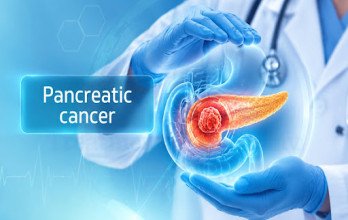
A pancreatic cancer diagnosis raises questions about treatment and what comes next. Pancreatic cancer treatment in Germany involves detailed diagnosis, personalised care, and follow-up based on the tumour's characteristics, the patient's health, and response to treatment.
Pancreatic Cancer Symptoms, Causes and Risk Factors

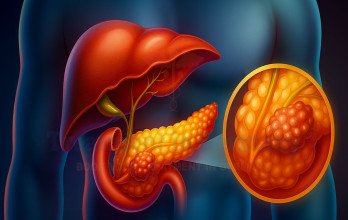
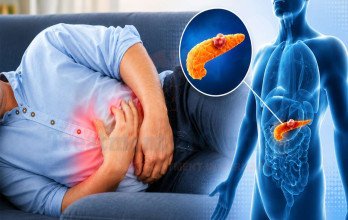
Early pancreatic cancer symptoms, causes, and risk factors often causes no obvious symptoms because the pancreas lies deep in the abdomen. Signs may appear as the tumour grows, affects nearby structures, or disrupts normal body functions.
Common warning signs include:
- Painless yellowing of the skin or eyes (jaundice), often with dark urine and pale stools.
- Upper abdominal pain that may spread to the back and often feels worse after eating or when lying down.
- Unintended weight loss and loss of appetite.
- New-onset diabetes, or diabetes that suddenly becomes hard to control, especially with weight loss.
Less common symptoms can still be meaningful, particularly in combination:
- Greasy, floating stools that are hard to flush (a sign of poor fat digestion).
- Nausea, bloating, or early fullness after small meals.
- Unexplained blood clots in a leg vein.
- Persistent itching, usually linked to blocked bile flow.
Pancreatic cancer risk increases with age, smoking, chronic pancreatitis, long-standing diabetes, and obesity [1].
Family history and genetic factors matter for a meaningful minority of patients:
- Inherited changes in BRCA1 or BRCA2, PALB2 or Lynch syndrome genes raise risk and can influence treatment choices later.
- A strong family history of pancreatic, breast, ovarian, or colorectal cancer is worth discussing with a specialist
- Hereditary pancreatitis carries a notably higher lifetime risk [1].
- Jaundice, persistent unexplained abdominal or back pain, or weight loss accompanied by new diabetes require medical evaluation, even when another cause is possible.
Types of Pancreatic Cancer

Pancreatic tumours differ in their origin, behaviour, and treatment. Different pancreatic cancer types, including adenocarcinoma and rare tumors arise from enzyme-producing pancreatic tissue. Pancreatic ductal adenocarcinoma accounts for over 90% of pancreatic cancers and is generally more aggressive than other subtypes [1].
Pancreatic neuroendocrine tumours (pNETs) are less common, often grow more slowly, and may produce hormones. They generally have a better prognosis and require different treatments than adenocarcinoma. The treatment approaches described below mainly apply to pancreatic ductal adenocarcinoma. Confirming the type through pathology is therefore essential before any plan is finalised.
Pancreatic Cancer Diagnosis and Staging
Tests

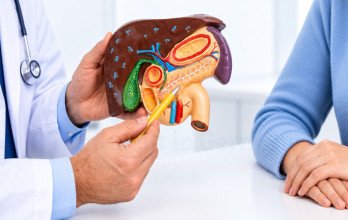
Comprehensive diagnosis and tests, including imaging, biopsy, and blood work, help confirm pancreatic cancer, identify its type and stage, and guide treatment.
- Blood tests and tumour markers: CA 19-9 may help monitor treatment response when elevated, but it cannot diagnose pancreatic cancer or serve as a standalone screening test. Normal levels do not rule out pancreatic cancer, particularly in people who are Lewis antigen-negative and produce little or no CA 19-9.
- Ultrasound: Helps identify bile duct blockage, particularly in patients with jaundice.
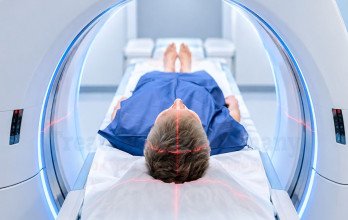
- CT and MRI: Pancreatic-protocol CT, sometimes supplemented by MRI or MRCP, shows tumour extent and nearby blood vessels.
- Endoscopic ultrasound (EUS): Examines the pancreas closely and allows guided biopsy.
- Biopsy and pathology: Confirm cancer type, with EUS-guided core-needle biopsy providing accurate tissue sampling [2].
- Molecular and biomarker testing: Identifies tumour or inherited genetic changes that may guide targeted therapy.

How diagnosis moves from first tests to a defined treatment plan.
Pancreatic Cancer Stages and Surgical Resectability
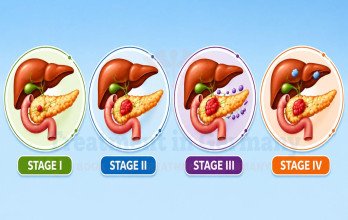
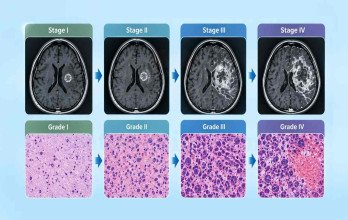
Pancreatic Cancer staging describes how far pancreatic cancer has spread. Surgeons also assess resectability to determine whether the tumour can be removed.
Stage I: disease is confined to the pancreas and may be removable with surgery.
Stage II: disease may involve a larger tumour or nearby lymph nodes and can still be resectable in some patients.
Stage III: the tumour may involve major nearby blood vessels or four or more regional lymph nodes. When it cannot be completely removed, some patients may be reassessed for surgery after systemic treatment.
Stage IV: cancer has spread to distant sites such as the liver, lungs, or the abdominal lining.
Tumours are classified as resectable, borderline resectable, or unresectable based on blood vessel involvement and surgical feasibility. This helps determine whether treatment begins with surgery, systemic therapy, or both.
 Share
of pancreatic cancer cases by stage at first diagnosis. Only around 15% of patients have localised disease at
diagnosis, while approximately 80% are not candidates for immediate surgery [3] [4].
Pancreatic Cancer Treatment Approaches in Germany

Most patients receive more than one type of treatment, selected and sequenced by a specialist team according to the cancer's stage, resectability, tumour biology, and the patient's overall health.
Pancreatic Cancer Surgery: Curative and Palliative
Pancreatic cancer surgery offers the best chance of long-term disease control when complete tumour removal is possible. The procedure depends on tumour location.
- Whipple procedure(pancreaticoduodenectomy): for tumours in the head of the pancreas; removes the head, part of the duodenum, and nearby structures.
- Distal pancreatectomy: for tumours in the body or tail, often with removal of the spleen.
- Total pancreatectomy: removes the whole pancreas in selected cases, with lifelong pancreatic enzyme replacement and insulin treatment afterwards.
- Minimally invasive surgery or vascular reconstruction: may be used in carefully selected patients, depending on tumour location and blood-vessel involvement.
- Bypass or stent procedures: relieve a blocked bile duct or stomach outlet when the tumour cannot be removed.
Some borderline-resectable or locally advanced tumours become operable after systemic treatment. Reassessment at an experienced pancreatic centre in Germany may identify surgical options, while palliative procedures can relieve symptoms.
Chemotherapy and Systemic Therapies for Pancreatic Cancer
Pancreatic cancer chemotherapy is central to pancreatic cancer treatment, with its timing depending on the disease stage.
- Neoadjuvant chemotherapy is given before surgery to treat possible microscopic disease, assess treatment response, and improve the chances of complete tumour removal
- Adjuvant chemotherapy reduces recurrence risk after surgery. Modified FOLFIRINOX (mFOLFIRINOX) is preferred for eligible patients, with a trial reporting median overall survival of 53.5 months versus 35.5 months with gemcitabine [13].
- For locally advanced disease, chemotherapy is a major part of treatment and may make surgery possible when the tumour responds well
- For metastatic disease, established first-line chemotherapy options for eligible patients include FOLFIRINOX, NALIRIFOX, and gemcitabine with nab-paclitaxel. NALIRIFOX is a standard combination chemotherapy regimen for patients who are fit enough to tolerate intensive treatment. For patients who cannot tolerate combination chemotherapy because of frailty, reduced physical fitness, or other medical conditions, single-agent chemotherapy such as gemcitabine alone may be considered based on their overall health and treatment goals.
In the phase 3 NAPOLI 3 trial involving metastatic pancreatic cancer, median overall survival was 11.1 months with NALIRIFOX versus 9.2 months with gemcitabine and nab-paclitaxel [14]. An observational study in borderline-resectable disease reported median overall survival of 19.8 months with neoadjuvant FOLFIRINOX versus 10.6 months with upfront surgery [5].These results reflect selected patients and cannot predict individual outcomes.
Radiation Therapy, Chemoradiation and SBRT Options
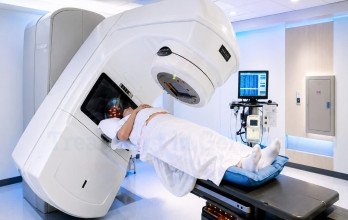
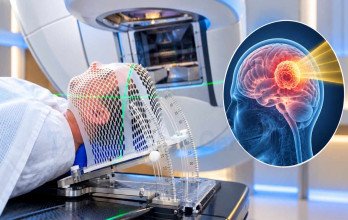
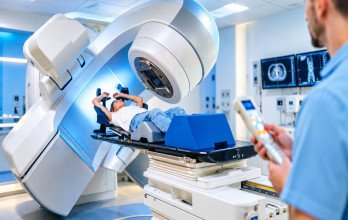
Radiation therapy for pancreatic cancer is used selectively rather than routinely. It can improve local tumour control in certain situations or relieve symptoms when a tumour affects nearby structures.
- It may be considered for locally advanced tumours that remain unresectable after chemotherapy, or as part of a combined plan in resectable or borderline-resectable disease.
- Chemoradiation pairs radiation with chemotherapy to improve local effect.
- Stereotactic body radiation therapy (SBRT) delivers precise, high-dose radiation over a few sessions, sparing surrounding tissue.
- Radiation can ease pain and control bleeding when symptom relief is the priority.
Pancreatic Cancer Targeted Therapies and Precision Medicine
Precision medicine uses genetic testing and tumour profiling to identify changes that may guide targeted therapy or immunotherapy in pancreatic cancer. Treatment options depend on the molecular findings, previous therapies, and disease stage.
- Molecular alterations: BRCA1/2, PALB2, MSI-H/dMMR and NTRK gene fusions may influence treatment choices.
- Targeted therapy: Maintenance olaparib may be considered for selected patients with metastatic pancreatic cancer and germline BRCA1/2 variants whose disease has not progressed after first-line platinum-based chemotherapy.
- Immunotherapy: May benefit selected patients with MSI-H or dMMR tumours.
A 2025 retrospective study identified actionable alterations in 20% of patients. Those receiving molecularly matched treatment had a median overall survival of 32.9 months from metastatic diagnosis. These observational findings suggest potential benefits but do not establish that matched treatment caused longer survival [6].
Innovative Treatment Options for Pancreatic Cancer in Germany

Innovative pancreatic cancer treatment options in Germany include dendritic cell therapy, TACE, TACP, and local ablation tools like
Dendritic Cell Therapy for Pancreatic Cancer Treatment in Germany
Dendritic cell therapy for pancreatic cancer is a personalised immune-based approach that uses the patient's own immune cells to help the immune system recognise cancer cells. These cells are collected from the blood, prepared in a laboratory, and given back as a vaccine. Dendritic cell vaccines have been studied alongside chemotherapy, with reported side effects including fever and injection-site reactions [7].
A 2025 phase I study evaluated dendritic cell vaccination combined with a CD40-activating antibody after FOLFIRINOX in patients with metastatic pancreatic cancer. The combination was generally well tolerated and increased immune activity, although measurable tumour shrinkage was not observed. This specific combination remains experimental, with further research needed to establish its clinical benefits [8].
TACE for Pancreatic Cancer (Transarterial Chemoembolisation) Treatment in Germany
TACE for pancreatic cancer is a minimally invasive, catheter-based procedure that delivers chemotherapy directly into arteries supplying a tumour, followed by tiny particles that reduce blood flow and help retain the drug in the treated area. In selected patients with pancreatic cancer, this specialised approach may be considered for liver metastases or unresectable disease, particularly when additional local treatment options are being explored.
Research from University Hospital Frankfurt has reported encouraging findings for TACE in pancreatic cancer liver metastases [9]. A 2026 retrospective study involving 150 patients with unresectable disease also reported promising outcomes with TACE alone or combined with microwave ablation. TACE is not a routine guideline-recommended treatment but may be considered in selected patients following specialist assessment [10].
TACP for Pancreatic Cancer (Transarterial Chemoperfusion) Treatment in Germany
TACP for pancreatic cancer delivers chemotherapy through tumour-feeding arteries without intentionally blocking blood flow and may limit systemic drug exposure. Research from Frankfurt on regional gemcitabine delivery for pancreatic cancer liver metastases has reported encouraging tolerability findings.
A 2024 systematic review of regional intra-arterial chemotherapy reported higher partial response rates and fewer complications than systemic chemotherapy in the included studies. Although these findings are encouraging, they do not establish the effectiveness of individual TACP protocols. TACP remains a specialised, non-standard treatment option for selected patients, with further research needed to confirm its benefits [11] [12].
Metastatic and Recurrent Pancreatic Cancer Treatment

When pancreatic cancer has spread, treatment focuses on controlling the disease, extending life, and maintaining comfort. About half of patients already have distant spread at diagnosis, most often to the liver [3].
- Stage IV pancreatic cancer: Stage 4 pancreatic cancer treatment options focus heavily on systemic therapy because the cancer has spread beyond the pancreas.
- Liver metastases: Chemotherapy is the primary treatment, while specialized pancreatic cancer with liver metastasis treatment options such as TACE may be considered after specialist assessment.
- Other metastatic sites: Spread to the lungs or abdominal lining is generally managed with systemic treatment.
Recurrent pancreatic cancer treatment depends on the location of recurrence, previous therapies, and the patient's overall health.
Supportive and palliative care is part of treatment at every stage, not only at the end of life. It includes pain control, sometimes with a nerve block called a coeliac plexus block, pancreatic enzyme replacement to improve digestion and weight, nutrition support, and help with fatigue and emotional wellbeing.
Pancreatic Cancer Survival Rates, Life Expectancy, and Prognosis
Overall
Factors affecting prognosis go beyond the stage number:
- Whether complete surgical removal is achieved, and the tumour margins afterwards.
- Response to treatment, assessed through imaging and, when CA 19-9 is elevated, changes in its level.
- Tumour biology, including targetable genetic changes.
- Overall health and ability to tolerate treatment.
Recurrence remains common, so long-term follow-up is part of the plan. Life expectancy is best discussed with the treating team once staging and the first response to treatment are known, because no two patients are the same.
Pancreatic Cancer Treatment Cost in Germany
The cost of Pancreatic Cancer Treatment in Germany varies depending on the individual treatment plan. The main factors include the type and number of treatments, such as surgery, chemotherapy, radiation therapy, or innovative procedures. Costs also depend on diagnostic tests, hospital stays, intensive care when needed, and supportive services such as nutritional care and side-effect management.
Why Choose Germany for Pancreatic Cancer Treatment?
Germany has a well-organised system for pancreatic cancer care, with specialist centres where surgeons, medical oncologists, radiation oncologists, radiologists, pathologists, and gastroenterologists plan treatment together.
- Certified pancreatic cancer centres: DKG-certified centres meet standards for specialist expertise, patient volumes, and multidisciplinary care.
- High surgical volumes: Experienced German hospitals perform complex pancreatic surgeries, with higher volumes linked to better outcomes.
- Experienced pancreatic cancer specialists in Germany: Access to specialised teams, advanced imaging, and molecular testing.
- Specialised treatment options: Dendritic cell therapy, TACE, and TACP may be considered for selected patients alongside standard care, where available.
- Access to clinical trials: Eligible patients may participate in pancreatic cancer research at German university hospitals.
- International patient support: Assistance with language, logistics, appointments, and treatment coordination.
Pancreatic Cancer Treatment Process in Germany
For international patients seeking treatment in Germany, the process commonly begins with a review of existing medical records before travel.
- Medical records and case review: reports, pathology, and imaging are assessed remotely, often producing an early opinion before travel.
- Diagnostic evaluation: any missing tests, such as updated imaging, biopsy, or molecular profiling, are completed on arrival.
- Multidisciplinary treatment planning: the tumour board agrees a personalised plan.
- Treatment: surgery, chemotherapy, radiation, or innovative therapy proceeds as scheduled.
- Monitoring and follow-up: response is tracked with imaging and CA 19-9, and the plan is adjusted as needed.
- Post-treatment care: recovery support, nutrition, and a follow-up schedule are arranged, including handover to the home physician.

For international patients considering pancreatic cancer treatment in Germany, Treatment in Germany (TIG) can help arrange a review of medical records, imaging, pathology reports, and previous treatments by experienced German specialists. TIG also coordinates specialist consultations or second opinions and provides complete logistical support, including appointments and travel arrangements. Treatment recommendations and medical decisions remain with the treating German medical team.
References
Why Patients Worldwide Prefer Our Medical Services in Germany – Key Benefits Explained
International patients planning pancreatic cancer treatment in Germany may need support with hospital consultations, medical documentation, translations, and travel arrangements. TIG GmbH helps coordinate these practical steps and communication with healthcare providers according to each patient's needs and the services agreed.

The table above compares the support and coordination services offered through TIG GmbH with the arrangements patients may need to manage when booking directly with a clinic.























.webp)
 (1).webp)

.webp)

.jpg)

 (1).webp)
.jpg)