

The Whipple procedure is a major operation used for selected pancreatic tumours, with suitability depending on resectability, tumour characteristics, and the patient’s overall condition. This article covers surgical approaches, preparation, resection and reconstruction, vascular involvement, recovery, complications, nutrition, enzyme replacement, follow-up, costs, and treatment considerations for international patients undergoing surgery in Germany.
Whipple Procedure for Pancreatic Cancer in Germany: Eligibility, Surgery and Recovery
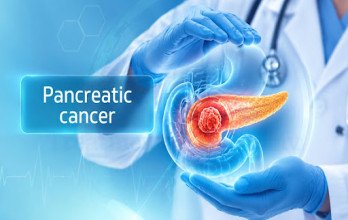
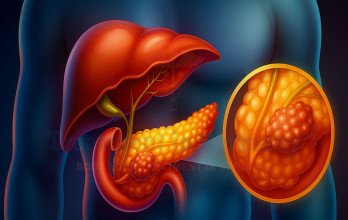
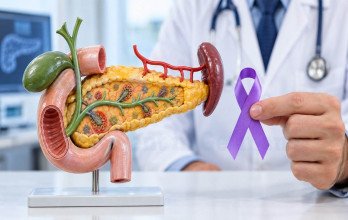
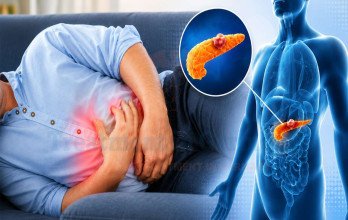
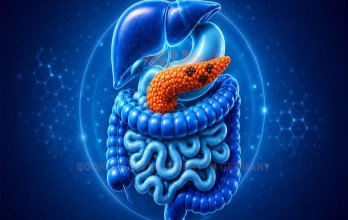
The Whipple procedure, also called pancreaticoduodenectomy, is a major surgical procedure primarily used to treat tumours in the head of the pancreas. It is an important part of pancreatic cancer treatment in Germany for selected patients, although eligibility depends on the tumour, the extent of disease, and the patient's overall health. It involves removing the affected part of the pancreas along with surrounding structures and reconstructing the digestive tract. Recovery and further treatment are planned according to the individual situation.
Indications for Whipple Surgery in Pancreatic Cancer

The Whipple procedure is primarily indicated for malignant or benign tumors located specifically in the head or uncinate process of the pancreas. Tumours in the body or tail typically require alternative surgical interventions, such as a distal pancreatectomy. Clinically, the procedure is indicated when imaging and diagnostics suggest that complete, margin-negative surgical removal is possible without untreatable distant metastasis.
Eligibility for Whipple Procedure in Pancreatic Cancer
While anatomical location defines the surgical indication, an individual's actual eligibility for the procedure depends on a comprehensive clinical evaluation rather than cancer stage alone. Multidisciplinary teams determine a patient's candidacy based on:
- Vascular Involvement: The relationship of the tumor to major blood vessels (Selected portal or superior mesenteric venous involvement may be amenable to venous resection and reconstruction at experienced pancreatic surgery centers, however arterial involvement can substantially affect resectability and operative strategy).
- Overall Physical Fitness: Cardiac, pulmonary, and general metabolic health to withstand a major abdominal operation.
- Nutritional Status: Weight loss, malnutrition, sarcopenia and pancreatic exocrine or endocrine dysfunction is assessed and, when possible, optimized before surgery because nutritional and functional status highly affects the perioperative recovery.
- Multidisciplinary Review: Comprehensive assessment of imaging, pathology, and fitness by a specialized tumor board.
Tumor Resectability and Surgical Candidacy
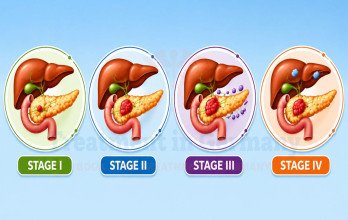
Resectability is a central consideration when planning a Whipple procedure. Surgery may be considered when the tumour can be removed completely on imaging without unreconstructable involvement of major blood vessels and without distant metastatic disease, with the aim of achieving tumour-free surgical margins. Borderline-resectable pancreatic cancer may be treated with systemic therapy, with or without radiation in selected cases, before surgery to assess tumour response and improve the likelihood of complete resection. Venous involvement may require vascular resection and reconstruction in appropriately selected patients at experienced centres [3].
Whipple Surgery Types and Surgical Approaches
Several surgical approaches and recognised variants of the Whipple procedure may be used depending on individual clinical and anatomical factors. The principal variations include whether the distal stomach or pylorus is resected or preserved and whether the operation is performed through an open, laparoscopic, or robotic approach.
Classic Whipple Procedure
In the classic operation, the surgeon removes the head of the pancreas with the duodenum, the gallbladder, part of the bile duct, and the lower part of the stomach, along with nearby lymph nodes. Resection of the distal stomach distinguishes the classic Whipple procedure from the pylorus-preserving approach.

Pylorus-Preserving Whipple Procedure
The pylorus-preserving Whipple retains the pylorus and preserves the stomach. This approach may be selected based on tumor anatomy, oncologic considerations, reconstruction requirements, patient factors, and the surgeon’s experience and preferred technique. Compared with the classic Whipple procedure, overall oncological outcomes and complication rates are broadly comparable, although differences in delayed gastric emptying have been reported [1].

Open and Minimally Invasive Whipple Surgery
The open Whipple, through a single larger incision, remains the established approach for complex cases. Minimally invasive approaches, including laparoscopic and robotic pancreaticoduodenectomy, may be considered for selected patients. Their suitability depends on tumour characteristics, vascular anatomy, patient factors, and the experience of the surgical team and treating centre.

Preoperative Assessment and Preparation for Whipple Surgery
Preoperative assessment is designed to confirm surgical suitability, define the operative approach, and optimize the patient's condition before major pancreatic surgery. It usually includes:
- A review of existing imaging and pathology, with extra CT or MRI or additional imaging when clinically indicated to further characterize the tumor, liver, biliary tract or vascular anatomy.
- Blood tests and a general fitness assessment, including anaesthetic review.
- Nutritional assessment to identify malnutrition, significant weight loss, sarcopenia, or other nutritional risk, with appropriate nutritional support and optimization when indicated.
- Relieving jaundice and assessment for biliary obstruction and selective preoperative biliary drainage when clinically indicated.
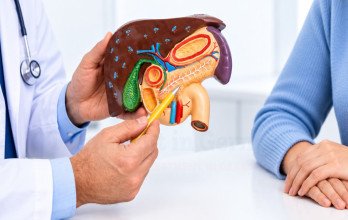
Multidisciplinary assessment integrates imaging, pathology, surgical feasibility, anaesthetic risk, nutritional status, and other relevant clinical factors to guide treatment planning before surgery. For international patients, medical records and pre-treatment arrangements can be coordinated before travel.
Resection and Reconstruction in Whipple Surgery
The Whipple procedure involves two main components: resection of the affected pancreatic and surrounding structures, followed by reconstruction of the pancreatic, biliary, and gastrointestinal pathways.

Organs and Tissues Removed During Whipple Surgery
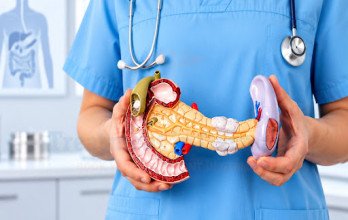
The removed specimen centres on the head of the pancreas but includes several attached structures [4]:
- The head of the pancreas and the nearby uncinate process.
- The duodenum, the first part of the small intestine.
- The gallbladder and part of the bile duct.
- Regional lymph nodes, and part of the stomach in a classic Whipple.
The exact extent of resection may vary according to tumour characteristics and the surgical approach.
Digestive Reconstruction After Whipple Surgery
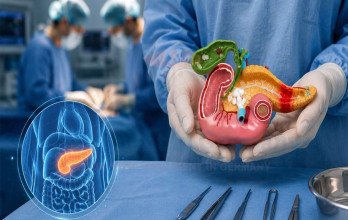
After resection, reconstruction restores the continuity of the pancreatic, biliary, and gastrointestinal systems. The pancreatic remnant, bile duct, and stomach or duodenum, depending on the surgical technique, are connected to the small intestine through separate anastomoses. In selected pylorus-preserving techniques, the preserved stomach and pylorus are reconstructed to the jejunum.

Surgical Steps of the Whipple Procedure
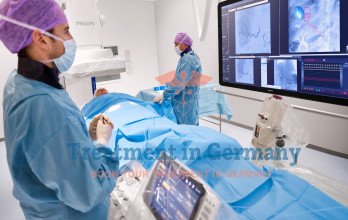
The operation follows a deliberate sequence rather than a fixed set of numbered steps. After opening the abdomen, the surgeon confirms the tumour can be removed, frees the organs from surrounding tissue and vessels, divides and removes the specimen with regional lymph nodes, reconstructs the digestive route, and checks for bleeding and leaks before closing.

Vascular Involvement in Whipple Surgery
The pancreatic head is closely related to the portal vein and superior mesenteric vein, and tumours in this region may abut or involve these vessels. In selected patients with involvement of the portal vein or superior mesenteric vein, vascular resection and reconstruction may be performed as part of pancreatic resection when technically feasible and when complete tumor removal remains achievable and should be assessed by an experienced multidisciplinary pancreatic surgery team with appropriate hepatopancreatobiliary and vascular expertise; venous involvement is therefore evaluated individually rather than considered an automatic contraindication to resection [3].
Hospital Recovery After Whipple Surgery

Immediate postoperative care involves close monitoring and supportive management while the patient recovers from major pancreatic surgery.
- Pain control and gentle early movement to prevent complications.
- Care of surgical drains and monitoring of the surgical site.
- A gradual, guided return to eating, with watchfulness for early problems.
Discharge is planned once oral intake, pain control, and mobility are adequate, with the length of hospital stay depending on the complexity of surgery, postoperative complications, and the patient's overall condition.
Complications and Side Effects After Whipple Surgery
As with other major abdominal operations, pancreaticoduodenectomy can be associated with both early postoperative complications and longer-term effects may include changes in pancreatic exocrine and endocrine function and gastrointestinal symptoms. The type and severity of these effects vary according to the individual patient and the postoperative course.
Early Complications After Whipple Surgery
Postoperative pancreatic fistula is one of the most important complications after pancreaticoduodenectomy. It results from leakage of pancreatic fluid from the pancreatic anastomosis or resection surface and can lead to intra-abdominal infection, bleeding, prolonged hospital stays, or the need for additional interventions in clinically significant cases [2]. Teams also watch for several other early issues:
- Delayed gastric emptying, where the stomach is slow to empty.
- Post-operative bleeding and bile leakage or other anastomotic leakage.
- Infection, intra-abdominal collections, and wound problems.
- Blood clots, which is why prevention starts early.
Digestive and Metabolic Changes After Whipple Surgery
Removing part of the pancreas and reconstructing the digestive tract can alter digestive function. Exocrine pancreatic insufficiency may occur after pancreaticoduodenectomy and can result in inadequate digestion and nutrient absorption. Pancreatic enzyme replacement therapy may be prescribed when clinically indicated. Reduction in pancreatic endocrine function may alter glucose regulation. Depending on the amount and function of the remaining pancreatic tissue, new-onset diabetes may develop or pre-existing diabetes may become more difficult to control, so nutrition and glucose are monitored after surgery [4].
Long-Term Recovery and Nutrition After Whipple Surgery

Recovery continues after hospital discharge and may involve gradual changes in diet, nutritional monitoring, and management of pancreatic function. Individual recovery needs depend on the extent of surgery, digestive function, and overall nutritional status.
Eating and Daily Nutrition After Whipple Surgery
Oral intake is gradually advanced according to postoperative recovery and gastrointestinal function. Smaller, more frequent meals may be better tolerated, particularly in patients with reduced appetite, early satiety, or difficulty maintaining adequate calorie and protein intake.
- Eat smaller meals more often, and add snacks between them.
- Prioritise protein and calories to prevent unintended weight loss.
- Adjust the diet gradually with dietitian input and regular nutritional checks.
Pancreatic Enzyme Replacement Therapy
When the pancreas does not produce sufficient digestive enzymes, impaired digestion may contribute to symptoms such as greasy stools, bloating, and unintended weight loss. Pancreatic enzyme replacement therapy may be prescribed for patients with exocrine pancreatic insufficiency and is recommended for patients with clinically significant pancreatic exocrine insufficiency and is adjusted according to symptoms, dietary intake, nutritional status, and clinical response. Enzyme capsules are generally taken with meals and snacks, with the dose adjusted according to symptoms, dietary intake, nutritional status, and clinical response [4].
Pathology Results After Whipple Surgery
After surgery, the removed specimen is examined in detail. The pathologist assesses the tumour, the regional lymph nodes, and the surgical margins: a clear edge is termed R0, while microscopic cancer at the edge is R1. These pathological findings contribute to postoperative treatment planning, including decisions regarding adjuvant therapy and ongoing follow-up.
Follow-Up and Further Treatment After Whipple Surgery
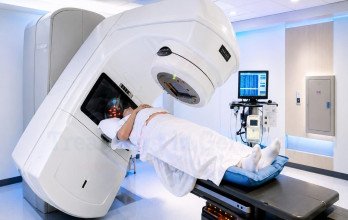
Follow-up combines surgical review, the pathology result, imaging, and nutritional monitoring where needed. Depending on the final pathology and overall clinical situation, further treatment such as adjuvant chemotherapy for pancreatic cancer may be considered by the multidisciplinary team. For international patients undergoing Whipple surgery in Germany, postoperative follow-up and ongoing surveillance can be coordinated with the patient's treating doctors in their home country.
Factors That Influence Whipple Surgery Outcomes
Outcomes after a Whipple procedure are influenced by tumour and pathology findings, the completeness of resection, postoperative complications, nutritional status, overall physical condition, and the complexity of the operation. Institutional experience and surgical volume are also important considerations in major pancreatic surgery. These factors can influence surgical and postoperative outcomes but cannot predict the outcome for an individual patient.
Whipple Surgery in Germany for International Patients

Specialist pancreatic and hepatopancreatobiliary teams in Germany can review available imaging, pathology reports, and other relevant medical records before travel to assess surgical suitability and support pre-admission treatment planning.
- Coordination of hospital admission, surgery scheduling, and interpreter suppor
- Postoperative coordination and follow-up arrangements for the journey home.
For international patients seeking treatment, submitting complete medical records and imaging before travel can help the treating team assess the case and plan the next steps.
How can a German specialist assess my Whipple surgery options?
A specialist review can help clarify surgical feasibility, the proposed Whipple procedure, and whether factors such as vascular involvement could affect the complexity of surgery.
TIG GmbH (Treatment in Germany) can help facilitate medical-record and imaging review, connect suitable patients with relevant pancreatic surgery specialists, and coordinate specialist consultations where applicable. The German medical team remains responsible for surgical assessment, treatment recommendations and clinical care.
Whipple Surgery Cost in Germany
The cost of Whipple surgery in Germany can vary according to the complexity of the procedure, the possible need for vascular reconstruction, the length of hospital stays, and the level of postoperative or intensive care required.
References
Why Patients Worldwide Prefer Our Medical Services in Germany – Key Benefits Explained
International patients planning pancreatic cancer treatment in Germany may need support with hospital consultations, medical documentation, translations, and travel arrangements. TIG GmbH helps coordinate these practical steps and communication with healthcare providers according to each patient's needs and the services agreed.

The table above compares the support and coordination services offered through TIG GmbH with the arrangements patients may need to manage when booking directly with a clinic.
















.webp)
 (1).webp)

.webp)


.jpg)

 (1).webp)

.jpg)