
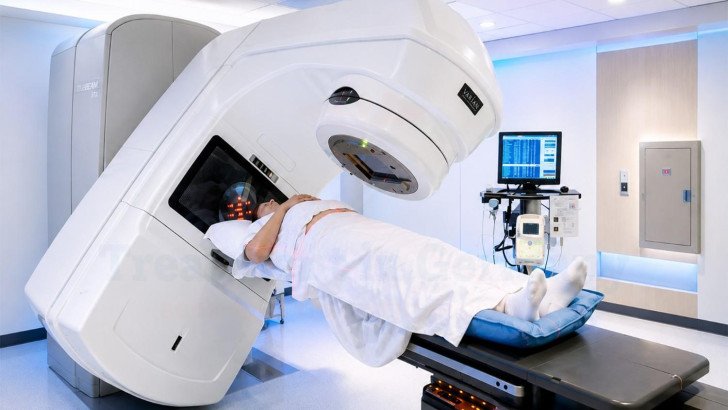
Radiation therapy may play a role in the treatment of pancreatic cancer by helping control local disease or relieve symptoms in selected patients. Treatment depends on the cancer stage, tumour location, response to systemic therapy, and overall treatment goals. This article explains available radiation techniques, treatment planning, schedules, possible side effects, recovery, and options for international patients seeking treatment in Germany.
Radiation Therapy for Pancreatic Cancer in Germany
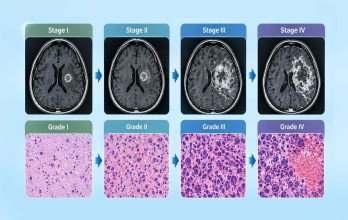
Radiation therapy uses high-energy rays to treat pancreatic cancer within a defined area. While it is not appropriate for every patient, it may help control local disease or relieve cancer-related symptoms in selected clinical situations. Its role depends on several factors, including the stage and extent of the cancer, tumour characteristics, previous or planned treatments, and the overall management strategy.
Radiation Therapy in Pancreatic Cancer Treatment

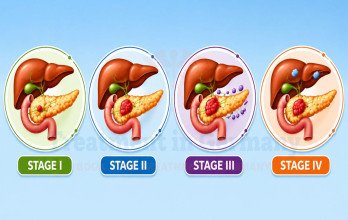
Radiation is used selectively as part of pancreatic cancer treatment in Germany, according to pancreatic cancer stages, resectability, treatment goals, response to systemic therapy, and patient-specific factors.Radiation therapy may be incorporated into treatment for borderline resectable pancreatic cancer and locally advanced disease, usually as part of a multidisciplinary treatment strategy and according to tumour resectability, response to systemic therapy, and individual clinical factors.
- Before pancreatic cancer surgery in selected patients, particularly in borderline resectable disease, to improve local control and increase the likelihood of achieving a margin-negative resection.
- After surgery in selected patients, particularly when specific pathological and clinical factors support its use as part of the overall postoperative treatment strategy.
- Combined with chemotherapy in selected treatment settings, where concurrent chemotherapy may enhance the effect of radiation on the treated tumour area.
- For local control for selected patients with locally advanced disease that cannot be completely removed surgically.
- As palliative treatment to relieve cancer-related symptoms such as pain, bleeding, or obstruction in selected patients.
It is not always the preferred option. In widely metastatic pancreatic cancer, systemic therapy generally remains the primary treatment approach, while radiation may still be used selectively for symptom relief or control of specific disease sites. The decision rests with a multidisciplinary team weighing the whole picture.
Radiation Treatment Options for Pancreatic Cancer
External beam radiation therapy and stereotactic body radiation therapy are the principal radiation approaches used in pancreatic cancer, although the appropriate technique depends on the treatment objective, tumour location, disease stage, and ability to meet normal tissue safety constraints.

The two main radiation approaches for pancreatic cancer and their typical treatment use.
External Beam Radiation Therapy
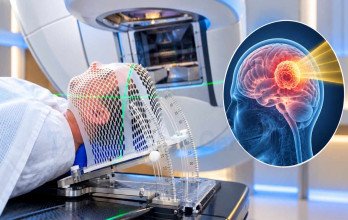
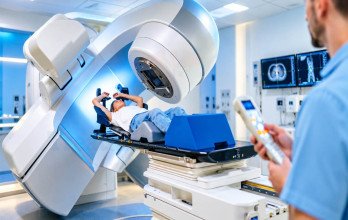
External beam radiation therapy delivers beams from outside the body, shaped closely to the tumour while limiting radiation exposure to nearby normal tissues as much as clinically feasible. Modern external beam radiation may use techniques such as intensity-modulated radiation therapy (IMRT) or volumetric modulated arc therapy (VMAT) to shape the radiation dose around the treatment target and limit exposure to nearby normal tissues. Three-dimensional conformal radiation therapy may still be used in selected circumstances, while image guidance helps verify patient and target positioning before or during treatment according to the treatment technique and institutional protocol.
Stereotactic Body Radiation Therapy
Stereotactic body radiation therapy (SBRT) delivers a higher dose in far fewer sessions, tightly focused on the tumour. SBRT may be considered for selected patients with locally advanced or unresectable pancreatic cancer and can provide local disease control, although reported outcomes vary according to patient selection, radiation dose, treatment technique, follow-up duration, and the use of systemic therapy. Because the stomach, duodenum, and small bowel may lie close to the pancreas, careful patient selection and adherence to normal tissue dose constraints are essential when SBRT is considered [1] [2].
Specialized Radiation Techniques
Specialized radiation techniques, including proton therapy, may be considered in selected circumstances, but their availability and clinical role in pancreatic cancer remain limited compared with established external beam techniques, and treatment selection should be based on individual anatomy, treatment objectives, available expertise, and supporting clinical evidence. These approaches are not suitable for every patient and are far less commonly used than external beam radiation and SBRT.
Pancreatic Cancer Radiation Treatment Planning Process
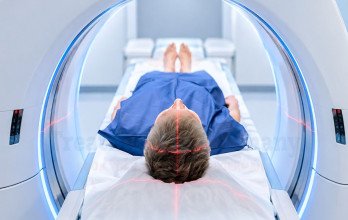
Careful planning happens before any treatment is delivered, and it is what makes precise radiation possible. Treatment planning begins with a review of diagnostic imaging and relevant clinical information to define the treatment target and assess its relationship to nearby organs at risk.

The main steps in planning pancreatic radiation before the first session.
During CT simulation, the patient is positioned in a reproducible treatment position, and appropriate immobilisation or positioning devices may be used according to the treatment technique. The treatment plan defines the radiation dose and treatment schedule while limiting exposure to nearby organs at risk, including the stomach, duodenum, small bowel, kidneys, liver, and spinal cord when relevant. Because the pancreas and surrounding organs can move with breathing, motion-management methods may be used to account for this movement, while image guidance and quality assurance procedures help support accurate treatment delivery [3] [4].
Pancreatic Cancer Radiation Schedule and Sessions

There is no single treatment schedule, because the number of sessions depends on the clinical setting, treatment objective, prescribed dose, and radiation technique. External beam radiation is generally delivered over multiple treatment sessions, whereas SBRT uses a smaller number of highly focused fractions. This difference in fractionation, how the total dose is split, is why treatment length varies so much between patients [2].
The radiation delivery itself may be relatively brief, but the total appointment is longer because it includes positioning, imaging, verification, and, when required, motion-management or adaptive-planning procedures. The team monitors response and side effects throughout the course, and the overall duration reflects the plan rather than a fixed rule.
Chemoradiation and Combined Treatments for Pancreatic Cancer
Chemoradiation combines radiation therapy with chemotherapy for pancreatic cancer, with certain chemotherapy drugs given concurrently to enhance the effect of radiation. Depending on the disease stage and treatment objective, radiation may be used before surgery, after systemic therapy, after surgery in selected circumstances, or as definitive local treatment when surgery is not planned. The treatment sequence depends on tumour resectability, disease stage, response to previous treatment, and the overall treatment objective.
The overall cost depends on the treatment schedule, number of sessions, whether chemotherapy is given at the same time, and which hospital services are included. Pancreatic cancer treatment costs in Germany can therefore vary between treatment plans and providers.
Side Effects of Pancreatic Cancer Radiation Therapy

Side effects of pancreatic cancer radiation therapy vary depending on the treatment technique, radiation dose, and the areas surrounding the tumour. Most side effects are temporary and can be managed with supportive care, while less common long-term effects may involve nearby organs.
Common Short Term Side Effects
Most short-term effects build up during the course and settle in the weeks afterwards. They are usually manageable with supportive care:
- Fatigue, often the most noticeable effect.
- Nausea and appetite changes.
- Abdominal discomfort and bowel changes such as looser stools.
- Mild skin reactions may occur but are generally less prominent with modern radiation techniques for pancreatic cancer.
Long Term Effects and Potential Complications
Less common late effects may involve the stomach, duodenum, small bowel, or other nearby tissues. The individual risk depends on the radiation dose, treatment technique, tumour location, previous treatment, and exposure of surrounding organs.
Recovery and Managing Side Effects
Supportive care during and after radiation therapy focuses on managing treatment-related symptoms, maintaining nutrition and hydration, and identifying complications that require medical attention.
- Regular symptom monitoring by the treating team.
- Attention to nutrition and hydration to maintain strength.
- Supportive medicines for nausea or bowel symptoms.
- Follow-up after treatment, with prompt review if symptoms worsen.
Radiation Oncology Expertise for Pancreatic Cancer in Germany

Delivering pancreatic radiation safely takes both experience and technology, and German centres combine the two within a coordinated team. At centres providing multidisciplinary pancreatic cancer care, radiation oncologists work alongside other specialists to coordinate treatment decisions.
- Coordination between radiation and medical oncologists, surgeons, radiologists, and gastroenterologists.
- Radiation treatment approaches selected according to the patient's tumour characteristics and treatment objectives.
- Coordination of radiation therapy with surgery, systemic treatment, and supportive care.
The timing, technique, and dose of radiation are determined according to the patient's disease status, treatment objective, and overall clinical situation.
Radiation Therapy Consultation in Germany for Pancreatic Cancer
Patients considering pancreatic cancer radiation therapy in Germany can have their imaging and treatment history reviewed by a specialist radiation oncology team to assess the appropriate treatment approach. For International patients considering pancreatic cancer treatment in Germany, medical records and imaging can also be reviewed before travelling to Germany to support specialist assessment and treatment planning.
How can I get a specialist opinion on pancreatic cancer radiation therapy in Germany?
A specialist review can assess the disease extent, previous treatment and treatment goals to determine whether radiation therapy may be appropriate.
TIG GmbH (Treatment in Germany) can help facilitate medical-record and imaging review, connect suitable patients with relevant radiation oncology specialists, and coordinate specialist consultations where applicable. The German medical team remains responsible for treatment recommendations and clinical care.
References
Why Patients Worldwide Prefer Our Medical Services in Germany – Key Benefits Explained
International patients planning pancreatic cancer treatment in Germany may need support with hospital consultations, medical documentation, translations, and travel arrangements. TIG GmbH helps coordinate these practical steps and communication with healthcare providers according to each patient's needs and the services agreed.

The table above compares the support and coordination services offered through TIG GmbH with the arrangements patients may need to manage when booking directly with a clinic.





















.webp)
 (1).webp)
.webp)

.jpg)

 (1).webp)
.jpg)