

Pancreatic cancer chemotherapy may be used before or after surgery or when the cancer cannot be removed. Treatment can include FOLFIRINOX, gemcitabine-based regimens, and NALIRIFOX, depending on the disease and the patient’s overall condition. It also covers treatment cycles, monitoring, side effects, recovery, and how chemotherapy is coordinated within specialist pancreatic cancer care in Germany.
Pancreatic Cancer Chemotherapy Treatment in Germany
Chemotherapy plays a central role in pancreatic cancer treatment in Germany, whether it is used before or after surgery or when the cancer cannot be removed. The regimen, treatment schedule, and expected side effects can vary depending on the pancreatic cancer stages, treatment goals, and the patient's overall condition.
Chemotherapy as Part of Pancreatic Cancer Treatment

Chemotherapy may be used at different stages of pancreatic cancer treatment, and its purpose depends on the clinical setting.
- Before surgery: in selected patients, to treat the cancer early and, in some cases, improve the chance of successful surgery.
- After surgery: to reduce the risk of the cancer coming back.
- For locally advanced or unresectable disease: without distant metastases, systemic chemotherapy is generally the principal initial treatment.
- For metastatic disease: to control the cancer and ease symptoms.
Because the goal differs, so does the choice of regimen, which is matched to the setting and to the individual rather than applied uniformly. This is why two people with pancreatic cancer may be offered quite different treatment.
Pancreatic Cancer Chemotherapy Options and Regimens
Several established regimens are used across different clinical settings, varying in intensity and tolerability. The following overview outlines the primary options:

The main chemotherapy regimens and where they typically fit.
Combination Chemotherapy Regimens
Combination chemotherapy regimens are generally more intensive and are often considered for patients who are well enough to tolerate them. The most appropriate option depends on the stage of the cancer, previous treatment, overall health, and the expected balance between potential benefit and side effects. In clinical studies, several multi-drug regimens have shown important benefits for patients with metastatic pancreatic cancer. For example, the NAPOLI-3 trial reported a median overall survival of 11.1 months with NALIRIFOX compared with 9.2 months with gemcitabine plus nab-paclitaxel. Survival results from FOLFIRINOX trials have also shown meaningful benefit, although results from separate studies should not be treated as direct head-to-head comparisons [1] [2].
Gemcitabine Based Chemotherapy
Gemcitabine remains a valuable backbone, used alone or in combination. Single-agent gemcitabine is gentler and is considered when a patient is less fit or when a combination would be too harsh, while gemcitabine with nab-paclitaxel is another widely used combination regimen for patients who can tolerate combination treatment. It has a different side-effect profile from FOLFIRINOX, and the choice between these regimens depends on the patient's overall health, treatment goals, and individual clinical factors [3]. This allows treatment to be tailored to the patient's condition and treatment needs.
Chemotherapy Regimen Selection
Regimen selection depends on the characteristics of the cancer and the patient's overall condition. The main factors are:
- Disease extent, resectability, and any previous treatment.
- Performance status, general health, and organ function.
- The treatment goal, and how well the person is likely to tolerate side effects.
These factors help determine treatment intensity and whether the plan needs to change over time.
Chemotherapy Before and After Pancreatic Cancer Surgery
Chemotherapy may be used either before or after pancreatic cancer surgery, depending on how advanced the cancer is and the overall treatment plan. The purpose and timing of treatment can differ between these two settings.
Chemotherapy Before Surgery
Neoadjuvant chemotherapy (treatment given before surgery) is used in borderline-resectable and selected resectable disease to treat microscopic spread early. Response is assessed with imaging, while blood tests help monitor treatment and the patient's condition, so chemotherapy and the operation are planned as one strategy rather than in isolation.
Chemotherapy After Surgery
Adjuvant chemotherapy (treatment given after surgery) follows the operation to lower the risk of recurrence and is usually recommended once the patient has recovered. In the trial that set the standard, adjuvant modified FOLFIRINOX extended median overall survival to about 53.5 months compared with 35.5 months for gemcitabine, which is why it is preferred when tolerated. Treatment typically runs for around six months, with the regimen chosen to fit the patient's recovery and fitness [4].
Chemotherapy for Advanced and Metastatic Pancreatic Cancer

When the cancer cannot be removed or has spread, chemotherapy becomes the main treatment, with the goal of controlling disease, extending life, and easing symptoms. Combination chemotherapy is often used first-line in patients with good performance status, while less intensive treatment may suit those unable to tolerate it. If the disease progresses or the first regimen is no longer tolerated, a different later-line treatment may be offered, guided by what came before and by the patient's current fitness. The aim throughout is meaningful control balanced against quality of life [1] [2].
Pancreatic Cancer Chemotherapy Cycles and Treatment Monitoring
Chemotherapy is given in cycles, with treatment followed by a recovery interval before the next round, and the number of planned cycles depends on the regimen, the response, and how well it is tolerated. There is no single universal course length.

The rhythm of a chemotherapy cycle, repeated and reviewed over the course.
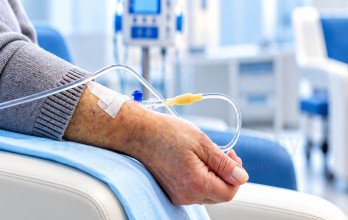
Blood tests before each cycle check blood counts and organ function, while imaging at intervals assesses the tumour's response. If side effects are heavy or counts are low, the dose may be reduced or a cycle delayed, and a regimen can be changed if it stops working or becomes hard to tolerate. Many chemotherapy treatments are delivered in an outpatient setting after clinical assessment and laboratory review, although the exact process varies by regimen and may include intravenous treatment, oral medication, or prolonged ambulatory infusion.
Side Effects and Recovery During Pancreatic Cancer Chemotherapy

Chemotherapy can cause side effects that vary depending on the drugs used and how each patient responds to treatment. Managing these effects and allowing time for recovery are important parts of the treatment process.
Common Side Effects During Pancreatic Cancer Chemotherapy
Side effects vary by regimen, but several are common and mostly manageable:
- Fatigue, nausea and vomiting, and appetite changes.
- Diarrhoea or constipation, and taste or eating changes.
- Low blood counts, neutropenia, anemia, and thrombocytopenia; neutropenia can increase the risk of serious infection.
- Peripheral neuropathy, meaning tingling or numbness in the hands and feet, and some hair thinning.
Managing Chemotherapy Side Effects
Many side effects can be managed with supportive care, although treatment may need to be adjusted if they become severe. Supportive medicines control nausea and other symptoms, blood counts are monitored to identify treatment-related changes that may increase the risk of infection, and nutrition and hydration are supported throughout. Where a specific effect such as neuropathy becomes troublesome, the dose is modified, and any fever or severe symptom is a prompt for urgent medical review rather than watchful waiting.
Recovery Between Chemotherapy Cycles
The interval between cycles allows blood counts and the body to recover before the next treatment. How quickly that happens varies from person to person, and lingering side effects can influence the timing or dose of the next cycle. Good recovery between cycles is part of keeping treatment both effective and tolerable.
Specialist Pancreatic Cancer Chemotherapy Care in Germany
International Patients seeking chemotherapy in Germany can have their pathology, imaging, previous treatment and current medical records reviewed by a specialist oncology team. This can help clarify the appropriate chemotherapy approach, treatment goals and how chemotherapy may fit into the wider treatment plan.
The cost of chemotherapy can vary according to the drug combination, number of cycles, method of administration, supportive medicines, and hospital services included. Pancreatic cancer treatment costs in Germany provide guide figures and explain what may be included in different treatment packages.
How can I get a specialist opinion on pancreatic cancer chemotherapy in Germany?
A specialist review can help clarify chemotherapy options, previous treatment response, treatment suitability and whether the proposed regimen needs to be reconsidered based on the patient's current condition.
TIG GmbH (Treatment in Germany) can help facilitate medical-record review, connect suitable patients with relevant oncology specialists, and coordinate specialist consultations where applicable. The German medical team remains responsible for treatment assessment, recommendations and clinical care.
References
Why Patients Worldwide Prefer Our Medical Services in Germany – Key Benefits Explained
International patients planning pancreatic cancer treatment in Germany may need support with hospital consultations, medical documentation, translations, and travel arrangements. TIG GmbH helps coordinate these practical steps and communication with healthcare providers according to each patient's needs and the services agreed.

The table above compares the support and coordination services offered through TIG GmbH with the arrangements patients may need to manage when booking directly with a clinic.























.webp)
 (1).webp)
.webp)

.jpg)

 (1).webp)
.jpg)