
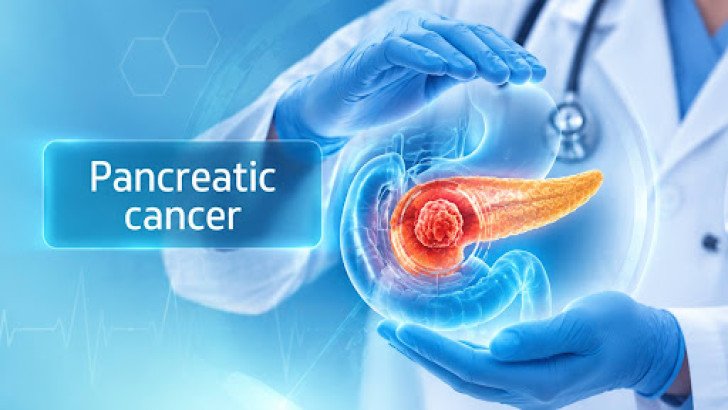
Pancreatic cancer treatment costs in Germany vary according to the treatment pathway and services required. This article covers guide prices for surgery, chemotherapy, chemoradiation and specialised procedures, explains diagnostic and staging costs, outlines what a German treatment quotation may include, and shows how to compare pancreatic cancer centres by experience, capabilities and cost transparency.
Pancreatic Cancer Treatment Costs and Leading Centers in Germany
Pancreatic cancer treatment in Germany does not have one fixed price. Costs depend on the treatment pathway, which may include surgery, chemotherapy, radiation, hospital care, interventional procedures or specialised therapies. The extent of disease and whether the tumour can be removed can also affect the overall cost. Published prices are only indicative; the final quotation depends on your medical records and proposed treatment plan.
Pancreatic Cancer Treatment Costs in Germany
The prices below come from current German-market and package listings rather than national fixed rates. Each figure is labelled according to what it covers. Per-session prices and complete-course prices should not be treated as directly comparable.

Read these as guide prices, not quotes. TACE and TACP are charged per session, and your doctor decides how many sessions you need. The NanoKnife figure is a starting price. Where a hospital cannot offer a fixed package for your situation, you will need an individual quotation.
Pancreatic Cancer Costs Across Different Treatment Pathways
Two patients may receive different quotations for the same operation because the surrounding care can differ. Diagnostic tests, hospitalisation, pathology, additional treatment and postoperative care can all affect the total cost.
Potentially Resectable Disease
Initial costs may include diagnostic assessment, surgical planning, the operation, hospitalisation, pathology and postoperative care. Additional treatment is often quoted separately, particularly when it depends on findings after surgery.
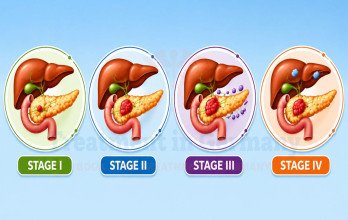
Borderline Resectable and Locally Advanced Disease
Costs may increase when the treatment plan involves additional imaging, treatment before surgery, reassessment or radiation. If surgery is later considered, its complexity can also affect the quotation. Hospitals may therefore provide separate estimates for different stages of care.
Metastatic Disease
Costs may be spread over a longer period rather than concentrated in one hospital admission. Depending on the treatment plan, expenses may include repeated treatment cycles, imaging, blood tests, supportive care and selected interventional procedures. Ask whether the quotation covers a defined number of cycles or a specific treatment period.
Pancreatic Surgery and Complex Procedure Costs

Surgical prices can vary considerably, often because hospitals include different services in their packages.
Whipple Procedure
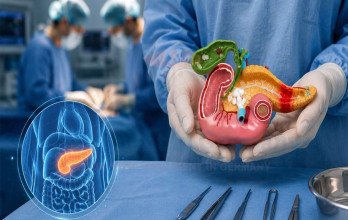
A Whipple procedure for pancreatic cancer (pancreaticoduodenectomy) in Germany costs approximately €26,000 – €40,000+, although the final price can vary because hospitals may include different services in their packages. One quotation may include the operation, anaesthesia, hospital days and pathology, while another may list hospitalisation separately. Check which services and hospital days are included before comparing prices.
Distal and Total Pancreatectomy
The extent of pancreatic resection affects the procedure and the associated hospital and postoperative costs. Segmental pancreatic resection in Germany costs approximately €26,500 – €41,000+, based on current German-market listings. Distal or segmental resection involves removal of part of the pancreas, while total pancreatectomy is a more extensive operation. The final quotation should specify the procedure planned, expected hospital stay and postoperative services included.
Complex Pancreatic Procedures
Some cases require additional procedures, such as vascular or multivisceral surgery, as well as longer hospitalisation or intensive care. These factors can increase the final cost. A nationwide audit of 3,113 pancreatoduodenectomies reported substantial rates of complications and additional procedures, illustrating how hospital stays and postoperative care can affect the final quotation. Ask how additional hospital days, intensive care and further procedures would be charged [2].
Diagnostic and Staging Costs for Pancreatic Cancer
Diagnostic services may be offered as a defined programme rather than priced individually. Current German listings include programmes from around €3,200+, while more extensive packages that include procedures such as ERCP and biopsy can exceed €11,000 – €19,000, depending on the hospital and scope of services. These figures represent different packages and should not be treated as interchangeable. A programme may include:
- A specialist consultation and examination.
- CT and MRI, with PET-CT where it would change the plan.
- Endoscopic ultrasound, often with a biopsy at the same time.
- Tissue analysis, plus molecular testing where it would affect treatment.
- A review of scans and pathology you already have.
Existing scans and pathology may also affect the cost. If recent imaging and original tissue samples are available and suitable for review, some tests may not need to be repeated. If the records are incomplete or no longer suitable for assessment, additional testing may be required.
Systemic, Radiation and Specialized Treatment Costs

Systemic and radiation therapies are typically billed as defined treatment blocks or per-session packages rather than flat all-inclusive rates. Specialized interventional approaches vary significantly in cost and clinical establishment, requiring careful review of what each estimate covers.
Chemotherapy and Chemoradiation
The programme prices listed earlier cover a defined block of chemotherapy treatment for pancreatic cancer at approximately €7,400 – €9,100+ and radiation therapy for pancreatic cancer as part of programmes priced at approximately €30,000 – €39,000+, rather than an entire treatment course. The final cost can vary according to:
- The drug combination used.
- The number of cycles included.
- How treatment is administered.
- Blood tests and supportive medicines included in the package.
- Whether radiotherapy is included or billed separately.
Ask whether the quotation covers a specific number of cycles or treatment period, and how any additional treatment would be charged.
Interventional and Specialized Treatment
These treatments are charged per session or per course rather than as a programme, and they are not equally established:
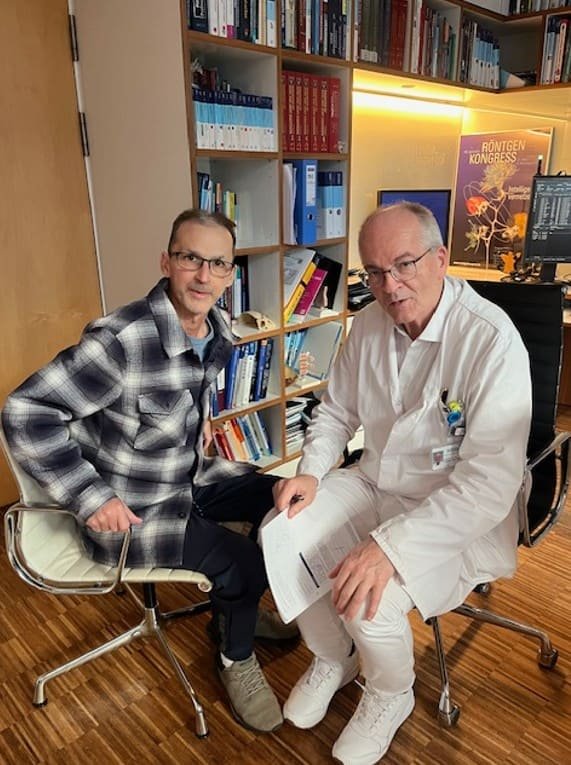
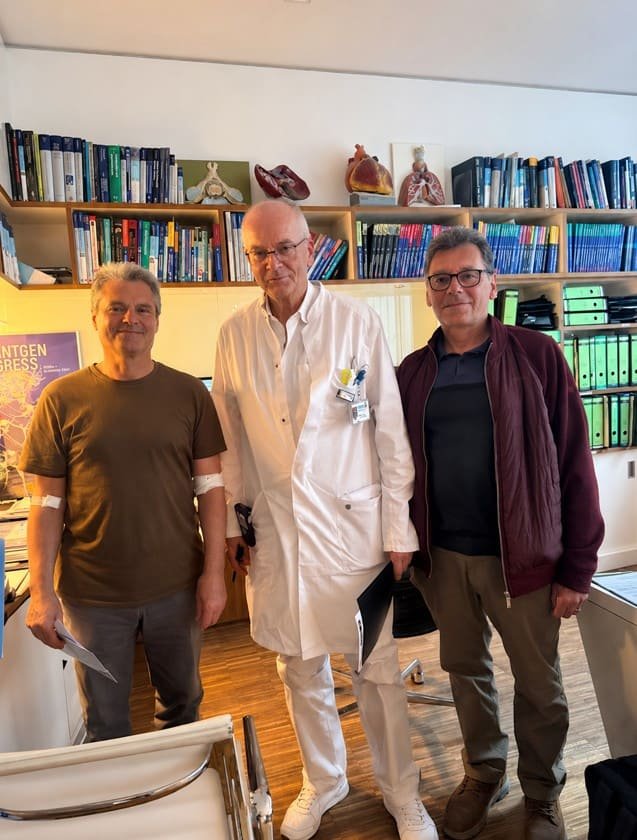
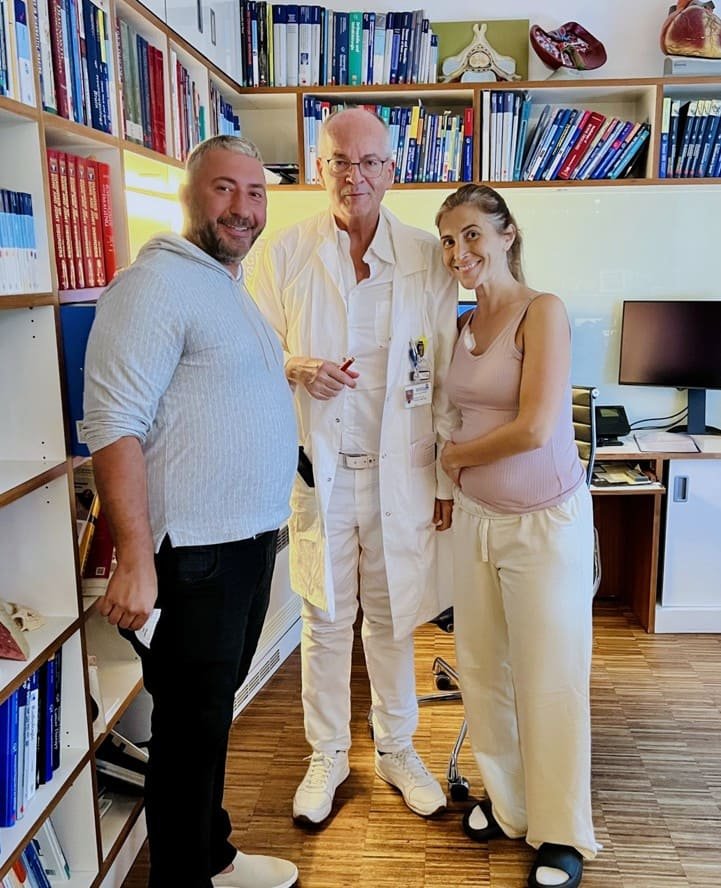
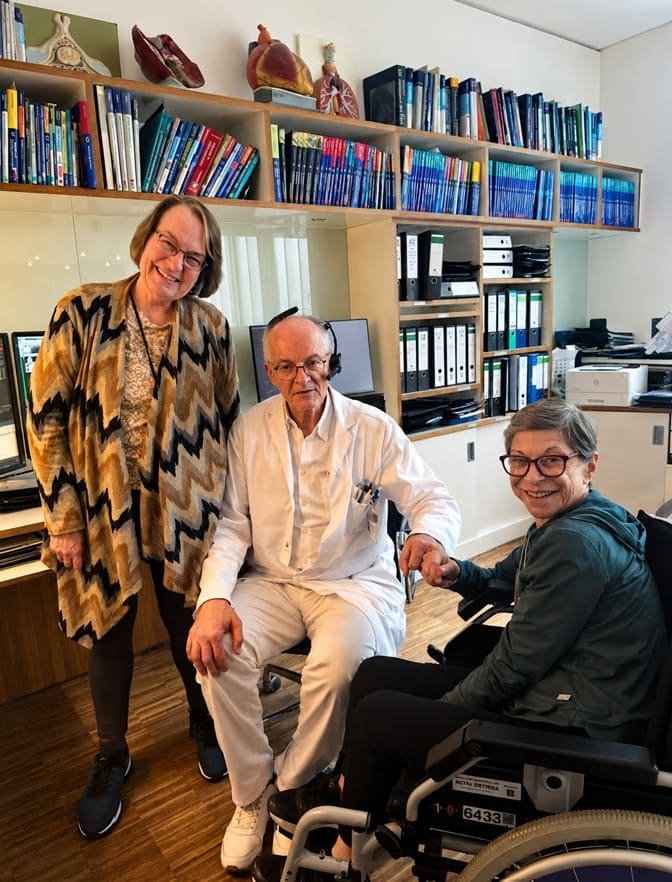
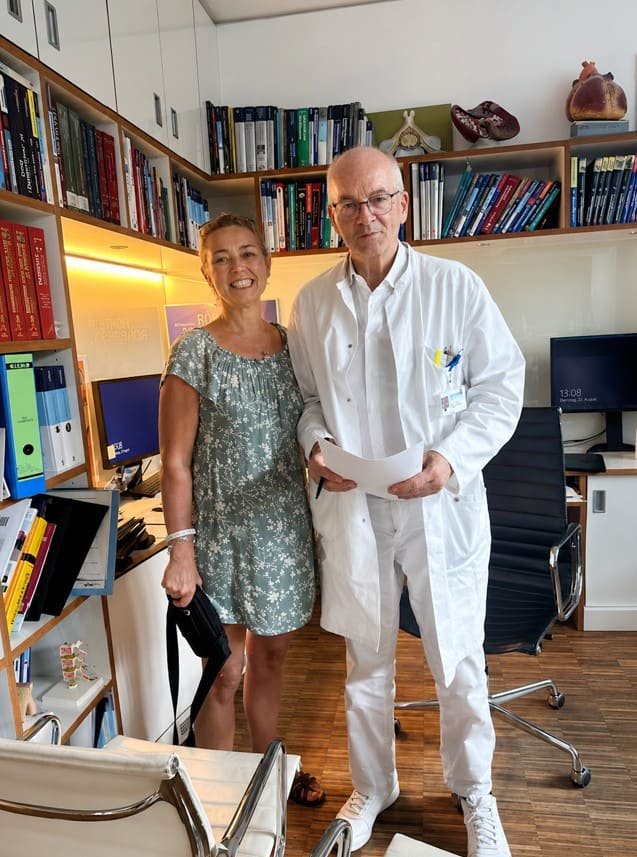
- TACE for pancreatic cancer and TACP for pancreatic cancer cost approximately €8,000 – €9,000 per session and are delivered by Prof. Dr. Thomas J. Vogl. Ask how many sessions are expected before comparing the total cost.
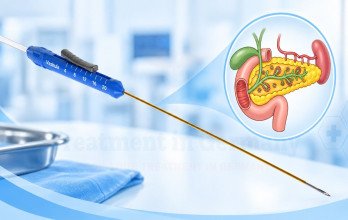
- NanoKnife for pancreatic cancer (irreversible electroporation) starts at approximately €20,000. This is a starting price rather than a fixed quotation, and the final cost depends on the treatment plan and services included.
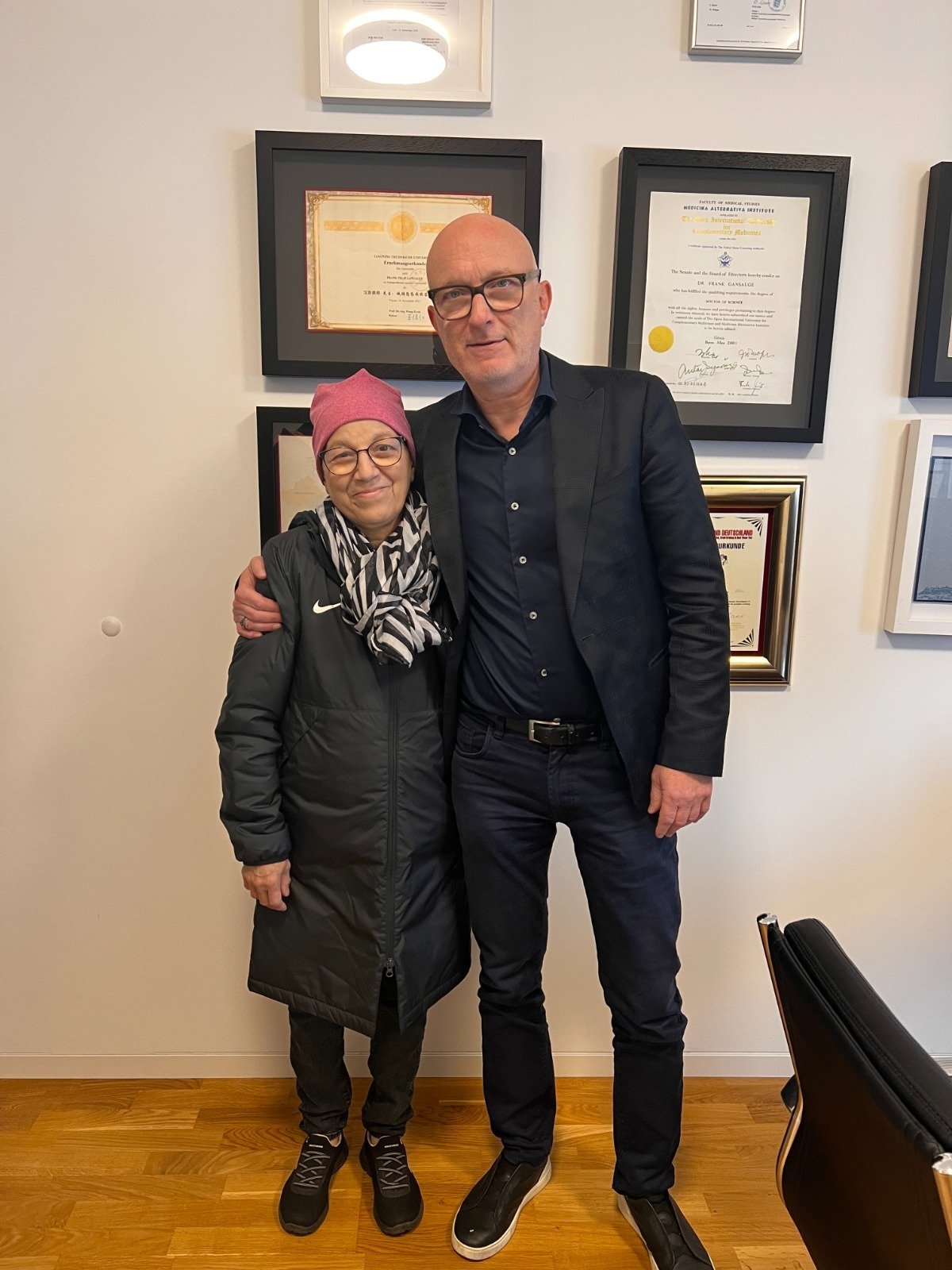
- Dendritic cell therapy costs €27,000 for a complete treatment course and is delivered by Prof. Dr. Frank Gansauge. It is an immune-based approach used outside standard treatment and remains investigational.
A price list may include standard treatments alongside selected or investigational approaches. The price itself does not indicate the level of clinical evidence, so ask the hospital how the proposed treatment is classified.
Pancreatic Cancer Treatment Quotations and Total Cost
A German quotation should clearly state which services are included, such as:
- Specialist fees and the diagnostic work needed before treatment.
- The operation or procedure, plus anaesthesia.
- A stated number of hospital days.
- Pathology, imaging and laboratory work.
- Medicines and follow-up, where these are named in the offer.
To prepare that quotation, the hospital needs:
- Your pathology reports and, if possible, the original tissue samples.
- Recent CT or MRI scans sent as image files, not just written reports.
- How far the disease has spread, and whether surgery has been considered possible.
- Any treatment you have already had, and how the disease responded.
- Any molecular test results.
- Your current condition and the treatment being proposed.
Three terms are often mixed up and are worth separating:
- A published price is a guide figure only.
- A hospital package is a fixed price for a defined set of services.
- A personalised quotation is calculated from your records and is more specific to your proposed treatment plan.
The final cost may exceed the initial estimate if additional treatment, procedures, hospital days or intensive care become necessary. Before treatment, ask which of these services are outside the quoted package and how they would be charged [3].
Pancreatic Cancer Hospitals and Specialist Centers in Germany
Hospital choice should not be based on reputation alone. DKG certification is one useful indicator when comparing pancreatic cancer centres because it reflects defined quality and organisational requirements. It should be considered alongside surgical experience, multidisciplinary care and the centre's ability to manage complex pancreatic cases. A large German cohort study found longer median survival among patients treated at DKG-certified pancreatic cancer centres than at hospitals without certification, although the observational nature of the study means that differences in patient populations and hospital characteristics may also have contributed [1].
Certified centres also treated fewer patients with distant spread, so part of that gap reflects which patients they see. When comparing centres, check:
- Certified pancreatic cancer centre status, checkable on the OncoMap register.
- Annual number of pancreatic operations, and experience with your specific one.
- A regular multidisciplinary tumour board, not occasional discussion.
- Advanced endoscopy, interventional radiology and radiation oncology on site.
- Molecular pathology and an intensive care unit.
Hospitals publish much of this themselves. The centres below are established German hospitals with recognised pancreatic programmes. This is not a ranking, and no single hospital is right for every patient:

When comparing hospitals, focus on five practical areas: surgical experience, multidisciplinary care, complex-care capability, treatment and research capability, and cost transparency.
Surgical Experience: Ask how many times a year the centre performs the operation you need and how often the named surgeon performs it. A high overall volume is most useful when it reflects experience with your specific procedure.
Multidisciplinary Care: Check that surgery, oncology, gastroenterology, radiology, pathology and radiation oncology are involved in regular multidisciplinary case reviews, and ask whether you will receive the team's recommendation in writing.
Complex-Care Capability: Ask whether the centre has experience managing complex cases involving major blood vessels and can provide intensive care and additional surgery when required. These capabilities are particularly relevant when the proposed treatment involves complex surgery.
Treatment and Research Capability: Confirm that the hospital can provide the treatments included in your proposed plan. If clinical trials are relevant to your situation, ask whether suitable studies are available.
Cost Transparency: Compare what each quotation includes and excludes rather than comparing the headline price alone. Ask how many hospital days are covered, which services are billed separately and how additional hospitalisation would be charged.
For international patients seeking treatment, obtaining a quotation usually involves sharing medical records, pathology, imaging and previous treatment details for specialist review. TIG GmbH (Treatment in Germany) can assist with medical-record coordination, communication with hospitals and appointment arrangements where applicable. The treating hospital and medical team remain responsible for treatment recommendations and the final quotation.
References
Why Patients Worldwide Prefer Our Medical Services in Germany – Key Benefits Explained
























.webp)
 (1).webp)
.webp)
.jpg)
 (1).webp)
.jpg)