
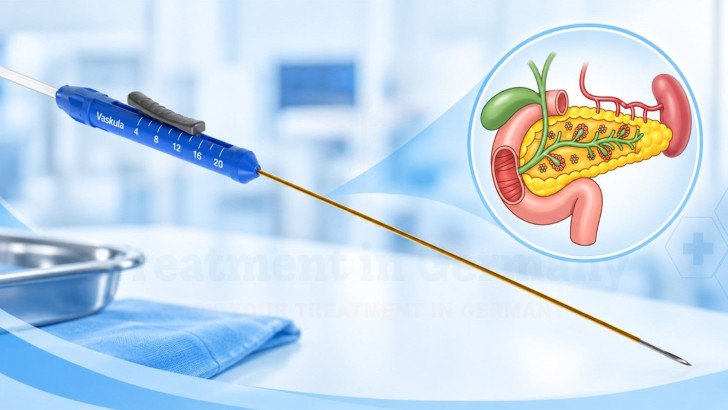
NanoKnife, or irreversible electroporation (IRE), is a local treatment that may be considered for selected patients with locally advanced pancreatic cancer that cannot be removed surgically. This article explains how NanoKnife works, who may be suitable, the treatment procedure, possible side effects and complications, recovery and follow-up, treatment results, current evidence, and how treatment can be accessed in Germany.
NanoKnife for Pancreatic Cancer in Germany: IRE, Treatment and Recovery
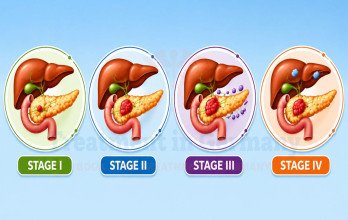
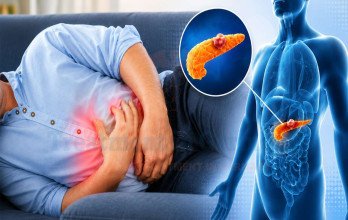
Because early pancreatic cancer symptoms can be subtle, the disease may be diagnosed at a more advanced stage, making treatment more complex. Around 30% of patients present with locally advanced disease, in which the tumour involves nearby major blood vessels but has not spread to distant organs. For carefully selected patients in this group, NanoKnife may be considered as a local treatment option when surgical removal is not feasible. It is important to know that it may be considered at specialist centres, particularly within clinical research or other appropriately governed programmes; however, it is not established as a standard treatment for pancreatic cancer [1].
Working Principle of IRE in Pancreatic Cancer

NanoKnife is the device used to deliver irreversible electroporation (IRE), a non-thermal, high-voltage electrical pulses device which is used to induce irreversible damage to cell membranes and subsequent cell death. Instead of heating or freezing, it passes short, high-voltage electrical pulses between needle electrodes placed around the tumour. The electrical pulses create permanent pores in the membranes of targeted cells, disrupting their function and leading to cell death. Unlike pancreatic cancer radiation therapy, which uses targeted energy beams, IRE uses non-thermal electrical pulses to destroy cells while preserving nearby structures around certain nearby vessels and ducts. This can make it suitable for selected tumours located close to structures where heat-based ablation may carry additional risks.
That property matters in the pancreas, where tumours often sit against the vessels that make surgery risky or impossible. IRE is a local treatment that targets the tumour it can reach, not disease elsewhere in the body. It is offered to a small, selected group, usually people with unresectable, locally advanced pancreatic cancer whose disease has stayed in check on chemotherapy for pancreatic cancer. It is a selective option, not a standard treatment for everyone.
NanoKnife Treatment Suitability in Pancreatic Cancer

Whether IRE is an option depends on specific pancreatic cancer types, the tumour's anatomy, previous treatment and overall health. A specialist team considers these factors to determine whether the procedure may be suitable.
Tumor Location, Size and Nearby Structures
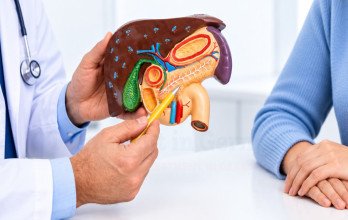
Anatomy sits at the centre of the decision. The team studies exactly where the tumour is, how large it is and how far it reaches locally, because electrodes have to be positioned accurately around or through it. The tumour’s relationship to the major arteries and veins matters most, along with its closeness to the bowel, bile duct and other organs. In one small prospective cohort, the median tumour size was 2.4 cm, and all treated patients had vascular involvement. These figures describe that particular study population and should not be considered general eligibility criteria for IRE [1].
When IRE May Be Considered
IRE is most relevant for locally advanced pancreatic cancer that cannot be removed surgically. IRE is often considered after systemic treatment in patients whose locally advanced disease has remained stable or controlled and who are considered fit enough for the procedure. The exact timing and treatment sequence depend on the individual case and the treating centre. The aim is local control of the tumour rather than cure, and a multidisciplinary team decides whether that goal is realistic. Some borderline-resectable cases may also be discussed, depending on tumour anatomy and the overall treatment plan but this is not an established routine treatment strategy and should not be presented as an alternative to guideline-directed surgical assessment or systemic therapy.
Factors That Can Affect Suitability
Several things can make IRE unsuitable or riskier, which is why every case is judged individually:
- Tumour anatomy that leaves no safe path for the electrodes.
- Difficulty positioning electrodes accurately around the tumour.
- Certain heart rhythm disorders or other medical conditions that increase the risk of the procedure or general anaesthesia.
- Clinically significant coagulopathy or other factors that substantially increase the risk of bleeding.
- Limited overall fitness for a procedure under general anaesthetic.
- Signs that the disease has progressed or spread since earlier treatment.
NanoKnife Treatment Journey for Pancreatic Cancer

For most patients the pathway falls into three stages: getting ready, the procedure itself, and recovery with follow-up.
Preparing for NanoKnife Treatment
Preparation starts with a close look at recent CT or MRI scans, the pathology confirming the diagnosis, and a record of any chemotherapy given. Blood tests and a general check follow, plus an anaesthetic assessment, since the procedure is done under general anaesthetic. The team then plans it together and works out how the electrodes will cover the tumour while minimizing exposure and injury to nearby critical structures.
Inside the IRE Procedure
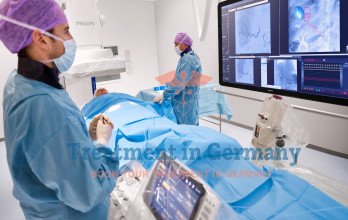
The procedure takes place under general anaesthesia. Guided by imaging, usually CT, the specialist places several fine needle electrodes around or through the tumour, depending on the technique and whether the approach is through the skin or during open surgery for pancreatic cancer. Once they are set, the NanoKnife system then delivers a series of controlled electrical pulses that create irreversible electroporation within the targeted treatment area. The pulses are timed to the heartbeat to reduce the risk of rhythm disturbances, and the patient is monitored throughout. Accurate electrode placement is essential because the treatment area depends on the position and spacing of the electrodes.
Recovery and Follow-Up After IRE
After the procedure, patients are monitored for early complications and recovery from general anaesthesia. The length of hospital stay can vary depending on whether IRE is performed percutaneously or during an open operation, as well as the patient's overall condition and any complications. Follow-up imaging and clinical assessment are used to evaluate the treated area and plan the next stage of care.
Role of NanoKnife in Pancreatic Cancer Care
NanoKnife has a specific, limited role within pancreatic cancer treatment in Germany, treating a targeted tumour locally when surgery is not an option.. Its non-thermal action lets it be used around selected critical vessels, which is where it can add something for difficult-to-resect tumours although it has been investigated for selected tumours involving or adjacent to major vessels; however, vascular and other serious complications can still occur. IRE may be used as part of a multimodal treatment approach alongside innovative systemic options. It is not considered a replacement for potentially curative surgery when surgical removal is feasible.
IRE also has important limitations. Because IRE only treats what the electrodes reach, it does not address disease beyond the target, and it does not guarantee the tumour is fully or permanently controlled. The potential benefit can vary considerably between patients. In one study of selected patients with locally advanced pancreatic cancer treated with IRE, median overall survival was 25.5 months from diagnosis. However, the study was not designed as a randomised comparison with standard treatment alone, so the result cannot establish that IRE itself was responsible for the survival outcome [2].
Safety Considerations for NanoKnife in Pancreatic Cancer

Like any pancreatic procedure, IRE carries risks that must be weighed against its possible benefit. The points below cover what patients can expect and common procedural complications.
Possible Side Effects After Treatment
Most patients have some short-lived effects while recovering, such as abdominal discomfort, tiredness or nausea. These are usually managed with standard measures during the hospital stay, and staff watch for anything more serious.
Possible Complications of Pancreatic IRE
More serious complications are less common but should be discussed before treatment with the patient before treatment begins:
- Inflammation of the pancreas (pancreatitis).
- Bleeding, which may occasionally require additional treatment or intervention.
- Damage to nearby blood vessels.
- Injury to structures next to the tumour, such as the bowel or bile duct.
- Infection.
- Complications related to the general anaesthetic.
- Rare but potentially serious events. In one small prospective cohort of 13 patients, two patients experienced major gastrointestinal bleeding, representing about 15% of the study population. Both cases were successfully managed, and no deaths occurred within 60 days of the procedure [1].
Factors Affecting NanoKnife Safety
The safety of the procedure depends on several factors, including the tumour's anatomy, treatment planning, patient selection and the experience of the treating team. The tumour's proximity to critical structures, accurate electrode placement, anaesthetic care and monitoring can also influence the overall risk. In one study, complications were reviewed in patients undergoing IRE during pancreatic resection for margin accentuation compared with those who received IRE for unresectable locally advanced disease alone, at 68.2% versus 23.1%. However, these groups underwent different types of procedures, so the figures should not be interpreted as a direct comparison of the safety of IRE itself [3].
Results of NanoKnife Treatment in Pancreatic Cancer
The results of NanoKnife treatment are assessed over time through follow-up and should be interpreted in the context of the available evidence.
Treatment Response After IRE
Response is assessed through follow-up imaging together with the patient's clinical condition and ongoing cancer assessment. Changes in the treated area can take time to interpret, so the response may not be clear immediately after the procedure. Local tumour control also does not necessarily mean that disease elsewhere is controlled.
Evidence Behind Pancreatic IRE
The evidence in locally advanced pancreatic cancer is growing but still limited. Prospective studies can provide useful information, but the strength of the evidence also depends on factors such as study size, patient selection and whether there is a comparison group. A recent small prospective cohort using clustered electrodes reported a median overall survival of 20.1 months and progression-free survival of 14.5 months from IRE, with treatment technically successful in every patient. In one comparative study, patients treated with gemcitabine alongside percutaneous IRE had a longer median overall survival from IRE than those treated with IRE alone, at 17.1 versus 14.2 months. Because the study was limited in size and design, these findings should be interpreted cautiously [1] [4].

Reported median overall survival from the time of IRE in selected studies. These figures should not be compared as direct measures of treatment effectiveness because the studies involved different patient populations, treatment approaches and study designs.
These findings are encouraging, but they come from small, single-arm or non-randomised studies in highly selected patients, and outcomes differ partly because selection differs. Recent studies continue to examine which patients may be most suitable for IRE and how the procedure should be integrated with systemic treatment. Survival figures are averages from specific study populations and cannot predict an individual patient's outcome. A specialist assessment is needed to determine how relevant these findings may be to a particular case [1] [2].
Accessing NanoKnife Treatment for Pancreatic Cancer in Germany
Accessing NanoKnife treatment in Germany usually begins with pancreatic cancer diagnosis procedures, including imaging, pathology findings and previous treatment. Because IRE for pancreatic cancer requires careful patient selection and precise procedural planning, the case should be assessed by specialists experienced in pancreatic cancer and IRE techniques. The treatment approach may depend on the tumour's anatomy, the planned treatment method and the patient's previous systemic therapy.
The cost of NanoKnife treatment depends on the treatment approach, tumour anatomy, hospital stay and services included. NanoKnife treatment costs in Germany can provide a guide to the published starting price and what may be included in the treatment package.
For international patients considering NanoKnife, relevant imaging, pathology and previous treatment records can be reviewed before travelling to Germany to support specialist assessment and treatment planning.
How can I find out if NanoKnife is an option for my pancreatic cancer?
A specialist review can assess the tumour anatomy, previous treatment and overall clinical situation to determine whether NanoKnife treatment may be appropriate. Having the relevant medical information ready in advance can help support the assessment:
- Recent CT or MRI scans and their reports.
- The pathology or biopsy confirming the diagnosis.
- A summary of chemotherapy or other treatment already received.
- Up-to-date blood results.
Providing these documents early can help the German specialist team assess whether NanoKnife therapy may be appropriate. TIG GmbH (Treatment in Germany) can help facilitate medical-record review, connect suitable patients with relevant specialists, and coordinate specialist consultations where applicable.
References
Why Patients Worldwide Prefer Our Medical Services in Germany – Key Benefits Explained
International patients planning pancreatic cancer treatment in Germany may need support with hospital consultations, medical documentation, translations, and travel arrangements. TIG GmbH helps coordinate these practical steps and communication with healthcare providers according to each patient's needs and the services agreed.

The table above compares the support and coordination services offered through TIG GmbH with the arrangements patients may need to manage when booking directly with a clinic.


















.webp)
 (1).webp)
.webp)
.jpg)

 (1).webp)
.jpg)