

Pancreatic cancer may be difficult to detect early because symptoms can be mild or absent. Common signs include abdominal or back pain, jaundice, unexplained weight loss, appetite loss, digestive changes, fatigue, and new-onset diabetes. The article also covers less common symptoms, warning signs, differences between men and women, lifestyle and hereditary risk factors, and when persistent or concerning symptoms should be medically evaluated.
Pancreatic Cancer Symptoms, Causes and Risk Factors
Pancreatic cancer can be difficult to detect early because it may cause no noticeable symptoms at first, and when symptoms do occur, they can be mild and similar to those caused by many other conditions. Persistent, worsening, or multiple symptoms may warrant medical attention. Warning signs include abdominal or back pain, jaundice, unexplained weight loss, digestive symptoms, nausea or vomiting, and fatigue, and new-onset diabetes or uncontrolled diabetes, along with less common symptoms and risk factors. These symptoms are nonspecific and can have many causes other than pancreatic cancer [1].
Pancreatic Cancer Symptoms and Warning Signs

Symptoms can vary across different pancreatic cancer types depending on where the tumour is located. Tumours in the head of the pancreas are more likely to cause jaundice because they are close to the bile duct, while tumours in the body or tail may cause abdominal or back pain and weight loss before jaundice develops [1].
Common Symptoms of Pancreatic Cancer
Common symptoms include abdominal or back pain, jaundice, and unexplained weight loss, loss of appetite, digestive problems, nausea, vomiting, and fatigue. These symptoms can have many causes other than pancreatic cancer, but persistent, worsening, or multiple symptoms should be medically assessed.
- Abdominal or upper abdominal pain, which may be persistent, dull, or aching and can sometimes spread to the back.
- Back pain can occur when pancreatic cancer affects nearby nerves or other structures around the pancreas.
- Jaundice, a yellowing of the skin and eyes from a blocked bile duct.
- Unexplained weight loss, which is common in people with pancreatic cancer and can occur without an intentional change in diet or activity [1].
- Loss of appetite, which may occur alongside unexplained weight loss [1].
- Digestive problems such as bloating, indigestion, abdominal discomfort, or difficulty digesting food can occur, particularly when pancreatic function is affected.
- Nausea and vomiting, which can occur when the tumour affects digestion or obstructs the stomach or nearby digestive structures.
- Fatigue or unusual weakness can occur and may be related to the cancer itself, weight loss, reduced food intake, or other effects of the disease [1].
Digestive Symptoms: Stool, Urine, and Bowel Changes
A blocked bile duct or pancreatic duct can affect digestion and may cause changes in stool or bowel habits. Bile-duct obstruction can also cause dark urine when bilirubin builds up in the blood.
- Pale, greasy or floating stools can occur when bile or pancreatic digestive enzymes cannot reach the intestine properly, affecting the digestion and absorption of fat.
- Dark urine can occur when a blocked bile duct causes bilirubin to build up in the blood and then pass into the urine.
- Changes in bowel movements, including looser or more frequent stools particularly when pancreatic exocrine insufficiency affects digestion, but these changes are nonspecific and have many other causes.
- Difficulty digesting food, with bloating or discomfort after eating.
Blood Sugar and Diabetes Related Changes
The pancreas plays an important role in regulating blood sugar, so pancreatic cancer can affect glucose control. New-onset diabetes can sometimes occur before other noticeable symptoms of pancreatic cancer.
New-onset diabetes can sometimes be linked to pancreatic cancer, particularly in older adults or when it develops alongside unexplained weight loss or other pancreatic symptoms. In some people who already have diabetes, blood sugar levels that were previously stable may also become more difficult to control. At the same time, the relationship between diabetes and pancreatic cancer works in both directions, as long-standing type 2 diabetes is associated with an increased risk of pancreatic cancer, while the disease itself can sometimes contribute to the development of new-onset diabetes.
Among adults with new-onset type 2 diabetes, up to 1% are diagnosed with pancreatic cancer within three years, while about 1 in 4 people with pancreatic cancer have diabetes. Most people with new-onset diabetes do not have pancreatic cancer, but new-onset diabetes combined with unexplained weight loss may warrant further medical assessment [3].
Less Common Symptoms of Pancreatic Cancer
In addition to the more common warning signs, pancreatic cancer can sometimes cause symptoms that are less frequently recognised. Itching may develop when a blockage in the bile duct leads to the same changes that cause jaundice. Some people may also experience persistent indigestion, bloating, or an unexplained feeling of fullness. In certain cases, an enlarged gallbladder or liver may be identified during a physical examination or imaging. Blood clots, including deep vein thrombosis in the leg, can also occur, while fever or chills may develop if a bile-duct blockage is complicated by an infection.
Early Signs of Pancreatic Cancer

In the early pancreatic cancer stages, the disease often causes no noticeable symptoms, and when symptoms do occur, they may be vague and nonspecific, making early detection difficult [2]. Subtle changes can therefore be easy to overlook, particularly when they resemble common digestive or other everyday problems.
Subtle Early Symptoms to Watch For
- Persistent or recurring abdominal discomfort or pain.
- Appetite changes or feeling full quickly on smaller meals.
- Unexplained fatigue or weakness that persists despite adequate rest.
- New digestive symptoms such as bloating, nausea, indigestion, or changes in stool.
- Jaundice, particularly when a tumour in the head of the pancreas obstructs the bile duct, may be one of the earlier noticeable signs.
Red Flag Symptoms You Shouldn't Ignore
Persistent, worsening, or multiple symptoms, particularly jaundice, unexplained weight loss, or new-onset diabetes, should be discussed with a healthcare professional.
- Several warning signs occurring together, such as weight loss with new diabetes or jaundice with pale stools.
- Symptoms that are steadily getting worse rather than coming and going.

Pancreatic Cancer Symptoms in Women and Men

The main symptoms of pancreatic cancer are generally similar in men and women, although incidence and some risk factors differ by sex.
Symptoms of Pancreatic Cancer in Women
Women can experience the same main symptoms of pancreatic cancer as men, including jaundice, unexplained weight loss, abdominal or back pain, loss of appetite, and digestive changes. Symptoms such as bloating, fatigue, and indigestion can also occur, although they are nonspecific and may be caused by many other conditions. When these symptoms persist or continue to worsen, they should be discussed with a healthcare professional [1].
Symptoms of Pancreatic Cancer in Men
Men can experience the same warning signs of pancreatic cancer as women, and there is no established symptom pattern that reliably distinguishes the disease between the sexes. Although pancreatic cancer occurs somewhat more often in men, the symptoms to watch for are generally similar in both men and women [1] [4].
Pancreatic Cancer Causes and Risk Factors

The exact cause of pancreatic cancer is usually not known. Risk is influenced by a combination of factors, including age, smoking, certain medical conditions, and inherited genetic changes.
Lifestyle and Medical Risk Factors
- Smoking is the strongest established modifiable risk factor for pancreatic cancer. Risk increases with smoking exposure and gradually declines after quitting, although it may take many years to approach the risk seen in people who have never smoked [5].
- Risk increases with age, and pancreatic cancer occurs somewhat more often in men than in women; most cases occur in older adults [4].
- A history of recurrent or chronic pancreatitis is associated with an increased risk of pancreatic cancer.
- Heavy alcohol consumption is associated with pancreatic cancer risk, particularly because of its association with chronic pancreatitis [6].
- Long-standing type 2 diabetes is associated with an increased risk of pancreatic cancer, while new-onset diabetes can sometimes occur as an early manifestation of the disease [3].
- Overweight, obesity, and higher levels of abdominal fat are associated with an increased risk of pancreatic cancer [4].
- Other factors associated with pancreatic cancer risk include blood group and certain occupational chemical exposures, although the strength of evidence varies between individual risk factors [4].
Genetics, Family History, and Hereditary Risk
A minority of pancreatic cancer cases are associated with inherited genetic factors or hereditary cancer syndromes. Estimates vary, but hereditary factors are generally reported in fewer than 10% of cases [4].
Family history can play a role in pancreatic cancer risk, particularly when a first-degree relative has been affected or when several close relatives have had the disease. Certain inherited genetic changes, including variants in BRCA1, BRCA2, PALB2, ATM, and CDKN2A, as well as genes involved in DNA mismatch repair, are also associated with an increased risk. Some hereditary conditions, such as Lynch syndrome, Peutz-Jeghers syndrome, familial atypical multiple mole melanoma syndrome and hereditary pancreatitis can further increase this risk. For people with pancreatic cancer or a relevant family history, genetic counseling and testing may help assess whether an inherited factor is present. However, a known family history is not always present, as about half of people with germline BRCA mutations may not have a known family history of BRCA-associated cancer [4] [5].
When Pancreatic Cancer Symptoms Require Medical Evaluation
Many of these symptoms have causes other than pancreatic cancer, but persistent, worsening, or multiple symptoms may require medical assessment.
- Persistent or recurring symptoms without a clear explanation should be assessed by a healthcare professional through formal pancreatic cancer diagnosis and testing, particularly if they are worsening
- New jaundice, particularly when accompanied by dark urine or pale stools, warrants prompt medical assessment
- Unexplained weight loss, particularly when it occurs with new-onset diabetes, abdominal pain, or back pain, should be medically assessed.
- Several warning signs appearing together or getting steadily worse.
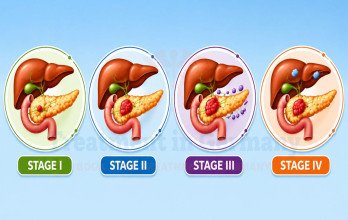
If pancreatic cancer is confirmed, the next step is to discuss the appropriate pancreatic cancer treatment in Germany based on the diagnosis, disease stage and the patient's overall condition.
For international patients seeking treatment, specialist review may involve sharing medical reports and imaging before an appointment is arranged. TIG GmbH (Treatment in Germany) can assist with coordinating specialist appointments and treatment planning where applicable. The treating medical team remains responsible for diagnosis, treatment recommendations and clinical care.
References
Why Patients Worldwide Prefer Our Medical Services in Germany – Key Benefits Explained






























.webp)
 (1).webp)

.webp)


.jpg)

 (1).webp)


.jpg)