

Germany offers a powerful solution with dendritic cell therapy in Germany, a treatment that boosts your immune system to fight cancer cells.
Dendritic Cell Therapy for Stage 4 Pancreatic Cancer in Germany
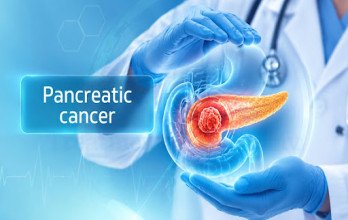
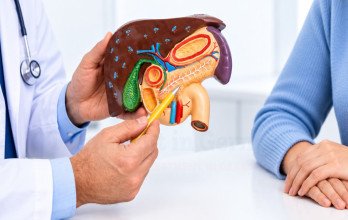
Few diagnoses feel as heavy as stage 4 pancreatic cancer and are often associated with substantial physical, emotional, and practical challenges for patients and their families. Many patients are diagnosed after the disease has already spread beyond the pancreas, which usually limit the effectiveness of potentially curative treatment options. That reality pushes many families to look beyond their home country for cancer treatment, where academic centers offer both proven care and access to newer immune-based approaches.
One approach under investigation is dendritic cell therapy, an immune-based treatment designed to help the body's immune system recognize cancer cells. While it is not part of standard treatment guidelines for metastatic pancreatic cancer, it has attracted interest because of its personalized, cell-based design. Dendritic cell therapy for pancreatic cancer is not a cure, early clinical studies suggest it may stimulate antitumor immune responses, particularly when evaluated alongside standard therapies, but its clinical effectiveness remains under investigation [5]. Interest in immune-based therapies has grown as patients seek additional treatment options beyond standard care.
For patients exploring stage 4 pancreatic cancer treatment in Germany, the medical and practical questions arrive together. TIG GmbH helps international patients review their records, connect with a pancreatic cancer specialist, and plan the journey from first contact to follow-up.
What Stage 4 Pancreatic Cancer Actually Means
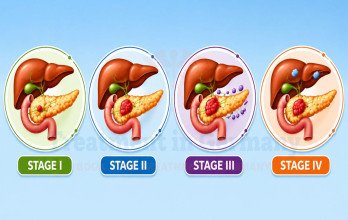
So what is stage 4 pancreatic cancer? Stage 4 pancreatic cancer is the most advanced stage of disease and is defined by the presence of distant metastases, commonly involving the liver, lungs, peritoneum, or other sites. Doctors also refer to this as metastatic pancreatic cancer, meaning the disease has spread beyond the pancreas.

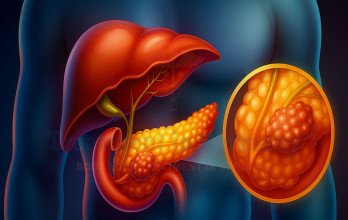
Most pancreatic cancers are adenocarcinomas that begin in the ducts of the pancreas. Because the organ sits deep in the abdomen, pancreatic cancer stage 4 and often causes few specific symptoms during its early stages, many cases are diagnosed only after the disease has advanced. More than half of patients are diagnosed with either locally advanced or metastatic disease, and a substantial proportion already have distant metastases at the time of diagnosis [3]. This late discovery is one reason pancreatic cancer remains among the most challenging cancers to treat.
What Are the Symptoms of Stage 4 Pancreatic Cancer?
Stage 4 pancreatic cancer symptoms can be vague at first, then become more pronounced as the disease spreads. Many people only seek help once several signs appear together as early symptoms are often subtle, diagnosis may not occur until multiple symptoms have developed.
The most common symptoms of stage 4 pancreatic cancer include:
Yellowing of the skin and eyes, known as jaundice.
Pain in the upper abdomen that often spreads to the back.
Unexplained weight loss and a poor appetite.
Nausea, indigestion, and changes in stool.
New or worsening diabetes.
Deep tiredness and weakness.
In late stage pancreatic cancer, these symptoms can intensify, and new ones may appear as the cancer affects other organs. During the final stages of pancreatic cancer, palliative care plays an important role in symptom management, quality of life, and support for patients and families. Recognizing pancreatic cancer end stages early helps families and clinicians make informed decisions regarding symptom management and goals of care.
How Long Can You Live With Stage 4 Pancreatic Cancer?
Honest numbers matter here. The stage 4 pancreatic cancer prognosis remains one of the most difficult in oncology, and the pancreatic cancer stage 4 prognosis has improved only slowly over the years. Without effective treatment, median survival for metastatic pancreatic cancer is often only three to six months [1]. The five-year survival rate for metastatic (stage IV) pancreatic cancer remains very low, generally reported at approximately 3% [1]. While outcomes vary between individuals, long-term survival is uncommon, and prognosis depends on factors such as overall fitness, tumor biology, and response to treatment. The chart below shows how median survival shifts with treatment[1].
Chemotherapy has improved these figures, though modestly. The chart below shows how median survival shifts with treatment.

Age and fitness also shape outcomes. Stage 4 pancreatic cancer survival rate by age tends to favor younger, fitter patients, and older patients generally face a reduced overall survival [2]. When discussing prognosis of stage 4 pancreatic cancer with our team, patients often ask about stage 4 pancreatic cancer life expectancy or the broader pancreatic cancer cure rate. The picture is sobering but not uniform. Survival varies considerably between individuals and depends on factors such as performance status, response to treatment, metastatic burden, and tumor biology. The table below summarizes the main factors.
Factor | Detail | What It Means |
|---|---|---|
Median survival, untreated | ~3-6 months | Disease progresses quickly without therapy [1] |
5-year survival, stage IV | ~3% | Among the lowest of any cancer [1] |
Surviving beyond 1 year | Depends on treatment | performance status, and tumor biology [3] |
Younger age, good fitness | Favorable | Linked to longer survival [2] |
Response to chemotherapy | Variable | Good responders may live longer [4] |
To be clear, metastatic disease is generally considered incurable, so the honest answer to can pancreatic cancer be cured at this stage is usually no. Yet treatment can extend life and ease symptoms, and rare long-term survivors do exist [1].
Why Pancreatic Cancer Is So Hard to Treat
Understanding why pancreatic cancer is so hard to treat helps explain both the poor statistics and the search for new options.
Several features work against standard therapy:
Late diagnosis, since early disease rarely causes clear symptoms [3].
A dense, desmoplastic stromal environment that can impair drug delivery and contribute to treatment resistance.
A strongly immunosuppressive tumor environment that hides the cancer from the immune system [6].
A tendency for early local invasion and distant metastasis, commonly involving the liver and peritoneum.
This immune resistance is exactly why immune-based therapies have struggled in the pancreas, and why approaches that actively train the immune system are being studied so closely [6]. It also frames the stage 4 pancreatic cancer mortality problem honestly: progress is real but incremental.

The chart above reflects how aggressive the disease is. Despite advances in treatment, metastatic pancreatic cancer continues to be associated with poor overall survival [3]. Numbers like these are difficult to read, yet they are the reason new options deserve careful attention.
What Treatment Options Are Available for Stage 4 Pancreatic Cancer?
Before considering newer therapies, it helps to know what conventional medicine offers. The backbone of stage 4 pancreatic cancer treatment is chemotherapy, and it is intended to prolong survival, control symptoms, and maintain quality of life. The main stage IV pancreatic cancer treatment options include:
FOLFIRINOX: A four-drug regimen offering the longest median survival for fit patients (approximately 9 to 11 months), though it is associated with substantial toxicity [4].
Gemcitabine plus nab-paclitaxel, a widely used two-drug option with a median survival of approximately 8–9 months in clinical studies [4].
Targeted therapy for the small group of patients whose tumors carry specific mutations such as BRCA1/2-associated homologous recombination repair deficiency and other targetable abnormalities.
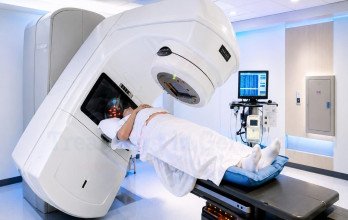
Radiotherapy and supportive procedures to relieve pain, blockage, or jaundice.
Palliative and supportive care to protect comfort and quality of life throughout.
Patients often ask how many rounds of chemo are needed and what benefits may reasonably be expected. Chemotherapy is typically administered in repeating cycles, with duration individualized according to treatment response, tolerability, and patient goals. The decision on how many rounds of chemo depends on response and side effects. So while chemo for pancreatic cancer stage 4 rarely cures, it can extend survival and improve cancer-related symptoms in appropriately selected patients [4].
Dendritic Cell Therapy for Stage 4 Pancreatic Cancer in Germany
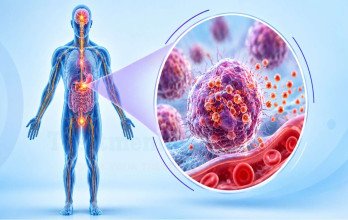
Dendritic cells are the immune system's messengers. They process and present antigens to T lymphocytes, helping direct adaptive immune responses. The idea behind DCT for pancreatic cancer is simple in principle: collect immune cells from the patient, expose them to tumor-associated antigens, and then administer them in an effort to stimulate a targeted immune response. This makes dendritic cell therapy for stage 4 pancreatic cancer a personalized form of treatment built around the individual.

Research in this area remains active, but clinical evidence is still evolving. Early studies have shown that dendritic cell vaccines can stimulate pancreatic cancer-specific immune responses. However, it remains unclear whether these immune responses consistently translate into longer survival for patients with metastatic pancreatic cancer[7]. In a 2024 study involving patients who had undergone surgery for pancreatic cancer, dendritic cell-based immunotherapy demonstrated encouraging recurrence-free survival results. Because these patients had resectable disease rather than metastatic cancer, the findings cannot be directly applied to stage IV pancreatic cancer[5]. These findings suggest biological activity and warrant further study, but their impact on survival in metastatic pancreatic cancer remains uncertain.
Most experts and researchers believe that combination treatment strategies may ultimately prove more effective than single-agent immunotherapy. Adding dendritic cell vaccines to chemotherapy or checkpoint drugs may strengthen the response more than any single approach, and personalized vaccines are an active focus of research [9]. As pancreatic cancer immunotherapy research continues to evolve, dendritic cell therapy remains one of several investigational vaccine-based approaches being evaluated[8].
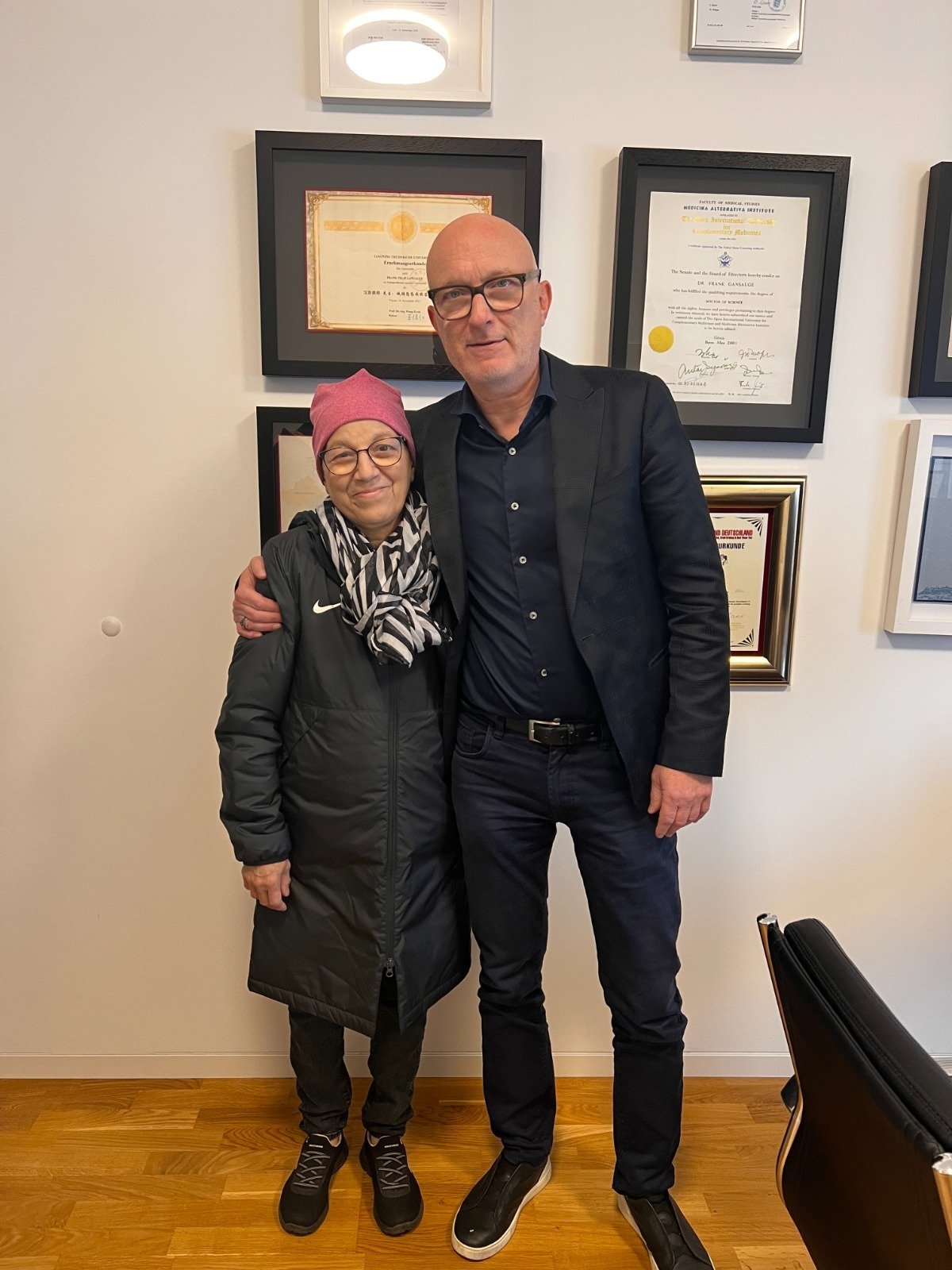
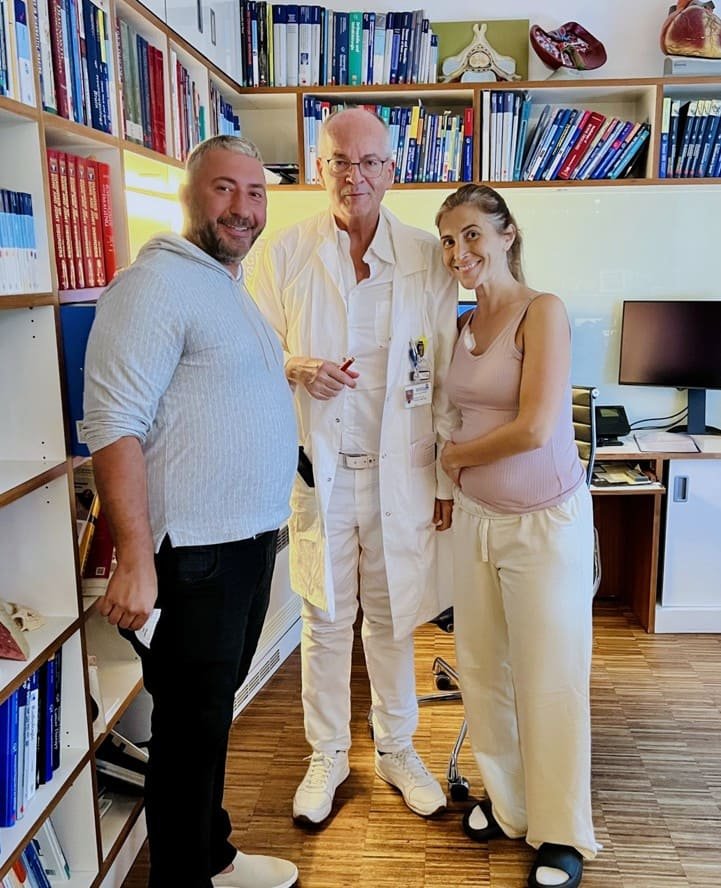
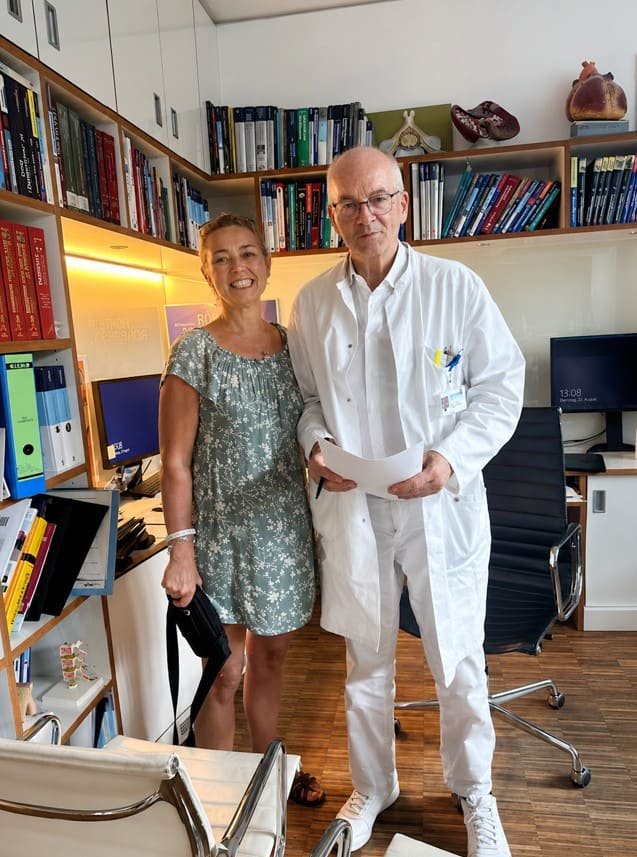
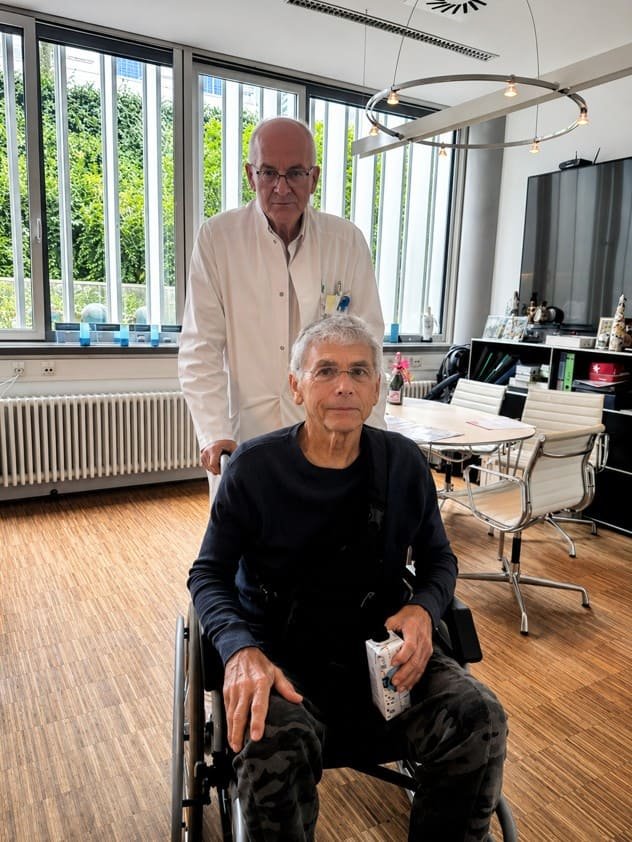
In Germany, this personalized cancer immunotherapy is delivered by Prof. Gansauge at LDG Laboratories, using the patient's own cells prepared in a specialized facility. It is offered as part of a broader plan rather than a replacement for standard care.
Typical features include:
A full review of the diagnosis and prior treatment before starting.
Autologous cell usage: Utilizing the patient's own cells, which eliminates donor-matching complications.
A personalized vaccine prepared against the patient's tumor antigens.
A scheduled course of injections, generally well tolerated [5].
For those weighing immunotherapy for pancreatic cancer stage 4, TIG GmbH arranges the consultation with Prof. Gansauge, assistance with scheduling, medical record coordination, and travel planning.
Limitations and Considerations
Anyone weighing this option deserves a clear-eyed view of its limits. Dendritic cell therapy for pancreatic cancer is still an emerging field, and the evidence comes with real caveats:
Most studies so far are small, early-phase, and often single-arm, so the long-term benefit in metastatic pancreatic cancer is not yet proven [5].
On its own, the therapy has shown limited tumor shrinkage, and its clearest signals come from combination use alongside standard care [7].
Results vary widely with fitness, tumor biology, and how far the disease has spread, so outcomes cannot be guaranteed [2].
Metastatic disease is generally incurable, and treatment goals typically focus on prolonging survival, controlling symptoms, and maintaining quality of life [1].
Any claim of a guaranteed cure is a warning sign, and a trustworthy clinic will be candid about what is realistic.
An independent oncology opinion helps confirm the diagnosis and set honest expectations before traveling.
Cost of Dendritic Cell Therapy in Germany
Cost is a fair question for any new treatment for stage 4 pancreatic cancer. Pricing depends on the assessment, the laboratory work, and the treatment course itself. For this therapy, the headline figure is clear and set out below.

This covers the laboratory preparation of the personalized vaccine and the scheduled injections in the first course. Costs for chemotherapy and supportive care depend on the regimen and number of cycles, and a clear estimate should always come before any commitment to travel.
TIG GmbH provides a transparent, personalized cost breakdown up front, so patients know exactly what to expect before arriving in Germany.
Who May Benefit from Dendritic Cell Therapy?
Not everyone is a suitable candidate, and a comprehensive evaluation helps determine whether this treatment approach is appropriate based on the individual's clinical circumstances. Eligibility is typically assessed through a review of the diagnosis, disease status, prior treatments, laboratory findings, and overall health. In general, the people most likely to be considered share a few features:
A confirmed diagnosis of pancreatic cancer, including metastasized stage 4 pancreatic cancer
A reasonable performance status and the ability to tolerate the proposed treatment and follow-up evaluations
Adequate blood counts and immune-cell collection parameters, depending on the specific treatment protocol
Realistic expectations, understanding dendritic cell therapy is generally considered a complementary investigational approach rather than a substitute for evidence-based standard treatment
Often considered for recurrent pancreatic cancer treatment in Germany or alongside first-line therapy
During assessment, the team weighs how far the disease has spread, prior treatments, and overall fitness. An honest conversation about likely outcomes is part of responsible care, and a trustworthy clinic will never promise a cure.
Why Seek a Specialist Review Early?
Metastatic pancreatic cancer can progress quickly, which means treatment opportunities may change over time. Patients considering treatment in Germany often benefit from an early specialist review to evaluate available options while they remain clinically appropriate.
An early review can help clarify eligibility, avoid unnecessary travel, and ensure that treatment decisions are based on the most current medical information.
Leading Pancreatic Cancer Hospitals in Germany
Germany is home to several internationally respected pancreatic oncology hospitals and university centers. These are widely sought by patients looking for the best hospital for pancreatic cancer treatment in Germany.

Why International Patients Choose Germany
Patients travel for oncology treatment in Germany because the country pairs strict medical standards with experienced specialists and access to therapies that are limited elsewhere. The same system supports stage 4 cancer treatment across many tumor types, backed by strong regulation and transparency.
A few points are worth holding in mind:
Metastatic pancreatic cancer is generally incurable, so the goal is to extend life and protect its quality. [1]
Dendritic cell therapy remains investigational and is still under study, with encouraging early data rather than a proven cure. [5]
Outcomes vary with fitness, tumor biology, and treatment response, so results cannot be guaranteed. [2]
A trustworthy clinic is candid about what is realistic and avoids any promise of a cure.
For families arranging advanced stage 4 pancreatic cancer treatment in Germany from abroad, TIG GmbH manages record review, specialist matching, visa support, travel, and interpreters, so patients can focus on treatment and recovery.
References
Read More
Stage 4 Pancreatic Cancer Overview and Survival Rates
Pancreatic Cancer Treatment in Germany with Dendritic Cell-Based Immunotherapy
Stage 4 Pancreatic Cancer Treatment Options in Germany
TACE Treatment for Stage 4 Pancreatic Cancer Patients in Germany
TACP Therapy for Pancreatic Cancer in Germany

























.webp)
 (1).webp)

.webp)
.jpg)

 (1).webp)
.jpg)