
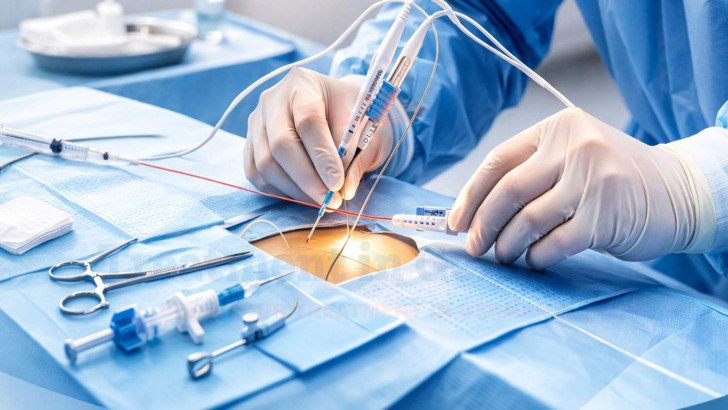
Explore NanoKnife pancreatic cancer treatment in Germany, including procedure details, cost, advanced diagnostics, and coordinated treatment for international patients through TIG.
NanoKnife Pancreatic Cancer Treatment in Germany
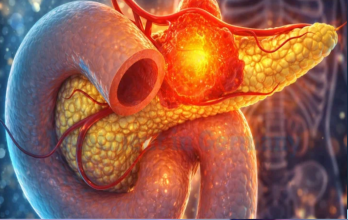
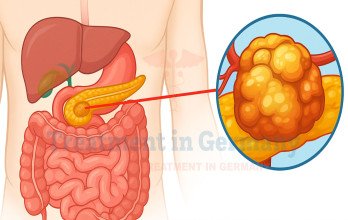
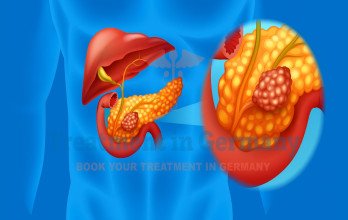
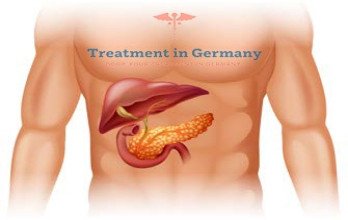
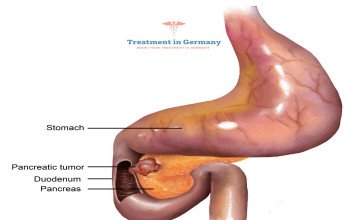
Pancreatic cancer is one of the most challenging gastrointestinal cancers due to its aggressive nature and complex anatomical location. The pancreas lies deep within the abdomen and is closely surrounded by major blood vessels and vital organs. In many cases, pancreatic cancer is diagnosed at an advanced stage, when surgical removal of the tumor is not always possible. This is why treatment planning often requires highly precise and organ-preserving approaches rather than conventional surgery alone.
In recent years, Germany has gained international recognition for offering new and innovative treatment options in Germany for complex cancers such as pancreatic cancer. Treatment planning is based on structured diagnostics, multidisciplinary evaluation, and access to latest medical technology in Germany. Among advanced local therapies, NanoKnife Pancreatic Cancer Treatment has emerged as an important option for selected patients where conventional surgery or thermal ablation is not suitable.
International patients consider treatment through Treatment in Germany (TIG) at www.treatmentingermany.de which offers Free Consultation and allow access to advanced treatment options, procedures within regulated German healthcare centers and specialized German oncology centers, with complete coordination and logistical support.
What Is NanoKnife Pancreatic Cancer Treatment

NanoKnife Pancreatic Cancer Treatment is a minimally invasive, non-thermal tumor ablation technique also known as irreversible electroporation. Unlike heat-based treatments, NanoKnife uses short electrical pulses to create permanent pores in cancer cell membranes. These pores disrupt the cancer cells’ internal balance, leading to cell death while preserving surrounding connective tissue structures.
This unique mechanism makes NanoKnife particularly suitable for pancreatic tumors that are located close to vital blood vessels or bile ducts. Because the treatment does not rely on heat, it reduces the risk of damage to nearby critical anatomy. This precision is one of the key reasons NanoKnife is considered among the most innovative treatment options in Germany for pancreatic cancer.
Why Germany Is Chosen for NanoKnife Treatment
Germany is widely regarded as a destination for advanced oncology treatment due to its combination of clinical regulation, technological innovation, and structured patient pathways. Treatments are delivered within well-established German oncology centers, supported by highly trained specialists and advanced infrastructure.
Patients seeking access to latest medical technology in Germany often find reassurance in the country’s strict safety standards and continuous quality monitoring. Many international patients also value the coordinated treatment approach, where treatment planning, diagnostics, and follow-up are clearly organized.
How NanoKnife Works for Pancreatic Cancer

NanoKnife works by delivering controlled electrical pulses directly into the tumor tissue using thin needle-like probes. These pulses alter the electrical stability of cancer cells without burning or freezing the tissue. As a result, cancer cells lose their ability to survive, while the structural framework of surrounding tissues remains intact.
This approach is especially relevant in pancreatic cancer because the pancreas is surrounded by sensitive structures. By avoiding thermal injury, NanoKnife allows doctors to treat tumors that were previously considered difficult or unsafe to target. The body gradually clears the destroyed cancer cells over time, while normal tissue structure is preserved.
Patient Evaluation and Diagnostic Planning in Germany
Before NanoKnife is considered, patients undergo detailed evaluation using advanced diagnostics available in Germany. This includes imaging methods such as CT scans, MRI, PET scans, which help determine tumor size, location, and relationship to surrounding vessels. Accurate assessment is essential to ensure the treatment is suitable and safe.
German specialists follow strict planning protocols within regulated German oncology centers. Each case is reviewed individually, often involving multidisciplinary teams. This structured evaluation is one reason international patients trust treatment pathways in Germany, as decisions are based on medical precision rather than assumptions.
NanoKnife Procedure for Pancreatic Cancer in Germany

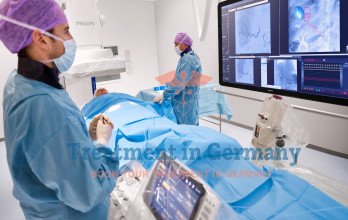
The NanoKnife procedure is performed under general anesthesia in a specialized clinical setting. Using real-time imaging guidance, doctors place multiple electrodes around the tumor. Once positioned correctly, controlled electrical pulses are delivered between the electrodes, targeting the cancer cells precisely.
The procedure itself usually lasts a few hours, depending on tumor complexity. Because NanoKnife is minimally invasive, it does not involve large surgical incisions. After treatment, patients are monitored closely and typically remain under observation for a short period to ensure stability.
Recovery time is generally shorter compared to major pancreatic surgery, although individual recovery varies depending on overall health and disease extent. The cost of NanoKnife Pancreatic Cancer Treatment in Germany generally starts from €20,000 onwards. This cost typically includes procedural planning, use of NanoKnife technology, hospital infrastructure, anesthesia, and immediate post-procedure monitoring. Final costs may vary depending on tumor complexity, hospital stay duration, and individual treatment planning.
International patients benefit from transparent cost structures and regulated pricing within German healthcare centers, helping families plan treatment with clarity and confidence.
NanoKnife Compared to Other Pancreatic Cancer Treatments
Unlike surgery, NanoKnife does not require removal of pancreatic tissue. Unlike chemotherapy, it does not rely on systemic drug exposure. And unlike thermal ablation, it avoids heat-related tissue damage. This makes NanoKnife a distinct local treatment option rather than a replacement for systemic therapy.
It is important to understand that NanoKnife is evaluated as part of a broader treatment strategy. German specialists carefully determine how this procedure fits into an individual patient’s overall management plan.
How NanoKnife Treatment Complements Other Advanced Cancer Therapies
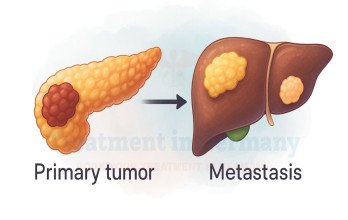
Alongside NanoKnife Pancreatic Cancer Treatment, Germany is also known for offering several innovative treatment options in Germany that may be evaluated depending on cancer type, stage, and patient condition. One such innovative option is TACE Treatment for pancreatic cancer, a liver-directed interventional oncology procedure that delivers chemotherapy directly to tumor-feeding blood vessels, helping control tumor activity while limiting systemic exposure. This approach is commonly discussed in advanced and metastatic disease management where localized tumor control is required.
Another important area is Immunotherapy, including Immunotherapy Dendritic Cell Therapy in Germany, which focuses on supporting the body’s immune response rather than directly destroying tumor tissue. This personalized therapy uses immune cells (Monocytes) processed in an EU GMP certified laboratory to create a tailored dendritic cell vaccine. These therapies differ in their mechanism of action but may complement each other within structured treatment planning at German oncology centers.
Safety and Follow-Up after NanoKnife Treatment
After the procedure, patients undergo follow-up imaging to assess treatment response. Monitoring is structured and scheduled, reflecting Germany’s emphasis on precision and continuity of care. Side effects are generally related to the procedure itself rather than systemic exposure, although each patient’s experience may differ. Doctors adjust follow-up plans based on recovery, imaging findings, and overall disease status.
New Clinical Trials for Pancreatic Cancer Treatment in Germany
Germany continues to play an important role in oncology research through carefully regulated new clinical trials focused on improving outcomes for pancreatic cancer patients. These trials explore how advanced local therapies, including NanoKnife Pancreatic Cancer Treatment, may be integrated into broader treatment strategies, as well as how treatment timing, patient selection, and follow-up protocols can be optimized. Participation in new clinical trials in Germany is strictly evaluated and based on detailed diagnostics, disease stage, and overall patient condition.
International Patient Care through TIG
For international patients, navigating medical treatment abroad can be complex. Treatment in Germany (TIG) at www.treatmentingermany.de ensures end-to-end coordination, including communication with hospitals, scheduling procedures, and managing documentation. This structured support system helps patients access advanced treatments like NanoKnife without unnecessary stress.
🌍Why Patients Worldwide Prefer Our Medical Services in Germany – Key Benefits Explained:










.webp)
 (1).webp)
.webp)
.jpg)

 (1).webp)
.jpg)