
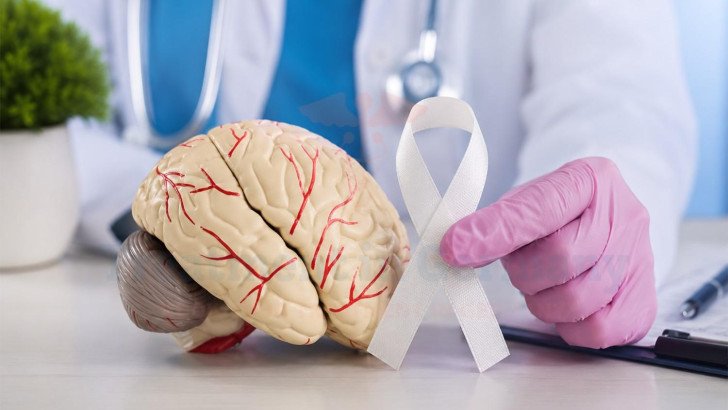
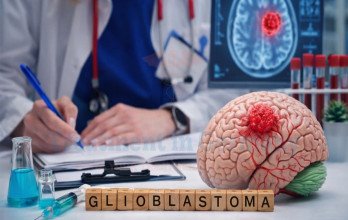
Brain cancer includes malignant tumors that affect brain function and require timely diagnosis and specialized treatment. This article explains the types, symptoms, causes, diagnosis, and treatment options for brain cancer in Germany, including surgery, radiation therapy, chemotherapy, targeted therapies, and selected immunotherapy approaches. It also covers prognosis, treatment costs, leading German hospitals, and support available for international patients.
Brain Cancer Treatment in Germany: Types, Symptoms & Causes
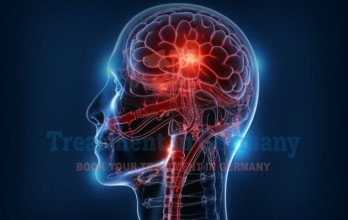
A brain tumor can affect the way a person thinks, moves, speaks, or remembers by disrupting normal brain function. While not every brain tumor is cancerous, malignant brain tumors can grow rapidly and damage surrounding tissue depending on tumour type and grade. Early diagnosis and timely specialist assessment are important to optimize treatment planning and outcomes. Recognizing the symptoms and understanding the available treatment options can help patients make informed decisions and improve their chances of receiving the most appropriate care.
Germany has become a leading destination for brain cancer treatment, offering experienced neuro-oncology specialists, advanced imaging, precision neurosurgery, radiation therapy and molecular diagnostics within a multidisciplinary care system. TIG GmbH helps international patients access this expertise by coordinating medical report reviews, hospital selection, specialist appointments, travel arrangements and follow-up care.
What Is Brain Cancer?
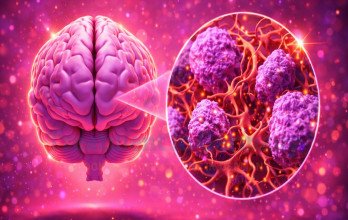
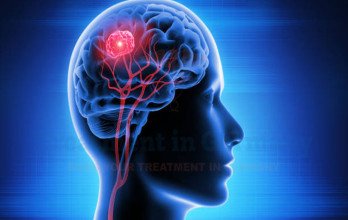
Brain cancer is the growth of malignant cells within the brain or its surrounding tissues, forming a tumour that invades healthy structures although tumour behaviour varies depending on its biological characteristics and anatomical location. Not every brain tumour is cancer, which is why the difference between a tumour and a malignancy is the starting point for any treatment decision.

Difference between Brain Cancer and Brain Tumor
Although the terms are often used interchangeably, they describe different conditions. A brain tumor is any abnormal mass of cells in the brain, and it may be benign (slow-growing and non-invasive) or malignant (cancerous and invasive). Brain cancer refers only to malignant tumours, while brain tumors include both benign and malignant growths. This distinction matters because a benign tumour can still be dangerous. A slow-growing mass near a critical area can cause severe symptoms and still require surgery, even though it is not cancer.
How Brain Cancer Develops
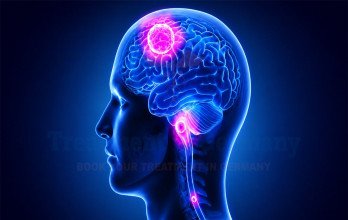
Brain cancer develops when cells acquire genetic changes that make them divide uncontrollably and resist the normal signals to stop. These altered cells form a mass that expands within the fixed space of the skull, raising pressure and disrupting the tissue around it.
Malignant gliomas infiltrate healthy brain tissue instead of forming a clearly defined mass. As a result, they are difficult to remove completely and often require a combination of treatments.
Difference between Primary and Secondary Brain Cancer
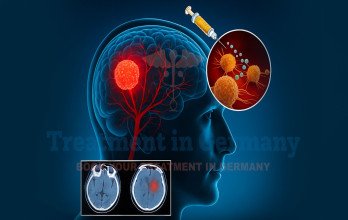
Primary brain cancers begin in the brain itself, while secondary (metastatic) cancers spread to the brain from elsewhere in the body. Secondary tumours are far more common. Brain metastases are the most frequent intracranial tumour in adults and occur roughly ten times more often than primary brain tumours, developing in 20% to 40% of all cancer patients [4].
The tumour's origin determines the treatment approach, since a primary glioblastoma is managed differently from a brain metastasis, where controlling the original cancer is also part of the strategy [5].
Types of Brain Cancer

Brain tumours are classified by where they originate, how they behave and where they are located, and the current system relies heavily on molecular features rather than appearance alone. The current WHO Classification of Central Nervous System Tumours integrates molecular biomarkers with histopathology for diagnosis [8]. Identifying the exact brain tumor types is essential, because a benign meningioma and a malignant glioblastoma call for very different care.
Major Types of Brain Tumors
The following tumour types are among the most common in adults, and each behaves differently. An accurate diagnosis is essential because treatment depends on the tumour type.
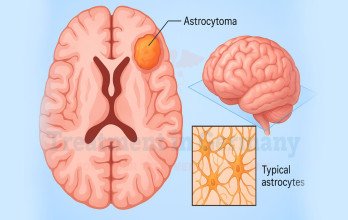
Gliomas are a broad group of tumours that arise from the brain's supporting glial cells, and gliomas make up over 80% of malignant central nervous system tumours. Glioma treatment depends heavily on grade and molecular markers such as IDH mutation and 1p/19q status [8].
Glioblastoma is the most common and most aggressive primary malignant brain tumour, accounting for about 49% of malignant brain tumours, and it has a median survival of less than two years even with full treatment [1]. Meningioma grows from the membranes covering the brain, is usually benign, and is the single most common primary central nervous system tumour, representing 37.6% of them, of which around 80% are grade 1 [3].
Pituitary tumors develop at the base of the brain, are frequently benign, and often affect hormones and vision. Brain metastases spread from other cancers, most often lung, breast and melanoma, with 67% to 80% originating from these three [5].

The percentages behind this table come from the cited reviews on primary brain malignancy , meningioma grading and brain metastases [1] [3] [5] [8].
What Causes Brain Cancer?

In most cases the cause of brain cancer is unknown, and the majority of tumours arise sporadically without any identifiable trigger [6]. Researchers have identified only a few confirmed risk factors, while many suspected causes remain unproven.
Causes and Risk Factors of Brain Cancer
Only one environmental exposure is firmly established. Exposure to moderate- or high-dose ionising radiation,most commonly from therapeutic radiation to the head during childhood or early adulthood, is the only well-established environmental risk factor for primary brain and central nervous system tumours.. The link is stronger for meningioma than for glioma, and stronger when exposure happens at a younger age [7].
Several inherited syndromes clearly raise risk, including Li-Fraumeni syndrome, Turcot syndrome and neurofibromatosis type 1 and type 2, Turcot syndrome, tuberous sclerosis complex, and von Hippel–Lindau disease[6]. Although uncommon, these inherited conditions increase the risk of developing brain tumours and help explain why some families experience brain tumours across generations.
- Ionizing radiation to the head, the only established environmental cause [7].
- Genetic syndromes such as Li-Fraumeni, Turcot and neurofibromatosis type 1 [6].
- Increasing age, since glioblastoma incidence peaks in people over 65 , because the incidence of many malignant primary brain tumours, particularly glioblastoma, rises with advancing age and peaks in older adults [2].
- Suspected but unproven factors, including tobacco and certain occupational exposures, air pollution, and dietary factors have been investigated, but current evidence does not establish a consistent causal relationship with primary brain tumours[6].
Can Brain Cancer Be Prevented?
There is no proven way to prevent most brain tumours, because the main risk factors are either unavoidable or unknown. Avoiding unnecessary radiation to the head is sensible, but it would prevent only a small fraction of cases [7].Many commonly suspected risk factors have not been proven. The evidence linking mobile phones and everyday environmental toxins to brain tumor causes is inconsistent and inconclusive [6], so no firm preventive advice can be given around them.
Symptoms of Brain Cancer

The symptoms of brain cancer depend on the tumour size, its type, and above all its location, because different brain regions control different functions. A small tumour in a critical area can cause dramatic symptoms, while a larger one in a quieter region may stay silent for longer.
Early and Advanced Brain Cancer Symptoms
Knowing the signs and symptoms of brain tumor helps people seek assessment before the disease advances. Symptoms usually develop gradually, making the disease easy to overlook in its early stages although some tumours present suddenly because of seizures, haemorrhage or rapidly increasing intracranial pressure. Early brain tumor symptoms are frequently subtle and easy to dismiss. Brain tumor headaches are among the most common, reported by about half of patients, and they tend to be persistent, worse in the morning, or different from a person's usual headaches. Seizures are also a frequent first sign, occurring in 20% to 50% of malignant brain tumour cases [1].
As the tumour grows, symptoms usually become more noticeable. Many people wonder what a brain tumor feels like. In most cases, the tumour itself does not cause pain, but it produces symptoms by increasing pressure inside the skull and disrupting normal brain function.
- Persistent or worsening headaches, often worse in the morning.
- New seizures in someone with no prior history.
- Neurocognitive changes such as memory or concentration problems, seen in 30% to 40% of cases.
- Focal neurological deficits like weakness, numbness or speech difficulty, in 10% to 40% of cases.
- Nausea, vomiting, or changes in vision, balance or personality.
Certain symptoms of brain tumor need emergency assessment, because they can signal dangerously raised pressure inside the skull. A first-ever seizure, sudden severe headache, rapid confusion, one-sided weakness or a sudden loss of consciousness all warrant immediate medical attention rather than waiting for a routine appointment.
How Is Brain Cancer Diagnosed?

Brain cancer is diagnosed through a combination of neurological examination, detailed imaging and, in most cases, a tissue sample confirmed by molecular testing. Accurate diagnosis is essential, because the exact tumour type and its molecular profile now determine which treatment will work best [8].
Diagnostic Tests for Brain Tumors in Germany
Diagnosis usually begins with a clinical assessment, followed by imaging and tissue analysis. Each step provides important information about the tumour. A neurological examination comes first, checking strength, reflexes, coordination, vision, balance and mental status to locate the problem, though it points toward the right scan rather than confirming a tumour.
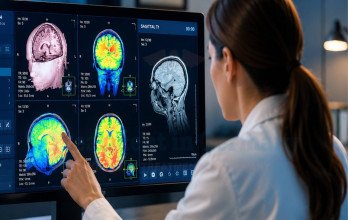
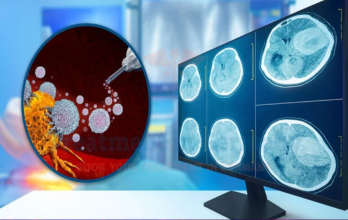
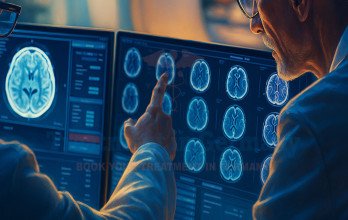
Imaging plays a central role in diagnosing brain tumours. A brain tumor MRI is the most detailed test and the preferred method for detecting tumours, while a CT scan for brain tumor is faster and useful in emergencies. Many patients ask whether a CT scan can detect a brain tumor. It can usually identify larger masses, though MRI is far better for small or low-grade tumours and Contrast-enhanced MRI is the imaging modality of choice for evaluating suspected brain tumours because it provides superior soft tissue resolution and tumour characterization [5].
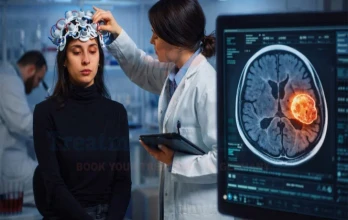
A brain biopsy removes a small tissue sample so a pathologist can confirm the exact diagnosis. Molecular and genetic testing then examines markers such as IDH mutation, 1p/19q codeletion and MGMT status, which the 2021 classification places at the centre of diagnosis and treatment planning [8].

Brain Cancer Treatment Options in Germany

Brain cancer treatment in Germany is tailored to the tumour type, grade, location, molecular profile and the patient's overall health, and it usually combines more than one approach. The goal is to remove or control the tumour while preserving brain function through close collaboration between specialists.
Standard Treatment Options for Brain Cancer
Most patients receive one or more of four established treatment options, depending on the tumour type, its location and individual clinical factors. Brain tumor surgery is usually the first step, aiming to remove as much tumour as safely possible, since the extent of removal strongly influences outcome [2]. German centres perform awake brain surgery and minimally invasive brain tumor surgery to protect speech and movement, and brain tumor removal is often maximised using image guidance and intraoperative mapping.
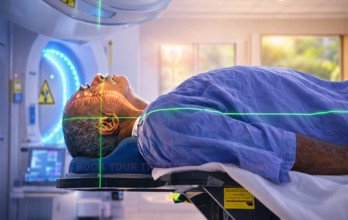
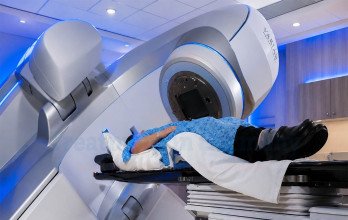
Radiation therapy for brain cancer follows surgery for many malignant tumours, and precise techniques such as stereotactic radiosurgery, Gamma Knife treatment, CyberKnife treatment and proton therapy for brain cancer focus high doses on the tumour while sparing healthy tissue. Adding radiotherapy and temozolomide to surgery raised two-year glioblastoma survival from 10.9% to 27.2% versus radiotherapy alone [1].
Chemotherapy for brain tumor, most commonly temozolomide, is a core part of glioblastoma treatment and works alongside radiation [1]. Targeted therapy adds drugs aimed at specific molecular features, and bevacizumab, an anti-angiogenic antibody, is approved for recurrent glioblastoma [2].
Advanced Brain Cancer Therapies in Germany

Beyond standard care, German centres offer advanced immune-based approaches for selected patients. These therapies may be considered in specific situations but are not currently recommended as routine first-line treatments in international guidelines.
Brain cancer immunotherapy
Brain cancer immunotherapy in Germany helps the immune system recognise and attack tumour cells, although these tumours have several mechanisms that suppress immune responses. Research in this field continues to evolve, but immunotherapy is currently used mainly within clinical trials or specialist treatment protocols rather than routine clinical practice [9].
Dendritic cell therapy for brain cancer Treatment in Germany
Dendritic cell therapy for brain cancer in Germany is a personalised form of immunotherapy that uses a patient's own immune cells, primed against their tumour, to stimulate a targeted immune response. In a phase 3 trial of DCVax-L combined with standard treatment for glioblastoma, median overall survival reached 19.3 months in newly diagnosed patients compared with 16.5 months in external controls. In recurrent disease, median survival was 13.2 months compared with 7.8 months in external controls, while serious vaccine-related adverse events remained uncommon [9].
Who Is Eligible for Dendritic Cell Therapy?
Eligibility depends on the tumour type, previous treatments, molecular characteristics, and the patient's overall health. Where appropriate, cell-based therapies are delivered under the European ATMP and German AMG regulatory framework. Current evidence is encouraging in carefully selected patients, but independent reviewers have highlighted methodological limitations in the DCVax-L trial, including its external control design. As a result, dendritic cell therapy is not yet considered a standard first-line treatment in international guidelines [10]. Treatment plans are always tailored to the patient's tumour type, overall health and previous treatments.
Risks and Side Effects of Brain Cancer Treatment

Every brain cancer treatment carries potential side effects, which vary with the approach used and can often be reduced with supportive care. Knowing what to expect helps patients and families prepare and respond early.
Understanding Treatment-Related Side Effects
Side effects can be temporary or long term, depending on the tumour location and the treatments used. Common side effects include:
- Surgery-related risks: bleeding, infection, swelling, and temporary or lasting neurological changes depending on the tumour site.
- Radiation side effects: fatigue, hair loss, skin changes, and delayed effects on nearby healthy brain tissue or endocrine dysfunction (depending on treatment field), and delayed neurocognitive effects.
- Chemotherapy side effects: nausea, low blood counts and increased infection risk, common with temozolomide [1].
- Targeted therapy and immunotherapy side effects: high blood pressure and bleeding risk with bevacizumab, and generally mild reactions with dendritic cell therapy, which showed serious events in only 2.1% of trial patients [9].
- Long-term neurological and cognitive effects: memory, concentration and fatigue problems that can persist after treatment ends.
Most of these effects can be managed with supportive care, including medication, rehabilitation and cognitive support. Multidisciplinary teams plan for them from the outset rather than as an afterthought, which is a core reason patients seek coordinated care.
What Is the Prognosis for Brain Cancer?

The brain cancer prognosis varies widely depending on the tumour type, its grade, how well it responds to treatment, and individual patient factors. A benign meningioma and an aggressive glioblastoma sit at opposite ends of the outlook, so no single number describes brain cancer as a whole.
Factors Affecting Prognosis and Survival
Several factors influence a patient's prognosis: younger age, a high level of daily functioning, and how completely the tumour can be removed all help [2]. Molecular markers such as IDH mutation and MGMT methylation also influence outcome and guide treatment [8].
The brain tumor survival rate differs sharply by tumour type. Across all malignant primary brain tumours, five-year survival is about 67%, but this average hides wide variation between slow and aggressive tumours and does not apply to all malignant primary brain tumours.nAlthough outcomes remain challenging for aggressive tumours, survival has improved with advances in treatment. Glioblastoma has a median survival under two years, and adding temozolomide to radiotherapy raised five-year survival from 1.9% to 9.8% [1].
This is why many patients ask how long they can live with brain cancer. The answer depends largely on the specific tumour type and individual clinical factors.

The all-tumour and glioblastoma survival figures come from a primary brain malignancy review, and the favourable meningioma outlook reflects its mostly benign grade 1 nature [1] [3].
Can Brain Cancer Be Cured?
Some brain tumours can be cured, particularly benign ones like most meningiomas, which are often controlled or removed completely. Malignant tumours such as glioblastoma are rarely cured because they infiltrate healthy brain, though treatment can extend life and preserve quality of life for a meaningful period [2] [3].
For aggressive tumours, the primary goal is long-term disease control rather than cure. Research continues to explore new treatments such as immunotherapy, while an individual's prognosis depends far more on their specific condition than on average survival statistics.
Why Choose Germany for Brain Cancer Treatment?
Germany is recognised for specialised neuro-oncology, advanced surgical and radiation technology and a multidisciplinary approach that brings every relevant specialist to the same table. For patients seeking brain tumor treatment in Germany, this offers both technical excellence and coordinated planning.
Leading Hospitals for Brain Cancer Treatment in Germany
German university hospitals are known for high surgical volumes and integrated neuro-oncology programmes. The table below highlights several leading German centres and their areas of expertise.

Centre strengths above are described in general terms and should be confirmed directly, since specific programme details, surgical volumes and available technologies change over time.
German neuro-oncology stands out for three main strengths. Experienced brain tumor specialists in Germany, including dedicated neurosurgeons for brain tumors in Germany, work in high-volume centres where surgical experience is linked to better outcomes [2]. Advanced technologies such as intraoperative mapping, focused radiosurgery and proton therapy allow precise treatment near critical brain structures. Multidisciplinary teams involving neurosurgery, radiation oncology, medical oncology, neuroradiology and pathology work together to develop personalised treatment plans based on each tumour's molecular profile [8].
Cost of Brain Cancer Treatment in Germany
The brain cancer treatment cost in Germany depends on the diagnosis, the specific therapies used, the hospital and the length of care, so every patient receives an individual estimate after their records are reviewed. The figures below are indicative and are confirmed once a treatment plan is agreed.
What Influences the Overall Cost?

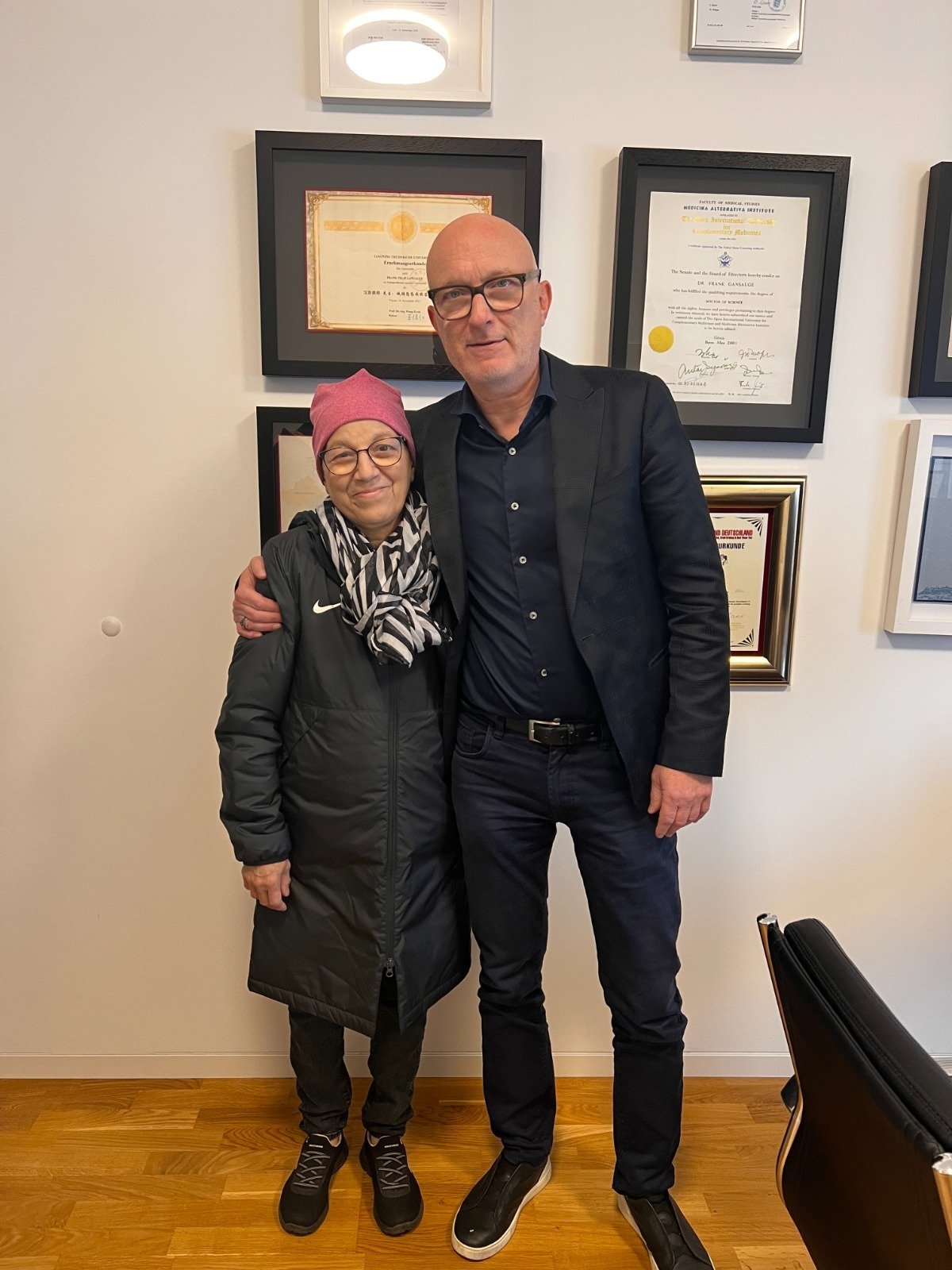
Dendritic cell therapy is provided by Prof. Gansauge at LDG Laboratories, who specialises in personalised dendritic cell immunotherapy and cellular cancer treatments, and the complete course costs approximately twenty seven thousand Euro. Surgery, radiation and radiosurgery are quoted individually, because their cost depends on the tumour, the technique and the duration of care.

Several factors influence the final treatment cost:
The tumour type and complexity, whether one treatment or several are combined, the length of stay, and the amount of molecular testing and follow-up needed. Online consultations and second opinions can often be arranged before travel, helping patients understand both the treatment plan and the expected costs before they arrive in Germany.
Brain Cancer Treatment Journey for International Patients
International patients can access brain cancer treatment in Germany through a coordinated pathway that combines medical planning with travel support. The aim is to simplify treatment planning and travel so patients and their families can focus on recovery.
Coordinated Support from First Enquiry to Follow-Up
Support begins before travel and continues after the patient returns home, ensuring medical care and travel arrangements are coordinated throughout the treatment journey.
- Free medical report review of existing imaging, pathology and treatment records before any travel is arranged.
- Expert second opinions, including a brain cancer second opinion in Germany from a neuro-oncology specialist.
- Hospital and specialist coordination, matching each patient to the most appropriate centre.
- Appointment scheduling to minimise waiting between arrival and treatment.
- Visa assistance, with invitation letters and supporting documents for the application.
- Travel and accommodation support near the treating centre.
- Medical interpreter services for consultations, consent and discharge discussions.
- Follow-up care after returning home, including remote review of imaging.
Access to brain cancer clinical trials in Germany can also be explored here, since eligibility often depends on treatment history and must be checked before other therapy begins. Discussing clinical trials early may provide access to a wider range of treatment options.
Get a Specialist Second Opinion for Brain Cancer in Germany
Send your MRI or CT images, pathology report and medical history for a free review by a German neuro-oncology specialist through TIG GmbH. Ask directly whether surgery is possible for your tumour, whether your molecular profile opens up targeted or trial options, and what a realistic treatment plan and timeline would look like. A specialist review can help you understand your treatment options before deciding whether to travel.
References
Why Patients Worldwide Prefer Our Medical Services in Germany – Key Benefits Explained










.webp)
 (1).webp)
.webp)
.jpg)
 (1).webp)
.jpg)