
Stage 4 glioblastoma is an aggressive brain tumour that requires timely, specialised treatment. In Germany, patients may benefit from advanced diagnostics, multidisciplinary care, and personalised treatment plans that combine standard therapies with innovative options such as dendritic cell therapy for eligible patients. The article also discusses survival rates, treatment costs, eligibility, and support available for international patients seeking care in Germany.
Dendritic Cell Therapy for Stage 4 Brain Cancer (Glioblastoma) in Germany
Glioblastoma is the most aggressive type of primary brain tumour in adults, and a diagnosis of stage 4 brain cancer can change life in an instant. Along with the emotional impact, patients and their families often face difficult decisions about treatment, survival, and finding the best possible care. Although surgery, radiotherapy and chemotherapy remain the standard treatments, they are not always enough to control the disease over the long term, which is why interest in newer approaches continues to grow.
Many international patients seek glioblastoma treatment in Germany because of its experienced neuro-oncology teams, advanced molecular diagnostics, and access to innovative therapies. Among these, dendritic cell therapy for glioblastoma is being studied as a personalised immunotherapy that may complement standard treatment for carefully selected patients.
Understanding the disease, expected survival, and the available treatment options can help patients make informed decisions with their medical team. For those exploring dendritic cell therapy for stage 4 brain cancer in Germany, TIG GmbH supports international patients throughout the process, from medical report review and specialist appointments to travel arrangements and follow-up care.
What Is Stage 4 Brain Cancer (Glioblastoma)?
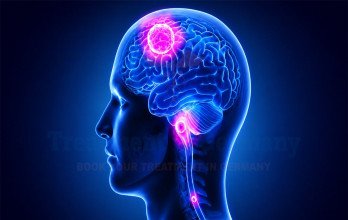
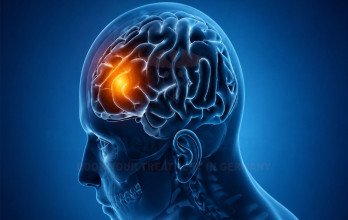
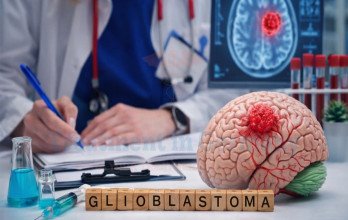
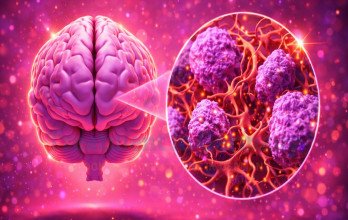
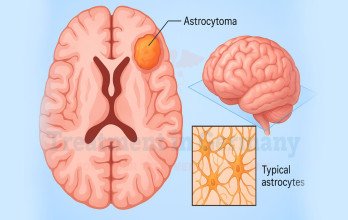
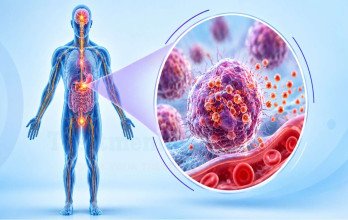
Glioblastoma, often called GBM cancer, is a fast-growing tumour that starts in the glial cells that support the brain’s neurons. It is the most common malignant primary brain tumour in adults, and glioblastoma makes up close to half of all malignant brain tumours [1].
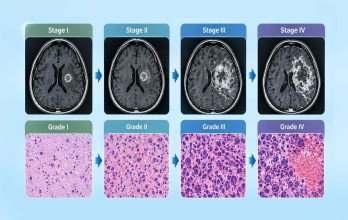
 Because it is so aggressive, glioblastoma is classified as a WHO grade 4 brain tumour, the highest grade in the classification system. Although many people refer to it as stage 4 glioblastoma, brain tumours are officially classified by grade rather than stage.
Why Is Glioblastoma Classified as a WHO Grade 4 Tumor?
Brain tumours are graded by how aggressive they look and behave, from grade 1 (slow-growing) to grade 4 (highly malignant). Grade 4 glioblastoma represents the highest grade in this classification.
Under the 2021 World Health Organization (WHO) Classification of Central Nervous System Tumours, glioblastoma is defined as an IDH-wildtype grade 4 tumour and meets specific histological and/or molecular diagnostic criteria [2]. This molecular classification distinguishes glioblastoma from other grade 4 gliomas and helps guide diagnosis, prognosis, and treatment decisions.
Grade 4 reflects features seen under the microscope, including rapid cell division, new abnormal blood vessels, and areas of dead tissue (necrosis); molecular features may also establish the diagnosis in the absence of these histological findings. These features explain why the tumour grows and spreads through the brain so quickly.
How Is Glioblastoma Different from Other Gliomas?
Gliomas are a family of tumours that arise from glial cells, and they range widely in behaviour. Glioblastoma is the most aggressive member of this family. One of the main differences lies in their molecular markers. Glioblastoma is typically IDH-wildtype, whereas an IDH-mutant grade 4 astrocytoma is now recognised as a separate diagnosis with a generally better prognosis [2]. Testing for these molecular markers helps doctors make an accurate diagnosis and choose the most appropriate treatment.
Symptoms and Diagnosis of Grade 4 Glioblastoma
Symptoms of Grade 4 glioblastoma can vary depending on where the tumour develops in the brain, while an accurate diagnosis requires both imaging and molecular testing. Understanding the common signs and the diagnostic process helps patients receive timely treatment and personalised care.
Signs and Symptoms of Grade 4 Glioblastoma
Symptoms depend on where the tumour sits and how quickly it grows. Many are caused by rising pressure inside the skull or by the tumour pressing on a specific part of the brain.The most common symptoms of malignant brain tumours are headache, seizures, neurocognitive impairment and focal neurological deficits [1].
In practical terms, patients and families often notice:
- Morning Headaches: Headaches, reported in about half of patients, often worse in the morning.
- Seizures and Onset:Seizures: which occur in roughly 20% to 50% of cases, although cumulative seizure incidence increases during the course of the disease.
- Cognitive and Personality Changes: Memory, thinking, or personality changes, affecting many patients.
- Focal Neurological Deficits: Weakness, speech difficulty, or vision changes, depending on tumour location.
- Increased Intracranial Pressure: Nausea and vomiting resulting from raised pressure inside the skull.
Because these signs can develop quickly, any new or worsening neurological symptom needs prompt medical assessment.
How Do MRI, Brain Biopsy, and WHO Classification Confirm the Diagnosis?
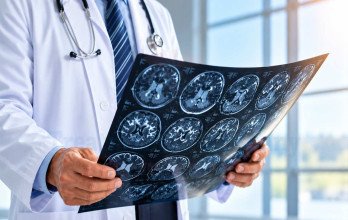
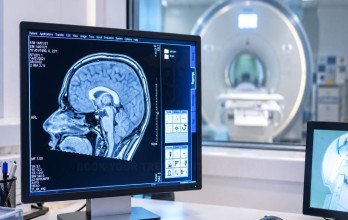
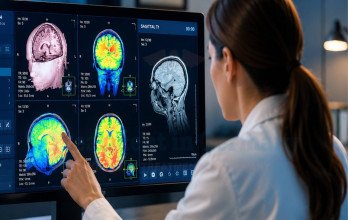
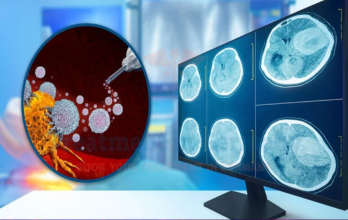
Contrast-enhanced MRI of the brain is the imaging method of choice when a tumour is suspected [1]. On MRI, glioblastoma typically shows an irregular ring of contrast enhancement, a necrotic centre, and surrounding swelling although imaging appearances may vary between patients.
Imaging alone cannot confirm the diagnosis. A tissue sample from surgery or biopsy is examined for its microscopic and molecular features, to establish the tumour type, WHO grade, and key biomarkers such as IDH mutation status [1].
Survival Rate and Prognosis for Grade 4 Glioblastoma

Survival varies from person to person and depends on several clinical and molecular factors. Looking at average survival statistics, the factors that influence prognosis, and the impact of newer treatments provides a clearer picture of what patients may expect.
Average Survival Statistics of Glioblastoma Grade 4
With standard treatment, the glioblastoma survival rate remains low, and median survival is around 13 to 14 months, with five-year survival not exceeding 10% of patients [3].The landmark trial that set the current standard showed a median overall survival of 14.6 months with radiotherapy plus temozolomide, compared with 12.1 months for radiotherapy alone, and a two-year survival rate of 26.5% versus 10.4% [2]. These figures frame the Grade 4 glioblastoma prognosis realistically, while newer options aim to improve on them.
The table below summarises key survival benchmarks from published data. [2] [3].

What Factors Affect Survival and Life Expectancy?
Several factors influence survival and life expectancy in people with Grade 4 glioblastoma:
- Age at diagnosis: Since younger age is a recognised favourable factor and the glioblastoma survival rate by age tends to be lower in older patients [1 [7].
- Performance status: Meaning how well a person copes with daily activities.
- Extent of surgery: Since maximal safe removal of the tumour is linked to better outcomes [1].
- MGMT promoter methylation: A molecular marker that is a predictive biomarker for improved response to temozolomide chemotherapy and is associated with longer survival.
- Tumour location: Which affects how much can be safely removed.
These factors together explain why brain cancer prognosis varies so widely between individuals, and why no single number can predict one person’s course.
Can Modern Treatments Help People Live Longer with Glioblastoma?
Several newer treatment approaches are being explored to improve outcomes for people with glioblastoma. Tumor Treating Fields (TTFields) have demonstrated a survival benefit when combined with standard therapy, while immunotherapy approaches such as dendritic cell vaccines have shown encouraging results in selected patients in selected early-phase and some randomized studies, but further high-quality clinical trials are awaited before these therapies become part of routine standard care. Although these treatments are not curative, they may help extend survival for some individuals alongside standard treatment [4] [6].
How Is Grade 4 Glioblastoma Treated in Germany?

Treatment in Germany combines internationally recognised standard therapies with personalised treatment planning based on each patient's tumour characteristics. Depending on the individual case, additional therapies may also be considered alongside conventional treatment.
Standard Glioblastoma Treatment: Surgery, Radiation Therapy, and Chemotherapy
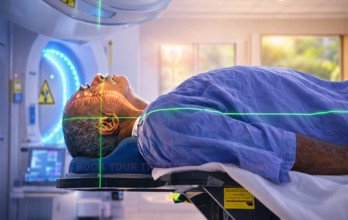
The foundation of glioblastoma treatment is the same in Germany as at other leading centres, built around the established Stupp protocol. Nearly every patient begins here.
The three standard pillars of brain tumor treatment are:
- Surgery, to remove as much tumour as can be safely taken out. Maximal safe resection is linked to better survival [1].
- Radiation therapy, usually given over several weeks after surgery to target remaining tumour cells [2].
- Chemotherapy with temozolomide, given alongside and after radiation, which raised median survival from 12.1 to 14.6 months in the trial that established it [2].
Because glioblastoma spreads microscopically through the brain, surgery alone cannot cure it, which is why radiation and chemotherapy follow.
Tumor Treating Fields (TTFields) for Glioblastoma and Personalized Treatment Planning
Beyond the standard pillars, several additional options are available for selected patients. Tumor Treating Fields (TTFields) deliver low-intensity electric fields through a wearable device to disrupt tumour cell division. Clinical studies have shown improved survival when TTFields are combined with temozolomide, making them an additional treatment option for appropriate patients [6].
 Real-world use supports these findings, with one analysis reporting a median overall survival of 19.7 months with TTFields versus 16.1 months without, and no serious device-related adverse events [10]. Molecular testing also guides care. Integrated molecular testing is an essential component of modern glioblastoma management. MGMT promoter methylation predicts a greater likelihood of benefit from temozolomide, whereas IDH mutation status primarily contributes to diagnosis, prognostic assessment, and eligibility for certain clinical trials.
Who Is Eligible for Advanced Glioblastoma Therapies?
Eligibility for advanced treatment is determined after a specialist reviews the patient's imaging, pathology, molecular findings, overall health, and previous treatments. This assessment helps identify which advanced treatment options may be appropriate before therapy-specific recommendations are made.
In general, patients considered for advanced treatment are those who:
- Have a confirmed glioblastoma diagnosis with molecular profiling.
- Have a reasonable performance status.
- Have adequate organ function.
Are able and willing to complete the recommended treatment plan
Which Clinical and Molecular Factors Guide Treatment Selection?
Treatment choices depend on both the patient and the tumour. Clinical factors include age, performance status, and how much of the tumour was removed at surgery [1].Molecular factors are just as important. MGMT promoter methylation predicts a better response to temozolomide, while IDH status separates glioblastoma from other grade 4 tumours and shapes the plan [2]. A neuro-oncology specialist uses these results to recommend the most appropriate treatment options, including whether immunotherapy may be suitable.
Dendritic Cell Therapy for Grade 4 Glioblastoma
Dendritic cell therapy is a personalised immunotherapy being investigated alongside standard glioblastoma treatment for selected patients in Germany. Rather than replacing surgery, radiotherapy or chemotherapy, it is studied as an additional treatment that may complement standard care.
 Glioblastoma is difficult for the immune system to attack, partly because the tumour creates a strongly immunosuppressive environment. A dendritic cell vaccine for glioblastoma is one way researchers are trying to prime the immune system to recognise the tumour [3].
How Does Dendritic Cell Therapy Work for Glioblastoma?
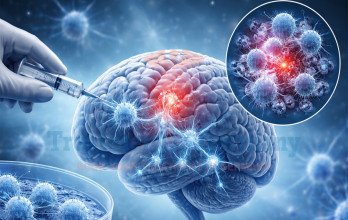
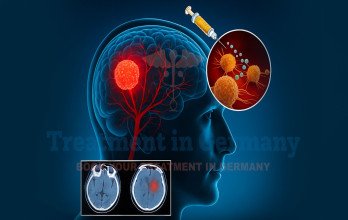
Dendritic cells act as the immune system’s instructors. They present tumour targets to T-cells, the immune cells that carry out an attack.In practice, immune cells are collected from the patient’s blood, matured into dendritic cells in a specialised laboratory, loaded with antigens from the patient’s own tumour tissue, and then returned as a personalised vaccine [3]. The goal is to train the immune system to seek out and destroy remaining glioblastoma cells.

This is a fundamentally different approach from chemotherapy, which primarily targets rapidly dividing cells. Dendritic cell vaccines are designed to induce a tumour-specific immune response, which is why they are combined with standard treatment rather than used alone.
Eligibility for Dendritic Cell Therapy
Eligibility for dendritic cell therapy is confirmed by a specialist after reviewing the full clinical picture. It is generally considered for:
- Patients with newly diagnosed or recurrent glioblastoma seeking an immune-based addition to standard care.
- Individuals with an adequate performance status able to mount an immune response.
- Those whose tumour tissue is available to prepare a personalised vaccine.
Patients with severe immune deficiency, uncontrolled infection, or very poor overall health are usually not suitable.
What Is the Prognosis for Stage 4 Glioblastoma?
The prognosis for stage 4 glioblastoma varies from one patient to another and depends on several clinical and molecular factors, including age, overall health, tumour location, extent of surgical removal, and biomarkers such as MGMT promoter methylation and IDH status. Although glioblastoma remains one of the most aggressive primary brain tumours, advances in surgery, radiotherapy, chemotherapy, Tumor Treating Fields (TTFields), and emerging immunotherapies have helped improve survival for some patients. Understanding what current evidence shows about curability and long-term disease control helps patients make informed treatment decisions with their healthcare team
Is Stage 4 Glioblastoma Curable?
Based on current evidence, grade 4 glioblastoma is not considered curable because tumour cells spread microscopically into the surrounding brain tissue, making complete removal impossible. Even after surgery and additional treatments, tumour recurrence is expected in most patients. Current treatment therefore focuses on controlling tumour growth, preserving neurological function, maintaining quality of life, and extending survival wherever possible [3].
Can Some Patients Achieve Long-Term Disease Control?
A minority of patients do far better than the averages. Some live well beyond the typical timeframe, particularly those with favourable factors such as younger age, complete surgical removal, and a methylated MGMT promoter.Long-term follow-up from the dendritic cell vaccine study reported that 15.5% of vaccinated patients were alive at 48 months, compared with 9.9% of controls [4]. This group of longer-term survivors remains an important focus of ongoing research.
Clinical Evidence for Dendritic Cell Therapy

Research into dendritic cell therapy continues to explore its role alongside standard glioblastoma treatment. Current evidence focuses on survival outcomes, safety, ongoing clinical research, and how this personalised immunotherapy is being used in Germany.
Key Clinical Trial Findings
The strongest evidence comes from a large phase 3 study of DCVax-L, an autologous tumour lysate-loaded dendritic cell vaccine, added to standard treatment. In newly diagnosed patients, median overall survival was 19.3 months from randomisation, compared with 16.5 months for matched external controls (hazard ratio 0.80). The relative benefit appeared to grow over time, with 15.5% of vaccinated patients alive at 48 months versus 9.9% of controls [4]. Reviews of recent glioblastoma trials describe this as one of the few studies in years to suggest a survival benefit from immunotherapy in this disease. Because the trial used external rather than randomised concurrent controls, these findings are promising but not definitive, and further study is ongoing [5].
Regulatory Status and Treatment Availability in Germany
Dendritic cell therapy is not part of routine standard care for glioblastoma. It is offered at selected specialised centres in Germany as an individualised option alongside standard treatment.Germany also has a strong network of academic neuro-oncology programmes running glioblastoma clinical trials in Germany, including vaccine and other immunotherapy studies [9]. Patients considering personalized cancer immunotherapy should discuss the potential benefits, limitations, and evidence with their treating specialists before deciding.
What Are the Risks and Side Effects of Grade 4 Glioblastoma Treatment?

Every treatment has potential side effects, but these vary depending on the therapy used and the individual patient. Understanding the expected risks helps patients prepare for treatment and manage side effects with their healthcare team.
Side Effects of Standard Glioblastoma Treatments
Every glioblastoma treatment carries potential side effects, which the treating team manages closely. The most common depend on the specific treatment.
- Surgery, which carries risks of bleeding, infection, and temporary or lasting neurological changes depending on tumour location.
- Radiation therapy, which can cause fatigue, hair loss at the treatment site, and brain swelling.
- Temozolomide chemotherapy, which can lower blood counts, cause nausea, and increase infection risk.
- Tumor Treating Fields, most often associated with skin irritation under the device, with no serious device-related events in real-world analysis [10].
Safety Profile of Dendritic Cell Therapy
Dendritic cell therapy has a favourable safety profile. In the phase 3 glioblastoma study, adding the vaccine was associated with low toxicity, and serious vaccine-related events were uncommon [3].Across dendritic cell vaccination trials in cancer more broadly, the vaccines were generally well tolerated, with mostly mild-to-moderate grade 1 to 2 side effects such as low-grade fever, fatigue and injection-site reactions [8]. This favourable safety profile is one reason it is studied as an addition to standard treatment.
Why Choose Germany for Stage 4 Glioblastoma Treatment?
Germany is recognised for its specialised neuro-oncology centres, advanced diagnostic capabilities, and multidisciplinary approach to brain tumour care. These strengths make it a destination for international patients seeking comprehensive glioblastoma treatment.
Specialized Neuro-Oncology Centers for Glioblastoma Treatment
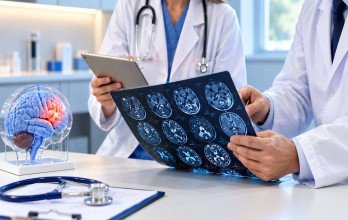
Patients treated at leading German neuro-oncology centres benefit from experienced neurosurgical teams, advanced molecular diagnostics, and access to innovative therapies within a well-coordinated healthcare system [9]. Multidisciplinary tumour boards bring together neurosurgeons, radiation and medical oncologists, neuro-radiologists and pathologists to develop an individual treatment plan for each patient.
This multidisciplinary approach is particularly valuable for a disease as complex as glioblastoma, giving international patients access to precision diagnostics, clinical trials, and immune-based treatment options. Several of the leading centres and best glioblastoma hospitals in Germany are outlined below.

The strength of these centres lies in their multidisciplinary tumour boards and their access to precision diagnostics, immunotherapy, and trials under one roof.
Cost of Stage 4 Glioblastoma Treatment in Germany
The cost of treatment depends on the therapies included in the personalised treatment plan. Understanding the main cost components helps patients plan for treatment and make informed financial decisions.The overall glioblastoma treatment cost in Germany depends on the plan, since surgery, radiation, chemotherapy, imaging, and any advanced options each have their own requirements.

The cost of dendritic cell therapy is generally consistent because the treatment follows a standardised laboratory preparation and vaccination process. It is delivered by Prof. Gansauge at LDG Laboratories, who specialises in personalised dendritic cell immunotherapy and cellular cancer treatments, and the complete course costs approximately €27,000. This covers the laboratory preparation of the personalised vaccine, the scheduled injections, and the associated assessments.

Several factors shape the final figure, including the extent of surgery, the number of radiation and chemotherapy cycles, the diagnostic and molecular testing required, and the length of any hospital stay.
What Is the Glioblastoma Treatment Journey for International Patients?
For international patients, receiving glioblastoma treatment in Germany involves a structured process from the initial medical review to long-term follow-up. TIG GmbH coordinates each stage to make treatment planning and travel as smooth as possible.
- Medical report review, allowing specialists to evaluate medical records before travel.
- Specialist consultation and second opinion to confirm the diagnosis, MRI findings, pathology and molecular profile.
- Personalized treatment planning by a multidisciplinary neuro-oncology team.
- Medical visa assistance, invitation letters, travel arrangements and interpreter support.
- Standard treatment, including surgery, radiotherapy and chemotherapy where appropriate.
- Advanced treatment options such as Tumor Treating Fields or dendritic cell therapy for eligible patients.
- Follow-up care and ongoing communication with the treating specialists after treatment.
A consultation is usually the first step, and TIG GmbH coordinates the medical, travel, and logistical arrangements throughout the treatment journey.
Why Choose TIG for Stage 4 Glioblastoma Treatment in Germany?
TIG GmbH helps international patients access stage 4 glioblastoma treatment in Germany through personalized medical coordination and ongoing support. The service works alongside the treating specialists by arranging hospital appointments, specialist matching, travel planning, interpreter services, and follow-up care, making the treatment process more organized and convenient for international patients.
References
Why Patients Worldwide Prefer Our Medical Services in Germany – Key Benefits Explained














.webp)
 (1).webp)
.webp)
.jpg)
 (1).webp)
.jpg)