
Learn how colorectal cancer stages influence survival and explore treatment options in Germany, including TACE, personalized immunotherapy, and coordinated support for international patients through TIG.
Colorectal cancer develops when abnormal cells form in the inner lining of the colon or rectum and gradually grow into deeper layers of the intestinal wall. Over time, these cells may spread to nearby lymph nodes or distant organs such as colorectal cancer with liver metastases or lungs. When the disease extends beyond the primary site, management becomes more complex and requires structured, long-term planning rather than a single intervention.
Survival outcomes vary significantly depending on stage at diagnosis, tumor biology, response to therapy, and overall health condition. Germany has become a recognized destination for patients seeking treatment for colorectal malignancies, supported by regulated pathways within leading German healthcare centers and German oncology centers.
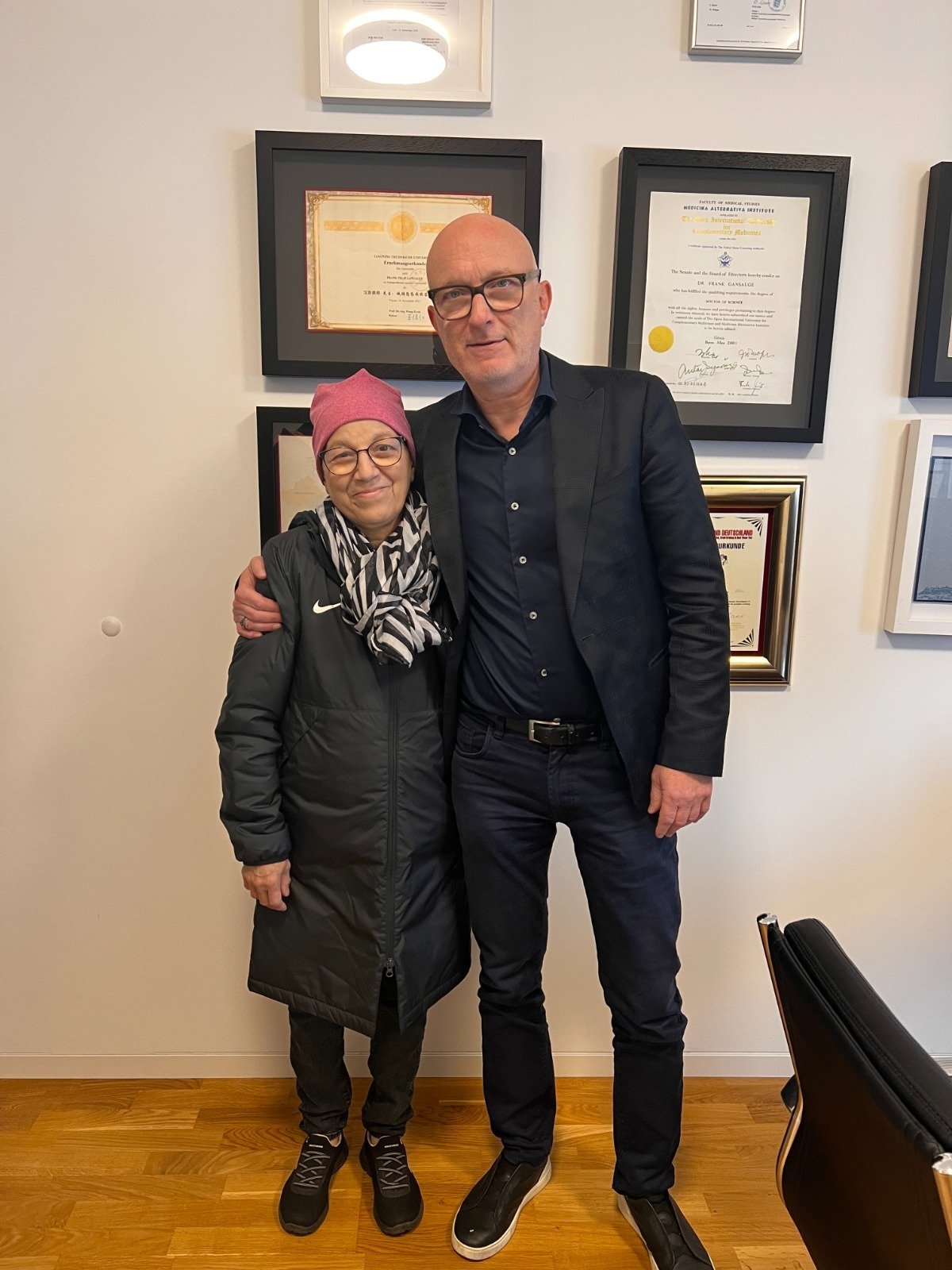
Clinical programs associated with Prof. Thomas J. Vogl, known for advanced interventional oncology procedures, and Prof. Gansauge, recognized for advanced cell-based immunotherapy, operate within multidisciplinary hospital frameworks. Patients benefit from individualized planning and access to latest cancer treatments for colorectal cancer in Germany, where therapy decisions are guided by structured evaluation.

Staging describes how far colorectal cancer has progressed at the time of diagnosis. In early stages, the tumor is limited to the inner layers of the colon or rectum. In intermediate stages, nearby lymph nodes may be involved. Advanced stages include spread to distant organs, most commonly the liver or lungs.
Survival expectations are closely linked to stage. Early detection generally allows more treatment options and more favorable outcomes, while advanced metastatic disease requires systemic and interventional strategies. Within German oncology centers, survival discussions are individualized rather than based on generalized numbers. Physicians assess tumor characteristics, genetic markers, patient age, and overall health before discussing prognosis. This structured approach aligns with international oncology standards and emphasizes realistic, medically guided expectations.
Diagnostic Evaluation and Staging in Germany
Accurate staging is essential before determining therapy. Hospitals providing colorectal cancer treatment in Germany use comprehensive diagnostics that integrate imaging, pathology, and laboratory evaluation. High-resolution CT scans are performed to assess tumor size, lymph node involvement, and possible distant metastases.
When further clarification of metastatic spread is needed, PET scans may be used to evaluate metabolic activity in suspicious areas. MRI is particularly important in rectal cancer staging and in assessing liver metastases. Colonoscopy with biopsy confirms the diagnosis and determines tumor histology. Molecular testing may identify specific genetic features that influence treatment selection. This systematic diagnostic pathway reflects the use of latest medical technology in Germany, ensuring that staging is accurate before therapy begins.

In advanced colorectal cancer, the liver is one of the most common sites of metastasis. TACE Treatment, or transarterial chemoembolization for colorectal cancer, is evaluated in selected patients with liver-dominant metastatic disease. This interventional therapy works through a dual mechanism. First, chemotherapy is delivered directly into the arteries supplying liver tumors, allowing a higher local drug concentration. Second, embolization is performed to partially block blood flow to the tumor, limiting oxygen and nutrient supply.
Before the procedure, detailed imaging is performed to map the vascular supply of liver lesions. During the intervention, a catheter is inserted through a peripheral artery and guided to the artery feeding the tumor. Chemotherapy is infused directly into the target area, followed by embolic particles to block the blood flow.
Patients are monitored for several hours after treatment, and follow-up imaging with CT scans or MRI assesses tumor response and determines whether additional sessions are required. The cost of TACE treatment typically ranges between €8,000–€9,000 per session depending on complexity, including imaging guidance and post-procedural monitoring. TACE Treatment represents one of the structured innovative treatment options in Germany for selected metastatic colorectal cancer cases.

Immunotherapy is considered in selected colorectal cancer patients, particularly when molecular and clinical features suggest potential benefit. Immunotherapy Dendritic Cell Therapy in Germany is a personalized immune-based strategy designed to enhance the body’s ability to recognize tumor cells.
The process begins with collection of immune cells (monocytes) from the patient’s blood through leukapheresis. These monocytes are processed in an EU GMP-certified laboratory, where they are differentiated into dendritic cells capable of presenting tumor-associated antigens. During laboratory preparation, the cells are exposed to tumor-specific markers to create a personalized dendritic cell vaccine. This vaccine is administered through scheduled injections under medical supervision.
Monitoring includes clinical evaluation, laboratory immune profiling, and imaging such as PET scans or MRI to assess response. The Cost of Immunotherapy Dendritic Cell Therapy in Germany is €26,000, covering immune cell collection, laboratory processing, vaccine preparation, and administration. This therapy reflects the availability of innovative treatment options in Germany within multidisciplinary oncology programs.
New Clinical Trials in Germany for Colorectal Cancer
Access to new clinical trials in Germany provides additional options for eligible patients. Research programs within German oncology centers evaluate targeted therapies, immune-based combinations, and interventional strategies for advanced colorectal cancer.
Eligibility depends on tumor genetics, prior treatments, and overall health status. Each case undergoes structured evaluation before enrollment. While participation does not guarantee specific outcomes, it allows access to therapies aligned with ongoing research in new and innovative cancer treatments in Germany and is conducted under strict ethical oversight.
Combining Advanced Treatment Approaches in Germany
Management of advanced colorectal cancer often requires integration of multiple therapies. Surgery, systemic chemotherapy, TACE Treatment, and immune-based strategies may be combined depending on stage and metastatic pattern.
Multidisciplinary tumor boards within German healthcare centers review imaging, pathology findings, and patient condition to determine appropriate sequencing. Careful coordination helps minimize overlapping toxicity while supporting both local tumor control and systemic disease management. This collaborative framework contributes to Germany’s reputation for housing the best oncologist in Germany, where treatment planning is structured and evidence-based.
When evaluating treatment strategies across different colorectal cancer stages, both benefits and limitations must be considered carefully. Within German oncology centers, multidisciplinary tumor boards review imaging, pathology, and overall health status before recommending surgery, systemic therapy, TACE Treatment, or Immunotherapy Dendritic Cell Therapy. This coordinated planning allows therapies to be sequenced appropriately, particularly in advanced cases involving liver metastases.
TACE Treatment may help control liver-dominant metastases by delivering targeted chemotherapy directly to tumor-feeding vessels while limiting systemic exposure. However, it may not be suitable for patients with impaired liver function or widespread extrahepatic disease.
Similarly, Immunotherapy Dendritic Cell Therapy in Germany, which uses a personalized dendritic cell vaccine derived from immune cells (monocytes), depends on tumor biology and immune responsiveness. Within German healthcare centers, treatment discussions focus on realistic expectations, individualized assessment, and structured decision-making as part of comprehensive treatment in Germany.

International Patient Support through Treatment in Germany
Access to advanced metastatic colorectal cancer management requires coordinated logistical planning. Through Treatment in Germany (TIG), medical documentation is reviewed prior to travel to ensure appropriate specialist referral and structured treatment planning. Appointment scheduling, hospital coordination, travel arrangements, and medical visa documentation (if needed) are organized in advance.
Patients may get a free consultation with TIG (Treatment in Germany) at www.treatmentingermany.de. to receive individualized guidance and coordinated access to specialized oncology centers.
🌍Why Patients Worldwide Prefer Our Medical Services in Germany – Key Benefits Explained:


Colorectal cancer treatment options in Germany include TACE Treatment in Germany and Immunotherapy Dendritic cell therapy in Germany based on medical evaluation.
Yes, survival expectations vary depending on stage, tumor biology, and response to therapy.
TACE Treatment helps control liver metastases by delivering targeted chemotherapy and reducing tumor blood supply.
It is a personalized immune-based therapy using a dendritic cell vaccine derived from immune cells (monocytes).
Yes, innovative treatment options in Germany are evaluated for selected patients.
Yes, eligible patients may participate in new clinical trials in Germany after evaluation.
Combination of TACE Treatment and Immunotherapy Dendritic cell therapy in Germany may be considered after evaluation.
No, dendritic cell immunotherapy in Germany is not FDA-approved in the USA but adheres to strict EU-GMP standards, ensuring safety and quality for international patients.
Germany has many highly experienced oncologists and specialized cancer centers known for advanced diagnostics and personalized treatment approaches. The “best” cancer specialist depends on the specific cancer type and treatment needs. Some of the most recognized cancer experts include professors working at leading hospitals such as Charité University Hospital (Berlin), University Hospital Heidelberg, University Hospital Munich (LMU), and Frankfurt University Hospital.
Kindly complete the form below, and our dedicated team will reach out to you promptly. We look forward to connecting with you soon!
Trierer Straße, 56072 Koblenz, Germany

Our benefits:
.webp)
 (1).webp)
.webp)
 (1).webp)
.jpg)