

Bladder cancer treatment in Germany with targeted embolization treatment, dendritic cell immunotherapy, advanced diagnostics, and international patient support through TIG.
Bladder Cancer Treatment: New and Standard Treatment Options in Germany
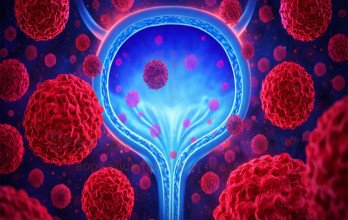
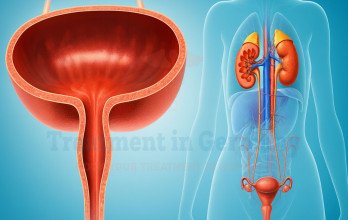
Bladder cancer is a malignant disease that develops in the lining of the urinary bladder and is one of the most common cancers affecting the urinary tract. According to Global Cancer Statistics 2022, bladder cancer accounted for 614,298 new cases and 220,596 deaths worldwide in 2022 [1]. The disease occurs more frequently in older adults and is associated with risk factors such as tobacco exposure, chemical exposure in industrial occupations, and chronic irritation of the bladder.
Data from the SEER Cancer Stat Facts report that the 5-year relative survival rate for bladder cancer diagnosed between 2013 and 2019 was 77.9 percent overall [2]. Survival varies significantly by stage, and the 5-year relative survival rate for distant metastatic bladder cancer was 8.3 percent [2]. These differences highlight the importance of bladder cancer early detection and timely treatment.
Early recognition of bladder cancer symptoms such as blood in the urine, urinary urgency, and pelvic discomfort can lead to earlier diagnosis. Patients receive treatment in specialized German healthcare centers operating under structured oncology programs. Prof. Vogl is recognized as an expert in image-guided interventional oncology and embolization therapies, while Prof. Gansauge specializes in regulated cellular immunotherapy programs, including Immunotherapy Dendritic Cell Therapy. This coordinated system provides access to innovative cancer treatments supported by the latest medical technology in Germany.
Bladder Cancer and Its Types

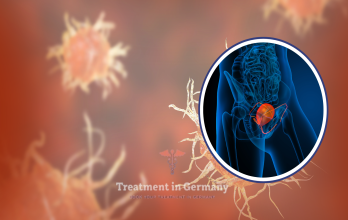
Bladder cancer develops when abnormal cells grow in the bladder lining and form a bladder tumor. These tumors may remain limited to the bladder lining or invade deeper layers of the bladder wall and surrounding tissues. Identifying the biological subtype of bladder cancer is important because treatment strategies differ depending on tumor characteristics. In specialized oncology programs and best bladder cancer treatment centers in Germany, detailed diagnostic evaluation helps physicians identify tumor type and develop individualized treatment plans.

The most common form is urothelial carcinoma, which originates from the cells lining the bladder and accounts for the majority of cases [3]. Patients diagnosed with this subtype often search for urothelial carcinoma treatment in Germany, where specialized oncology centers provide advanced diagnostic evaluation and personalized therapies. Other types include squamous cell carcinoma, which may develop after long-term irritation of the bladder, and adenocarcinoma, which arises from glandular cells in the bladder wall. In these less common forms of bladder cancer, consultation with a bladder cancer specialist in Germany may help determine the most appropriate treatment strategy.
Another key factor in treatment planning is the classification of bladder cancer stages. Early-stage tumors remain limited to the bladder lining, while advanced disease may spread into the bladder muscle or nearby organs. When cancer spreads beyond the bladder to distant organs, it is classified as stage 4 bladder cancer, which requires comprehensive treatment planning.
Bladder Cancer Symptoms and Diagnosis
Early recognition of bladder cancer symptoms plays an important role in diagnosis and treatment planning. The most common symptom is hematuria, which refers to visible blood in the urine. Other symptoms may include urinary urgency, frequent urination, or discomfort during urination.
Diagnosis typically begins with imaging studies and cystoscopy, which allows treating physicians to directly examine the bladder. If a suspicious lesion is detected, biopsy of the bladder tumor confirms the diagnosis and determines tumor stage and grade [4].
In advanced cases, cancer may spread beyond the bladder to lymph nodes or distant organs. This condition is referred to as stage 4 bladder cancer, and physicians evaluate metastatic bladder cancer prognosis based on tumor biology, disease distribution, and patient health.
Standard Treatment Options for Bladder Cancer
Treatment for bladder cancer depends on tumor stage, biological characteristics, and patient health status. Early-stage tumors may be treated with transurethral resection followed by intravesical therapy to reduce recurrence risk.
For muscle-invasive disease, radical cystectomy may be required to remove the bladder and surrounding tissues. Chemotherapy for bladder cancer is often used before surgery to shrink tumors or after surgery to reduce recurrence risk [5]. In metastatic disease, chemotherapy may also be used as systemic therapy.
Another important treatment approach is immunotherapy for bladder cancer, which stimulates the immune system to attack tumor cells. Immune checkpoint inhibitors are widely used in advanced bladder cancer when other treatments are no longer effective.
Targeted Embolization Treatment for Bladder Cancer in Germany

Targeted embolization Treatment is a minimally invasive interventional oncology procedure designed to block the blood vessels supplying tumor tissue. This therapy may be considered in selected patients with advanced bladder cancer or metastatic disease where localized tumor control is required.
The procedure begins with detailed imaging evaluation to map the vascular supply of the tumor. Under real-time imaging guidance, a catheter is inserted through a small arterial access point and advanced toward the vessels feeding the tumor. Once the correct position is confirmed, embolic materials are delivered to block the tumor blood supply.
By blocking the blood flow, Targeted embolization treatment can induce localized tumor necrosis and slow tumor progression. Follow-up imaging helps determine whether additional treatment sessions are needed. The cost of TACE therapy in Germany typically ranges between €8,000 and €9,000 per session, depending on individualized clinical planning.
Immunotherapy Dendritic Cell Therapy for Bladder Cancer in Germany

Immunotherapy Dendritic Cell Therapy is a personalized immune-based treatment approach used in selected bladder cancer patients. This dendritic cell therapy cancer treatment begins with a comprehensive medical evaluation to assess tumor characteristics, immune status, and previous therapies.
The treatment process starts with the collection of immune cells from the patient’s blood. These cells include monocytes, which are isolated and transferred to an EU-GMP-certified laboratory. Under controlled laboratory conditions, these monocytes are cultured and differentiated into dendritic cells capable of presenting tumor antigens to the immune system.
During preparation, dendritic cells are exposed to tumor antigens derived from the patient’s cancer, resulting in a dendritic cancer vaccine designed to stimulate targeted immune responses. After quality control testing, the vaccine is administered intradermally according to a structured schedule.
Potential benefits of dendritic cell therapy include improved immune recognition of cancer cells. Reported dendritic cell therapy side effects are usually mild and may include fatigue or temporary fever. The cost of Dendritic Cell Therapy in Germany is €27,000, and the treatment is delivered within regulated cellular immunotherapy programs.
New Clinical Trials and Emerging Therapies for Bladder Cancer in Germany
Clinical research continues to explore innovative treatment approaches for bladder cancer, particularly for patients with advanced or recurrent disease. Many oncology institutions in Germany participate in international research collaborations evaluating new systemic therapies, targeted treatments, and immune-based strategies designed to improve patient outcomes. Access to these research programs allows eligible patients to receive emerging treatments under carefully regulated clinical protocols.
Participation in a new clinical trial for bladder cancer in Germany may be considered when standard therapies are not sufficient or when physicians believe that investigational therapies may provide additional benefit. These studies are conducted under strict regulatory supervision to ensure patient safety and scientific integrity. German oncology centers often collaborate with global research networks and academic institutions to evaluate new therapeutic combinations and treatment strategies.
For international patients, consultation with experienced oncology specialists helps determine whether participation in a clinical trial may be appropriate. Multidisciplinary tumor boards review each case to assess eligibility and align treatment recommendations with current research developments. This structured approach ensures that patients have access to innovative bladder cancer treatment options while maintaining high standards of medical care.
Limitations and Considerations in Advanced Bladder Cancer
Bladder cancer outcomes depend on tumor stage, biological characteristics, and overall patient health. While early-stage disease may be treated successfully with localized therapies, advanced disease requires complex multidisciplinary management. The survival rate for advance bladder cancer depends on tumor stage, biological characteristics, and response to treatment.
Patients with stage 4 bladder cancer often require systemic therapy combined with targeted treatments. In such cases, tumor biology and treatment response strongly influence metastatic bladder cancer prognosis. Multidisciplinary tumor board discussions help physicians integrate surgery, systemic therapy, immunotherapy, and interventional oncology techniques into individualized treatment plans.
International Patient Support through Treatment in Germany (TIG)
For international patients, planning bladder cancer treatment in Germany can involve several challenges, including medical record review, hospital coordination, appointment scheduling, travel planning, and documentation. Managing these steps while dealing with a cancer diagnosis can be stressful for patients and their families.
TIG (Treatment in Germany) at www.treatmentingermany.de helps coordinate the entire process, including communication with oncology centers, travel arrangements, and medical visa assistance for international patients (if required). Patients can also request a free consultation with TIG (Treatment in Germany) to receive personalized guidance and coordinated access to specialized cancer treatment centers in Germany.

References
1- Bray F, Laversanne M, Sung H, et al. Global Cancer Statistics 2022. CA Cancer J Clin. Open Access.
2- National Cancer Institute. SEER Cancer Stat Facts: Bladder Cancer. Public Registry.
3- American Cancer Society. Bladder Cancer Overview. Open Access.
4- Babjuk M, Burger M, Comperat EM, et al. Bladder cancer diagnosis and management. PMC Free Article.
5- Lenis AT, Lec PM, Chamie K, et al. Bladder cancer: epidemiology and treatment. PMC Free Article.
🌍Why Patients Worldwide Prefer Our Medical Services in Germany – Key Benefits Explained:


















.webp)
 (1).webp)

.webp)


.jpg)

 (1).webp)

.jpg)