
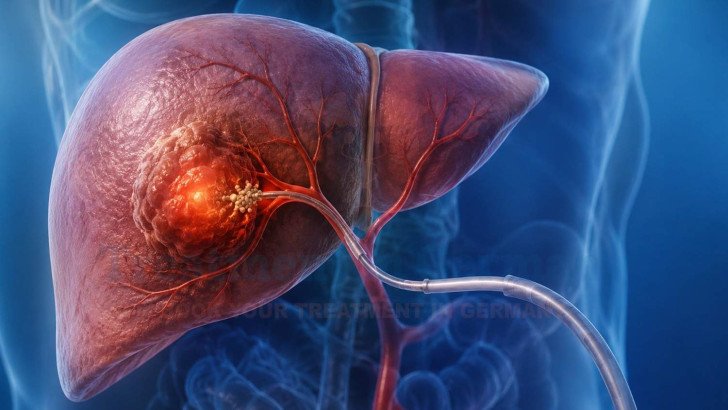
This blog offers a concise guide to TACE treatment, explaining how it works, who is suitable, and its common side effects. It also highlights the cost of TACE in Germany to help patients make informed decisions.
What is Transarterial Chemoembolization (TACE)?
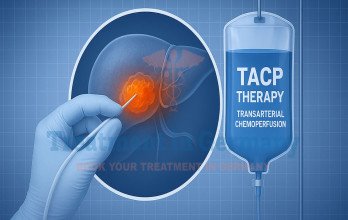
Transarterial Chemoembolization (TACE) is a minimally invasive interventional oncology procedure developed in the late 20th century to deliver chemotherapeutic agents directly to tumors while simultaneously inducing arterial embolization to restrict tumor blood supply. Over time, it has become an established locoregional therapy for primary and secondary liver malignancies, particularly in patients who are not candidates for surgical resection or transplantation. In contemporary clinical practice, TACE treatment in Germany is used as part of a structured treatment strategy to control tumor growth and support long-term disease management. The procedure combines intra-arterial chemotherapy with embolization, allowing a higher concentration of drugs at the tumor site while minimizing systemic exposure.

TACE is also applied in liver metastases, where cancers originating from organs such as the colon, pancreas, or breast spread to the liver. By electively targeting tumor-feeding arteries, the procedure reduces damage surrounding healthy hepatic tissue and enhances therapeutic precision. Evidence from randomized controlled trials and meta-analyses demonstrates that TACE improves survival compared to those receiving supportive care alone, particularly in unresectable cases [1]. This makes TACE an important option in interventional oncology, particularly for cancer patients in Germany as well as international patients seeking localized tumor control. For patients exploring cancer treatment options, early evaluation plays an important role in determining suitability. A personalized assessment by specialists can help identify whether TACE is an appropriate option based on the individual condition. TACE is typically indicated for patients with unresectable disease who are not eligible for curative therapies or have limited response to systemic treatments. At this stage, the focus often shifts from curing the disease to controlling tumor growth and maintaining quality of life.
How TACE Works to Treat Liver Cancer and Cancers with Liver Metastases
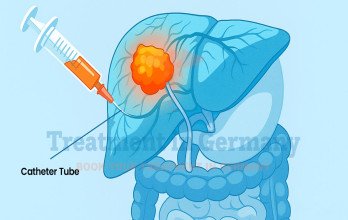
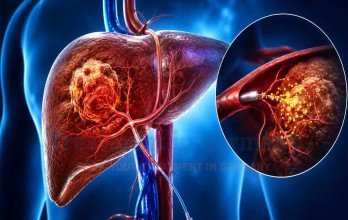
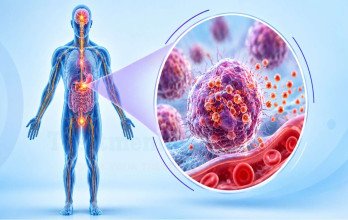
The mechanism of transarterial chemoembolization (TACE) involves the intra-arterial delivery of chemotherapeutic agents into vessels supplying the tumor, making it a locoregional treatment option for liver malignancies, including metastatic disease. During the TACE procedure, a catheter is carefully guided through arterial system under imaging guidance to selectively access the tumor-feeding vessels. Once positioned, chemotherapy drugs are administered directly into the tumor-feeding circulation, ensuring a high local concentration while limiting exposure to the rest of the body.
Following chemotherapy delivery, embolic agents are administered to occlude the tumor’s arterial supply, thereby reducing oxygen and nutrient delivery required for tumor survival. The combination of cytotoxic chemotherapy and arterial embolization produces a synergistic effect, enhancing antitumor efficacy. Clinical evidence has shown that this process can lead to tumor necrosis and measurable disease response when evaluated through imaging studies [2]. The ability to combine localized drug delivery with blood supply restriction makes TACE distinct from conventional systemic treatments.
Why TACE is considered an Effective Treatment in Interventional Oncology?
TACE is recognized as an important option among interventional oncology treatments in Germany, offering a minimally invasive approach for patients who are not suitable candidates for surgery. One of the main benefits of TACE procedure is its ability to deliver treatment directly to the tumor while preserving surrounding healthy tissue. Because the treatment is focused on the tumor, systemic adverse effects are generally reduced compared with conventional systemic therapies. This can be especially important for patients who may not be able to tolerate aggressive systemic treatments due to their overall health condition.
The concept of targeted liver therapy plays a central role in this procedure, as it allows treating physicians to focus treatment on tumor vasculature rather than exposing the entire body to chemotherapy. Clinical data have shown that TACE can improve overall survival and disease control in selected patient populations, particularly in hepatocellular carcinoma, supporting its role in contemporary oncology practice [3]. The observed TACE effectiveness makes it a valuable option in managing cancers that require localized intervention.
TACE as a Targeted Liver Cancer Treatment Compared to Systemic Chemotherapy
When comparing TACE vs chemotherapy, the primary distinction lies in the route of drug delivery and its systemic impact. Systemic chemotherapy circulates throughout the bloodstream, affecting both malignant and normal cells, and is therefore associated with systemic adverse effects, which often leads to widespread side effects. In contrast, TACE delivers chemotherapeutic agents directly to the tumor via the hepatic arterial supply, enabling a localized and controlled treatment approach.
The benefits of chemoembolization include higher drug concentration and reduces exposure to healthy tissues, which helps minimize side effects. This approach also supports targeted treatment for liver metastases, where controlling tumor growth within the liver is essential for overall disease management. Clinical studies demonstrated that TACE improves tumor control compared with best supportive care in selected patients, particularly in hepatocellular carcinoma. [1]. This makes it a preferred option in cases where localized therapy is required.

Which Types of Metastatic Tumors Can Be Treated with TACE?
Transarterial Chemoembolization is used across a broad range of malignancies and is commonly applied in several cancers treated with TACE, particularly when tumors involve the liver either as a primary site or through spread from other organs. This includes primary liver cancers such as hepatocellular carcinoma and cancers arising from the bile ducts within the liver. In addition, TACE is used in liver metastases cancers, where tumors from other parts of the body, including the colon, breast, pancreas, and certain soft tissue tumors, spread to the liver and require localized treatment.
The role of TACE in secondary liver tumors treatment becomes especially important when surgical removal is not possible or when multiple lesions are present. It is also considered particularly in cases such as such as hepatocellular carcinoma and intrahepatic cholangiocarcinoma. In addition, TACE is used in liver metastases cancers, where tumors from other parts of the body including those arising from primary tumors such as colorectal cancer, breast cancer, pancreatic cancer, and certain soft tissue sarcomas.
Diagnosis and Pre-Treatment Evaluation before TACE Procedure
Before undergoing TACE, patients require a comprehensive pre-treatment evaluation to determine whether the procedure is appropriate and safe. This evaluation includes imaging studies such as MRI scan, CT scan, along with laboratory tests and, in selected cases, biopsy, to provide detailed information on tumor size, location, and overall clinical status. These investigations are essential for planning the procedure and enabling accurate targeting of tumor-feeding vessels.
Liver function assessment is particularly important, as the treatment involves altering blood flow within the liver. Blood tests are used to evaluate liver enzyme levels, coagulation parameters, and overall hepatic function. This detailed evaluation allows physicians to select suitable candidates and reduce the risk of complications. Proper pre-procedural preparation plays a critical role in optimizing treatment efficacy and safety
Step-by-Step Treatment process and Duration of TACE Treatment
Transarterial Chemoembolization follows a structured and carefully planned approach to ensure precise delivery of treatment and patient safety. The procedure is performed by radiologists using real-time imaging guidance, allowing accurate targeting of tumor-feeding vessels while minimizing impact on surrounding healthy tissue. Understanding each step of the process helps patients feel more informed and prepared for the treatment journey.
Step 1: Catheter Insertion and Guidance
The TACE procedure steps begin with the insertion of a catheter into a blood vessel, usually through a small incision. Using real- fluoroscopic guidance, the catheter is navigated to the arteries supplying the tumor. This precise positioning is essential to ensure that the treatment is delivered accurately to the targeted area.
Step 2: Targeted Chemotherapy Delivery
Once the catheter is correctly positioned, chemotherapy is delivered directly into the tumor-feeding blood vessels. This allows a high concentration of the drug to reach the tumor while minimizing exposure to the rest of the body, making the treatment more localized and controlled.
Step 3: Embolization to Block Blood Supply
After chemotherapy delivery, embolic agents are introduced to block the blood flow to the tumor. This step enhances treatment effectiveness by cutting off oxygen and nutrients required for tumor growth, ensuring maximum impact of the therapy.
Step 4: Treatment Duration and Monitoring
The TACE treatment duration is approximately 30 minutes for the procedure itself; however, the entire process can take 7 to 8 hours, including imaging, preparation, recovery, and post-procedure monitoring.Understanding how TACE is performed helps patients feel more prepared and informed about the procedure.
Step 5: Post-Treatment Care and Follow-Up
After the procedure, patients are monitored for recovery to ensure stability. Follow up imaging is performed to assess treatment response, evaluate tumor characteristics, and guide further management, including the need for additional treatment sessions.

Can TACE Be Combined with Other Cancer Treatments?
TACE is increasingly combined with systemic therapies, including chemotherapy and immunotherapy, to improve overall treatment outcomes. This approach allows different treatment methods to work together, targeting cancer through multiple mechanisms. It is particularly useful in advanced cases where a single treatment approach may not be sufficient to control disease progression.
As part of multimodal cancer treatment, TACE complements systemic therapies by providing locoregional tumor control while systemic treatments address extrahepatic disease. Emerging clinical evidence suggests that combining TACE with systemic therapies may improve objective response rates and disease control in selected patient populations, particularly in hepatocellular carcinoma [4]. This integrated approach reflects the evolving strategy in modern cancer care.
Who is Eligible for TACE Treatment?
Selecting appropriate candidates for transarterial chemoembolization (TACE) requires a thorough and structured clinical assessment by the treating physician within a multidisciplinary framework. Factors such as tumor size, number of lesions, liver function, and performance status are carefully evaluated prior to treatment. TACE is commonly considered in patients who are not suitable for surgical resection but still require active tumor control.
The therapy is often used in cases of advanced stage cancer or stage 4 cancer, particularly when the disease is localized within the liver or predominantly affects it. Established TACE eligibility criteria includes preserved liver function and absence of contraindications such as uncontrolled infection, hepatic decompensation, or liver failure Careful patient selection is essential to ensure that the treatment provides benefit while minimizing potential risks.
Not sure if you are eligible for TACE treatment?
Get a free case evaluation by submitting your medical reports through Treatment in Germany and receive expert guidance from specialists in Germany.
How to know if TACE Treatment is working
The response to TACE is evaluated through imaging studies and clinical follow-up rather than immediate symptom changes. One of the key indicators is radiologic tumor response on follow-up imaging, including changes in lesion size and the presence of tumor necrosis. The survival rate after TACE is closely linked to how effectively the tumor responds to treatment over time.
Typically, imaging is performed several weeks after the procedure to evaluate treatment outcomes. Treating physicians assess not only tumor shrinkage but also changes in blood supply within the tumor. Stable disease or reduced tumor activity is considered a positive response. Regular monitoring allows adjustments in treatment planning and helps determine whether additional sessions may be required.
Clinical Outcomes and Success Rate of TACE Treatment
Clinical outcomes vary depending on tumor type, stage, and patient condition, but the success rate of TACE therapy in Germany is supported by structured clinical data. Clinical studies, including those conducted in the United States and other international cohorts, demonstrate that TACE can contribute to disease stabilization and improved survival when appropriately indicated.
The survival outlook of TACE depends on multiple factors, including tumor burden and liver function. Research has shown that TACE can improve overall survival compared with best supportive care in selected patient populations [1]. It is important to understand that outcomes differ between individuals, and the therapy is primarily aimed at controlling disease progression rather than offering a definitive cure.

Side Effects and Safety of (TACE) Treatment
The risks associated with transarterial chemoembolization (TACE) are generally manageable and are closely monitored during and after the procedure.One of the most common effects is post-embolization syndrome, which includes symptoms such as fever, fatigue, and abdominal discomfort. These effects are usually temporary and resolve with supportive care.
The side effects of TACE therapy are related to localized treatment rather than systemic toxicity, which generally improves tolerability compared with conventional systemic chemotherapy. Medical teams provide continuous monitoring to ensure safety and manage any complications promptly. Careful patient selection and procedural planning further reduce the likelihood of serious adverse effects.
Cost of TACE Treatment in Germany
The cost of TACE therapy in Germany is structured based on the number of sessions required and the complexity of the case. The cost of TACE Treatment in Germany typically ranges between €8,000 and €9,000 per session. This includes imaging guidance, catheter-based treatment, embolization materials, and post-procedure monitoring.
The frequency of treatment depends on clinical factors such as tumor response and progression, which is why how often TACE is repeated varies between patients. In clinical practice, specialists such as Prof. Vogl, an expert in embolization therapies, are involved in planning and performing these procedures with a focus on precision and patient safety. Patients are advised to review treatment plans carefully to understand the number of sessions required.
Scientific Background of TACE and How It Targets Tumor Blood Supply
The development of TACE is rooted in advances in interventional radiology, where targeted delivery of therapy became possible through catheter-based techniques. It is widely recognized that TACE emerged in the late 20th century as a method to combine localized chemotherapy with vascular occlusion. This concept is based on the understanding that tumors rely heavily on blood supply for growth and survival.
By selectively blocking the vessels supplying the tumor, TACE blocks oxygen and nutrient delivery while retaining chemotherapy within the tumor environment. This dual mechanism enhances treatment effectiveness and supports tumor control. Scientific studies have confirmed that blocking tumor blood flow leads to cell death and measurable treatment response [2]. This forms the basis of its continued use in oncology.
Is It Necessary to Repeat TACE Treatment?
In many cases, TACE is not a one-time procedure and may require multiple TACE sessions depending on the patient’s response and disease progression. The decision to repeat treatment is based on imaging findings, clinical evaluation, and overall treatment goals.
The need for repetition is often influenced by tumor burden and cancer stage, as larger or multiple tumors may require staged treatments. Repeat sessions are carefully planned to maintain effectiveness while preserving liver function. This approach allows physicians to manage disease over time and adapt treatment strategies as needed.

Why Germany is a Preferred Choice for TACE Treatment - Key Benefits
Germany is recognized for its highly organized healthcare system, advanced interventional oncology practices, and strict clinical standards, making it a preferred destination for patients seeking TACE treatment. The availability of modern imaging technologies, specialized treatment centers, and experienced medical teams ensures that procedures are performed with precision and careful planning. This structured environment supports safe treatment delivery, consistent monitoring, and individualized care based on each patient’s condition.
For international patients, including those traveling from the USA and Australia, the treatment process is further simplified through dedicated coordination services. Treatment in Germany is an officially registered platform that assists patients in accessing certified hospitals and experienced specialists. From medical case evaluation and appointment scheduling to treatment coordination and follow-up planning, every step is managed in a structured manner. Transparent cost planning and dedicated patient coordinators help ensure that the entire journey remains clear, organized, and focused on patient care.
Why Choose TIG (Treatment in Germany)
Treatment in Germany provides structured support for international patients seeking advanced cancer treatments such as TACE. The focus is on facilitating access to experienced specialists and certified hospitals in Germany while ensuring a well-organized treatment process. Services include medical case evaluation, coordination of specialist consultations, and assistance with treatment planning. Each step is managed to ensure clear communication, transparency in costs, and continuity of care before, during, and after treatment.
Your Treatment Process with Us – Step-by-Step Guide
Submit Medical Reports: Provide your recent medical records for initial assessment.
Report Review and Translation: Documents are organized and translated when required.
Specialist Evaluation: Your case is reviewed by experienced medical specialists.
Eligibility Confirmation: Suitable treatment options and eligibility are determined.
Personalized Treatment Plan: A treatment plan is created based on your specific condition.
Travel Support: Assistance with travel arrangements, including flights and stay.
Appointment Coordination: All hospital visits and procedures are scheduled in advance.
Interpreter Assistance: Language support provided during consultations and treatment.
Patient Support Services: Wheelchair or mobility assistance arranged if needed.
Daily Coordination: Ongoing management of appointments and medical activities.
Dedicated Coordinator: A personal coordinator supports you throughout your journey.
Final Medical Reports: Reports are translated and shared after treatment completion.
Billing Assistance: Transparent billing process with refund assurance where applicable.
Post-Treatment Support: Continued follow-up support for up to 24 months.
Transparent Pricing: Clear and upfront cost structure provided before treatment.
This step-by-step process ensures that patients experience a smooth, well-organized, and clearly guided journey from initial consultation through treatment and follow-up care. Contact us today to request your free consultation through Treatment in Germany and receive a personalized treatment plan along with expert medical opinion from leading specialists in Germany.

References
Why Patients Worldwide Prefer Our Medical Services in Germany – Key Benefits Explained


















.webp)
 (1).webp)

.webp)


.jpg)

 (1).webp)

.jpg)