
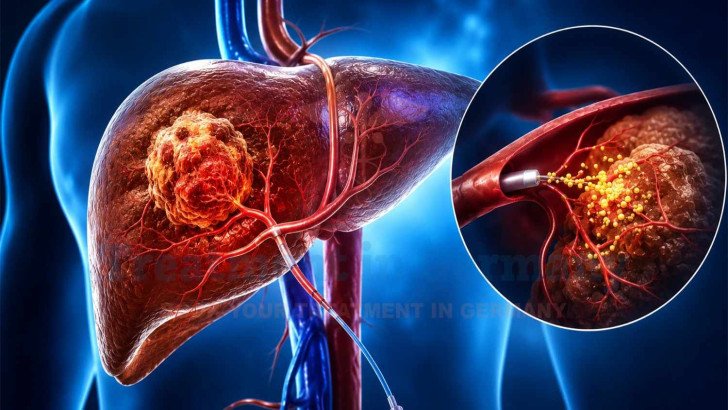
TACE therapy is a minimally invasive treatment for liver cancer and selected cancers with liver metastases. Discover how it works and who may benefit in Germany
How TACE Therapy Is Used for Cancer Treatment in Germany
For some patients with liver cancer, surgery is not always possible because of the tumor's size, location, or liver function. In these situations, Transarterial chemoembolization (TACE) offers a minimally invasive treatment that delivers chemotherapy directly to the tumor while reducing its blood supply, helping control the disease by achieving local tumor control without open surgery. Over the past two decades, Transarterial Chemoembolization in Germany has become a cornerstone of modern interventional oncology, with the procedure routinely performed at specialized cancer centers offering advanced, image-guided care.
The growing use of transarterial chemoembolization reflects a wider shift toward personalized cancer care. Rather than relying on one therapy, physicians now combine regional procedures with surgery, targeted drugs, and immunotherapy based on each patient's disease. Evidence continues to support the role of chemoembolization in controlling tumor growth and, in selected cases, opening the door to further treatment [2][3].
Germany is recognized for its expertise in minimally invasive cancer treatments and multidisciplinary liver cancer care. Patients considering TACE treatment in Germany have access to experienced interventional radiologists, advanced imaging technology, and personalized treatment planning. Through TIG GmbH, international patients receive support with medical record reviews, hospital selection, specialist appointments, and treatment coordination before traveling.
What Is TACE Therapy and How Does It Work?
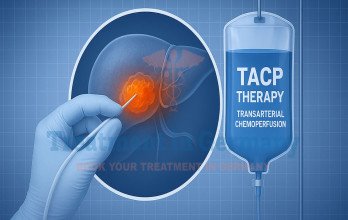
Unlike chemotherapy that circulates throughout the body, TACE targets the tumor directly. During the procedure, an interventional radiologist guides a thin catheter into the artery supplying the tumor before delivering chemotherapy. Embolization particles are then released to block the tumor's blood supply, helping keep the medication concentrated where it is needed most[11].

By combining chemotherapy with embolization, TACE attacks the tumor in two ways. It exposes cancer cells to a high concentration of chemotherapy while blocking the oxygen and nutrients the tumor needs to grow resulting in producing ischemia while increasing local drug exposure. The result is strong local disease control with much less drug reaching the rest of the body [2].
The procedure is carried out by an interventional radiologist using real-time imaging. Because it works through a catheter rather than a surgical incision, recovery is generally quicker than after major surgery. Patients are assessed carefully beforehand to confirm that TACE suits their specific condition. Clinical guidelines continue to recognize transcatheter arterial chemoembolization in Germany and worldwide as one of the most established locoregional therapies for liver tumors [11].
Tumor identified on imaging → Multidisciplinary review → Catheter guided to tumor vessel → Chemotherapy delivered → Embolization performed → Tumor blood supply reduced → Local tumor control
Who May Benefit From TACE Treatment?
Not every patient is a candidate for TACE. Doctors evaluate liver function, tumor size, the number of tumors, overall health, and whether surgery or transplantation remains possible before recommending the procedure.
For many patients whose tumors cannot be removed safely, TACE offers an important treatment option. In these cases, regional treatment helps control the disease while preserving surrounding tissue. TACE may also be used before liver transplantation to limit tumor growth while a patient waits for a donor organ [2]. Another important use is downstaging, where reducing tumor burden can create new options for patients whose disease initially exceeds the limits for surgery or transplant. Patients with severely impaired liver function (for example Child–Pugh class C in most cases), extensive portal vein invasion, or poor performance status are generally not suitable candidates for conventional TACE.
As treatment becomes more personalized, TACE is increasingly built into combination strategies. Recent studies suggest that pairing it with targeted therapy and immunotherapy may improve outcomes in selected patients with advanced disease [3][4].

Which Types of Cancer Can Be Treated With TACE?
Although TACE was originally developed for primary liver cancer, it is most commonly used to treat hepatocellular carcinoma (HCC) when surgery is not possible. Specialists also use it for selected patients with other cancers that are mainly confined to the liver, with the goal of controlling tumors while preserving healthy liver tissue. In selected patients with early-stage HCC, combining TACE with radiofrequency ablation has improved treatment outcomes [2][6].Patients with intrahepatic cholangiocarcinoma may also be considered when surgery is not possible.
Although surgical removal is preferred whenever feasible, most patients are diagnosed at later stages, where regional therapy becomes valuable. One study found that adding TACE to palliative chemotherapy extended median survival from 13.1 to 26.2 months in unresectable intrahepatic cholangiocarcinoma [12].
TACE is also used for liver metastases. Research shows benefit in colorectal cancer that has spread to the liver, particularly when surgery is not possible or extra local control is needed [7]. Neuroendocrine tumors frequently spread to the liver and can cause hormone-related symptoms; embolization-based therapy can reduce tumor burden and ease those symptoms in selected patients [8][9]. Emerging evidence has also explored TACE in selected breast cancer liver metastases [10].

How Is the TACE Procedure Performed in Germany?
Before treatment begins, patients undergo CT or MRI scans, blood tests, and a multidisciplinary evaluation to confirm that TACE is the most appropriate option. These assessments help map the tumor, evaluate the blood vessels supplying it, and confirm that liver and kidney function are suitable for treatment. On the day of the procedure, local anesthesia with conscious or moderate sedation is commonly used, although anesthesia approaches vary between centers. Once the catheter reaches the artery supplying the tumor, chemotherapy is infused directly into that vessel before embolization particles are released to block the tumor-feeding artery, thereby reducing blood flow to the tumor. The procedure is completed without major surgery, and most patients are monitored for a short period afterward [11].
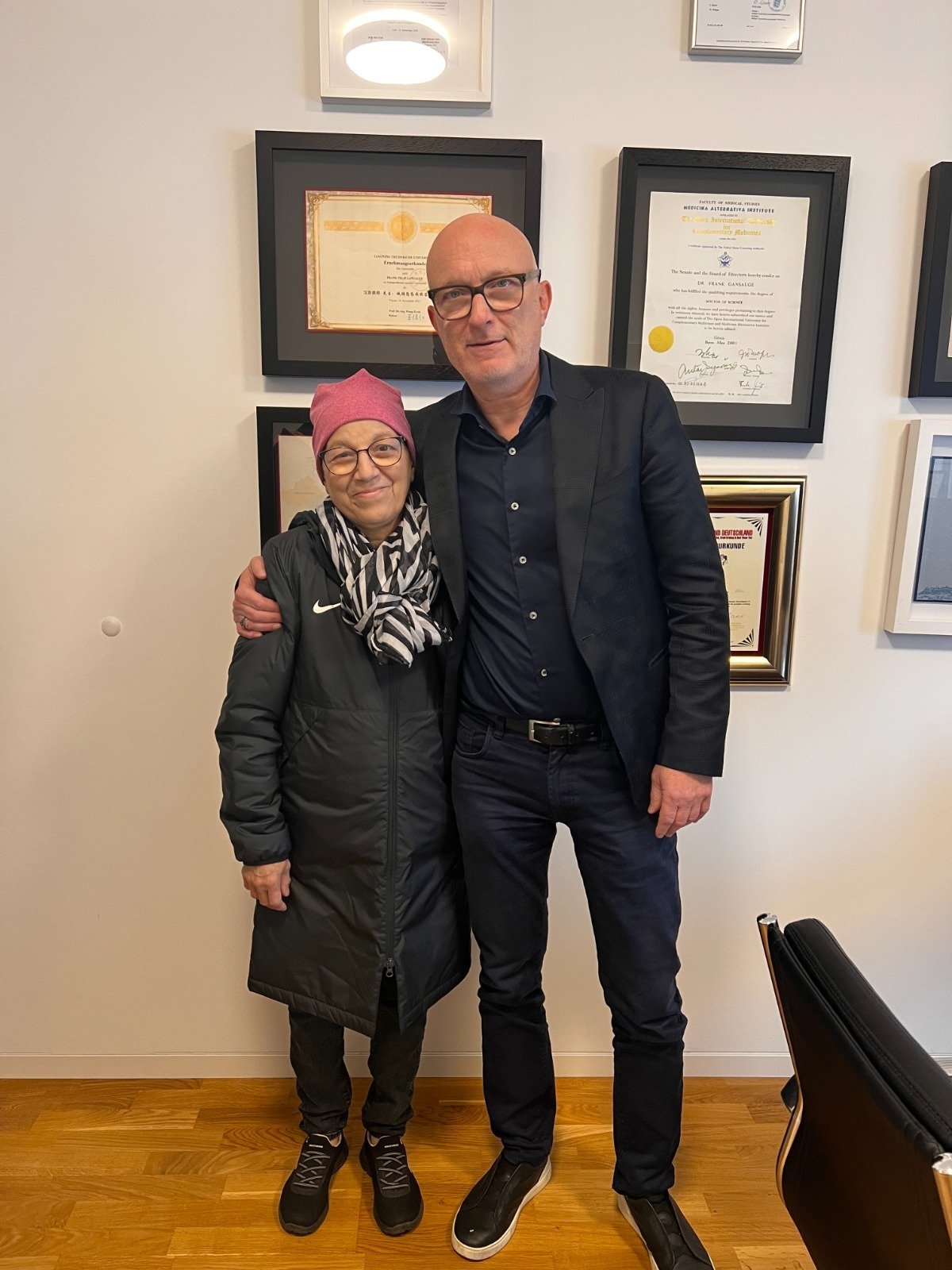
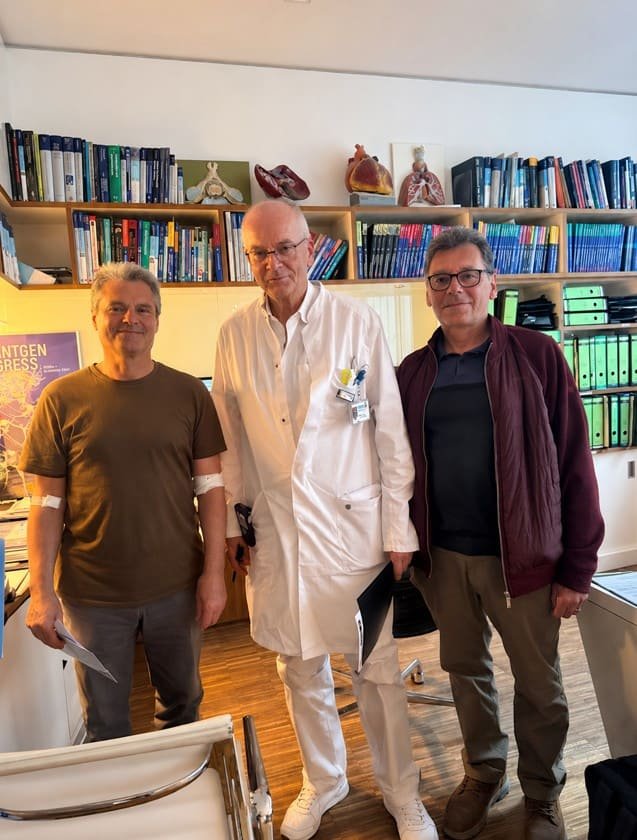
Treatment is performed by specialists experienced in transarterial chemoembolization often within comprehensive cancer centers where interventional radiologists work alongside oncologists, surgeons, and hepatologists. At University Hospital Frankfurt, these interventional procedures are carried out by Prof. Vogl and his team, one of the most experienced interventional oncology units in Europe.

Diagnosis → Medical evaluation → Tumor board review → Treatment planning → TACE procedure → Recovery and monitoring → Follow-up imaging → Further treatment decisions
How Effective Is TACE Treatment in Germany for Cancer?
One of the most common questions patients ask is whether TACE can shrink a tumor or prolong survival. The answer depends on the type of cancer, liver function, tumor burden, and whether TACE is used alone or alongside other treatments. For many patients with unresectable hepatocellular carcinoma, transarterial chemoembolization is one of the most important options because it controls disease locally while preserving as much functioning liver tissue as possible[2].

Over the past decade, better patient selection, imaging guidance, and multidisciplinary planning have improved outcomes with TACE therapy for liver cancer in Germany. Modern protocols focus on identifying who is most likely to benefit and integrating the procedure into personalized treatment. Prospective multicenter data on unresectable hepatocellular carcinoma continue to support its safety and effectiveness when delivered to carefully selected patients [1]. A 2025 comparative study also reported favorable outcomes when TACE was combined with systemic therapy for unresectable hepatocellular carcinoma [3]. These findings reinforce the value of individualized, multidisciplinary cancer care.
Real Patient Experience With TACE Treatment in Germany
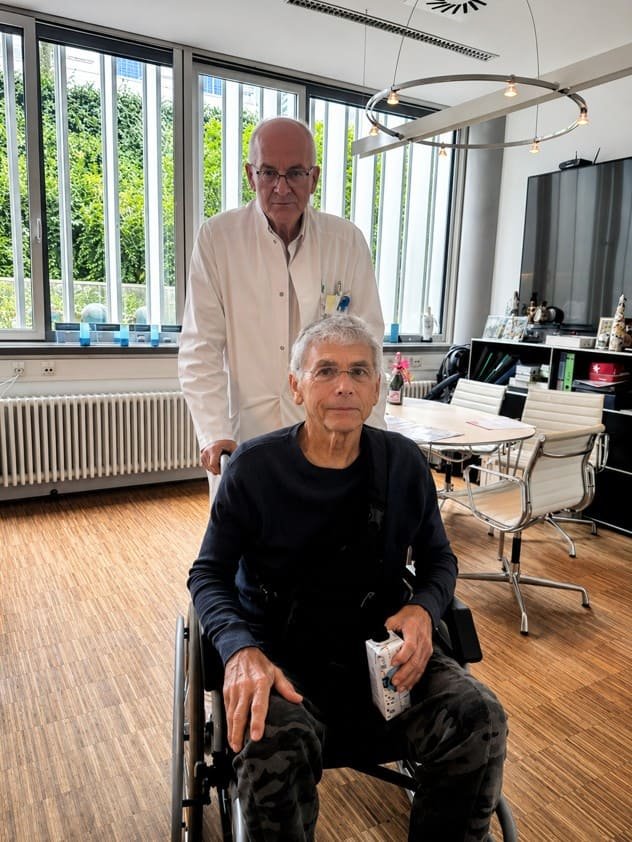
Karen contacted TIG after her 42-year-old son, Wayne, was diagnosed with bowel cancer in 2023. After the cancer spread to his liver, he underwent several rounds of chemotherapy. When chemotherapy was no longer providing additional treatment options, the family began searching for alternative therapies and discovered TIG.
From their first consultation, TIG assisted Karen and her son with medical record reviews, hospital coordination, specialist appointments, and every stage of planning their treatment in Germany. The family was connected with an experienced interventional oncology specialist, while TIG also provided language support and guidance throughout their stay.
Reflecting on their experience, Karen shared that the team's professionalism, transparency, and compassionate support made an extremely difficult situation much easier to navigate. She particularly appreciated the continuous assistance provided by Samir, who remained available to answer questions, coordinate appointments, and help overcome language barriers.
"The entire experience gave both Wayne and me confidence and peace of mind. We felt supported throughout our journey and are incredibly grateful to the TIG team. I would wholeheartedly recommend TIG to anyone seeking treatment in Germany." Karen, United Kingdom
Watch Karen's complete patient story in this short video:Click here
Looking for TACE Treatment in Germany?
If you or a loved one has been diagnosed with liver cancer or cancer that has spread to the liver, TIG GmbH can help you explore whether TACE or another advanced treatment option is appropriate. Our team works with leading German specialists to review your medical records, recommend suitable hospitals, coordinate appointments, and support you throughout your treatment journey in Germany.
Can TACE Be Combined With Immunotherapy and Targeted Therapy?
Modern liver cancer treatment increasingly combines different therapies to improve disease control in selected patients. TACE may complement immunotherapy and targeted therapy by destroying tumor cells and releasing tumor antigens, which can help prime an immune response that strengthens systemic treatment.In one 2023 study, adding TACE to a regimen of tyrosine kinase inhibitors and immune checkpoint inhibitors improved survival in unresectable hepatocellular carcinoma, with overall survival of 19.5 months versus 10.8 months for systemic therapy alone [4]. Results like these have encouraged many centers to evaluate combination strategies.
At a TACE treatment center in Germany, multidisciplinary tumor boards weigh whether combining TACE with immunotherapy or targeted therapy fits a patient's disease. TIG GmbH can arrange this kind of specialist review before any decision to travel.
What Are the Benefits of TACE Treatment in Germany Compared With Other Options?
Compared with intravenous chemotherapy, TACE delivers treatment directly to the tumor while limiting exposure to healthy tissues. Because it is performed through a catheter instead of open surgery, recovery is usually quicker for many patients.
For many patients who cannot have surgery, this is an important alternative. TACE is flexible too: it can be used before transplantation, after recurrence, alongside systemic therapy, or as part of long-term disease management. That adaptability explains much of its widespread use [5].

What Are the Risks and Limitations of TACE Treatment in Germany?
Like any medical procedure, TACE has potential risks, although most side effects are temporary and manageable with supportive care. The most common side effect is post-embolization syndrome, where patients may have temporary fatigue, fever, nausea, reduced appetite, or abdominal discomfort. These symptoms are usually manageable and often settle within a few days [5].
TACE works best when disease stays largely within the liver. Patients with significant spread beyond the liver often need systemic treatment instead, and those with severely impaired liver function may not be suitable, since embolization adds stress to the liver.

Which Hospitals Offer TACE Treatment in Germany?
TACE is typically performed at specialized university hospitals where interventional radiologists work alongside hepatologists, oncologists, and liver surgeons. Some of Germany's leading centers include:

- University Hospital Heidelberg (Heidelberg). Liver cancer and oncology with molecular diagnostics and clinical trials.
- University Hospital Frankfurt (Frankfurt). Home of Prof. Vogl's interventional oncology unit, offering TACE and liver-directed therapy.
- University Hospital Dusseldorf (Dusseldorf). Multidisciplinary cancer care with tumor-board planning.
- Rechts der Isar (TUM) (Munich). Advanced interventional and surgical oncology programs.
- LMU Munchen (Munich). Comprehensive oncology and liver-directed treatment.
- Charite Berlin (Berlin). One of Europe's largest university hospitals, with complex cancer management.
Many of these centers have extensive experience performing the TACE procedure in Germany for both primary liver cancers and liver metastases. Patients seeking a liver cancer specialist in Germany usually consult experts in interventional oncology, hepatology, and surgical oncology before deciding. . TIG GmbH can match each patient to the right team for their diagnosis.
How Much Does TACE Therapy Cost in Germany?
The TACE therapy cost in Germany generally ranges from €8,000 to €9,000 per session, depending on the complexity of treatment, hospital stay, imaging, and the medications used. These interventional procedures are performed by Prof. Vogl and his team at University Hospital Frankfurt. The total chemoembolization cost in Germany may rise if several sessions are needed, since some patients have repeated treatments as part of long-term disease management when the cancer stays localized and responds well.
Before treatment begins, patients receive an individualized plan and cost estimate. Through. TIG GmbH international patients can obtain clear information on treatment options, hospital recommendations, and expected costs, with no hidden fees, before traveling to Germany
How Can International Patients Access TACE Treatment in Germany?
Germany continues to attract patients worldwide for its expertise in regional cancer therapy and advanced oncology. For international patients, accessing this care often means coordinating between several providers, hospitals, and travel services.Through TIG GmbH, patients seeking TACE treatment for international patients in Germany receive support with:
- Medical report review
- Hospital recommendations
- Specialist appointments
- Treatment planning
- Visa support
- Travel arrangements
- Medical interpretation
- Follow-up coordination
This structured approach simplifies the treatment journey and gives patients access to experienced teams offering advanced TACE treatment. For anyone considering Germany medical tourism for liver cancer or cancer with liver metastases, an early medical review lets specialists assess whether TACE or another strategy is the most appropriate option.
References
Why Patients Worldwide Prefer Our Medical Services in Germany – Key Benefits Explained





















.webp)
 (1).webp)

.webp)

.jpg)

 (1).webp)

.jpg)