

Advanced immunotherapy for cancer treatment in Germany, a trusted personalized immunotherapy for international patients seeking advanced cancer care, expert specialists, transparent costs, and comprehensive treatment support.
What Is Immunotherapy?
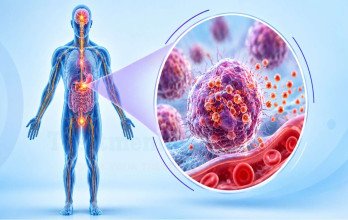
In recent years, immunotherapy in Germany has become one of the most advanced approaches for treating cancer, especially for patients dealing with complex or late-stage disease. Unlike traditional treatments that directly target tumors, immunotherapy focuses on empowering the body’s own immune system to identify and destroy cancer cells. This shift in strategy has changed how oncologists approach treatment, particularly for patients who have not responded well to chemotherapy or radiation.
Germany is recognized for offering highly structured and scientifically driven cancer care. Patients who travel for treatment benefit from access to specialized oncology centers that combine clinical expertise with advanced diagnostics. Every treatment plan is designed based on individual biology, making personalized cancer treatmentin Germany a central part of the process. This approach ensures that therapy is not only effective but also aligned with the patient’s overall health condition and treatment history.
Another important advantage of immunotherapy is its ability to create a lasting immune response although it’s rates vary widely by cancer type and biomarkers. Recent studies have demonstrated rapid advancements in cancer immunotherapy approaches [5a]. In some cases, once the immune system is trained to recognize cancer cells, it continues to monitor and suppress them even after treatment has ended. While outcomes vary depending on the type and stage of cancer, this potential for long-term control has made immunotherapy an important option in modern oncology.
Scientific Mechanisms behind Immunotherapy
To understand the role of immunotherapy, it is important to look at the relationship between the immune system and cancer. Under normal conditions, the immune system is capable of identifying abnormal cells and eliminating them before they become harmful. However, cancer cells develop mechanisms that allow them to escape detection, a process known as cancer immune evasion. This is one of the main reasons tumors are able to grow and spread within the body.
A key part of this process involves immune checkpoints, which are regulatory pathways that control immune responses. Proteins such as PD-1, PD-L1, and PD-L2 act as brakes on the immune system to prevent overactivity. Cancer cells take advantage of these checkpoints by expressing PD-L1, effectively turning off immune cells that would otherwise attack them. This is where checkpoint inhibitors play a crucial role by blocking these signals and restoring immune activity, which explains how immunotherapy works scientifically[1]. [1].keeping in account that resistance mechanisms are common.
The origins of this concept can be traced back to William B. Coley, who explored the idea of stimulating the immune system to fight tumors in the late 19th century. Today, this idea has evolved into highly advanced therapies supported by molecular science and modern immunotherapy is fundamentally different and molecularly defined. Techniques such as phenotyping CD3, CD4, CD8, CD19, CD45, CD56, CD13, CD86, along with viability markers like Propidium Iodide, allow clinicians to analyze immune cell populations in detail and these markers are used for immune profiling in research as well as hematology/flow cytometry diagnostics. This level of precision helps doctors in Germany design treatments that are tailored to each patient’s immune profile.
Types of Advanced Immunotherapy Available in Germany
Germany offers a wide range of types of cancer immunotherapy, allowing physicians to select the most suitable treatment based on each patient’s condition. One of the most commonly used approaches is checkpoint inhibitor therapy, which has shown effectiveness in cancers such as melanoma and lung cancer. These therapies work by reactivating immune cells that have been suppressed by tumor activity, enabling them to attack cancer more effectively.
Another important option is dendritic cell therapy in Germany, which involves collecting immune cells from the patient, training them in a laboratory to recognize cancer antigens, and then reintroducing them into the body. This method is highly personalized and is often carried out in GMP-certified laboratories to ensure safety and consistency. It represents a more targeted approach that aligns with the principles of individualized cancer care.
In addition to these treatments, cancer vaccine therapy is being explored in research settings and clinical trials. These vaccines aim to stimulate the immune system to recognize specific tumor markers and mount a focused response. The availability of multiple immunotherapy options in Germany gives patients access to advanced therapies that are tailored to their unique medical needs.
Why Immunotherapy in Germany Is Transforming Cancer Treatment
The growing importance of immunotherapy clinics in Germany is closely linked to their ability to deliver advanced treatments supported by strong scientific evidence. One of the main benefits of immunotherapy is its targeted mechanism, which allows the immune system to attack cancer cells while minimizing damage to healthy tissues. This often results in a more manageable side effect profile compared to traditional treatments.
Another important factor is the potential for long term cancer survival after immunotherapy. Clinical research has shown that some patients experience durable responses, where the disease remains controlled for extended periods following treatment [2]. This has been particularly significant in cancers such as melanoma and non-small cell lung cancer (NSCLC), where treatment options were previously limited.
Germany’s focus on personalized cancer treatment further enhances the effectiveness of immunotherapy. By combining advanced diagnostics, biomarker testing, and multidisciplinary expertise, treating physicians are able to create treatment plans that are tailored to each patient. This level of precision has made Germany a preferred destination for international patients seeking reliable and advanced cancer care.
Which Types of Cancer Can Be Treated with Immunotherapy in Germany?
Immunotherapy is now being used to treat a wide range of cancers, including many types of solid tumors. Patients seeking immunotherapy for lung cancer and melanoma are among the most common candidates, as these cancers have shown strong responses to checkpoint inhibitors. These treatments have significantly improved outcomes for patients who previously had limited options.
In addition, immunotherapy is increasingly being used for breast cancer, prostate cancer, and colorectal cancer, particularly when tumors express specific biomarkers that make them responsive to immune-based treatments. Research is also ongoing for more challenging cancers such as brain tumors and pancreatic cancer, with clinical trials exploring new strategies and combinations.
Diagnosis and Patient Evaluation for Immunotherapy in Germany
A precise and structured evaluation is essential before starting immunotherapy in Germany. The process begins with cancer biomarker testing, including PD-L1 testing, which helps determine whether a patient is likely to respond to treatment. This step is critical in selecting the right therapy and avoiding unnecessary interventions.
Advanced imaging techniques such as MRI and CT scans are used to assess tumor size, location, and spread. A biopsy confirms the diagnosis and provides detailed information about the tumor’s molecular characteristics. In addition, blood work is performed to evaluate organ function and overall health, ensuring that the patient can safely undergo treatment.
This comprehensive diagnostic approach allows treating physicians to develop a clear understanding of the disease and design a personalized treatment plan. It also ensures that patients receive the most appropriate therapy based on their specific medical profile.
Who Is Eligible for Immunotherapy?
Eligibility for immunotherapy depends on several important factors, including cancer type, stage, and molecular characteristics. Patients with advanced stage cancer or stage 4 cancer are often considered suitable candidates, particularly when standard treatments have not been effective. However, eligibility is not limited to advanced cases, as some early-stage cancers may also benefit from immunotherapy under specific conditions.
Biomarkers play a crucial role in determining eligibility. Tumors with high PD-L1 expression or certain genetic features are more likely to respond to treatment. In addition, the patient’s overall health condition and immune status are carefully evaluated to ensure that therapy can be delivered safely.
A detailed clinical evaluation by the treating physician is essential in making the final decision. This individualized approach ensures that each patient receives treatment that is both appropriate and potentially beneficial, which is a defining feature of advanced cancer care in Germany.
If you are exploring advanced treatment options, our team at TIG GmbH can help you understand whether immunotherapy in Germany is right for your case.
👉 Get your case reviewed by experienced German specialists within 48 hours through TIG GmbH.
Step-by-Step Immunotherapy Treatment Process in Germany
The immunotherapy treatment processin Germany is carefully structured to ensure both safety and effectiveness at every stage. It begins with a detailed review of the patient’s medical reports, followed by advanced diagnostic testing and immune profiling. Once eligibility is confirmed, oncologists design a personalized treatment plan that aligns with the patient’s cancer type, molecular characteristics, and overall health condition. This level of precision is one of the reasons why international patients prefer Germany for advanced cancer care.
Treatment is typically administered in cycles, often through intravenous infusion depending on the type of immunotherapy being used. Each session is conducted in a controlled clinical environment under the supervision of experienced oncology specialists. Between cycles, patients undergo monitoring through blood tests and imaging to evaluate how the body is responding to treatment. This continuous assessment allows doctors to adjust therapy when needed, ensuring that the immunotherapy procedure remains both effective and safe.
For international patients, the process is supported by dedicated coordination services through TIG GmbH, which helps connect patients with certified hospitals and experienced specialists across Germany. From arranging hospital appointments to managing travel, everything is organized in a structured and seamless manner. This ensures a smoother journey, allowing patients to focus entirely on their treatment and recovery while receiving care at leading immunotherapy clinics in Germany.
How Immunotherapy Works to Target Cancer Cells
The effectiveness of immunotherapy lies in its ability to activate the immune system against cancer. Normally, T-cells are responsible for identifying and eliminating abnormal cells. However, cancer cells often suppress this response through immune checkpoints. Immunotherapy works by blocking these suppressive signals, allowing T-cells to recognize and attack tumor cells more effectively.
This targeted mechanism is what differentiates immunotherapy from traditional treatments. Instead of directly destroying cancer cells, it strengthens the body’s natural defense system. This approach reduces damage to healthy tissues and supports a more controlled response against cancer. Understanding how immunotherapy works scientifically helps patients appreciate why it is considered a major advancement in modern oncology [3].
How Long Does Immunotherapy Take and What Should Patients Expect
The duration of immunotherapy varies depending on the type of treatment and the individual patient’s response. In most cases, therapy is given in cycles that may continue for several months. Each cycle is followed by a monitoring period during which doctors assess progress through imaging and laboratory tests. This structured approach ensures that treatment remains aligned with the patient’s condition.
Patients should understand that responses to immunotherapy can take time. Unlike chemotherapy, where effects may be seen quickly, immunotherapy works by gradually activating the immune system. In some cases, tumors may initially appear unchanged before improvement is observed. Regular scanning after immunotherapy helps doctors evaluate treatment effectiveness and make informed decisions about continuing or adjusting therapy.
Can Immunotherapy Be Combined with Other Cancer Treatments in Germany?
One of the strengths of modern oncology is the ability to combine treatments for better outcomes. Immunotherapy is often integrated with chemotherapy, radiation therapy, or targeted treatments depending on the patient’s condition. This integration with chemotherapy and radiation allows doctors to attack cancer through multiple mechanisms, increasing the chances of controlling disease progression.
Combination strategies are carefully planned by multidisciplinary teams in Germany. Each patient’s case is reviewed in detail to determine whether combining therapies will provide additional benefit. This ensures that treatment remains evidence-based and tailored to the individual. The availability of such advanced strategies highlights the strength of immunotherapy options in Germany.
How Combination Therapy Improves Cancer Treatment Outcomes
The synergistic effects of combined treatments can significantly improve outcomes for certain patients. By using different therapies together, doctors can target cancer cells in multiple ways, which may help overcome resistance to a single treatment. This approach is particularly important in advanced cancers where the disease may be more aggressive.
Combination therapy also allows for better control of tumor growth and may improve response rates in selected cases. German oncology clinics carefully evaluate each patient to determine the most effective strategy. This individualized approach ensures that treatment is both safe and aligned with the latest clinical evidence.
How to Know If Immunotherapy Is Working
Monitoring treatment response is an essential part of the immunotherapy journey. Doctors use a combination of clinical indicators, imaging results, and laboratory tests to assess effectiveness. Changes in tumor size, symptom improvement, and biomarker levels all provide valuable information about how the patient is responding.
It is important to understand that immunotherapy can produce unique response patterns. In some cases, tumors may initially appear larger due to immune cell activity before shrinking later. This makes regular follow-up and careful interpretation of results essential. Understanding these patterns helps patients remain informed and confident throughout their treatment.
How Effective Is Immunotherapy? Success Rates and What Affects Outcomes
The effectiveness of immunotherapy depends on several factors, including cancer type, stage, and individual patient characteristics. Clinical studies have shown meaningful improvements in survival for certain cancers, particularly melanoma and lung cancer. For example, checkpoint inhibitors have demonstrated durable responses in a subset of patients, leading to extended disease control [4].
However, it is important to note that immunotherapy does not work for everyone. Factors such as tumor biology, immune environment, and prior treatments influence outcomes. This is why careful patient selection and thorough evaluation are essential. For eligible patients, immunotherapy offers a scientifically supported option that may improve quality of life and disease management.
Side Effects and Safety of Immunotherapy
While immunotherapy is generally well tolerated, it can cause side effects due to immune system activation. Common side effects of cancer immunotherapy include fatigue, skin reactions, and mild inflammation. These effects are usually manageable and monitored closely by the medical team.
In some cases, immune-related side effects may affect organs such as the lungs, liver, or thyroid. German clinics follow strict safety protocols to detect and manage these effects early. This ensures that treatment remains safe while maintaining its effectiveness. Patients are closely monitored throughout their therapy to address any concerns promptly.
What to Expect After Immunotherapy and Recovery
Recovery after immunotherapy varies from patient to patient, but many individuals are able to return to their normal routines relatively quickly. Some may experience mild fatigue or temporary side effects, which typically improve over time. Regular follow-up appointments are scheduled to monitor progress and ensure continued care.
Post-treatment monitoring includes imaging scans and laboratory tests to assess long-term response. This ongoing evaluation helps doctors determine whether additional treatment is needed or if the disease remains under control. The structured follow-up process is an important part of advanced oncology in Germany, ensuring continuity of care for international patients.
Cost of Immunotherapy in Germany
The cost of immunotherapy in Germany depends on several factors, including the type of therapy, number of cycles, and individual patient requirements. Patients receive a detailed treatment plan with transparent pricing before starting therapy, allowing them to make informed decisions.
Germany offers a wide range of immunotherapy options, including checkpoint inhibitors, personalized vaccines, and advanced cell-based therapies. Leading experts such as Prof. Gansauge are involved in the broader field of immunotherapy, contributing to the development and application of these advanced treatments. Costs can vary significantly depending on the approach. For example, cost of dendritic cell immunotherapyin Germany is approx. €27,000, while other immunotherapy treatments may differ based on duration, complexity, and clinical protocols.
TIG GmbH offers international patients access to advanced medical technologies and experienced specialists through its network of certified hospitals across Germany. For international patients, medical coordination services simplify the process by providing clear guidance on treatment planning, travel, and overall expenses. This structured approach ensures transparency and reliability throughout the journey.
Is It Necessary to Repeat Immunotherapy?
Immunotherapy may be repeated depending on how the patient responds to treatment and whether the disease progresses over time. Some patients benefit from multiple cycles, while others may require maintenance therapy to sustain results. The decision to repeat treatment is based on clinical evaluation and ongoing monitoring.
Doctors carefully assess each case to determine the most appropriate course of action. This ensures that treatment remains effective while minimizing unnecessary interventions. The flexibility of immunotherapy allows it to be adapted to the patient’s evolving condition.
Why Patients Worldwide Choose Immunotherapy in Germany?
Germany is recognized for its advanced medical infrastructure, strict regulatory standards, and highly specialized oncology care. Patients benefit from access to modern immunotherapy approaches, experienced specialists, and personalized treatment planning based on their individual condition. This ensures that therapies are delivered in a safe, controlled, and clinically approved environment with a strong focus on precision and long-term outcomes.
For international patients, TIG GmbH simplifies the entire process by connecting patients with certified hospitals and leading immunotherapy experts across Germany. With access to a wide network of clinics, TIG GmbH ensures structured coordination, transparent pricing, and continuous support throughout the treatment journey.
Why Choose Us?
Fast case review and appointment scheduling
Personalized treatment plans based on medical reports
Access to leading immunotherapy specialists in Germany
Transparent pricing with no hidden costs
Visa, travel support
Multilingual assistance and dedicated coordinators
Ongoing follow-up support after treatment
Your Treatment Journey – Step by Step
Submit medical reports for initial evaluation
Case reviewed by experienced specialists
Eligibility and treatment options confirmed
Personalized immunotherapy plan created
Travel and appointments fully coordinated
Treatment carried out at certified clinics
Continuous support during and after treatment
👉 submit your reports to TIG GmbH and receive a specialist opinion within 48 hours.
References
Yi M, Zheng X, Niu M, Zhu S, Ge H, Wu K. Enhancing cancer care with improved checkpoint inhibitors: a focus on PD-1/PD-L1. Front Immunol. 2024;15:1485288. Available from: https://pmc.ncbi.nlm.nih.gov/articles/PMC11609925/
Hu Y, Liu C, Wang Q, Liu Y, Zhang Y, Zhao C. Treatment-free survival after discontinuation of immune checkpoint inhibitors in mNSCLC: a systematic review and meta-analysis. Front Immunol. 2023;14:1202822. Available from: https://pmc.ncbi.nlm.nih.gov/articles/PMC10373084/
Lee J, Kim EH. Mechanisms underlying response and resistance to immune checkpoint blockade in cancer immunotherapy. Front Oncol. 2023;13:1233376. Available from: https://pmc.ncbi.nlm.nih.gov/articles/PMC10443702/
Benelli ND, Brandon I, Hew KE. Immune Checkpoint Inhibitors: A Narrative Review on PD-1/PD-L1 Blockade Mechanism, Efficacy, and Safety Profile in Treating Malignancy. Cureus. 2024;16(4):e58138. Available from: https://pmc.ncbi.nlm.nih.gov/articles/PMC11088937/
Wang Y. Advances in cancer immunotherapy and future directions in personalized medicine. Open Life Sci. 2025;20(1):20251179. Available from: https://pmc.ncbi.nlm.nih.gov/articles/PMC12596039/
Patients may also request a free consultation with TIG (Treatment in Germany) to receive individualized guidance and coordinated access to PAE treatment in Germany.
🌍Why Patients Worldwide Prefer Our Medical Services in Germany – Key Benefits Explained:

















.webp)
 (1).webp)

.webp)

.jpg)

 (1).webp)

.jpg)