

PAE treatment in Germany is recognized within the interventional radiology community as one of the most patient-friendly advances in BPH management in recent decades. Unlike surgical approaches that require cutting or physically removing prostate tissue, PAE works entirely through the body's own vascular system.
What is Prostate Artery Embolization (PAE)?
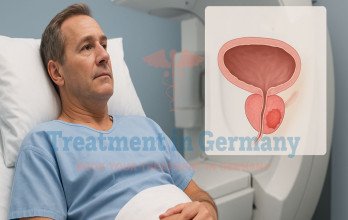
Prostate Artery Embolization (PAE) is a minimally invasive, image-guided procedure designed to treat men suffering from benign prostatic hyperplasia (BPH), commonly known as an enlarged prostate. It is performed by an interventional radiologist who uses real-time X-ray imaging to navigate a thin catheter through the arterial system and deliver tiny microspheres into the arteries supplying the prostate. These microspheres reduce blood flow to the overgrown tissue, causing it to shrink gradually and relieving the urinary obstruction associated with it. A randomized controlled trial published in the BMJ demonstrated that PAE produced clinically significant improvements in urinary symptom scores with a lower risk of certain sexual side effects compared to conventional surgery, though symptom improvement may be less pronounced, with a safety profile notably superior to conventional surgery in terms of sexual side effects. As awareness of this procedure grows globally, PAE treatment in Germany has become a leading choice for men seeking effective, lasting relief without the risks of the operating room. Particularly, it is increasingly available in Germany as an alternative option for men seeking a less invasive approach.

PAE works entirely through the body's own vascular system. There is no incision inside the prostate, no general anesthesia required for most of the cases and is typically performed under local anesthesia with sedation rather than general anesthesia, and recovery is measured in days rather than weeks although it is important to be notified that Post-embolization symptoms (pain, urinary irritation) can last several days to a couple of weeks. Men who were once told surgery was their only option are increasingly finding that PAE treatment for enlarged prostate offers a clinically supported and generally well-tolerated, though long-term durability may be lower than surgical options., and durable path to reclaiming the quality of life that BPH had taken from them.
Have questions about PAE treatment for enlarged prostate in Germany? Contact the team at Treatment in Germany today for a free case review and find out whether you are a suitable candidate.
How Prostate Artery Embolization (PAE) Works to Reduce Prostate Size
The prostate embolization process is built on a on a well-established biological principle. Like all tissue in the body, the prostate depends on a consistent arterial blood supply to sustain itself. In men with BPH, this supply continues feeding the excess tissue that has grown beyond its normal size and begun compressing the urethra. During PAE, microspheres measuring between 100 and 300 microns are delivered precisely into the prostatic arteries reducing blood flow to targeted areas of the prostate and triggering gradual tissue shrinkage over the following weeks and months. Most patients experience measurable prostate size reduction within the first three months following the procedure [1].
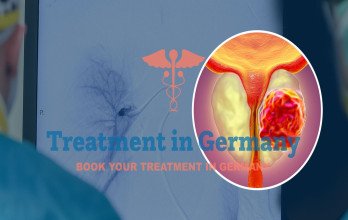
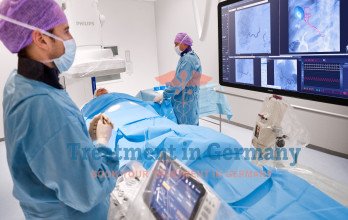
The entire prostate size reduction treatment is performed under continuous fluoroscopic imaging so the physician monitors every step on a live screen. A fine catheter is introduced through a single puncture at the wrist or groin and directed through the arterial system using digital subtraction angiography (DSA), which maps the prostate's individual blood supply in detail before embolization begins. The biological response unfolds gradually, which is a large part of why PAE is so well tolerated and results can be sustained in many patients, although retreatment rates are higher than with some surgical options.
Why PAE is considered a Minimally Invasive Alternative to Surgery
The benefits of PAE treatment go well beyond avoiding an incision. There is no surgical entry into the prostate and no requirement for general anesthesia. Patients generally have a lower risk of significant bleeding, urinary incontinence, and prolonged recovery compared to conventional surgery and extended recovery associated with conventional surgery.
What makes minimally invasive prostate treatment through PAE especially valuable is what it preserves. The nerves controlling erectile function, the external urinary sphincter, and the ejaculatory mechanism are typically not directly affected by the procedure because the procedure does not involve instrumentation of the urethra or direct surgical manipulation of pelvic structures. For men who want effective BPH control without compromising their sexual health, this matters enormously. As an alternative to prostate surgery, PAE also keeps every future treatment option open, something surgical approaches cannot always guarantee.
Common Symptoms of Enlarged Prostate Treated with PAE
Enlarged prostate symptoms tend to develop gradually and are often normalized for years before men seek help. The most common BPH symptoms in men include a weak or slow urinary stream, the persistent sensation that the bladder has not fully emptied, frequent urination especially during the night, sudden strong urges to urinate that are difficult to delay, and the need to strain to begin urination. These are collectively referred to as lower urinary tract symptoms (LUTS) and they affect sleep quality, professional performance, physical activity, and social confidence in ways that accumulate significantly over time.
In more advanced cases, urinary symptoms in men with untreated BPH can progress to urinary tract infections, bladder stone formation, and acute urinary retention. When symptoms reach this point, active treatment becomes medically necessary. PAE treatment for enlarged prostate is particularly well suited for men whose enlarged prostate symptoms have moved beyond what medication can adequately manage, promotes prostate volume reduction rather than relying solely on symptom control.
Who is Eligible for Prostate Artery Embolization (PAE)?
PAE treatment eligibility is assessed through a structured clinical and imaging evaluation. Generally, the ideal candidate for prostate embolization is a man over 40 with confirmed symptomatic BPH, a prostate volume typically above 40 mL on imaging, moderate to severe urinary symptoms, and either a desire to preserve sexual function, unsuitability for surgery due to other health conditions, or insufficient response to medical therapy. There is no well-defined upper size limit, and larger prostates are often considered suitable and PAE patient selection criteria actually favor larger glands in many clinical series where surgical risk would be higher.
Certain vascular and anatomical factors also influence PAE treatment eligibility. Severe atherosclerosis of the pelvic vessels, anatomical configurations preventing safe catheter navigation, or unresolved suspicion of prostate cancer must all be evaluated before proceeding. Men on anticoagulation therapy may still qualify but require additional planning. The evaluation process is designed to be thorough and honest, with the goal of identifying the treatment path that genuinely serves each individual patient best and is aimed at determining the most appropriate treatment strategy for each patient.
Diagnosis and Pre-Treatment Evaluation before PAE Procedure in Germany
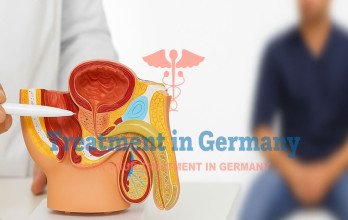
Before PAE can be planned safely, patients undergo a comprehensive set of prostate evaluation tests. The IPSS symptom score quantifies urinary symptom severity through a validated questionnaire, with scores of 8 or higher indicate at least moderate symptoms, which may prompt consideration of active treatment depending on clinical context which may prompt consideration of active treatment depending on clinical context. The PSA blood test measures prostate-specific antigen levels and helps distinguish BPH from prostate cancer, and helps identify patients who may require further evaluation to exclude prostate cancer with elevated values prompting further investigation before proceeding. Ultrasound (TRUS) measures prostate volume accurately, while a digital rectal examination (DRE) assesses size and consistency by physical palpation.
Uroflowmetry measures the speed and pattern of urine flow to objectively quantify bladder outlet obstruction, and urinalysis rules out infection or other conditions that could complicate the picture. The most critical imaging for procedural planning and key imaging modalities for procedural planning often include MRI or CT angiography of the pelvis, which maps the prostatic arterial anatomy and allows the radiologist to plan the catheter route before the patient enters the procedure room. Routine blood tests including kidney function and coagulation studies complete the workup and ensure the highest possible margin of safety before the procedure begins.
Step-by-Step Prostate Artery Embolization (PAE) Procedure and Duration in Germany
On the day of the procedure, patients arrive having fasted for several hours. The PAE procedure steps begin with mild sedation and local anesthesia at the access site, either the wrist or groin. A small introducer sheath is placed through a single skin puncture and a thin catheter is advanced through the arterial system under live fluoroscopic visualization toward the prostatic arteries. Contrast dye is then injected to visualize the prostate's blood supply through digital subtraction angiography, confirming precise catheter placement before any particles are delivered.
PAE specialists and the interventional radiologist in Germany then slowly inject the calibrated microspheres, which lodge in the small arterioles feeding the enlarged tissue designed to preferentially lodge in small prostatic vessels. The process is repeated on the opposite side. The PAE treatment duration ranges from 90 minutes to three hours depending on vascular anatomy and prostate size. After the procedure, the catheter is removed, a compression dressing is applied, and the patient is moved to a recovery room for observation before discharge the following morning [2].

Recovery after PAE: What to Expect and How Long It Takes
The post PAE recovery process is one of the most consistently cited advantages of this procedure over surgery. In the first 24 to 72 hours, it is normal to experience mild post-embolization syndrome including low-grade fever, pelvic discomfort, and fatigue. These symptoms reflect the body's inflammatory response to the reduction in prostate blood supply, are managed with standard anti-inflammatory medications, and typically resolve within a few days. They are a clinical indicator that the procedure has achieved its intended effect and reflect the body’s inflammatory response to embolization.
Most men return to light activity within three to five days of their recovery after prostate embolization, and symptoms typically resolve within several days to about a week. Physical exertion and sexual activity are restricted for two to four weeks or may be temporarily limited for a few weeks based on physician guidance while treated tissue heals. Urinary symptoms may temporarily worsen in the first one to two weeks due to post-procedural swelling, but this phase passes and gives way to progressive improvement. Follow-up imaging and symptom reassessment at three months are used to evaluate treatment response, and the specialist team remains available for remote consultation for patients who have returned home.
How PAE Affects Urinary Symptoms and Quality of Life
Urinary symptom improvement following PAE is well documented across multiple published clinical series. The majority of patients experience a clinically significant reduction in IPSS score, often exceeding 10 points within six months [2,3]. For men who had been waking up multiple times each night, the improvement in sleep quality alone produces significant downstream benefits for energy, mood, and overall health.
Quality of life after PAE improves across dimensions that go well beyond urinary function. Men who had gradually withdrawn from physical activity, travel, or social engagement due to unreliable bladder control report returning to confident, spontaneous daily living within months of treatment many patients report meaningful improvements in daily functioning and activity levels. These broader quality of life outcomes are now routinely measured at follow-up visits using validated instruments, reflecting the growing clinical recognition that the full impact of successful BPH treatment extends far beyond flow rates and symptom scores alone.
Success Rate and Clinical Outcomes of Prostate Artery Embolization (PAE)
The PAE success rate in Germany and globally is supported by over two decades of clinical research. Prostate embolization outcomes from major published series show clinically meaningful improvements at one year in many patients, with durable improvements maintained at three and five years in longer follow-up studies. Prostate volume reduction is meaningful and measurable, and maximum urinary flow rate improves significantly over baseline, with symptom improvements that may be comparable in selected patients, though typically less pronounced than surgical options in selected patients while offering a favorable side-effect profile [2].
For international patients, including a growing number of patients from the USA, choosing Germany reflects confidence in both clinical expertise and transparent, organized care. Germany's PAE specialists publish regularly in peer-reviewed journals and ensure every patient understands what results they can realistically expect before any procedure is planned.

Risks, Complications, and Safety of Prostate Artery Embolization (PAE)
The safety of PAE treatment is well established and serious complications are uncommon when the procedure is performed by an experienced specialistGermany with modern imaging equipment. The most frequently reported side effects of prostate embolization are mild and temporary, including urinary discomfort, pelvic soreness, and post-embolization syndrome, all of which resolve within one to two weeks with standard care. These effects reflect normal immune activation rather than tissue toxicity and are generally well tolerated in appropriately selected patients.
More serious PAE risks and complications such as non-target embolization are very low in experienced hands but cannot be entirely eliminated due to individual variation in vascular anatomy. Urinary tract infection is prevented through antibiotic prophylaxis, access site bruising is self-resolving, and temporary urinary retention in patients with very large prostates typically resolves within days [3].
Cost of Prostate Artery Embolization (PAE) in Germany
The cost of PAE therapy typically ranges between €9,000 and €10,000 per session, depending on the complexity of the procedure and hospital facilities. This cost usually includes imaging guidance, interventional procedure, and post-treatment care. Compared to long-term medical management or surgery, it can be a cost-controlled option in selected cases.
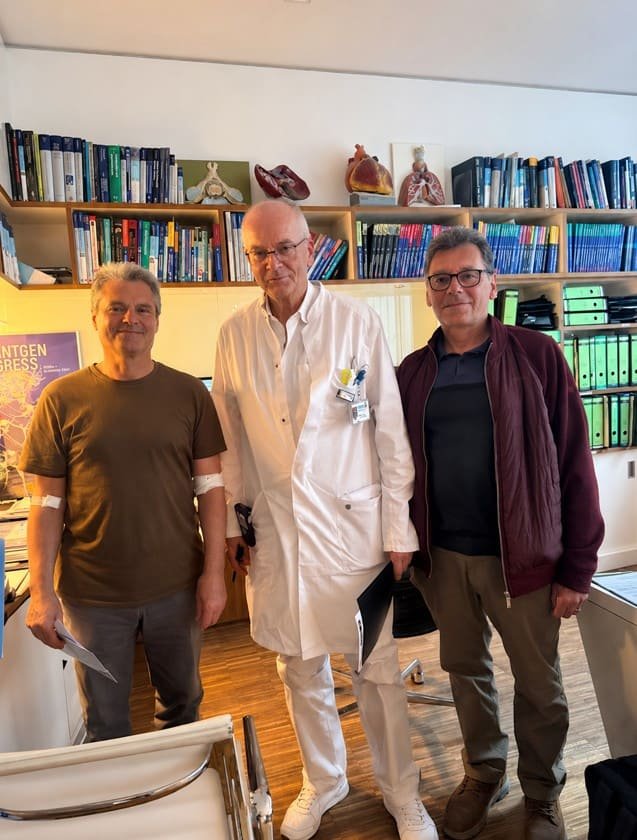
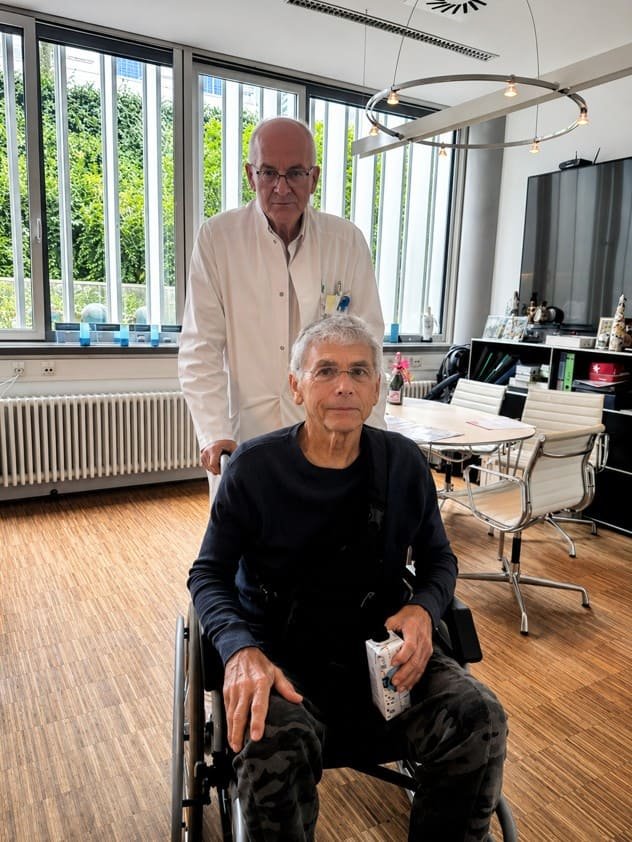
PAE is performed in specialized clinics in Germany, including those led by experts such as ProfVogl, known for expertise in interventional oncology procedures. Patients are provided with transparent cost breakdowns before treatment, allowing them to plan their medical journey with clarity and confidence.
Is It Necessary to Repeat Prostate Artery Embolization (PAE)?
For the majority of patients, a single PAE procedure provides lasting relief for many years. Long-term follow-up studies report clinical success rates above 70% at five years [1]. The prostate continues to remodel gradually after embolization, and improvements in urinary function tend to deepen rather than fade during the first year following the procedure.
In cases where symptoms return over time due to continued prostate growth, repeat PAE is technically feasible and has been performed successfully in published case series with variable outcomes. Surgical options also remain fully available if repeat PAE is not appropriate. The decision to repeat is made on a case-by-case clinical basis depending on individual prostate biology and the degree of ongoing glandular growth, always with the patient’s long-term wellbeing as the guiding consideration.

Why Patients Choose Germany for Prostate Artery Embolization (PAE) and How Your Treatment Journey Works
Germany's reputation for PAE treatment is built on clinical excellence, advanced infrastructure, and a healthcare culture that takes outcomes seriously. Specialist centers are equipped with the latest angiography technology and cone-beam CT capabilities, and the interventional radiologists performing PAE in Germany bring a depth of procedural experience that is difficult to find anywhere else. For international patients from the USA and Europe, dedicated coordinators assist with appointments, and translation from first contact through to follow-up. Patients return home with bilingual medical documentation their local physicians can use without any interruption to ongoing care.
TIG - Treatment in Germany is an officially registered medical coordination platform connecting international patients with certified hospitals and leading specialists across more than 2,000 clinics in Germany, with fixed pricing, full transparency, and no hidden costs. You share your medical reports, our specialists confirm your eligibility for PAE treatment, and a personalized plan is prepared. Travel and hospital appointments are arranged on your behalf. Interpreter support and daily coordination are provided throughout your stay, follow-up continues for 24 months after you return home, and billing is handled with complete clarity from day one.
References
Bilhim T, Costa NV, Torres D, Pinheiro LC, Spaepen E. Long-Term PAE Results: What Do We Know. Cardiovascular and Interventional Radiology. 2022;45(11):1530–1543. doi: 10.1007/s00270-022-03291-z
Bagla S, Smirniotopoulos J, Sajan A, et al. Two-Year Outcomes of Prostatic Artery Embolization for Symptomatic Benign Prostatic Hyperplasia: An International, Multicenter, Prospective Study. Cardiovascular and Interventional Radiology. 2024;47(11):1483–1493. doi: 10.1007/s00270-024-03872-0
De Assis AM, Maciel MS, Moreira AM, de Paula Rodrigues VC, Antunes AA, Srougi M, Carnevale FC. Comparing prostatic artery embolization to surgical and minimally invasive procedures for the treatment of benign prostatic hyperplasia: a systematic review and meta-analysis. Cardiovascular and Interventional Radiology. 2024;47(2):219–244. doi: 10.1007/s00270-023-03659-9
Useful Links
Actinium-225 PSMA Therapy: Revolutionizing Treatment for Metastatic Prostate Cancer
Clinical Trials for Prostate Cancer Treatment in Germany
Comprehensive Guide to Stage 4 Prostate Cancer: Treatment Options
Best Innovative Treatments for Prostate Cancer in Early Stages
Rising PSA after Prostate Cancer: Best Treatment Options in Germany
Patients may also request a free consultation with TIG (Treatment in Germany) to receive individualized guidance and coordinated access to PAE treatment in Germany.
Why Patients Worldwide Prefer Our Medical Services in Germany – Key Benefits Explained:
















.webp)
 (1).webp)

.webp)

.jpg)

 (1).webp)

.jpg)