

Learn what the survival rate for stage 4 prostate cancer truly means, how prognosis is assessed, and how advanced treatment options in Germany support long-term disease management for international patients.
What Is the Survival Rate for Stage 4 Prostate Cancer?
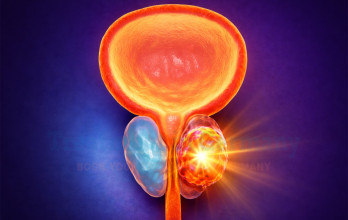
When people search what is the survival rate for stage 4 prostate cancer, they are often seeking a clear number that explains what to expect. In reality, survival in stage 4 prostate cancer cannot be reduced to a single figure without oversimplifying a very complex disease. Stage 4 prostate cancer means that cancer cells have moved beyond the prostate gland and established themselves in distant parts of the body, most commonly the bones, lymph nodes, or other organs. Because the disease is metastatic, treatment is usually long term and focused on controlling progression rather than eliminating cancer completely.
Specialists involved in treatment in Germany explain survival in terms of disease behavior over time, rather than short-term outcomes. Patients may live with stable disease for extended periods when cancer growth is slowed and symptoms are well managed, especially with access to modern cancer treatments in Germany and structured follow-up care.
Why Survival Outcomes Differ So Much in Stage 4 Prostate Cancer
One of the most important points patients need to understand is that survival outcomes in stage 4 prostate cancer vary widely. Two patients diagnosed at the same stage may have completely different disease courses. This difference is influenced by how aggressive the cancer cells are, where the cancer has spread, how many metastatic sites are involved, and how the body responds to treatment.
In cancer treatment in Germany, doctors approach survival as something that evolves rather than something that is predicted once. German oncology centers regularly reassess disease status using imaging, laboratory results, and symptom tracking. This ongoing evaluation allows treatment plans to be adapted as the disease changes, which can positively influence long-term disease control and quality of life.
Rising PSA Level after Prostate Cancer
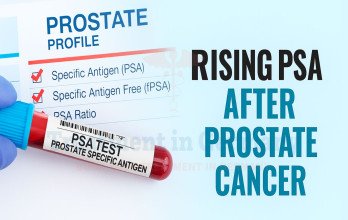
A major concern for many patients is a rising PSA level after prostate cancer, especially in stage 4 disease. PSA is a useful marker, but it does not tell the whole story on its own. A rising PSA may indicate increased tumor activity, reduced response to a previous therapy, or changes in how the cancer is behaving. In some cases, PSA levels may rise temporarily without representing true disease progression.
In treatment in Germany, PSA trends are always interpreted alongside imaging findings and clinical symptoms. Doctors avoid reacting to PSA changes alone, because doing so may lead to unnecessary treatment changes. Instead, PSA is used as one piece of a broader clinical picture.
How Prognosis Is Evaluated without Fixed Survival Numbers in Germany
In German oncology centers prognosis is evaluated through a combination of disease stability, symptom control, imaging results, and response to treatment over time. This approach acknowledges that metastatic prostate cancer behaves differently in each individual.
Many patients search for the best oncologist in Germany because they want expert-led evaluation that focuses on their specific disease rather than averages. Germany’s multidisciplinary care model allows oncologists, nuclear medicine specialists, and interventional radiologists to work together, providing a more complete understanding of how the disease is progressing and how it can be managed effectively.
Factors That Influence Life Expectancy in Stage 4 Prostate Cancer
Life expectancy in stage 4 prostate cancer is influenced by multiple interconnected factors. These include how far the cancer has spread, how rapidly it is progressing, how well it responds to treatment, and the patient’s overall physical condition. The presence of other health conditions can also affect how aggressively treatment can be pursued and how well the body tolerates therapy.
Access to specialized care plays a significant role as well. Many patients explore innovative treatment options in Germany because they want therapies that are carefully selected based on tumor characteristics and medical suitability. Germany’s emphasis on precision diagnostics and individualized treatment planning supports a more tailored approach to long-term disease management.
Why International Patients Choose Treatment in Germany
Patients from the USA, UK, Australia and Canada often seek treatment in Germany for advanced prostate cancer because of the country’s reputation for medical precision, transparency, and regulated advanced therapies. Germany offers access to highly specialized centers where advanced disease is managed with structured protocols and continuous reassessment.
Practical support is another important reason. TIG, Treatment in Germany, at www.treatmentingermany.de, assists international patients with complete logistical support including a medical visa support if required. This comprehensive support helps patients focus on medical decisions rather than logistical challenges.
How Advanced Therapies May Support Survival Management
While no treatment can guarantee a specific survival outcome, advanced therapies can help manage disease activity and symptoms more effectively. German specialists select therapies based on imaging, tumor markers, and patient condition rather than applying treatments automatically. This individualized strategy helps avoid overtreatment while still addressing disease progression.
This approach aligns with principles supported by organizations such as the American Cancer Society, which emphasize accurate diagnosis, staging, and personalized treatment planning in advanced cancer. The goal is to manage stage 4 prostate cancer as a chronic condition whenever possible, rather than focusing only on short-term outcomes.
Advanced Treatment Options for stage 4 Prostate Cancer in Germany
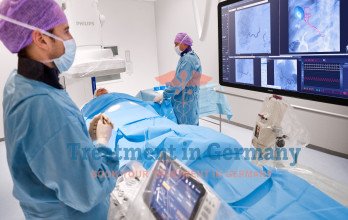
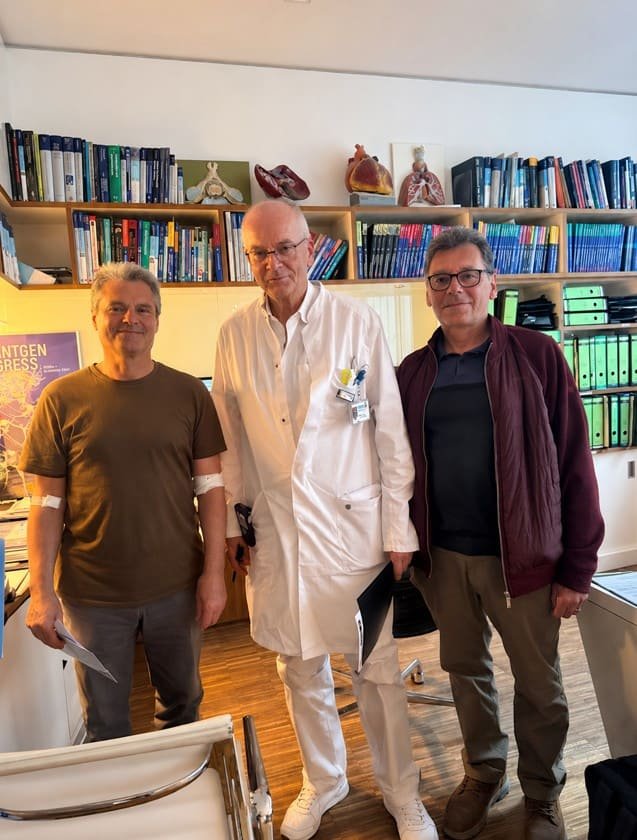
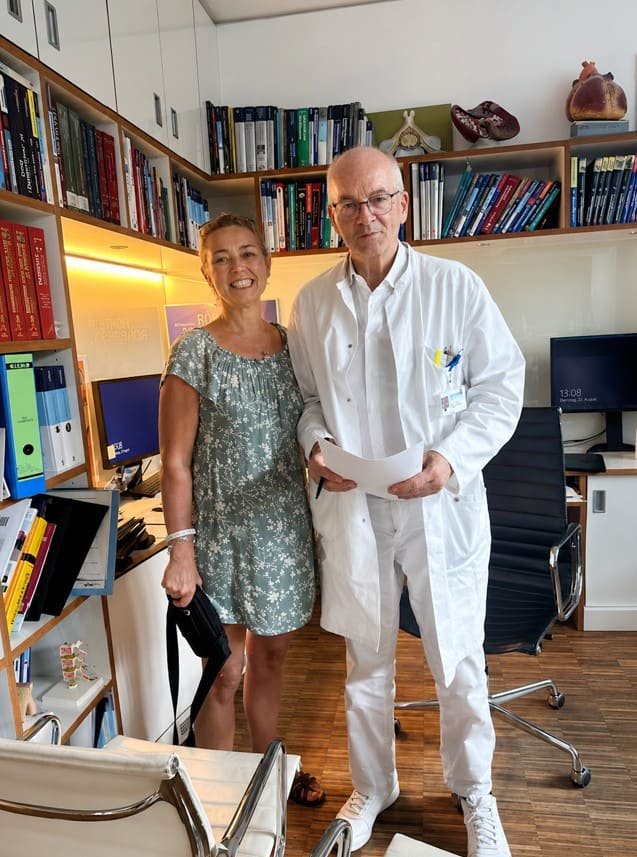
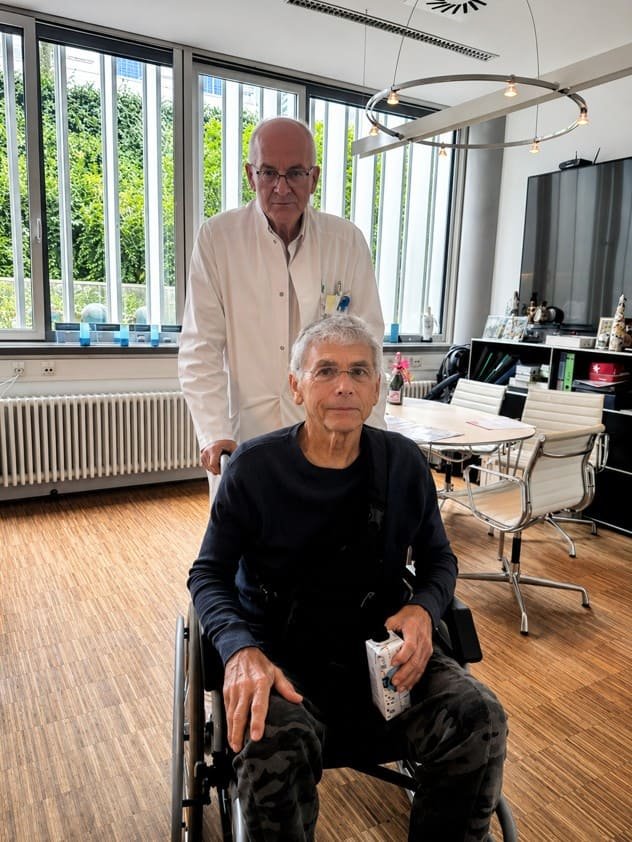
TACP Treatment for Prostate cancer in Germany may be considered in selected metastatic cases, particularly when cancer involves organs such as the liver. This interventional approach is performed by Prof. Vogl in Frankfurt, Germany, and typically costs €8,000 to €9,000 per session.
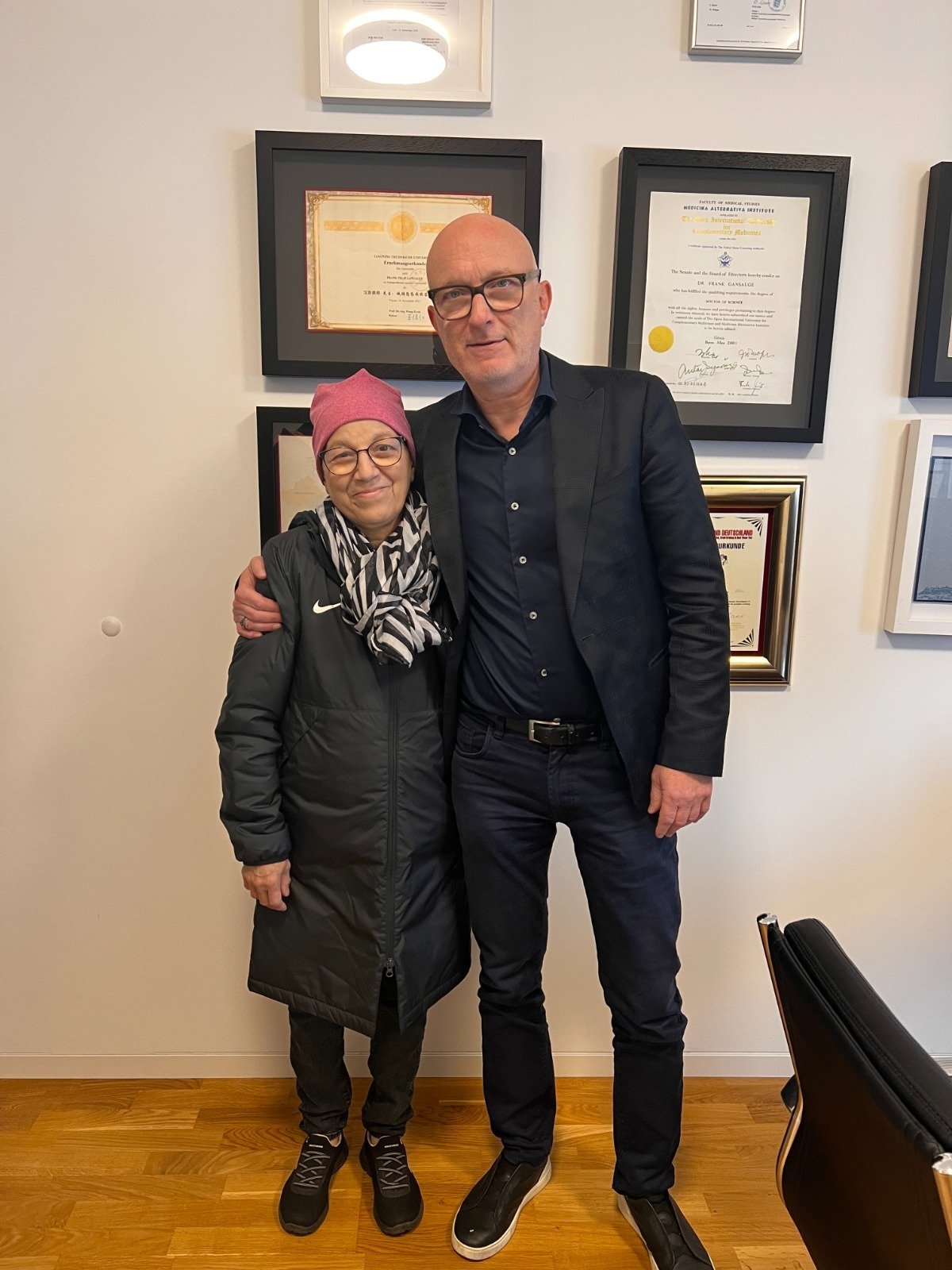
Immunotherapy Dendritic Cell Therapy for Prostate cancer in Germany uses immune cells (Monocytes) processed in an EU GMP certified laboratory to support immune recognition of cancer cells. This therapy is performed by Prof. Gansauge in Berg, Germany, with a cost of €24,000.
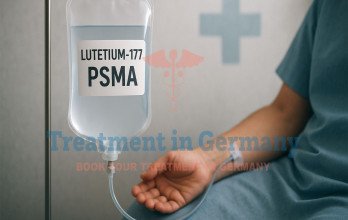
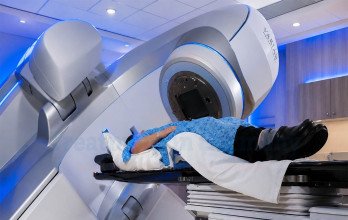
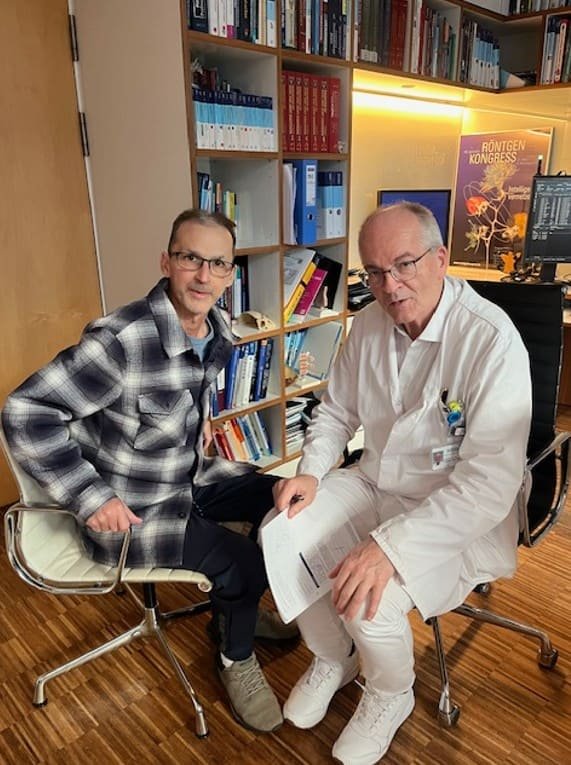
Lutetium 177 PSMA Therapy for Prostate cancer in Germany and Actinium 225 PSMA Therapy for Prostate cancer in Germany, both led by Prof. Dr. Stefan Dresel, are targeted radioligand options used in advanced metastatic disease when PSMA expression is confirmed. The cost of Actinium 225 PSMA Therapy in Germany typically ranges from €18,000 to €20,000 and The cost of Lutetium 177 PSMA Therapy in Germany is €19,000.
Clinical Trials and Research Access in Germany for Stage 4 Prostate Cancer
Many international patients ask about new clinical trials for stage 4 prostate cancer in Germany, when standard therapies feel limited. In Germany, some academic and specialized centers evaluate eligibility for research pathways depending on tumor characteristics, prior treatment history, and medical suitability. Clinical trial availability changes over time and depends on center-specific programs. Trial access is part of why many patients consider cancer treatment in Germany for advanced-stage cancers.
🌍Why Patients Worldwide Prefer Our Medical Services in Germany – Key Benefits Explained:


















.webp)
 (1).webp)
.webp)

.jpg)

 (1).webp)
.jpg)