

Actinium-225 PSMA therapy is an emerging targeted treatment for metastatic prostate cancer in Germany, offering a precise approach for selected patients with advanced disease. This article covers how the therapy works, eligibility, clinical evidence, response rates, side effects, treatment costs, specialist care, and support for international patients seeking treatment in Germany. Contact TIG GmbH for a free medical report review.
Actinium-225 PSMA Therapy for Metastatic Prostate Cancer Treatment in Germany
When prostate cancer spreads and stops responding to standard treatment, patients and families search for options that are both effective and precise. Actinium-225 PSMA therapy is an emerging form of PSMA-targeted alpha radioligand therapy, a form of targeted alpha therapy that delivers high-energy radiation to PSMA-expressing prostate cancer cells while limiting exposure to many surrounding healthy tissues. Established expertise in nuclear medicine has made PSMA therapy in Germany since it has several specialized nuclear medicine centers with experience in PSMA-based radioligand therapies, making it a destination for international patients seeking evaluation for advanced prostate cancer treatment.
For patients exploring advanced prostate cancer treatment in Germany, the medical and practical questions arrive together. TIG GmbH connects international patients with a prostate cancer specialist in Germany, arranges a review of their imaging and PSA history and coordinates the pathway from assessment to follow-up.
What Is Actinium-225 PSMA Therapy in Germany?
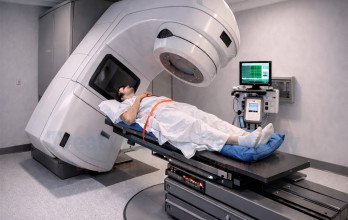
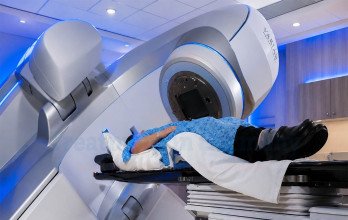
Actinium-225 PSMA therapy for Prostate cancer treatment in Germany, is a form of radioligand therapy that combines a targeting molecule with a powerful radioactive isotope. The targeting molecule PSMA-617 binds to PSMA-expressing prostate cancer cells, while Actinium-225 delivers short-range alpha radiation to the targeted sites. This form of targeted alpha therapy is mainly being investigated for advanced, treatment-resistant disease.

What Is Actinium-225?
It is a radioactive isotope that emits alpha particles. Unlike the beta radiation used in some other therapies, Actinium-225 produces a decay cascade of four sequential alpha particles, releasing a large amount of energy in a very short range [1]. Its half-life of about 9.92 days suits clinical use and the short range of its alpha particles, roughly 40 to 100 micrometers, allows highly localized radiation delivery while limiting exposure to nearby tissues.
How Does Actinium-225 PSMA Therapy Work?
Actinium-225 therapy works by exploiting a marker found on prostate cancer cells. PSMA, the prostate-specific membrane antigen, is highly expressed on many prostate cancer cells, although it is also present in certain normal tissues, including the salivary glands, kidneys and small intestine [10]. The PSMA-617 molecule carries Actinium-225 to PSMA-expressing cells, where the emitted alpha particles release high-energy radiation.
This high-linear-energy-transfer radiation causes complex DNA damage that is difficult for cancer cells to repair and is less dependent on tumor oxygenation than conventional low-linear-energy-transfer radiation [1]. This mechanism enables targeted treatment of PSMA-positive metastatic lesions throughout the body while minimizing radiation exposure to adjacent normal tissues.
Why Is Actinium-225 Used for Metastatic Prostate Cancer?
Actinium-225 PSMA therapy has primarily been studied in patients with metastatic castration-resistant prostate cancer (mCRPC), particularly after progression on androgen receptor pathway inhibitors and, in many cases, chemotherapy or Lutetium-177 PSMA therapy. The alpha particles it emits deliver high energy over a much shorter range than the beta particles emitted by Lutetium-177, which provides a scientific rationale for their use against small tumor deposits and micrometastases [1]. This is why Actinium-225 prostate cancer treatment in Germany may be considered for selected patients whose disease has progressed despite standard treatment or, in some cases, after Lutetium-177 PSMA therapy [8] [9]. It is a form of radioligand therapy rather than immunotherapy because it delivers targeted radiation to cancer cells instead of activating the immune system. Much of the available evidence comes from single-center studies and non-randomized cohorts. Large randomized clinical trials are ongoing to better define its efficacy, safety, optimal dosing and place in the treatment sequence for metastatic-resistant prostate cancer.
Understanding Metastatic Prostate Cancer and PSMA
What Is Metastatic Prostate Cancer?
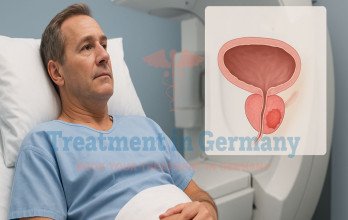
Metastatic prostate cancer is disease that has spread beyond the prostate to distant sites, most often the bones and lymph nodes. When it no longer responds to hormone therapy, it becomes castration-resistant, the most advanced and challenging form. it is classified as metastatic castration-resistant prostate cancer (mCRPC). This disease state is associated with a poorer prognosis and often requires additional systemic therapies. At this stage, treatment focuses on controlling the disease, extending life and maintaining quality of life [4].

Doctors monitor the disease using PSA, a protein measured in the blood together with clinical evaluation and imaging studies when appropriate. Changes in PSA levels over time can help assess treatment response and disease progression. A falling PSA may indicate a response to treatment, while a sustained rise can prompt further clinical and imaging assessment [3] [4].
What Is PSMA and Why Is It Important?
PSMA is a protein found in large amounts on the surface of prostate cancer cells and is overexpressed in most prostate cancers, particularly metastatic castration-resistant disease. Its importance comes from its high expression on many prostate cancer cells compared with most surrounding tissues, although some normal organs also express PSMA.This difference in expression allows PSMA-targeted therapy to concentrate radiation at many tumor sites while limiting, but not eliminating, radiation exposure to normal tissues [10].

Who Is Eligible for Actinium-225 PSMA Therapy in Germany?
Eligibility is confirmed through imaging and clinical assessment. In published studies and current specialized practice, potential candidates may include:
- Men with metastatic prostate cancer that is castration-resistant [4].
- Patients whose disease is confirmed PSMA-positive on a PSMA PET/CT scan.
- Those who have progressed despite standard hormone therapy or chemotherapy which may include androgen receptor pathway inhibitors, chemotherapy or other approved treatments, depending on the individual clinical situation.
- Patients whose disease has progressed following Lutetium-177 PSMA radioligand therapy [9].
A specialist assessment confirms suitability, since the therapy is most effective when the cancer clearly expresses PSMA. Patients with poor performance status or inadequate bone marrow, kidney or other organ function may not be suitable candidates, depending on specialist assessment and the treatment protocol.
Key Benefits of Actinium-225 PSMA Therapy for Prostate Cancer Treatment in Germany

Highly Targeted Cancer Treatment
A key potential benefit of Actinium-225 PSMA therapy is its targeted approach. Because PSMA is highly expressed on many prostate cancer cells, the therapy can concentrate radiation at PSMA-positive tumor sites while limiting exposure to many non-target tissues [10]. This targeted design underlies its effectiveness against disease that has spread throughout the body although ongoing clinical trials continue to define its long-term efficacy and optimal use.
Advantages of Alpha Radiation in Targeted Cancer Therapy
Alpha radiation offers distinct advantages and has several biological properties that make it attractive for targeted cancer therapy. Its particles deliver intense energy over a very short range, causing complex DNA damage in targeted cancer cells while limiting radiation exposure beyond the immediate treatment area [1]. These properties provide a scientific rationale for using targeted alpha therapy against small tumor deposits and micrometastases.
Potential for Symptom Relief and Quality-of-Life Benefits
Published studies suggest that some patients achieve meaningful disease control with a generally manageable side-effect profile, although treatment-related toxicities can occur [2]. For men with advanced disease, reducing tumor burden may help relieve symptoms such as bone pain and support daily wellbeing. Symptom control and quality of life remain important goals throughout metastatic prostate cancer treatment.
How Is Actinium-225 PSMA Therapy Performed in Germany?

Patient Evaluation and PSMA PET/CT Imaging
Treatment begins with a thorough evaluation. A PSMA PET/CT scan confirms that the cancer expresses PSMA and maps where the disease has spread, which is essential for selecting suitable patients [4]. Blood tests assess kidney function, blood counts and the PSA level, establishing a baseline against which response will be measured. The process below outlines the full pathway.
Treatment Administration and Follow-Up
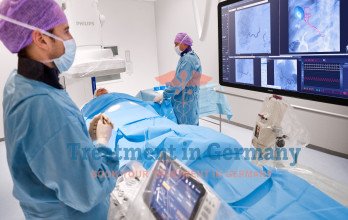
The therapy is given as an intravenous infusion of Actinium-225 bound to PSMA-617. Published treatment protocols use repeated cycles several weeks apart, but the administered activity, interval between cycles and total number of cycles vary according to the protocol, treatment response, toxicity and treating center [4]. Between cycles, PSA levels and imaging are reviewed to judge how the disease is responding. This monitoring of PSA behavior over time guides whether treatment continues, pauses or is adjusted [3]. It is important to notice that PSA measurements contribute to treatment decisions but are interpreted alongside imaging findings, adverse effects and the patient's overall clinical condition when determining whether therapy should continue, be modified or be discontinued.
For international patients, TIG GmbH coordinates imaging, specialist consultations and treatment scheduling from the initial assessment onward.
How Effective Is Actinium-225 PSMA Therapy in Germany?
Clinical Studies and PSA Response Rates
Clinical evidence for Actinium-225 PSMA therapy is encouraging, particularly because many published studies involve patients with advanced disease and limited remaining treatment options. In a systematic review and meta-analysis of 201 patients, the pooled proportion showing any PSA decline was 87.0% and 66.1% had a PSA decline of more than 50% [2]. The chart below shows these pooled response rates.

Response can be even stronger in certain groups. In one reported chemotherapy-naive cohort, PSA levels declined by more than 90% after three or four treatment cycles [1]. In a study of 53 patients treated immediately after hormone therapy, 91% had a PSA decline of at least 50% and 96% had some decline [4]. These figures show why the therapy has drawn such interest for advanced disease. These results come from different and often highly selected patient populations, so the response rates should not be compared directly or interpreted as expected outcomes for every patient.
Survival Outcomes and Disease Control Rates
Published survival data are encouraging, but interpretation is limited by differences in patient populations, previous treatments, study design and the lack of mature randomized comparative evidence. In the meta-analysis, pooled median overall survival was 12.5 months and progression-free survival was 9.1 months, in a heavily pretreated population [2].In the post-hormone-therapy study, median overall survival had not been reached during the reported follow-up period, which extended to approximately 55 months, for patients whose PSA fell by at least 50%, while median progression-free survival was 22 months in that group [4]. Studies also report disease control in some heavily pretreated patients with limited remaining treatment options [3].
Factors Affecting Treatment Outcomes
Outcomes depend on several factors. The degree of PSA decline has been reported as an important predictor of both progression-free and overall survival [4].The extent of disease, the level of PSMA expression, prior treatments and overall health also shape the result. Because responses vary between individuals, the therapy is planned and monitored carefully for each patient.
Side Effects and Safety of Actinium-225 PSMA Therapy
Common Side Effects
The most common side effect of Actinium-225 therapy is dry mouth, known as xerostomia, which occurs because the salivary glands also express some PSMA. In the meta-analysis, xerostomia of any degree occurred in 77.1% of patients, though severe cases were uncommon [2]. Other reported effects include:
- Transient fatigue, reported in about half of patients in one study [3].
- Anemia, usually mild to moderate [2].
- Mild reductions in blood counts, such as leukopenia or thrombocytopenia.
In a study of patients with de novo metastatic hormone-sensitive prostate cancer, grade I/II dry mouth was reported in 94% of patients [5]. Although many treatment-related effects are manageable, their severity varies and requires appropriate monitoring and supportive care.
Safety Profile and Symptom Management
Published studies suggest a generally manageable safety profile in selected patients, although toxicity varies according to prior treatment, disease burden, administered activity and individual patient factors. Severe hematologic and kidney toxicities appear less common in many published series but can occur, particularly in heavily pretreated patients or those with extensive disease. In the cited meta-analysis, grade 3 or higher nephrotoxicity was uncommon [2]. Symptoms like dry mouth are managed supportively and treatment activity can be adjusted to balance effectiveness against tolerability [9]. Patients are monitored closely throughout so any reaction can be addressed promptly [3].
Why Choose Germany for Actinium-225 PSMA Therapy?
Advanced Nuclear Medicine Centers
Germany is home to experienced nuclear medicine departments with expertise in advanced imaging and radioligand therapy. International patients often look for specialized centers with experience in PSMA imaging, targeted treatments and advanced prostate cancer care. Leading centers include:

These centers bring together PSMA PET/CT imaging, nuclear medicine and multidisciplinary prostate cancer care, allowing patients to be assessed by specialists across relevant disciplines.
Regulatory Status and Treatment Availability in Germany
Understanding the regulatory picture matters. Actinium-225 PSMA therapy remains investigational and is not an approved standard treatment. Systematic reviews and meta-analyses have reported encouraging PSA responses in patients with metastatic prostate cancer, although the evidence base is still maturing [6] [7]. In Germany, access may be possible for selected patients through specialized centers, depending on current institutional protocols, regulatory requirements and individual eligibility. Current evidence includes prospective and retrospective non-randomized studies, while randomized late-stage trials are evaluating its role more formally.
Personalized Prostate Cancer Care
German centers emphasize personalized care, matching treatment to each patient's disease and PSMA status. TIG GmbH helps international patients connect with appropriate specialists and coordinates the assessment and treatment pathway according to individual medical needs.
Cost of Actinium-225 PSMA Therapy in Germany
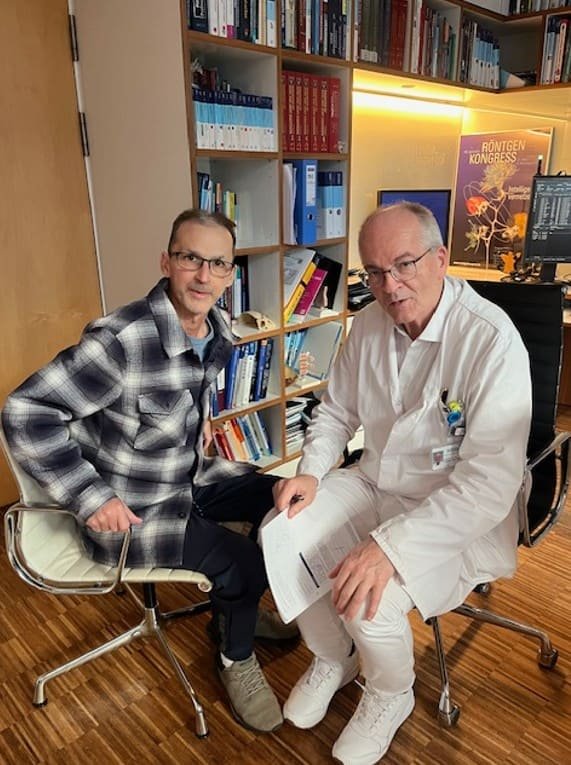
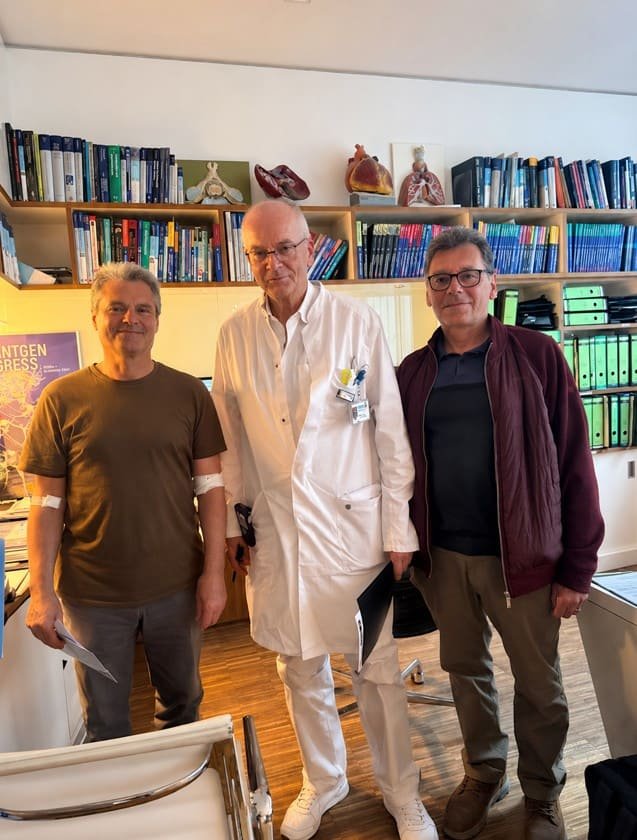
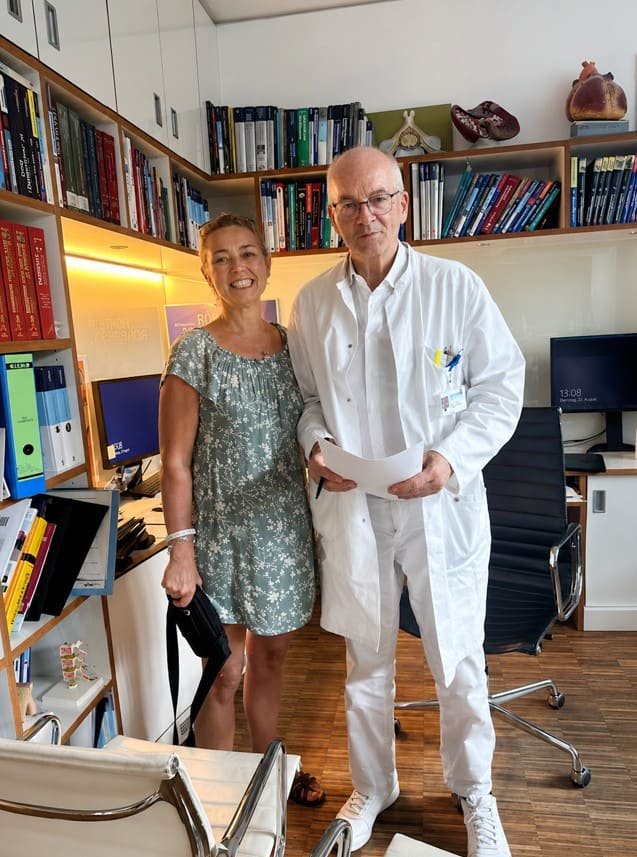
Cost is a practical concern for every patient. The cost of Actinium-225 PSMA therapy in Germany is approximately €18,000 to €20,000 per cycle and treatment is delivered by Prof. Stefan Dresel, a specialist in nuclear medicine. Because the number of treatment cycles varies between patients and protocols, the total cost depends on the individual treatment plan.
What Does the Treatment Cost Include?
The cost generally covers the radioligand itself, its administration, hospital care during treatment and the monitoring that follows each cycle. PSMA PET/CT imaging and laboratory tests may be billed separately depending on the plan. A clear, itemized estimate should always be provided before treatment begins.
Factors Affecting Treatment Costs
Several factors influence the final figure, including the number of cycles, the imaging required and any supportive care. Because responses vary, the number of cycles is not fixed at the outset, which is why costs are best confirmed as treatment progresses.
TIG GmbH provides a transparent, personalized cost breakdown before treatment begins, helping patients understand the expected expenses in advance.
International Patient Services for Actinium-225 PSMA Therapy in Germany
Medical Report Review and Online Consultation
The journey begins with a review of the patient's medical records, imaging, treatment history and PSA results so specialists can assess potential suitability before any travel. An online consultation lets patients discuss their situation with a specialist and clarify the options, which is often the most valuable first step.
Medical Visa, Travel and Interpreter Support
International patients often need a medical visa, along with help arranging travel and medical interpretation. This practical support removes the barriers that can otherwise complicate treatment abroad, so patients can focus on their care.
TIG GmbH handles these arrangements end to end, from the first medical review to travel, treatment and follow-up coordination.
Why Choose TIG GmbH for Actinium-225 PSMA Therapy in Germany?
TIG GmbH helps international patients navigate the assessment and treatment process with coordinated support at every stage. The service is informational and organizational working alongside the treating specialists rather than replacing medical advice. From the first medical report review and online consultation to specialist matching, scheduling, travel and follow-up, the aim is to make a complex journey as smooth as possible, so patients can concentrate on their treatment and recovery.
Your Treatment Journey for Actinium-225 PSMA Therapy in Germany
For patients considering this therapy, the pathway is organized into clear stages:
- Medical report and PSA review, so specialists can advise before any travel.
- Online consultation, to discuss suitability and expectations.
- PSMA PET/CT imaging and evaluation, to confirm PSMA-positive disease.
- Actinium-225 PSMA-617 infusion, given in scheduled cycles.
- Response monitoring, tracking PSA and imaging between cycles.
- Follow-up coordination, continued after returning home.
At each step, TIG GmbH coordinates the details, so patients move through the process with confidence and clear information.
References
Why Patients Worldwide Prefer Our Medical Services in Germany – Key Benefits Explained
























.webp)
 (1).webp)
.webp)

.jpg)

 (1).webp)
.jpg)