

Discover the latest treatments for metastatic breast cancer in Germany, including TACE, TACP and dendritic cell immunotherapy, with costs and TIG support for international patients.
Latest Treatments for Metastatic Breast Cancer
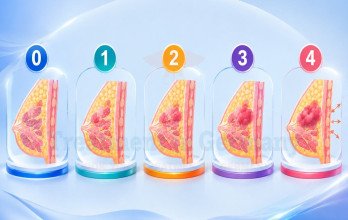
Metastatic breast cancer, also known as stage 4 breast cancer, means breast cancer cells have spread beyond the breast and nearby lymph nodes to distant organs such as breast ancer with liver metastasis. At this stage, treatment is planned as a long-term strategy focused on controlling disease progression, reducing symptom burden, and maintaining quality of life. Many patients searching for the innovative and new treatments for metastatic breast cancer are looking for options beyond conventional therapy and want more personalized strategies that support both targeted disease control and systemic management.
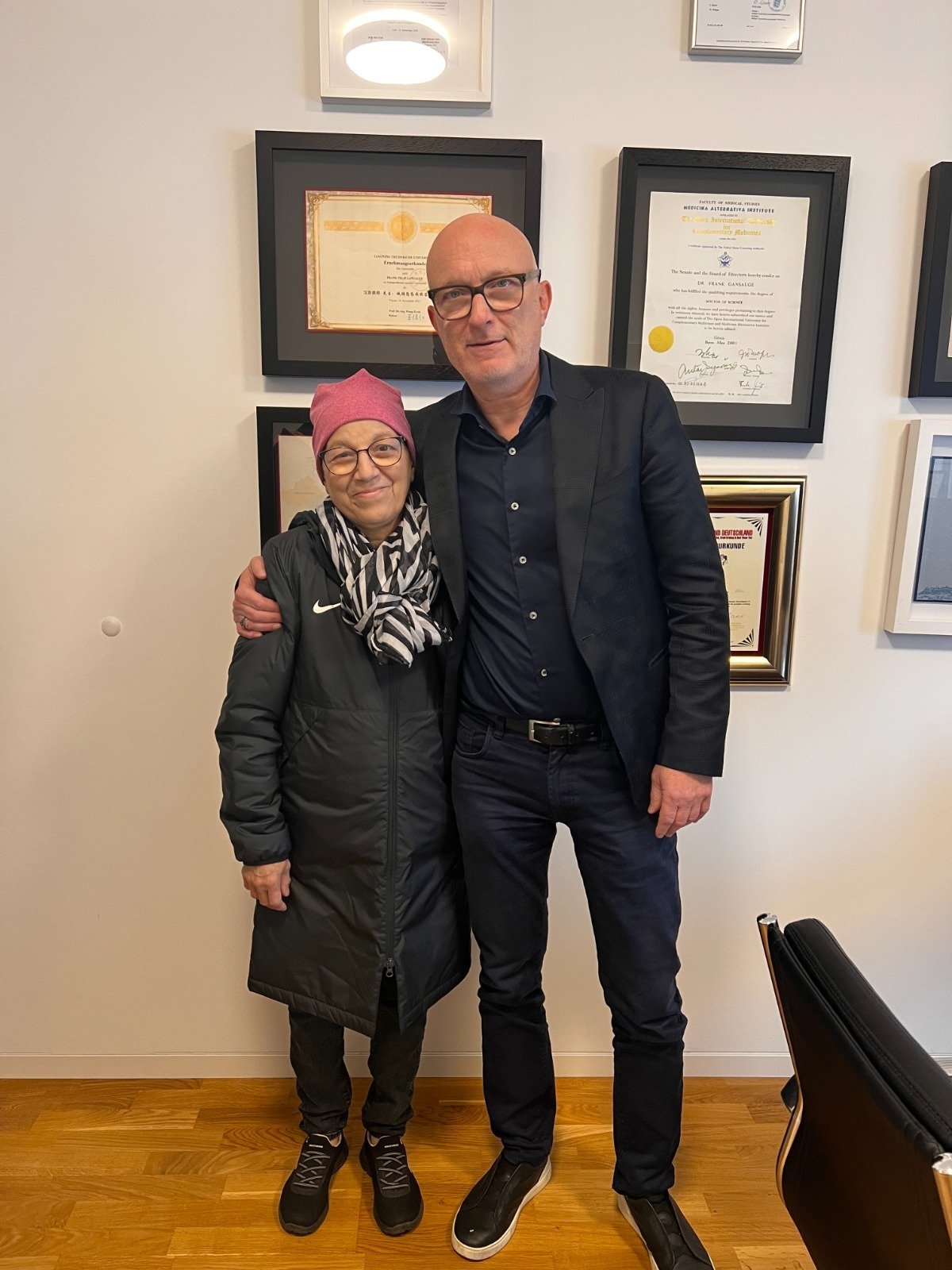
This is one reason many international patients choose treatment in Germany, where advanced cancer treatment is guided through structured diagnostics, regulated treatment pathways, and specialist-led oncology planning. Germany also offers access to experienced specialist-led teams involved in interventional oncology and immunotherapy, including experts Prof Vogl for interventional procedures and Prof. Gansauge for dendritic cell immunotherapy, with complete logistical treatment coordination arranged through TIG at Treatment in Germany.
Understanding Metastatic Breast Cancer
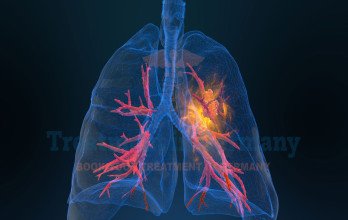
Metastatic breast cancer is a systemic disease, which means it cannot be treated by focusing only on one tumor or one region. Cancer cells may spread to different organs such as breast cancer with liver metastasis, bones, lungs, or brain. Because of this, treatment planning must consider where cancer is active, what symptoms it causes, how quickly it is progressing, and how well the patient can tolerate therapy.
Patients often search for the best treatment options for breast cancer, but there is no single “best” treatment for every stage 4 patient. Treatment depends on multiple factors including tumor biology, prior therapy history, patient health status, and how the cancer behaves over time. This is why advanced treatment planning usually includes continuous reassessment and follow-up imaging.
Diagnosis and Staging before treatment in Germany
Before advanced therapy is recommended, accurate staging is essential. In Germany, metastatic breast cancer evaluation commonly includes imaging to confirm disease spread, identify dominant lesions, and support treatment planning. Depending on clinical needs, imaging can include CT scans, MRI, PET scans, which allow specialists to map tumor activity and determine whether interventional oncology procedures are appropriate alongside systemic approaches.
Many advanced treatment decisions rely on confirming the extent of spread and identifying areas that require targeted control. Germany is often chosen because diagnostic and planning steps follow structured protocols, which reduces uncertainty for patients and families and supports safer decision-making.
Why International Patients Choose treatment in Germany
Choosing cancer treatment abroad is a major decision, especially when the disease is advanced. Germany is widely trusted because it offers regulated clinical standards, transparent treatment planning, and structured medical follow-up. Many families feel reassured because treatment decisions are guided through medical evidence, and therapy selection is based on careful suitability review.
Germany is also known for high-level care delivered through German healthcare centers and advanced German oncology centers, where multidisciplinary teams support treatment planning. Patients also value access to experienced German specialists, accurate diagnostics, and consistent monitoring systems.
Treatment Options for Metastatic breast Cancer in Germany
Metastatic breast cancer treatment is often based on systemic therapy and supportive care. In selected patients, interventional oncology procedures are evaluated to support localized control of dominant lesions, and immunotherapy may be evaluated to support immune recognition strategies.
TACE Treatment for Metastatic Breast Cancer in Germany
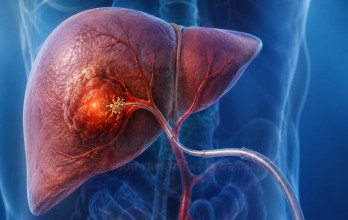
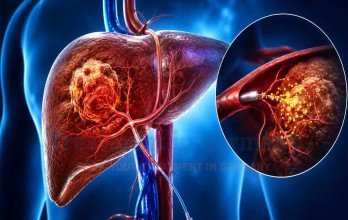
TACE Treatment for metastatic breast cancer in Germany, is an interventional oncology procedure most commonly evaluated when metastatic breast cancer has spread to the liver and localized tumor control is needed. This approach is designed to treat dominant liver lesions in a targeted manner, especially when doctors aim to reduce tumor activity while limiting whole-body exposure to chemotherapy.
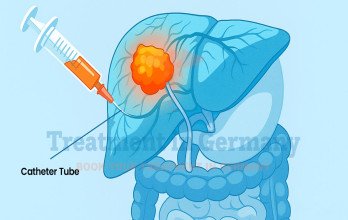
During TACE Treatment, chemotherapy is delivered directly into the blood vessels that supply the tumor, followed by tiny particles that block these vessels. This dual action helps cut off the tumor’s blood supply while trapping the chemotherapy inside the tumor area, maximizing its local effect and reducing harm to surrounding healthy tissue. Because the treatment is delivered in a focused way, it allows doctors to concentrate therapy where it is needed most, while keeping the impact on the rest of the body more controlled.
Before treatment, doctors review imaging to identify tumor location and blood supply. During the procedure, a catheter is guided into the relevant vessel under imaging guidance. Chemotherapy is delivered directly to the tumor-feeding circulation, followed by embolic agents that reduce blood flow to tumor tissue. Patients are monitored after the procedure, and follow-up imaging is used to assess response and plan next steps. The cost of TACE Treatment in Germany typically ranges between €8,000 and €9,000 per session, depending on clinical planning and complexity.
TACP Treatment (Transarterial Chemoperfusion) for Metastatic Breast Cancer in Germany
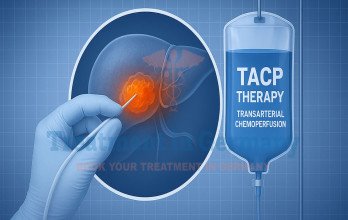
TACP Treatment (Transarterial Chemoperfusion) for metastatic breast cancer in Germany is an interventional oncology approach most commonly evaluated when metastatic disease requires focused regional tumor control. This therapy is designed to deliver chemotherapy directly into the arteries supplying the tumor, allowing the medication to reach the cancer tissue in a more concentrated way while maintaining blood flow to surrounding structures. This targeted delivery helps limit unnecessary exposure to the rest of the body and supports localized management when dominant tumor sites contribute significantly to disease burden.
During TACP Treatment, angiographic planning is first performed to map the arterial blood supply feeding the tumor area. A catheter is then carefully guided into the relevant artery under imaging control, and chemotherapy is infused in a controlled manner directly into the tumor-feeding circulation. Patients are monitored during the procedure and after completion to ensure stability and safety. Follow-up imaging and clinical evaluation help doctors assess treatment response and determine whether further sessions are required as part of the ongoing management strategy. The cost of TACP Treatment in Germany typically ranges between €8,000 and €9,000 per session, depending on individual planning and procedural complexity.
Immunotherapy Dendritic Cell Therapy for Metastatic Breast Cancer in Germany
Immunotherapy Dendritic cell therapy for metastatic breast cancer in Germany is a personalized immune-based treatment designed to support immune recognition of cancer-related markers. Unlike therapies that directly destroy tumors through chemical or radiation-based damage, this approach focuses on immune education and immune surveillance, helping the immune system identify tumor-specific signals more effectively.
The process begins with a medical evaluation to confirm suitability. During the first visit, the doctor reviews medical history, current health, and available test results. If needed, additional checks such as blood analysis or organ function tests may be recommended. A blood sample is collected (typically around 150–200 ml). In an EU GMP certified laboratory, immune cells (Monocytes) are collected and processed under strict quality standards.
The Monocytes are cultured under controlled conditions. During this period, the cells are exposed to tumor-specific antigens so that the dendritic cells mature and become capable of presenting antigens to T-cells, supporting immune recognition. Before administration, comprehensive safety checks are performed to confirm sterility, purity, and viability. The prepared cells are administered back to the patient as a personalized dendritic cell vaccine, usually through an injection under the skin. Patients are monitored throughout the treatment course, and follow-up guidance is provided. The cost of Immunotherapy Dendritic Cell Therapy in Germany is €27,000.
New Clinical Trials for Metastatic Breast Cancer in Germany
Some metastatic breast cancer patients also ask about new clinical trials. Germany supports structured oncology research pathways, and selected patients may be evaluated for clinical trials depending on tumor biology, treatment history, current health status, and eligibility criteria. Trial availability changes over time and is assessed through formal clinical review.
International Patient Support through TIG (Treatment in Germany)
For international patients, medical travel can be challenging because it involves hospital coordination, appointment scheduling, second opinions, travel planning, lodging, and documentation. That is why structured support is essential for a safe and smooth journey. TIG (Treatment in Germany) ensures seamless coordination and manages complete logistic arrangements for international patients, including travel, lodging, and medical visa for international patients (if required).
🌍Why Patients Worldwide Prefer Our Medical Services in Germany – Key Benefits Explained:






















.webp)
 (1).webp)

.webp)


.jpg)

 (1).webp)

.jpg)