

Learn about advanced bladder cancer treatment in Germany, including targeted embolization and dendritic cell immunotherapy, with costs, treating specialist, and TIG support for international patients.
Advanced Bladder Cancer Treatment in Germany
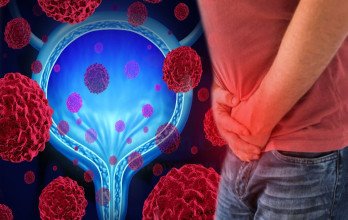
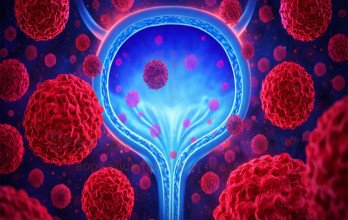
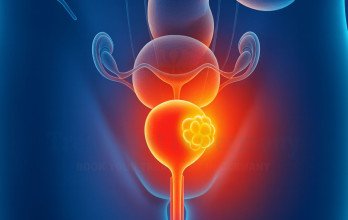
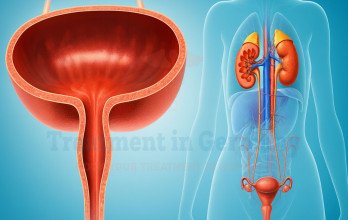
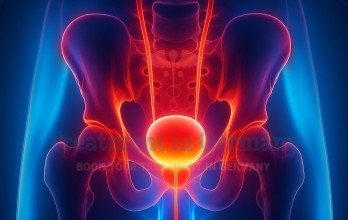
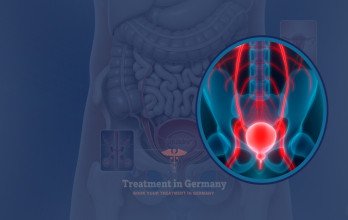
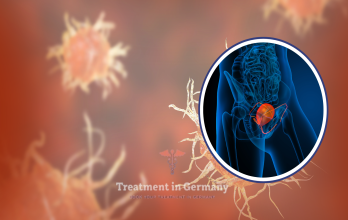
Bladder cancer is a disease in which abnormal cells grow in the bladder lining, the organ responsible for storing urine before it leaves the body. In early stages, bladder cancer may remain limited to the inner lining. However, as the disease progresses, cancer cells can invade deeper layers of the bladder wall, reach nearby tissues, and in advanced cases spread to lymph nodes or distant organs.
When bladder cancer becomes advanced, treatment requires careful planning because decisions are no longer based only on local tumor removal. Instead, doctors focus on controlling disease progression, supporting organ function, and maintaining quality of life through a structured approach. Patients exploring treatment abroad often research trusted medical information sources such as the Australian Cancer Society while learning how advanced bladder cancer is managed and what options may be available.
Patients searching for innovative treatment options for bladder cancer often look for countries where treatment is organized, transparent, and supported by strong oncology expertise. This is why treatment in Germany is widely considered by international patients, especially those seeking new and modern treatment options for bladder cancer in Germany. Germany is known for structured diagnostic evaluation, specialist-led planning, and access to advanced oncology procedures under regulated clinical standards. For complex cases, German teams focus on evaluating the full disease picture before recommending a treatment strategy, which helps avoid rushed or unsuitable therapy decisions.
Why Choose Treatment for advanced Bladder Cancer in Germany?
Germany is internationally trusted for cancer treatment because it offers clear medical pathways, regulated clinical systems, and detailed reassessment throughout treatment. For advanced bladder cancer, this becomes especially important since many patients require ongoing monitoring, imaging-based follow-up, and treatment adjustments depending on response.
Many international patients prefer Germany because care is delivered through structured systems within well-established German healthcare centers. Treatment decisions in advanced cancer cases are often guided by multidisciplinary teams, involving experienced German specialists who coordinate diagnosis, treatment selection, and monitoring. This system reduces uncertainty for patients and families and gives them a clearer understanding of the medical plan.
Evaluation and Diagnostic Planning Before Treatment
Before advanced therapy is considered, German specialists carry out detailed staging and assessment. This step is critical because advanced bladder cancer treatment depends on the extent of spread, tumor activity, and the patient’s organ function.
Imaging tools are often used to guide decision-making and plan advanced procedures. Depending on the case, evaluation may include CT scans, MRI, PET scans. These imaging studies help doctors understand how active the disease is, whether it is localized or widespread, and whether targeted treatment approaches can be safely and effectively considered.
New Cancer Treatments for Advanced Bladder Cancer in Germany
In advanced bladder cancer, treatment strategies may involve therapies designed for local tumor control, along with immune-based support. Germany evaluates innovative options under strict clinical regulation, especially when the disease requires specialized care beyond routine pathways.
Two advanced treatment options that are considered in Germany for selected advanced bladder cancer cases are Targeted embolization Treatment in Germany and Immunotherapy Dendritic Cell Therapy in Germany.
Targeted Embolization Treatment for bladder cancer in Germany
Targeted embolization Treatment for bladder cancer in Germany is an interventional oncology procedure designed to reduce blood supply to tumor tissue. Tumors depend on blood flow to receive oxygen and nutrients. Embolization works by blocking selected vessels feeding the tumor, which limits tumor nourishment and supports local disease control. In advanced bladder cancer, this treatment may be evaluated when localized tumor activity requires focused management as part of a broader treatment plan, especially in patients who are being managed through interventional oncology strategies.
Before targeted embolization is performed, German specialists conduct imaging-based planning to identify tumor activity and vascular pathways. This planning ensures the procedure is precisely targeted and medically appropriate. During the procedure, an interventional specialist inserts a catheter through a blood vessel and guides it to the vessels supplying the tumor area. Embolic agents are delivered to reduce blood flow in a controlled way.
After treatment, patients are monitored, and follow-up imaging is often planned to evaluate response and guide future therapy decisions. This treatment is performed by Prof. Dr. Thomas J. Vogl in Frankfurt, Germany, and the cost of Targeted embolization Treatment typically ranges between €8,000 and €9,000 per session, depending on disease extent and treatment planning.
Immunotherapy Dendritic Cell Therapy for bladder cancer in Germany
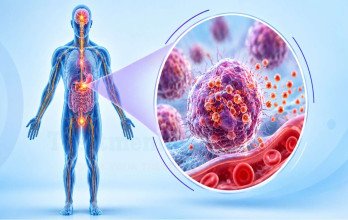
Immunotherapy Dendritic Cell Therapy for bladder cancer in Germany is a personalized immune-based treatment designed to support immune recognition of cancer-related markers. Instead of directly destroying tumors through external interventions, dendritic cell therapy focuses on immune education and immune surveillance. Dendritic cells have a central immune function: they present antigens to T-cells and support immune activation. This therapy is designed to strengthen the immune system’s ability to recognize cancer signals more accurately.
The dendritic cell therapy pathway begins with a medical evaluation where doctors assess current health status, immune function, and clinical suitability. A blood sample is collected (typically around 150–200 ml). In an EU GMP certified laboratory, immune cells (Monocytes) are isolated and processed under strict controlled standards. These cells are cultured and exposed to tumor-specific antigens to develop dendritic cells trained to recognize cancer markers.
After final processing and safety checks, the prepared cells are administered back to the patient as a personalized dendritic cell vaccine, usually by injection under the skin. Patients are monitored throughout the treatment course and follow-up guidance is provided by the treating physician. This therapy is performed by Prof. Gansauge in Berg, Germany, and The cost of Immunotherapy Dendritic Cell Therapy in Germany is €24,000, including laboratory processing, vaccine preparation, and administration.
Combining Advanced Therapies for Bladder Cancer in Germany
In some cases, doctors may recommend combining therapies to manage stage 4 bladder cancer from multiple angles. Targeted embolization Treatment in Germany may help control localized tumor burden, while Immunotherapy Dendritic cell therapy in Germany supports systemic immune response. The decision to combine treatments depends on disease distribution, prior therapies, patient tolerance, and overall health. German oncology teams closely monitor patients through imaging and clinical evaluation and adapt treatment strategies as needed.
International Patient Support through TIG (Treatment in Germany)
For international patients, planning treatment abroad can involve many steps such as contacting hospitals, arranging appointments, preparing medical documentation, and managing travel and lodging. When a patient is dealing with advanced cancer, this workload can become overwhelming.
That is why many families use structured support services. TIG (Treatment in Germany) at www.treatmentingermany.de ensures seamless coordination and manages complete logistic arrangements for international patients, including travel, lodging, and medical visa for international patients (if required).
🌍Why Patients Worldwide Prefer Our Medical Services in Germany – Key Benefits Explained:














.webp)
 (1).webp)

.webp)


.jpg)

 (1).webp)

.jpg)