

Learn about the latest innovative treatment for bladder cancer in Germany, including dendritic cell therapy, cost, benefits, clinical trials, and international patient support.
What Is the Latest Innovative Treatment for Bladder Cancer in Germany?
Bladder cancer is one of the most frequently diagnosed urinary tract cancers, and its advanced stages often require specialized therapies beyond traditional surgery, radiation, or chemotherapy. Germany has gained strong recognition for its advances in bladder cancer management, offering modern diagnostic tools, comprehensive care systems, and highly specialized oncologists. Many International patients now choose Treatment in Germany because they want access to innovative treatment options for bladder cancer that have been refined through extensive clinical experience and ongoing research. One of the most promising approaches included in today’s innovative treatment is dendritic cell therapy in Germany, a treatment that has gained global attention for its ability to support the immune system in recognizing cancer cells.
The diagnostic pathway for bladder cancer in Germany begins with a complete evaluation that includes ultrasound, and advanced imaging. Physicians order detailed cancer detection tests using CT scans, MRI, and PET scans to identify tumor size, location, and possible disease spread. This helps specialists determine cancer stages accurately. Leading organizations such as the American cancer society emphasize accurate staging and personalized therapy selection, which aligns with the structured medical approach in German healthcare centers.
Germany’s oncology teams include urologists, immunologists, radiologists, and the best oncologist in germany, all of whom work together to prepare personalized pathways for patients seeking treatment in Germany. With assistance from the support of TIG (Treatment in Germany at www.treatmentingermany.de, international patients receive complete logistical help including appointments, translation, transportation, and obtaining a medical visa for International patients( if required).
Understanding Bladder Cancer
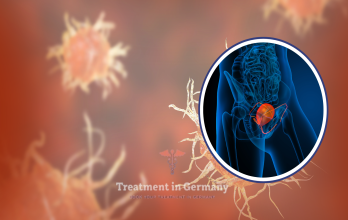
Bladder cancer may form inside the lining of the bladder or deeper layers, and in its advanced stages it may spread to nearby organs or lymph nodes. People may notice cancer symptoms such as blood in urine, frequent urination, discomfort while urinating, pelvic pain, or back pain. Doctors evaluate these symptoms and perform cancer diagnosis procedures that include urine tests and advanced scans like CT scans, MRI, and PET scans. These diagnostic tools help determine the type of bladder cancer and its stage.
For patients looking for innovative treatment options in Germany, Germany offers modern options, including the use of dendritic cell vaccines for certain advanced cases. International organizations such as the British cancer society highlight the importance of personalized cancer treatment, which is why more patients choose to undergo treatment in German hospitals with extensive bladder cancer expertise.
Dendritic Cell Therapy for Bladder Cancer in Germany
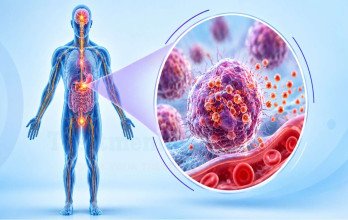
One of the newest and most Innovative treatment options for bladder cancer is dendritic cell therapy in Germany. This therapy is designed to support the immune system in identifying and attacking cancer cells that may not respond well to conventional therapies. Dendritic cells are immune cells responsible for recognizing foreign or harmful cells. Through medical techniques, these cells can be trained to identify bladder cancer and help the body mount a targeted immune response.
During treatment, specialists prepare a dendritic cell vaccine using the patient’s own blood. Germany has strict quality standards that follow EU-GMP guidelines, ensuring that each vaccine is produced in a controlled environment. Many International patients choose this therapy because it offers a personalized approach that may help the immune system remain active against cancer cells for a longer period.
How Dendritic Cell Therapy Works
Blood collection where a small amount of the patient’s blood is drawn to obtain monocytes needed to prepare the vaccine.
Monocyte separation in an EU-GMP laboratory where immune precursor cells are isolated under strict quality standards.
Conversion to dendritic cells in laboratory culture where monocytes mature into active antigen-presenting cells.
Exposure to tumor antigens where dendritic cells are trained to recognize bladder cancer proteins before being reinjected.
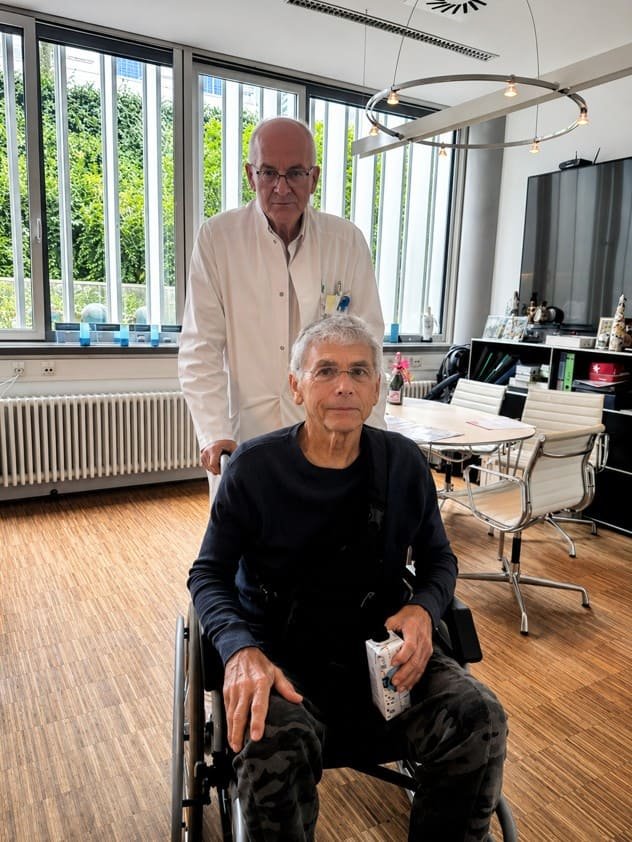
This therapy is performed under the supervision of Prof. Gansauge in Berg, Germany who is known for extensive experience in immunotherapy development.
Cost of Dendritic Cell Therapy in Germany
The cost of dendritic cell therapy in Germany is €24,000, which includes blood extraction, laboratory processing, vaccine development, quality control, and clinical supervision. This fee also includes vaccine administration and post-treatment medical reviews. Patients traveling to Germany may coordinate their entire treatment journey with the support of TIG (Treatment in Germany) at www.treatmentingermany.de , making the process smooth and well-organized.
Benefits of Dendritic Cell Therapy for Bladder Cancer Patients
Bladder cancer patients may benefit from dendritic cell therapy because it promotes a personalized immune response with minimal side effects compared to traditional chemotherapy. This therapy may support long-term immune surveillance, help reduce disease progression, and improve energy levels and overall well-being. The treatment is also compatible with other supportive medical procedures, making it a flexible part of a broader treatment plan.
Why International Patients Choose Germany for Advanced Bladder Cancer treatment
Germany provides a calm and supportive environment for International patients looking for precise diagnostics, safe procedures, and experienced professionals. Many choose Germany because of advanced imaging systems, modern oncology units, and access to clinical trials exploring new clinical trials for bladder cancer.
German hospitals follow the treatment recommendations supported by global organizations such as the American cancer society, while ensuring personalized decisions for each patient. Patients also receive structured support through the support of TIG (Treatment in Germany), including coordination with the best oncologist in germany and assistance with a medical visa for International patients ( if required).
Importance of Clinical Trials and Innovative Research in Germany
Germany continues to participate in new clinical trials for bladder cancer, which evaluate new drug combinations, immune-based therapies, and minimally invasive procedures aimed at improving outcomes for patients with advanced disease. These clinical trials play an essential role in advancing innovative treatment approaches for bladder cancer. Research teams work with the best oncologists in Germany, immunologists, and specialized laboratories to design new therapies that may complement traditional treatments.
🌍Why Patients Worldwide Prefer Our Medical Services in Germany – Key Benefits Explained:


(FAQs)
What is bladder cancer?
It is a condition where abnormal cells grow in the bladder and may form tumors.
Why do international patients choose Germany for bladder cancer treatment?
Germany offers advanced diagnostics, innovative immunotherapy options, and experienced specialists.
What is dendritic cell therapy for bladder cancer?
It is an immune-based treatment designed to help the body recognize and attack bladder cancer cells.
Who performs dendritic cell therapy in Germany?
It is supervised by immunotherapy experts such as Prof. Gansauge in Berg.
How much does dendritic cell therapy cost?
The treatment costs of dendritic cell therapy in Germany is €24,000 for the complete vaccine preparation and administration.
Is dendritic cell therapy safe for bladder cancer patients?
Yes, it is well tolerated and has fewer side effects compared to standard chemotherapy.
Can bladder cancer patients join clinical trials in Germany?
Yes, Germany offers new clinical trials for bladder cancer and advanced immunotherapy studies.
Is Germany suitable for older bladder cancer patients?
Yes, because the therapy is safe, immune-based, and usually well tolerated.
Do international patients get assistance?
Yes, TIG (treatment in Germany) at www.treatmentingermany.de helps with travel, medical appointments, and visa support.
Can dendritic cell therapy be combined with other treatments?
Yes, it can complement other supportive methods if recommended by specialists.
Does the British Cancer Society support modern immunotherapies?
Yes, the British cancer society highlights immunotherapy as an evolving treatment area.


















.webp)
 (1).webp)

.webp)


.jpg)

 (1).webp)

.jpg)