

Learn how to identify key signs of liver metastasis from colorectal cancer, how diagnosis is confirmed using CT, MRI and PET scans, and advanced treatment options in Germany like TACE and dendritic cell therapy with TIG support.
Identifying Key Signs of Liver Metastasis from Colorectal Cancer
Colorectal cancer is a disease that begins in the colon or rectum and may progress over time if not detected early or if the tumor becomes aggressive. One of the most important concerns in advanced colorectal cancer is metastasis, meaning the spread of cancer cells from the original tumor to other organs. The liver is the most common site for spread because blood from the intestines drains directly into the liver through portal circulation, making it easier for colorectal cancer cells to travel there and form secondary tumors.
Many international patients searching to understand what liver metastasis feels like, how it is diagnosed, and what treatment options are available once spread is confirmed. This is also why many families consider treatment in Germany, where staging protocols, imaging-based monitoring, and specialist-led oncology planning are highly structured. In Germany, advanced interventional oncology procedures and immune-based therapy programs are supported by experienced teams, including experts such as Prof. Vogl for interventional treatment pathways and Prof. Gansauge for dendritic cell immunotherapy treatment, with complete logistical arrangements through TIG (Treatment in Germany) at www.treatmentingermany.de
What Is Liver Metastasis from Colorectal Cancer?
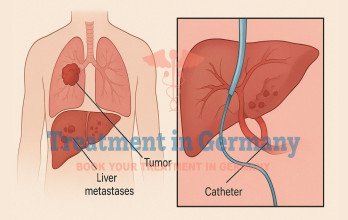
Liver metastasis from colorectal cancer means cancer cells from the colon or rectum have traveled and formed tumors in the liver. It is important to understand this distinction: the cancer is still colorectal cancer, even though it has spread to the liver. This affects treatment planning because therapy selection depends on the primary cancer type and how it behaves biologically. In colorectal cancer with liver metastasis, doctors focus on evaluating the extent of liver involvement, overall organ function, and tumor activity before planning the next steps.
When metastasis occurs, the condition becomes more complex and requires structured long-term management rather than a single treatment step. That is why many patients explore new and innovative treatment options for colorectal cancer in Germany, where advanced diagnostic accuracy, specialist-led evaluation, and continuous monitoring support clearer and more responsible treatment planning.
Symptoms Can Be Non-Specific (Why Diagnosis Matters)
A major challenge with liver metastasis is that symptoms often overlap with common non-cancer problems such as digestive upset, gastritis, medication side effects, or stress. Many patients assume fatigue or appetite loss is “normal” during cancer treatment, which can delay evaluation. This is why medical guidance matters. Symptom reporting is important, but imaging-based confirmation is essential for accurate clinical decisions. It is also why Germany’s structured approach attracts patients looking for reliable staging and planning through recognized German oncology centers.
Key Signs of Liver Metastasis from Colorectal Cancer
Below are the most important signs and changes patients may notice. Keep in mind these symptoms do not confirm liver metastasis on their own, but they strongly indicate the need for medical evaluation.
Common Warning Signs
- Persistent fatigue that feels unusual or worsening over time
- Reduced appetite or early fullness after eating small portions
- Unexplained weight loss without intentional dieting
- Ongoing nausea or a change in digestion patterns
- Discomfort, heaviness, or pressure in the upper right abdomen
- Feeling bloated or a sense of abdominal swelling
- General weakness and reduced stamina
More Advanced Signs That Need Immediate Medical Attention
- Yellowing of the skin or eyes (jaundice)
- Dark urine or pale stools
- Itching that becomes persistent
- Increasing abdominal swelling (fluid buildup may occur in advanced liver involvement)
- Persistent pain that interferes with daily activity
These signs are especially significant for patients already diagnosed with colorectal cancer, because symptom changes may reflect disease progression. This is why symptom recognition should always lead to structured diagnostic testing.
Diagnosis of Liver Metastasis in Germany
When liver metastasis is suspected, the most reliable step is imaging confirmation. In Germany, specialists commonly rely on modern diagnostic pathways and repeated monitoring to map disease accurately.
A structured workup may include imaging such as CT scans, MRI, PET scans, depending on what needs to be evaluated. These scans help determine:
- how many liver lesions exist
- where they are located
- whether lesions appear active
- whether there is spread beyond the liver
German doctors may also recommend liver function blood tests to assess how well the liver is working, because liver reserve plays a major role in treatment planning.
Why International Patients Choose Treatment in Germany
Choosing treatment abroad is a major decision. Many international patients explore Treatment in Germany because Germany offers structured cancer evaluation, detailed diagnostics, and regulated procedures that follow strict medical protocols.
Germany is known for treatment delivered through well-established German healthcare centers, with multidisciplinary planning supported by experienced German specialists. Patients also value Germany’s attention to accurate staging and monitoring, supported by latest medical technology for International patients. For advanced metastatic disease, clarity and step-by-step planning can make an enormous emotional and practical difference. Many patients also consider Germany because they want both reliability and balance. They want advanced care, but also realistic medical communication. This is exactly where Germany’s oncology system is highly respected.
Treatment Options for Colorectal Cancer with Liver Metastasis
Once liver metastasis is confirmed, treatment option for colorectal cancer may include systemic management and supportive care. In selected cases, localized interventional procedures and immune-based approaches is evaluated as part of advanced management.
TACE Treatment for Colorectal Cancer in Germany
TACE Treatment for colorectal cancer in Germany is an interventional oncology procedure most commonly evaluated when colorectal cancer has spread to the liver and localized tumor control is needed. During the procedure, chemotherapy is delivered directly into the blood vessels supplying the tumor, followed by embolic agents that reduce blood flow, supporting localized management of liver metastases.
The cost of treatment in Germany is a major concern for families traveling abroad. The cost of TACE Treatment in Germany typically ranges between €8,000 and €9,000 per session, depending on disease extent and treatment planning.
Immunotherapy Dendritic Cell Therapy for Colorectal Cancer in Germany
Immunotherapy Dendritic Cell Therapy in Germany is a personalized immune-based treatment designed to support immune recognition of cancer-related markers. This therapy involves collecting immune cells (Monocytes) from the patient’s blood and processing them in an EU GMP certified laboratory to create a personalized dendritic cell vaccine.
This option is often explored among latest cancer treatments in Germany for selected patients as part of advanced colorectal cancer planning. The cost of Immunotherapy Dendritic Cell Therapy in Germany is €24,000.
Affordable Cancer treatment in Germany for International Patients
Medical travel requires both clinical trust and financial clarity. Many families explore Germany because of regulated clinical systems and transparent planning, which supports the perception of affordable colorectal cancer treatment in Germany. Patients often prefer Germany because the system emphasizes precise diagnostics, structured therapy coordination, and continuous monitoring, which is especially important for metastatic colorectal cancer.
International Patient Support through TIG (Treatment in Germany)
For international patients, arranging treatment abroad can be stressful and confusing, especially after a metastatic diagnosis. Patients often need help with appointment coordination, hospital communication, travel planning, lodging, and documentation. TIG (Treatment in Germany) at www.treatmentingermany.de ensures seamless coordination and manages complete logistic arrangements for international patients, including travel, lodging, and medical visa for international patients (if required). This support helps patients focus on treatment rather than administrative challenges.
🌍Why Patients Worldwide Prefer Our Medical Services in Germany – Key Benefits Explained:















.webp)
 (1).webp)

.webp)


.jpg)

 (1).webp)


.jpg)