

Breast cancer treatment in Germany depends on the cancer stage, hormone receptor and HER2 status, tumor characteristics, and overall health. This guide covers diagnosis, staging, surgery, chemotherapy, radiation, endocrine and targeted therapies, survival, treatment costs, and care at DKG-certified breast centers. It also explains what international patients can expect when arranging specialist review, treatment, travel, and follow-up care.
Breast Cancer Treatment in Germany: Options, Survival Rates & Care
Breast cancer occurs when abnormal cells in the breast grow uncontrollably and may invade surrounding tissue or spread to other parts of the body. It is not a single disease. Treatment depends on several factors, including the cancer's stage, hormone receptor and HER2 status, tumor characteristics, and the patient's overall health.
In Germany, breast cancer treatment is provided through DKG-certified multidisciplinary breast centers, where specialists develop individualized treatment plans. The 2026 S3 guideline emphasizes treatment decisions based on tumor biology, disease stage, patient characteristics, and individual recurrence risk [1]. For patients exploring specialized care, Treatment in Germany can provide information on treatment options and international patient services.
This guide covers diagnosis, staging, treatment, survival data, and what international patients can expect when seeking care in Germany.
Breast Cancer Types, Risk Factors and Symptoms

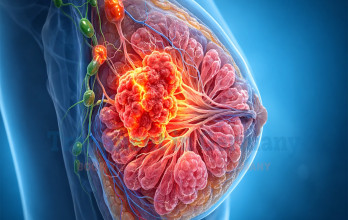
Breast cancer develops when abnormal cells in the breast grow uncontrollably and may invade surrounding tissue or spread to other parts of the body. Most breast cancers begin in the milk ducts or milk-producing lobules. The two most common invasive types are invasive ductal carcinoma and invasive lobular carcinoma.Ductal carcinoma in situ (DCIS) is a non-invasive form of breast cancer confined to the ducts and is generally considered stage 0 disease.
Breast cancer is the most common cancer among women in Germany. Risk increases with age, particularly after 50. Risk factors include increasing age, a family history of breast or ovarian cancer, inherited pathogenic variants such as BRCA1 or BRCA2, hormonal and reproductive factors, alcohol consumption, excess body weight after menopause, and physical inactivity. Most breast cancers, however, are not caused by an inherited BRCA1 or BRCA2 pathogenic variant [1] [3].
Common symptoms include:

Early breast cancer may cause no noticeable symptoms and can be detected through routine mammography.Germany’s national mammography screening program offers women aged 50–75 screening every two years. Women with breast symptoms or a previous breast cancer diagnosis are evaluated through diagnostic care rather than routine screening [1].
Breast Cancer Diagnosis in Germany

Once a lump or an abnormal screening result raises concern, diagnostic workup typically begins with a clinical breast exam, imaging, and tissue sampling.
- Mammography and ultrasound: Mammography is a key imaging test, while ultrasound is used as an adjunct in selected patients, including when evaluating dense breast tissue or a specific breast abnormality.
- Breast MRI: used selectively, such as in patients at high genetic risk, when conventional imaging is inconclusive, or when additional imaging is needed for treatment planning; it is not routinely required for every patient.
- Core needle biopsy: confirms malignancy and allows pathological assessment of tumor type, grade, hormone receptors, HER2 status, and other biomarkers when clinically indicated.
- Staging scans: CT, bone scintigraphy, PET-CT, or other systemic imaging may be used when the stage, symptoms, examination findings, or other clinical features raise concern for metastatic disease. Routine systemic staging is generally not recommended for asymptomatic patients with early-stage breast cancer [1] [5].
Breast Cancer Stages and Their Treatment

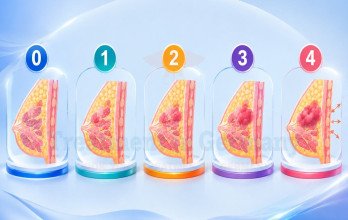
Once biopsy and imaging confirm the diagnosis, breast cancer is classified from stage 0 to IV based on tumor size, lymph node involvement, and whether the cancer has spread to distant organs. Treatment is further tailored to tumor biology, including hormone receptor and HER2 status [1]. Treatment is guided by disease stage together with tumor biology, biomarker status, recurrence risk, patient characteristics, and treatment preferences.
Early-Stage Breast Cancer
Treatment may include breast-conserving surgery or mastectomy with appropriate axillary staging. Depending on tumor biology, stage, recurrence risk, and patient factors, treatment may also include radiotherapy, endocrine therapy, chemotherapy, HER2-targeted therapy, immunotherapy, or other systemic treatments [1] [5].
Locally Advanced Breast Cancer
For many locally advanced or high-risk tumors, treatment begins with neoadjuvant systemic therapy to reduce tumor burden and assess treatment response, followed by surgery and radiotherapy when indicated [1].
Metastatic / Stage IV Breast Cancer
In selected patients with limited metastatic disease, local treatments such as surgery or radiotherapy may be considered alongside systemic therapy, depending on the sites of metastases, tumor biology, symptoms, and overall treatment goals [6].
Survival Rates and Prognosis in Certified German Centers
Survival statistics describe outcomes for large groups of similar patients they cannot predict your individual outcome. Relative survival compares survival among people with cancer to that expected in the general population of the same age and sex.
Using U.S. SEER data, the American Cancer Society reports the following 5-year relative survival rates for women diagnosed between 2015 and 2021, grouped by extent of spread at diagnosis [8]:

German registry data report an overall 5-year relative survival of roughly 87–88%, although estimates vary by reporting period and methodology [3] [4]. National and international figures are not directly comparable, since registries differ in staging distribution and methodology.
Overall prognosis is also determined by:
Biomarker Profile: Hormone receptor (ER/PR) and HER2 status.
Disease Burden: Tumor grade and lymph node involvement.
Treatment Response: Response to neoadjuvant chemotherapy a pathologic complete response after neoadjuvant therapy is generally associated with a more favorable prognosis, particularly in triple-negative and HER2-positive disease [1] [5].
Breast Cancer Treatment Options in Germany

Because prognosis depends heavily on tumor biology and stage, treatment in certified German breast centers combines surgery and radiation with systemic therapy chosen according to tumor biology, coordinated through a multidisciplinary tumor board.
Breast Cancer Surgery
- Breast-conserving surgery (lumpectomy): removes the tumor with a radiation, it works as well as mastectomy.
- Mastectomy: removal of the entire breast, which may be recommended for extensive or multicentric disease, when breast-conserving surgery would not provide an appropriate oncological or cosmetic result, in some genetically high-risk situations, or according to informed patient preference.
- Lymph node surgery: Sentinel lymph node biopsy is commonly used for axillary staging in clinically node-negative patients. In selected patients with limited sentinel-node involvement, axillary lymph-node dissection may be omitted when the clinical setting, type of breast surgery, radiotherapy plan, tumor characteristics, and other guideline criteria support this approach.
- Breast reconstruction: using implants or the patient's own tissue, performed immediately or delayed, depending on tumor characteristics and planned radiation [1] [2]. Margin of healthy tissue; for eligible early-stage tumors combined with.
Systemic Treatment for Breast Cancer
- Chemotherapy:may be given before or after surgery when indicated. The regimen is selected according to tumor subtype, stage, recurrence risk, treatment response, comorbidities, and other patient-specific factors
- Endocrine therapy:tamoxifen, aromatase inhibitors, and, when appropriate, ovarian function suppression are the main systemic treatments for hormone-receptor-positive breast cancer. Therapy is often prescribed for at least five years, with extended treatment considered for some patients based on recurrence risk, menopausal status, and tolerability [1]
- HER2-targeted therapy: Treatment depends on disease stage, HER2 status, recurrence risk, and previous therapy. Trastuzumab, with or without pertuzumab, is used in appropriate HER2-positive early-stage disease; trastuzumab emtansine may be used when residual invasive disease remains after neoadjuvant therapy; and trastuzumab deruxtecan is an important treatment option in selected HER2-positive and HER2-low or HER2-ultralow metastatic settings according to current regulatory indications and prior treatment [9].
- CDK4/6 inhibitors: agents such as abemaciclib and ribociclib may be combined with endocrine therapy in selected patients with hormone-receptor-positive, HER2-negative early-stage or advanced/metastatic breast cancer, depending on disease risk, treatment setting, and regulatory indications [7].
- PARP inhibitors: olaparib is EU-approved as adjuvant treatment for germline BRCA-mutated, HER2-negative, high-risk early breast cancer [11].
- Immunotherapy:Pembrolizumab has established indications in specific triple-negative breast cancer settings, including selected high-risk early-stage disease and PD-L1-positive unresectable or metastatic disease. It is not routinely used as systemic treatment for hormone-receptor-positive or HER2-positive breast cancer [10].
Precision Radiation Therapy for Breast Cancer
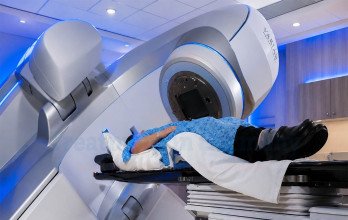
Radiotherapy is routinely recommended after breast-conserving surgery in most patients. After mastectomy, it may be recommended based on factors such as tumor size, lymph-node involvement, margin status, and other clinicopathological features [1]. Hypofractionated radiotherapy, which delivers treatment in fewer sessions using a higher dose per fraction, is now widely used in many breast cancer treatment settings.Radiation may also be used for symptom control in metastatic disease, such as painful bone lesions, where its intent is palliative.
Individualized and Innovative Breast Cancer Treatments
Biomarker testing increasingly opens up further options: Biomarker testing can identify patients who may be eligible for additional targeted treatments in advanced breast cancer. For example, PIK3CA alterations can be relevant when selecting targeted therapy for some patients with hormone-receptor-positive, HER2-negative advanced disease. Trastuzumab deruxtecan is also approved in the European Union for specific HER2-low or HER2-ultralow metastatic breast cancer settings, subject to the applicable treatment history and regulatory criteria [9] For tumors that do not respond to standard options, clinical trials at German university cancer centers may offer access to investigational treatments, evaluated case by case rather than as a routine alternative to standard care.
Treatment Approaches for Different Breast Cancer Types

Tumor subtype is a key factor in selecting systemic treatment alongside stage, tumor characteristics, and recurrence risk. German and international guidelines base systemic therapy recommendations primarily on hormone receptor and HER2 status, summarized below and in the table that follows.
Triple-Negative Breast Cancer Treatment
Triple-negative breast cancer (TNBC), defined by the absence of estrogen receptor, progesterone receptor, and HER2 expression, accounts for approximately 15% of breast cancers and is more common in younger patients and in some patients with germline BRCA1 pathogenic variants. Chemotherapy remains the backbone; for high-risk early-stage disease, pembrolizumab combined with chemotherapy is a guideline-supported option, and PARP inhibitors are considered for patients with a germline BRCA mutation [1] [10] [11].
HER2-Positive Breast Cancer Treatment
HER2-positive breast cancer is treated with HER2-directed therapy combined with chemotherapy in appropriate early-stage and advanced settings. Depending on stage, recurrence risk, treatment response, and previous therapy, options may include trastuzumab, pertuzumab, trastuzumab emtansine, and trastuzumab deruxtecan [1] [9].
Hormone-Receptor-Positive Breast Cancer Treatment
Hormone-receptor-positive, HER2-negative breast cancer is the most common biological subtype, accounting for the majority of breast cancer cases.Endocrine therapy is a mainstay of treatment across disease stages, while CDK4/6 inhibitors may be added for selected patients with high-risk early-stage or advanced/metastatic disease.In selected hormone-receptor-positive, HER2-negative early cancers, validated genomic assays may help estimate recurrence risk and inform chemotherapy decisions, particularly when the benefit of chemotherapy is uncertain [1] [7].

Advanced and Metastatic Breast Cancer Treatment

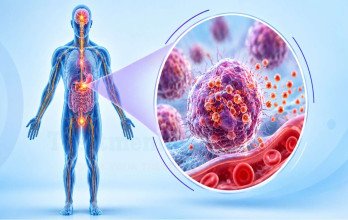
Stage IV disease, whether present at diagnosis or arising later, is treated mainly with systemic therapy chosen by receptor and biomarker status;because hormone-receptor and HER2 status can differ between the primary tumor and a metastasis, biopsy of an accessible metastatic lesion is generally recommended when clinically feasible and when the result could influence treatment selection.[6] The goal is to control disease, manage symptoms, and maintain quality of life.
- Local treatment for selected patients: Surgery or radiotherapy may be considered for limited metastatic disease, painful or structurally threatening bone metastases, brain metastases, or other sites where local control is clinically appropriate. The role and intent of local treatment depend on disease extent, tumor biology, symptoms, and the overall treatment strategy.
- Multidisciplinary support: palliative care, pain management, and psycho-oncological support are typically integrated alongside ongoing cancer treatment [1].
Breast Cancer Treatment Cost in Germany
The cost of breast cancer treatment in Germany varies substantially depending on the stage and subtype of cancer, diagnostic requirements, treatment approach, medication regimen, length of hospitalization, and whether reconstruction or additional procedures are required. For international patients, an individualized estimate is usually prepared after the hospital reviews the pathology report, imaging, previous treatment history, and proposed treatment plan.
- Diagnostics: mammography, ultrasound, MRI, biopsy, and biomarker or genomic testing.
- Surgery: cost depends on whether it is breast-conserving surgery or mastectomy, and whether reconstruction is included.
- Systemic therapy: chemotherapy, targeted therapy, and immunotherapy are usually the largest cost components, mainly due to medication prices.
- Radiation: depends on the number of sessions and the technique used.
Because costs vary by hospital and by case, Treatment in Germany can arrange a personalized, itemized cost estimate once your medical records are available.For international patients, a treatment quotation may include diagnostic investigations, surgery and hospitalization, systemic therapy, radiotherapy, medication, pathology review, and follow-up services. The exact items included should be confirmed with the hospital before treatment begins.
Your Medical Journey to Germany
International patients typically follow a similar sequence when arranging breast cancer treatment or a second opinion in Germany
- Submit Medical Records: pathology reports, imaging, and prior treatment summaries are submitted for review by a German hospital or specialist.
- Receive Treatment Recommendation and Cost Estimate: the hospital provides a proposed plan and a cost estimate specific to your case; review time varies by hospital and case complexity.
- Hospital Appointment and Medical Visa: after the treatment plan and appointment are confirmed, international patients can apply for the appropriate German medical visa when required. Visa requirements differ by country of residence and should be verified with the responsible German mission before travel.
- Travel and Treatment in Germany: patients travel for consultations, procedures, and any inpatient care required . International patient services vary by hospital and may include medical-record coordination, interpretation, scheduling, and logistical support. Confirm these services before travel.
- Follow-Up Care: after active treatment, follow-up may continue with the German hospital, a physician at home, or both, depending on ongoing therapy such as endocrine treatment.
Overall duration depends heavily on the plan: surgery alone may involve a hospital stay of a few days plus several weeks of recovery, while a combined course of neoadjuvant chemotherapy, surgery, and radiation can extend over several months, with endocrine therapy continuing for years afterward. An exact timeline is confirmed once a treatment plan is in place.
Why Choose Germany for Breast Cancer Treatment?
DKG-certified breast centers: meet defined standards for case volume, multidisciplinary staffing, and outcome reporting [2].
Biomarker-guided treatment: German breast centers use tumor characteristics such as hormone-receptor and HER2 status, and additional biomarkers when clinically indicated, to help determine appropriate systemic treatment.
Modern radiotherapy and systemic treatment: certified centers provide access to established radiotherapy approaches and guideline-supported targeted treatments, with specific technologies and therapies varying between hospitals.
Multidisciplinary tumor boards: surgeons, oncologists, radiologists, pathologists, and radiation oncologists review each case together.
International patient support: record review, treatment coordination, and interpreter support at many hospitals, though exact services vary by hospital and should always be confirmed directly.
References
3. Deutsche Krebsgesellschaft, ONKO-Internetportal. Brustkrebs: Erkrankungsverlauf.
7. National Comprehensive Cancer Network. NCCN Clinical Practice Guidelines in Oncology: Breast Cancer.
8. American Cancer Society. Survival Rates for Breast Cancer (based on SEER data).
9. European Medicines Agency. Enhertu (trastuzumab deruxtecan): EPAR Medicine Overview.
10. European Medicines Agency. Keytruda (pembrolizumab): EPAR Medicine Overview.
11. European Medicines Agency. Lynparza (olaparib): EPAR.
Why Patients Worldwide Prefer Our Medical Services in Germany – Key Benefits Explained
















.webp)
 (1).webp)

.webp)
.jpg)

 (1).webp)

.jpg)