

Chemotherapy for early breast cancer is planned according to the cancer’s stage, receptor status and individual risk of recurrence. It may be given before surgery (neoadjuvant) or after surgery (adjuvant), commonly using anthracyclines and taxanes, with carboplatin or capecitabine in selected situations. Depending on the subtype, chemotherapy may be combined with HER2-targeted therapy or with the immunotherapy drug pembrolizumab. In Germany, treatment is planned by multidisciplinary teams in line with the national S3 guideline, and supportive care is used to prevent and manage side effects.
Breast Cancer Chemotherapy in Germany: Treatment and Side Effects
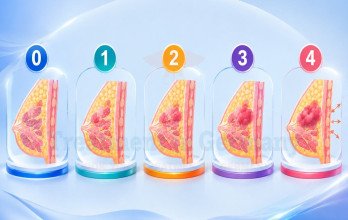
Chemotherapy is one of several treatments for breast cancer, alongside surgery, radiotherapy, endocrine therapy, HER2-targeted therapy and immunotherapy. Whether it is recommended, and when it is given, depends on the characteristics of the tumor and on the patient’s overall health. In Germany, breast cancer chemotherapy is planned according to the breast cancer stages, receptor status and individual risk of recurrence. It may be given before surgery (neoadjuvant) to shrink the tumor and assess its response, or after surgery (adjuvant) to lower the risk of the cancer returning. This article focuses on chemotherapy for early (non-metastatic) breast cancer.
When Breast Cancer Chemotherapy Is Recommended

A multidisciplinary team decides whether chemotherapy is appropriate by considering tumor size, lymph-node involvement, tumor grade, hormone-receptor status and HER2 status, together with the patient’s age, general health and preferences. For selected patients with hormone receptor-positive, HER2-negative early breast cancer, validated gene-expression tests such as Oncotype DX or MammaPrint can help when the benefit of chemotherapy is uncertain. Their results are interpreted together with tumor and clinical features rather than in isolation.
Chemotherapy is part of standard treatment for most HER2-positive and triple-negative breast cancers, although it may be omitted for some very small, node-negative tumors. HER2-positive disease is also treated with HER2-targeted therapy, and hormone receptor-positive tumors usually receive endocrine therapy as well [1].
Chemotherapy Before or After Breast Cancer Surgery

Neoadjuvant Chemotherapy Before Surgery
Neoadjuvant chemotherapy is used when tumor size, lymph-node involvement or tumor biology make treatment before surgery appropriate. It is commonly used for HER2-positive and triple-negative breast cancers [1].
- Why it is given before surgery: Treating the cancer first shows how well it responds, may shrink the tumor enough to allow breast-conserving surgery, and helps guide treatment after surgery.
- Pathological complete response (pCR): pCR means that no invasive cancer remains in the breast or lymph nodes at surgery (ypT0/is ypN0). It is an important goal of neoadjuvant treatment.
- What pCR means for prognosis: Achieving pCR is associated with better long-term outcomes, especially in HER2-positive and triple-negative breast cancer. However, pCR does not remove the risk of recurrence, and its prognostic value differs between subtypes.
- If HER2-positive cancer remains after neoadjuvant treatment: Postoperative treatment for residual invasive HER2-positive disease is guided by current evidence, regulatory status and clinical guidelines. Trastuzumab emtansine (T-DM1) has an established benefit over continuing trastuzumab alone, including improved overall survival. Trastuzumab deruxtecan (T-DXd) has also shown significantly longer invasive disease-free survival than T-DM1 in the DESTINY-Breast05 trial, although it carries a risk of interstitial lung disease that requires monitoring [2] [3]. Its use in Germany should follow the current European authorisation and applicable clinical guidance.
- If pCR is achieved: Patients usually continue HER2-targeted therapy after surgery to complete a total of one year of trastuzumab-based treatment [1].
Adjuvant Chemotherapy After Surgery
Adjuvant chemotherapy is given after surgery to reduce the risk of recurrence from microscopic cancer cells that may remain after the tumor is removed. The decision is based on the final pathology, including tumor size, grade, lymph-node involvement and receptor status, and, in selected patients with hormone receptor-positive, HER2-negative disease, on gene-expression test results. Not everyone needs adjuvant chemotherapy.
Some patients with lower-risk hormone receptor-positive disease can be treated with endocrine therapy alone. When chemotherapy is recommended, it usually starts once the patient has recovered sufficiently from surgery for breast cancer [1].
The timing of chemotherapy depends on the treatment plan and surgical approach. Neoadjuvant chemotherapy is given before surgery to reduce tumor size, evaluate how the cancer responds, and potentially make breast-conserving surgery possible. Adjuvant chemotherapy follows surgery and is used to reduce the risk of recurrence based on the final pathology and other risk factors. Neoadjuvant treatment is often considered for larger, node-positive, HER2-positive, or triple-negative cancers.

The image above compares chemotherapy given before and after surgery, including its timing, purpose, response assessment, and common clinical uses.
Breast Cancer Chemotherapy Drugs and Regimens
Chemotherapy uses cytotoxic drugs that damage rapidly dividing cells. In early breast cancer, it aims to lower the risk of the cancer returning.

Common Chemotherapy Drugs for Breast Cancer
Several drug classes are used, often in combination:
- Anthracyclines (doxorubicin, epirubicin) are part of many breast cancer regimens. They carry a dose-related risk of heart damage, so heart function may be checked before and during treatment.
- Cyclophosphamide is an alkylating agent that is often combined with an anthracycline.
- Taxanes (paclitaxel, docetaxel) are widely used, either after an anthracycline or in anthracycline-free regimens, and are often combined with HER2-targeted therapy in HER2-positive disease.
- Carboplatin is included in some regimens given before surgery for triple-negative and HER2-positive breast cancer. It is not required for every patient with these subtypes.
- Capecitabine is an oral chemotherapy that may be offered after surgery to selected patients with triple-negative breast cancer who still have invasive cancer after neoadjuvant chemotherapy. This is based mainly on the CREATE-X trial, which was conducted before pembrolizumab became part of standard treatment; after pembrolizumab-containing treatment, the next step is decided individually [4].
This list is not exhaustive. Drug selection depends on the cancer’s subtype, stage and treatment setting.
Common Chemotherapy Regimens
Drugs are often combined or given in sequence because they act on cancer cells in different ways. One established approach is an anthracycline with cyclophosphamide followed by a taxane (for example, AC-T or EC-T). Some patients receive this on a dose-dense schedule with growth-factor support.
Docetaxel and cyclophosphamide (TC) is an anthracycline-free option for selected patients with HER2-negative disease. In HER2-positive disease, chemotherapy is combined with HER2-targeted drugs, and higher-risk early-stage cancers are often treated before surgery with a taxane- and carboplatin-based regimen plus trastuzumab and pertuzumab [1].
Doses are prescribed according to the treatment regimen and may be based on body surface area, body weight, or other dosing methods, with adjustments made when needed for blood counts, organ function, or treatment-related side effects.
Chemotherapy Approaches by Breast Cancer Subtype
Breast cancers are grouped by hormone-receptor and HER2 status. These markers strongly influence whether chemotherapy is needed and which drugs are used.
Hormone Receptor-Positive Breast Cancer
Not all hormone receptor-positive breast cancers need chemotherapy. For many lower-risk, HER2-negative cancers, hormone and targeted therapy for breast cancer can form an important part of treatment, and endocrine therapy alone may be appropriate.Chemotherapy is more likely to be recommended when lymph nodes are involved, when other features point to a higher risk of recurrence, or when a gene-expression test suggests a meaningful benefit beyond endocrine therapy [1]. When chemotherapy is used, it is usually completed first; endocrine therapy then follows, typically for five years or longer.
HER2-Positive Breast Cancer
Many patients with HER2-positive breast cancer are treated with chemotherapy plus trastuzumab, with pertuzumab added for patients at higher risk. Larger or node-positive tumors are often treated before surgery. Treatment after surgery then depends on whether invasive cancer remains, as described in the neoadjuvant section above [1].
Triple-Negative Breast Cancer
Because triple-negative breast cancer lacks hormone-receptor and HER2 targets, chemotherapy remains central to treatment for most patients with early-stage disease. For patients with stage II or III disease, immunotherapy for breast cancer, such as pembrolizumab, may be added to chemotherapy before surgery and continued afterward In the KEYNOTE-522 trial, this approach was associated with improved event-free and overall survival [5].
Pembrolizumab can cause immune-related side effects, such as thyroid problems, which need monitoring. If invasive cancer remains after neoadjuvant chemotherapy, capecitabine is one postoperative option [4]. Patients with a pathogenic germline BRCA1 or BRCA2 variant who have HER2-negative, high-risk early breast cancer may also be offered adjuvant olaparib [1].
The role of chemotherapy varies by breast cancer subtype. For hormone receptor-positive, HER2-negative disease, chemotherapy is used selectively when clinical, pathological, or genomic findings indicate a meaningful benefit and is usually followed by endocrine therapy. In HER2-positive disease, chemotherapy commonly forms part of treatment with HER2-targeted therapy. For triple-negative breast cancer, chemotherapy remains central for many early-stage cases and may be combined with immunotherapy in selected high-risk patients.

Chemotherapy Delivery, Cycles and Monitoring
Before treatment starts, patients usually have blood tests, including kidney and liver function. Because anthracyclines and HER2-targeted drugs such as trastuzumab can affect the heart, heart function is also assessed before these treatments [1]. Most chemotherapy for breast cancer is given as an intravenous infusion in a hospital outpatient clinic or a specialized practice [6].
Blood counts are checked regularly, usually before each cycle, to make sure it is safe to continue [7]. The team also monitors side effects and, during neoadjuvant treatment, checks how the tumor is responding, using imaging when needed [1]. If blood counts are too low or side effects are significant, treatment may be delayed or the dose adjusted as a routine safety measure.

Treatment Cycles and Schedule
Chemotherapy is given in cycles: a treatment day followed by a rest period that allows healthy tissue to recover. Depending on the regimen, chemotherapy may be given weekly or at intervals of two or three weeks. Some dose-dense regimens use two-week intervals with growth-factor support.
For early breast cancer, chemotherapy commonly lasts about 18 to 24 weeks, although the duration varies by regimen [6]. The oncologist sets the number and timing of cycles and adjusts them according to blood results and how well treatment is tolerated.
Chemotherapy Side Effects and Supportive Care

Chemotherapy can cause a range of short-term and, in some cases, longer-lasting side effects. Their severity depends on the drugs used, treatment dose and individual factors. Supportive care helps prevent or manage common complications such as nausea, low blood counts, neuropathy and infection risk [7].
- Common side effects: Tiredness, nausea, hair loss, taste changes, loss of appetite and mouth sores are common. Their severity varies with the drugs, the dose and the individual patient.
Nausea and vomiting: Anti-sickness medicines are given before and after treatment, matched to how likely each regimen is to cause nausea. They can prevent or considerably reduce these symptoms.
Low blood counts: Chemotherapy can lower white blood cells, red blood cells and platelets, which increases the risk of infection, anemia and bleeding. Growth-factor injections (G-CSF) may be given to lower the risk of infection, depending on the regimen and individual risk.
Nerve damage (neuropathy): Taxanes and, less often, platinum drugs can cause numbness, tingling or pain in the hands and feet. The team checks for these symptoms and may adjust the dose to reduce the risk of lasting nerve damage.
Long-term effects: Most side effects improve after treatment ends, but effects on the nerves, heart or fertility can persist and may need follow-up.
When to seek urgent care: Fever or other signs of infection during chemotherapy need immediate medical assessment, because a low white blood cell count can make infections serious.
Fertility and Menopause
Chemotherapy can reduce ovarian function and fertility; the risk depends on age, the drugs used, and the dose. Patients who may want children in the future should discuss fertility preservation before treatment starts. Freezing eggs or embryos is an established option [8]. Temporary ovarian suppression with a GnRH agonist during chemotherapy may lower the risk of premature ovarian insufficiency in some patients [9]. However, it does not replace egg or embryo freezing.
Periods may stop temporarily or permanently, and menopause may begin earlier than expected. Menopausal symptoms can be managed with non-hormonal approaches, while any hormone-based treatment requires specialist assessment, particularly in hormone receptor-positive breast cancer.
Treatment After Breast Cancer Chemotherapy
What happens next depends on when chemotherapy was given and how the cancer responded. After neoadjuvant chemotherapy, the pathology from surgery shows whether a complete response was achieved or cancer remains, and this guides further treatment.
Radiotherapy for breast cancer may also be recommended, depending on the type of surgery, lymph-node involvement and other disease features. Further treatment can include HER2-targeted therapy, endocrine therapy, immunotherapy or other adjuvant treatment, depending on the cancer subtype. After active treatment, patients move on to an individual follow-up plan [1].
Breast Cancer Chemotherapy in Germany: Treatment and Specialist Care

In Germany, breast cancer treatment is planned within multidisciplinary care structures using national clinical guidance and the patient’s tumor characteristics, stage and treatment history. Treatment recommendations are discussed in a multidisciplinary tumor board, which may include specialists in breast surgery, gynecologic oncology, medical oncology, radiation oncology, radiology, pathology and other relevant fields.
How Can Breast Cancer Chemotherapy Be Planned in Germany?
The process usually begins with a review of medical records, pathology reports and imaging, with further tests if needed. The oncology team then determines the chemotherapy plan, which is given in planned cycles, often as an outpatient treatment, with regular monitoring throughout. breast cancer treatment cost in Germany varies depending on the chemotherapy regimen, medicines, number of cycles, and other required care
For international patients seeking breast cancer chemotherapy, TIG GmbH (Treatment in Germany) helps connect patients with German oncologists and specialized breast cancer centers. For a broader overview of breast cancer treatment in Germany, including the role of chemotherapy alongside other treatment approaches, patients can review the main treatment pathways. TIG collects medical records and forwards them to German specialists for review and, where appropriate, helps coordinate specialist consultations and the next steps toward treatment. The German medical team remains responsible for diagnosis, chemotherapy recommendations and patient care, and no specific treatment outcome can be guaranteed.
References
6. German Cancer Research Center (DKFZ), Krebsinformationsdienst: Chemotherapie bei Brustkrebs.
Why Patients Worldwide Prefer Our Medical Services in Germany – Key Benefits Explained
International patients planning breast cancer treatment in Germany may need support with hospital consultations, medical documentation, translations, and travel arrangements. TIG GmbH helps coordinate these practical steps and communication with healthcare providers according to each patient's needs and the services agreed.

The table above compares the support and coordination services offered through TIG GmbH with the arrangements patients may need to manage when booking directly with a clinic.















.webp)
 (1).webp)
.webp)

.jpg)
 (1).webp)

.jpg)