

Breast cancer treatment costs in Germany vary with the diagnosis, treatment plan and hospital services required. The article covers guide prices for diagnostics, surgery and specialised treatments, along with reconstruction, systemic therapy and radiotherapy. It also explains treatment quotations, leading breast cancer centres, how to compare hospitals, and common questions about deposits, doctor fees, hospital stays and follow-up care.
Breast Cancer Treatment Cost and Best Hospitals in Germany
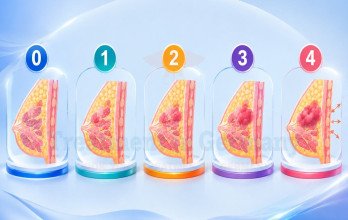
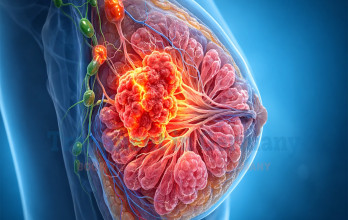
Breast cancer treatment costs in Germany vary because treatment is planned individually. The total depends on factors such as the cancer stage and tumour biology, the type of surgery, whether reconstruction is needed, systemic treatment or radiotherapy, and the length of hospital stay.
BREAST CANCER TREATMENT COSTS IN GERMANY
The figures below are published starting prices from a German hospital and are provided for orientation rather than as national German averages. Some are starting prices, while others are quoted per session or for a complete treatment course. The final amount depends on the patient’s treatment plan and the services included in the hospital’s quotation.

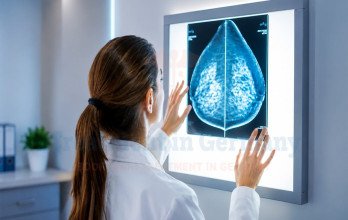
Published starting prices for diagnostic assessment include approximately €650 for mammography with breast ultrasound, €1,200 for breast MRI, and €4,500 for breast ultrasound with image-guided biopsy. These figures are provided for orientation and may vary according to the individual diagnostic plan and services included.
Chemotherapy, endocrine and targeted therapy for breast cancer, immunotherapy and radiotherapy are not included because their costs vary by treatment, duration, number of cycles or sessions, and monitoring requirements. These treatments usually require an individual quotation.
FACTORS THAT DETERMINE BREAST CANCER TREATMENT COSTS
- Disease factors: Stage and disease extent, tumour subtype, hormone-receptor status and HER2 status, which can affect the treatment plan and its duration.
- Surgical factors: Breast-conserving surgery or mastectomy, the lymph-node procedure required, and whether reconstruction is performed.
- Systemic and radiation factors: The drugs selected, the number of cycles, and the length of the radiation course.
- Hospital and diagnostic factors: Inpatient days, intensive care, and the pathology, imaging and laboratory work involved.
- Treatment history: Previous surgery or systemic treatment, which complicates a later plan.
BREAST SURGERY AND RECONSTRUCTION COSTS

Breast cancer surgery in Germany may involve removing the tumour while preserving the breast or removing the whole breast, depending on the diagnosis. Reconstruction may also be planned as part of treatment. These choices affect both the procedure and the overall hospital quotation.
Published starting prices for breast surgery include approximately €14,000 for breast-conserving or segmental breast resection and around €25,000 for mastectomy for breast cancer. The final quotation depends on the procedure performed, lymph-node surgery, pathology, hospital stay and any additional treatment or reconstruction.
Breast-Conserving Surgery and Mastectomy
A surgical quotation should clearly state what is included, such as the operation, anaesthesia, pathology, lymph-node procedures and the number of hospital days. Patients should also ask how additional care, such as extra hospital days, further lymph-node surgery, an unplanned reoperation or intensive care, would be charged.
Before accepting the quotation, confirm:
- The exact procedure included and whether sentinel lymph-node surgery is covered.
- Whether pathology, including hormone-receptor and HER2 testing, is included.
- The number of hospital days covered and the charge for additional days.
Breast Reconstruction Costs
Breast reconstruction can add substantially to the cost of surgery. The total depends on whether reconstruction is immediate or delayed, whether an implant or the patient’s own tissue is used, the complexity of the procedure and whether later surgery is needed. Additional procedures, such as nipple reconstruction, symmetrisation or revision surgery, may also be quoted separately. Because reconstruction plans vary widely, patients should ask for an itemised estimate based on the procedure recommended for them.
BREAST CANCER SYSTEMIC AND RADIATION TREATMENT COSTS

Breast cancer treatment in Germany may include medicines, radiotherapy or a combination of both alongside surgery. The treatments recommended depend on the type and stage of cancer, so these services are usually planned and quoted individually.
Chemotherapy, Endocrine and Targeted Therapy
Breast cancer chemotherapy in Germany depends on the type and stage of breast cancer and on which medicines are suitable for the patient. The number of treatment cycles, how long treatment lasts, and the tests needed during treatment can also vary. Chemotherapy is usually given for a set period, while hormone therapy for hormone-sensitive breast cancer may continue for several years.
Genomic tests can also help doctors decide whether chemotherapy is needed in some patients with early breast cancer. One example is the Oncotype DX Recurrence Score test, which can provide extra information about the possible benefit of chemotherapy in certain patients with hormone-receptor-positive, HER2-negative breast cancer [2].
Radiation Therapy
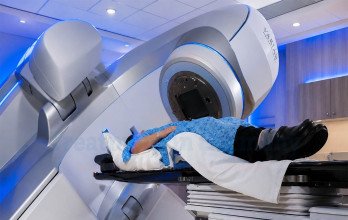
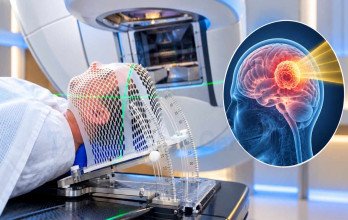
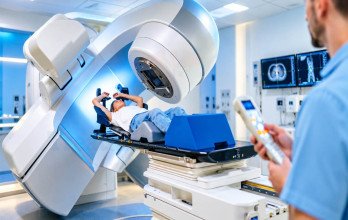
Breast cancer radiotherapy costs depend on the treatment plan rather than a single standard price. The quotation may vary with the number of treatment sessions, the area being treated, treatment planning and the technique required. Patients should ask whether the quoted amount covers planning, the full prescribed course, any additional boost and follow-up reviews.
COSTS OF ADVANCED AND SPECIALIZED BREAST CANCER TREATMENTS
Some price lists include specialised treatments alongside standard breast cancer care. These options may be suitable only for selected patients, depending on the diagnosis and previous treatment.
Dendritic Cell Therapy
Dendritic cell therapy is offered as a complete treatment course rather than on a per-session basis, with a cost of approximately €27,000. The associated specialist is Prof. Dr. Frank Gansauge.

This immune-based treatment is designed to stimulate the patient’s immune system to recognise and respond to cancer cells. Its suitability depends on the individual patient’s diagnosis, treatment history and overall clinical condition, so a specialist assessment is required before treatment is recommended.
TACE and TACP
TACE and TACP are charged per session, at approximately €8,000 to €9,000 each. The associated specialist is Prof. Dr. Thomas J. Vogl.

The total treatment cost depends on the number of sessions recommended after the patient’s medical records and imaging have been reviewed. Because these treatments are priced per session, the final amount varies from patient to patient.

Other Advanced and Specialized Treatments
Targeted therapies and immunotherapy for breast cancer are used when the tumour’s biomarkers, disease setting and treatment history support them. Because the drug, treatment duration and monitoring requirements differ between patients, costs usually require an individual quotation. For any specialised treatment, ask whether it is recommended by current breast cancer guidelines and how it fits into the overall treatment plan.
BREAST CANCER TREATMENT QUOTES: WHAT THEY INCLUDE AND HOW THEY ARE CALCULATED
German breast centres usually prepare a quotation after reviewing the patient’s medical records. It should clearly show what is included, such as:
- Specialist fees.
- Tests before treatment.
- Surgery or treatment, including anaesthesia.
- Hospital stays.
- Medication, pathology, imaging and laboratory services.
- Follow-up care, if included.
To prepare the quotation, the hospital may need pathology reports, hormone-receptor and HER2 results, recent imaging, cancer stage and details of any previous treatment.
Patients may see three types of prices:
- Published price: A general guide price.
- Hospital package price: A set price for specific services.
- Personalised quotation: An estimate based on the patient’s medical needs.
The final amount may change if the treatment plan changes, for example because of additional surgery, a longer hospital stay or extra treatment. Treatment in Germany (TIG) can help international patients seeking treatment in Germany find suitable German breast centres and specialists, obtain an itemised quotation and manage complete logistical arrangements, including coordination of appointments, travel and visas (if needed).
LEADING BREAST CANCER HOSPITALS AND CENTERS IN GERMANY
Germany has several major breast cancer centres offering specialised and multidisciplinary care. Heidelberg University Hospital’s Breast Cancer Center provides multidisciplinary treatment and access to clinical studies, while Charité – Universitätsmedizin Berlin offers specialised breast cancer care with multidisciplinary tumour-board review. In Munich, TUM Klinikum Rechts der Isar provides interdisciplinary breast care across surgery, oncology, radiology and radiotherapy, while LMU University Hospital Munich provides comprehensive care for primary and metastatic breast cancer. University Hospital Frankfurt (Goethe) offers individualised surgical and medical treatment planning, while University Medical Center Hamburg-Eppendorf (UKE) provides multidisciplinary breast cancer diagnosis and treatment.

The information above summarises selected breast cancer centres in Germany and the main features that distinguish their services.
HOW TO CHOOSE THE RIGHT BREAST CANCER HOSPITAL IN GERMANY
Choosing a breast cancer centre involves more than comparing prices or hospital names. Patients should look at whether the centre has the right experience, specialists and treatment options for their individual case.
Clinical Fit
Choose a centre that regularly treats your type and stage of breast cancer. A hospital may treat many breast cancer patients, but it may not have the same experience with triple-negative, HER2-positive or metastatic breast cancer.
Multidisciplinary Expertise
Make sure the specialists involved in your care work together. This should include breast surgeons, oncologists, radiation specialists, radiologists and pathologists. Ask if your case will be discussed by a tumour board and if you can receive its treatment plan in writing.
Treatment Capability
Check whether the centre can provide all the main treatments you may need. Breast reconstruction, radiotherapy and some specialised procedures may not be available at every hospital. Moving to another centre during treatment can add time, cost and stress.
Cost Transparency
Ask for a clear breakdown of the treatment cost. It should show what is included and what will be charged separately. Also ask about any costs that could come up during treatment.
Total Care
Look at the full cost of care, not just the first price you receive. A centre that includes the hospital stay, complete pathology and follow-up care may have a higher quote but provide better overall value.
References
Schoffer O, Wimberger P, Gerken M, Bierbaum V, Bobeth C, Rößler M, et al. Treatment in Certified Breast Cancer Centers Improves Chances of Survival of Patients with Breast Cancer: Evidence Based on Health Care Data from the WiZen Study. Geburtshilfe Frauenheilkd. 2024;84(2):153-163.
Lux MP, Minartz C, Müller-Huesmann H, Sandor MF, Radeck-Knorre S, Neubauer AS. Budget Impact of the Oncotype DX Breast Recurrence Score Test in Patients with Early Primary Hormone-Receptor-Positive, HER2-Negative, Node-Positive Breast Cancer in Germany. Breast Care. 2024;19(1):27-33.Why Patients Worldwide Prefer Our Medical Services in Germany – Key Benefits Explained
Why Patients Worldwide Prefer Our Medical Services in Germany – Key Benefits Explained
International patients planning breast cancer treatment in Germany may need support with hospital consultations, medical documentation, translations, and travel arrangements. TIG GmbH helps coordinate these practical steps and communication with healthcare providers according to each patient's needs and the services agreed.

The table above compares the support and coordination services offered through TIG GmbH with the arrangements patients may need to manage when booking directly with a clinic.













.webp)
 (1).webp)
.webp)
.jpg)
 (1).webp)
.jpg)