

Breast cancer symptoms can range from a distinct lump to subtle skin or nipple changes, and some early cases cause no symptoms at all. This article explains the warning signs to watch for, how symptoms differ in men and in specific subtypes such as inflammatory breast cancer and Paget disease, and the genetic, hormonal, and lifestyle factors that influence individual risk. It also covers which breast changes need medical evaluation and how international patients can access specialised diagnostic and treatment pathways in Germany through coordinated support.
Breast Cancer Symptoms, Causes and Risk Factors
Breast cancer is the most common cancer among women in many countries worldwide, although it can also develop in men. Early signs of breast cancer and understanding the causes and risk factors of the disease can help people seek medical assessment early.
Not all changes to breast tissue are caused by cancer, and many lumps and changes to the surface of the breast are non-cancerous. But knowing what to look for, and when a change is serious enough to need a doctor’s attention, can help with earlier diagnosis and better-informed decisions about care.
Breast Cancer Symptoms and Warning Signs
Breast cancer can cause several changes in the breast, skin, or nipple. However, with early-stage disease, some patients have absolutely no symptoms, and the cancer may only be identified on a screening mammography.
Primary Signs and Symptoms of Breast Cancer
Common symptoms of breast cancer can include a new lump or firm area in the breast or underarm, a change in breast size or shape, swelling or thickening of the breast, and skin changes such as dimpling, puckering, redness, or an orange-peel appearance. Nipple changes may include retraction, a change in direction, scaling, or unusual discharge that is not breast milk. Some breast cancers may not cause a noticeable lump, so any new, persistent, or unexplained breast or nipple change should be assessed by a healthcare professional.

The image above provides a visual summary of the main signs and symptoms of breast cancer discussed in this section. Most breast lumps are not cancerous, but any new or persistent change should be checked by a healthcare professional rather than self-diagnosed [1].
Breast Skin and Nipple Changes to Watch For
Even without a noticeable lump, breast cancer can cause changes in the skin or nipple that need medical assessment. These may include dimpling or puckering of the skin, redness, swelling, warmth, thickening, or an orange-peel appearance. Nipple changes can include retraction, a change in position or direction, scaling, crusting, or unusual discharge. Such changes can have causes other than cancer, but new or rapidly developing symptoms should be assessed by a healthcare professional.

The image above summarizes common breast skin and nipple changes that may occur with breast cancer. Persistent or unexplained breast skin changes should be medically evaluated, especially if they develop quickly or include swelling, warmth, redness, thickening, or an orange-peel appearance. Inflammatory breast cancer can cause rapidly developing skin changes, although similar symptoms may also have other causes [6].
Breast Cancer Symptoms Without a Lump
A lump is one of the most recognized signs of breast cancer, but it is not the only one. Some breast cancers present with skin changes, nipple changes, or breast swelling without any lump that can be felt. Inflammatory breast cancer, in particular, often does not produce a palpable mass at all, which makes it easy to mistake for a skin infection. Because of this, changes such as unexplained swelling, redness, or nipple retraction deserve evaluation even if no lump is present [3].
Early Signs of Breast Cancer

Early breast cancer can be difficult to notice, since it may cause no symptoms whatsoever and is often first found through routine screening rather than self-examination. Screening tests are designed specifically to find cancer before it causes any noticeable symptoms [4].
When early signs do appear, they may include a small lump, subtle skin change, or nipple alteration. Any new breast change that is persistent, unexplained, worsening, or clearly different from your usual breast changes should be discussed with a healthcare provider. Redness, swelling, warmth, or skin thickening that develops quickly should be evaluated promptly. The key point is timing: earlier assessment can lead to earlier diagnosis or reassurance.
Breast Cancer Symptoms in Men and Women
Breast cancer can affect both women and men, although it is much more common in women. In women, common symptoms include a breast lump, changes in breast size or shape, skin changes, and nipple discharge or retraction. In men, the most common sign is often a firm, painless lump near the nipple. Other possible symptoms in men and women include swelling, skin dimpling or thickening, nipple changes, and unusual nipple discharge.

The image above provides a visual summary of common breast cancer symptoms in men and women. Any new or persistent breast or nipple change should be assessed by a healthcare professional.
Symptoms of Specific Breast Cancer Types

These symptoms can vary among specific breast cancer types, although many breast cancers share common warning signs such as a lump, skin change, or nipple abnormality.
Inflammatory Breast Cancer Signs
Inflammatory breast cancer (IBC) is a rare and fast-growing form of the disease that behaves differently from more common types. Rather than forming a distinct lump, it typically causes the breast to look swollen, red, or warm, sometimes with a pitted, orange-peel skin texture. Symptoms often develop quickly, over days to a few months, and can resemble a breast infection such as mastitis. When symptoms are initially treated as an infection, failure to improve promptly should lead to reassessment and appropriate breast imaging or specialist evaluation [6].
Paget Disease of the Breast Signs
Paget disease of the breast is a rare condition affecting the nipple and areola. It often looks like an eczema-like rash and may involve itching, flaking, redness, or crusting of the nipple skin, sometimes with discharge or a flattened nipple. Most people with Paget disease also have an underlying ductal carcinoma in situ or invasive cancer elsewhere in the same breast, which is why any persistent nipple rash warrants medical evaluation rather than being treated only as a skin condition [7].
Symptoms of Triple-Negative and HER2-Positive Breast Cancer
Triple-negative and HER2-positive breast cancers are defined by their biological features rather than by a distinct symptom pattern. In practice, they tend to present with the same general signs described above: a lump, skin change, or nipple change, and the biological subtype is confirmed only through biopsy and laboratory testing, not through symptoms alone [8].
Breast Cancer Causes and Risk Factors

Breast cancer develops when changes occur in the DNA of breast cells, causing them to grow and divide abnormally. In most cases, doctors cannot point to a single cause; instead, a combination of genetic, hormonal, and lifestyle-related factors contributes to overall risk.
Genetic and Family-Related Factors of Breast Cancer
- Family history: having a parent, sibling, or child with breast or ovarian cancer increases personal risk.
- BRCA1 and BRCA2 mutations: these inherited gene changes are among the best-known genetic causes of hereditary breast cancer and can substantially increase lifetime risk.
- Other inherited mutations: genes such as PALB2, CHEK2 and ATM are also linked to increased breast cancer risk, though generally to a lesser degree than BRCA1/2.
- Genetic predisposition overall accounts for a minority of breast cancer cases, but it carries a notably higher individual risk.
Genetic counseling can help people with a strong family history understand their personal risk and decide whether genetic testing is appropriate [9].
Hormonal, Reproductive, and Medical Risk Factors
- Age and hormonal history: risk rises with age, and starting menstruation early or entering menopause late extends lifetime hormone exposure.
- Reproductive history: never having a full-term pregnancy or having a first full-term pregnancy after age 30 is associated with a modestly higher risk.
- Hormonal treatments: some menopausal hormone therapy regimens, particularly combined estrogen-progestin therapy, are associated with increased breast cancer risk [14].
- Previous radiation or breast conditions: chest radiation at a young age, and some benign breast conditions, can raise future risk.
- Breast density and personal history: Dense breast tissue is associated with an increased risk of breast cancer and can also make cancer harder to detect on mammography. A personal history of breast cancer, ductal carcinoma in situ (DCIS), or certain other breast conditions can also increase future risk.
Some risk factors cannot be changed, while others involve current or past exposures that may be modified. Understanding these factors can help guide discussions about individual risk, screening, and risk-reduction options [10].
Lifestyle-Related Risk Factors
- Alcohol: Breast cancer risk increases with alcohol consumption, and greater intake is generally associated with greater risk.
- Physical inactivity and body weight: Excess body weight, particularly after menopause, and low physical activity levels are associated with increased risk.
- Ionizing radiation exposure: Exposure to significant ionizing radiation, particularly radiation to the chest at a young age, can increase later breast cancer risk
Alcohol consumption, physical activity, and body weight are modifiable factors that can potentially be influenced through lifestyle choices, unlike age or genetic makeup [11].
Modifiable and Non-Modifiable Breast Cancer Risk Factors
Breast cancer risk factors can be divided into non-modifiable factors, such as age, family history, inherited gene changes, reproductive history, and previous chest radiation, and modifiable factors, including alcohol consumption, physical inactivity, and excess body weight, particularly after menopause. Some factors may fall between these groups because past exposures or medical history cannot always be changed. Understanding which risk factors can and cannot be modified can help guide discussions about breast cancer risk, screening, and risk reduction.

The table above summarizes the major modifiable and non-modifiable breast cancer risk factors discussed in this article.
Breast Cancer Prevention and Risk Reduction
Since certain risk factors, such as age, genetics, and family history, cannot be altered, no method can completely remove the chance of breast cancer. However, certain modifiable factors can help lower the risk of developing breast cancer. Limiting alcohol consumption and maintaining regular physical activity may help reduce breast cancer risk. Talking to a doctor about personal risk factors can also help determine appropriate screening, risk-reduction measures, and other preventive options.

The image above highlights practical approaches to breast cancer risk reduction, including limiting alcohol, staying physically active, maintaining a healthy body weight, and discussing personal risk with a doctor.
Breast cancer screening differs from prevention. Screening can discover certain breast cancers before symptoms arise, but it cannot prevent cancer. Age, risk, medical history, and national criteria determine screening recommendations. Genetic counselling can help persons with a strong family history or a genetic mutation understand their risk and screening or risk-reduction choices. These measures can reduce risk but cannot prevent every case of breast cancer. Regular medical care and risk-appropriate screening remain important.
Breast Changes That Require Medical Evaluation
- A breast lump: any new, persistent lump, whether painful or painless, should be evaluated, even though most lumps are benign.
- Nipple discharge: new spontaneous discharge, particularly if it is bloody or clear, occurs from one breast, or comes from a single duct, warrants medical assessment.
- Skin or nipple changes: new or unexplained redness, dimpling, scaling, thickening, or nipple retraction should be medically assessed. Rapidly developing redness, swelling, warmth, or skin thickening should be evaluated promptly.
- Breast pain alone: pain without other symptoms is usually not a sign of cancer, since cancer-related lumps are frequently painless, but new or unexplained pain still deserves a conversation with a doctor.
Symptoms or self-examination cannot accurately diagnose breast cancer. A healthcare professional may use a clinical examination and imaging to assess the breast change. If a finding is suspicious, a biopsy may be needed to establish a tissue diagnosis [12].
Medical Evaluation Process for Breast Symptoms
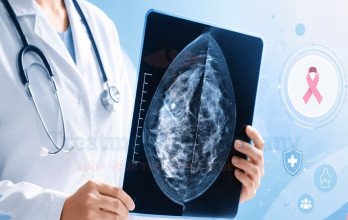
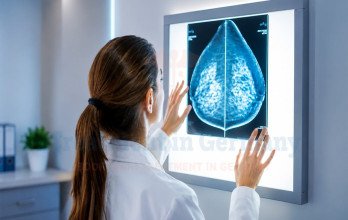
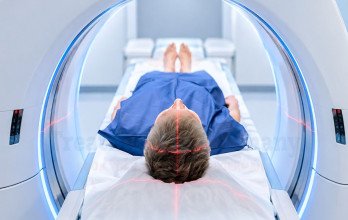
When a breast change is reported, evaluation may begin with a clinical breast examination and a review of symptoms and medical history. Depending on the patient's age, risk factors, and the nature of the breast change, doctors may use breast cancer diagnosis and screening such as mammography or ultrasound, while breast MRI is used selectively for high-risk screening or when additional information is needed. If the examination or imaging shows a suspicious abnormality, a biopsy may be performed to examine breast tissue and establish a diagnosis through pathology [13].
The image above provides a visual overview of the main tests used to evaluate a breast change, including clinical examination, mammography, ultrasound, MRI, and biopsy. The specific tests used depend on the patient's age, symptoms, risk level, and examination findings.
Treatment in Germany can help international patients coordinate enquiries with appropriate medical providers. This service does not replace assessment by a qualified healthcare professional. Urgent or rapidly worsening breast symptoms should be evaluated promptly rather than delayed for travel arrangements.
References
- Mayo Clinic Breast Cancer: Symptoms and Causes
- National Cancer Institute Breast Cancer
- Cleveland Clinic Inflammatory Breast Cancer
- National Cancer Institute Breast Cancer Screening (PDQ)
- Penn Medicine Male Breast Cancer: Symptoms and Causes
- MD Anderson Cancer Center Inflammatory Breast Cancer Symptoms
- Susan G. Komen Paget Disease of the Breast
- American Cancer Society Breast Cancer Hormone Receptor and HER2 Status
- Breast Cancer Research Foundation Risk Factors for Breast Cancer
- American Cancer Society Breast Cancer Risk Factors You Cannot Change
- World Cancer Research Fund Preventing Breast Cancer
- National Cancer Institute Diagnosing Breast Cancer
- National Comprehensive Cancer Network Breast Cancer Screening and Diagnosis Guidelines for Patients
- National Cancer Institute Menopausal Hormone Therapy and Cancer
Why Patients Worldwide Prefer Our Medical Services in Germany – Key Benefits Explained













.webp)
 (1).webp)
.webp)
.jpg)
 (1).webp)
.jpg)