×
Written by: Alina Kaminski
Reviewed by: Dr. Aysha Altaf
Category: Colorectal Cancer
Published 24.07.2026

Stage 4 colorectal cancer is the most advanced stage of the disease, in which cancer has spread beyond the colon or rectum to distant organs. This article explains how stage 4 colorectal cancer treatment in Germany is planned, the role of dendritic cell therapy alongside standard care, what influences survival and treatment decisions, and how personalized care is provided at specialized cancer centers in Germany.

Dendritic Cell Therapy for Stage 4 Colorectal Cancer in Germany

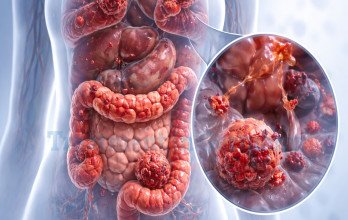
Stage 4 colorectal cancer is the most advanced stage of the disease, meaning the cancer has spread beyond the colon or rectum to distant organs such as the liver, lungs or peritoneum. Also known as stage IV colorectal cancer or stage 4 colon cancer, it usually requires a combination of surgery, chemotherapy, targeted therapy, and supportive care. Treatment aims to prolong survival, control disease, relieve symptoms, and preserve quality of life. As personalized cancer treatments continue to evolve, dendritic cell therapy in Germany is being investigated as an individualized immunotherapy for eligible patients alongside standard treatment. 

German cancer centers combine multidisciplinary cancer care, advanced molecular diagnostics and specialized immunotherapy laboratories, making the country a destination for international patients seeking advanced treatment options. Among these options, dendritic cell therapy is being investigated as a personalized immunotherapy for eligible patients. TIG GmbH supports patients through each of these questions, from the first medical review to follow-up.


What Is Stage IV Colorectal Cancer?

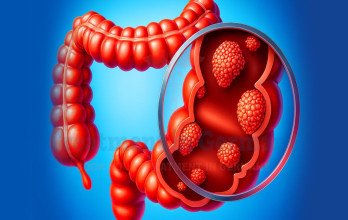
Stage 4 colorectal cancer is cancer that has spread from the colon or rectum to distant organs.It is the most advanced stage of colorectal cancer. While treatment usually focuses on long-term disease control, some patients with limited, resectable metastases may still be eligible for potentially curative treatment. At this stage, many patients also begin asking about colon cancer stage four life expectancy and the treatment options available.

Approximately 20–25% of patients have metastatic disease at the time of diagnosis, and an additional 20–25% develop distant metastases during the course of their illness. Overall, nearly half of patients with colorectal cancer will develop metastatic disease at some point [1].

How Colorectal Cancer Spreads Beyond the Colon

Cancer cells break away from the primary tumour and travel through the bloodstream or lymphatic system. Because blood from the bowel drains through the liver first, it is the most common site of metastatic spread

Once cells settle and grow in a distant organ, the disease becomes stage 4 metastatic colorectal cancer. Once colorectal cancer has spread to distant organs, treatment usually requires systemic therapies that target cancer cells throughout the body.

Where Does Stage IV Colorectal Cancer Commonly Spread? 

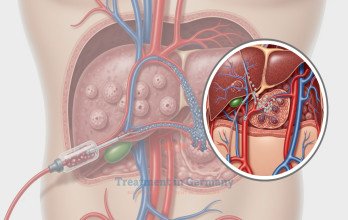
The liver is by far the most common site of metastatic spread from colorectal cancer [9]. About 20% of patients with colon cancer have metastatic disease at diagnosis, with the liver being the most common site, followed by the lungs [10].

Site of spread strongly influences whether surgery is possible and what the treatment aims to achieve.


Symptoms and Diagnosis of Stage 4 Colorectal Cancer

Symptoms and diagnosis are closely linked in stage 4 colorectal cancer because the location and extent of metastatic disease influence both the signs patients experience and the tests needed to confirm the diagnosis. Early evaluation using appropriate imaging and laboratory investigations helps specialists develop an individualized treatment plan. 

Common Symptoms of Metastatic Colorectal Cancer

Symptoms depend on where the cancer has spread, and some patients feel well until the disease is advanced. The most frequently reported signs include:

  • A lasting change in bowel habit, or blood in the stool.
  • Abdominal pain, bloating, or a feeling of incomplete emptying.
  • Unexplained weight loss, fatigue, and loss of appetite.
  • Jaundice or right-sided abdominal discomfort, when the liver is involved.
  • Breathlessness or a persistent cough, when the lungs are involved.

Because these symptoms are often nonspecific, diagnosis may be delayed until the disease has progressed. Persistent or worsening symptoms should be evaluated by a healthcare professional without delay.

How Is Colorectal Cancer Stage 4 Diagnosed? 

Diagnosis combines imaging with tissue analysis. CT, MRI, and PET scans map the spread, while a biopsy confirms the cancer type. The results help determine the most appropriate treatment strategy for each patient. Testing for RAS and BRAF mutations, and for microsatellite instability or mismatch repair deficiency, determines which drugs are likely to work [3]. This profiling is the foundation of personalized colorectal cancer treatment in Germany. Because molecular results shape the entire treatment plan, a stage 4 colon cancer second opinion in Germany can be valuable before committing to a course.


Treatment Options for Stage 4 Colorectal Cancer 

Treatment for stage 4 colorectal cancer is individualized according to the extent of disease, molecular profile, and overall health. Different treatment approaches may be combined to improve disease control, prolong survival, and maintain quality of life. 

Standard Treatments for Advanced Colorectal Cancer 

Standard treatment remains the foundation of stage 4 colon cancer treatment, and nearly every patient begins here. The standard of care for metastatic disease consists primarily of surgical resection and systemic therapy [1]. The main colon cancer stage 4 treatment options are:

  • Surgery, to remove metastases where possible. Complete resection of liver, lung, and peritoneal metastases is associated with better disease control and survival [1].
  • Chemotherapy, using fluorouracil-based regimens, often combined with other agents with targeted agents or immunotherapy added according to molecular characteristics and treatment goals.
  • Radiation therapy, to control specific sites of disease and relieve symptoms.
  • Supportive and palliative care, protecting quality of life throughout treatment.

Complete removal of liver or lung metastases is associated with significantly better long-term survival. Among patients who underwent resection of liver and/or lung metastases, the three-year and five-year overall survival rates were 53% and 33.6% [2]. That is a markedly better outlook than for unresectable disease, which is why surgical candidacy is assessed carefully.

Targeted Therapy and Precision Medicine

Molecular profiling opens the door to targeted drugs. RAS wild-type tumours may respond to anti-EGFR therapy, while BRAF-mutant disease is treated differently. The clearest advance has come in a specific subgroup. For patients whose tumours are microsatellite-instability-high or mismatch-repair-deficient, immunotherapy has transformed first-line care. In the KEYNOTE-177 trial, pembrolizumab improved median progression-free survival to 16.5 months compared with 8.2 months for chemotherapy, and it is now approved by both the FDA and the European Medicines Agency [3]. This is the most established form of colon cancer immunotherapy in Germany, and it remains the first-line immunotherapy for stage 4 colorectal cancer in Germany for this specific subgroup.


What Is Dendritic Cell Therapy for Stage 4 Colorectal Cancer?

Dendritic cell therapy is a personalized immunotherapy that uses a patient's own immune cells to fight cancer. It is also called a dendritic cell vaccine for colorectal cancer, and it belongs to the wider field of personalized cancer immunotherapy for colorectal cancer.

Checkpoint inhibitors are highly effective for the small group of patients with MSI-high or mismatch repair-deficient tumours. However, most metastatic colorectal cancers are microsatellite stable and respond poorly to these drugs, which is why dendritic cell therapy is being investigated as an additional immunotherapy approach [3]. Dendritic cell immunotherapy for colorectal cancer is studied as a way to prime an immune response in tumours that would otherwise stay invisible to the immune system.

How Does Dendritic Cell Therapy Work?

Dendritic cells are the immune system's messengers. They are potent antigen-presenting cells that capture tumour targets and display them to T-cells, the cells that carry out the attack [7].


Immune cells are collected from the patient's blood, processed in a specialized laboratory, loaded with tumour-associated antigens, and returned to the patient as a personalized dendritic cell vaccine. A patient's dendritic cells are cultured outside the body, loaded with tumour-associated antigens, matured in the laboratory, and infused back [6].

Why Is Dendritic Cell Therapy Different from Conventional Cancer Treatments?

Chemotherapy attacks rapidly dividing cells, cancerous and healthy alike, which is why its side effects are so wide-ranging. A dendritic cell vaccine instead teaches the immune system to recognize one particular tumour. Across published clinical trials, dendritic cell vaccines were generally well tolerated, with mostly mild-to-moderate grade 1–2 adverse effects[5]. It is a genuinely different mechanism, which is also why it is used alongside standard treatment rather than instead of it.


Can Dendritic Cell Therapy Be Combined with Other Treatments for Stage 4 Colorectal Cancer?

Dendritic cell therapy is not used as a standalone treatment for stage 4 colorectal cancer. Instead, it is considered as part of a broader treatment strategy that may include surgery, chemotherapy, targeted therapy, or immunotherapy in eligible patients. 

Combining Dendritic Cell Therapy with Standard Cancer Treatments

Dendritic cell therapy is added to standard care, not substituted for it, and it is scheduled around surgery, chemotherapy, and targeted therapy within a wider plan. The clearest evidence comes from the surgical setting. In a randomized trial, patients received the vaccine after complete removal of colon cancer liver metastases, once standard treatment had been given [4].

The pathway below shows where the therapy sits in a typical plan.

What Are the Potential Benefits of Combining Dendritic Cell Therapy with Standard Treatment? 

Surgery and chemotherapy reduce tumour burden, while this therapy aims to stimulate an immune response against any remaining cancer cells. Together, these approaches may complement one another by targeting the disease through different mechanisms. The most promising pairing is with immune checkpoint inhibitors. Dendritic cells prime T-cells, and checkpoint inhibitors release the brakes on those same T-cells, so the two are biologically complementary [8]. This combination is an active area of research in advanced immunotherapy for colon cancer. A multidisciplinary tumour board decides which combination fits each patient, weighing the molecular profile, prior treatment, and overall health before any therapy begins.


Who Is Eligible for Dendritic Cell Therapy in Germany?

Eligibility for this personalized immunotherapy is determined individually after a detailed medical assessment. Factors such as the extent of disease, previous treatments, molecular profile, and overall health help specialists decide whether this therapy may be appropriate. 

Who May Benefit from Dendritic Cell Therapy

After a comprehensive medical assessment, suitable candidates for this therapy may include: 

  • Selected patients who have undergone complete resection of metastatic disease may be considered for this therapy within individualized treatment programs or clinical studies, particularly because this setting has shown encouraging results in early clinical research [4].
  • Those with stage IV metastatic colon cancer seeking an immune-based addition to standard care
  • Some patients with microsatellite-stable disease may be considered for this therapy as part of an individualized treatment strategy, although evidence remains limited and the therapy is not part of standard treatment guidelines [3].
  • Patients with an adequate performance status and overall health who are considered suitable for individualized immunotherapy after specialist evaluation.

Who May Not Be Eligible for Dendritic Cell Therapy?

Some patients are not suitable. These include people with severe immune deficiencies, uncontrolled infections or health too fragile to allow an immune response to build.The tumour microenvironment can suppress dendritic cell function, limiting the immune response and reducing treatment effectiveness in some patients [7]. A specialist assessment identifies these situations and sets honest expectations.


Survival Rates and Life Expectancy for Stage 4 Colorectal Cancer

Published survival statistics provide useful benchmarks, although individual outcomes vary considerably. The stage 4 colorectal cancer survival rate at five years is 15.1%. [1]. Although useful for understanding overall outcomes, this statistic does not predict an individual patient's prognosis.

These survival figures come from different studies and patient populations and should be interpreted individually rather than compared directly. Surgery changes the picture considerably. Among patients whose liver and/or lung metastases were surgically removed, five-year overall survival reached 33.6%, with three-year survival at 53% [2]. Long-term survival is possible for a selected group of patients, particularly when metastatic disease can be completely removed.


Factors That Influence Survival and Life Expectancy

Several factors shape the prognosis of stage 4 colon cancer:

  • Whether metastases can be completely removed, the single strongest favourable factor [1].
  • Age, since patients under 65 had better long-term outcomes after metastasectomy [2].
  • Site of spread, with liver-only disease often more treatable than widespread involvement [10].
  • Molecular profile, including RAS, BRAF, and MSI status [3].
  • Response to systemic treatment, which varies between individuals.

This is why how long can you live with stage 4 colon cancer has no single answer, and why the life expectancy for stage 4 colon cancer spread to the liver depends so heavily on whether that liver disease can be resected. Stage 4 colorectal cancer is generally not considered curable. However, carefully selected patients with limited, completely resectable metastases may achieve long-term disease-free survival.

Can Dendritic Cell Therapy Improve Outcomes?

The most relevant evidence is a randomized phase II trial in exactly this setting. Patients whose colon cancer liver metastases had been completely removed received either a dendritic cell vaccine or observation after standard treatment. Median disease-free survival was 25.26 months in the vaccine group, compared with 9.53 months in the observation group. These findings are encouraging, but the study included only 15 randomized patients and larger clinical trials are needed to confirm a survival benefit [4].


Is Dendritic Cell Therapy Supported by Medical Research?

What Do Clinical Studies Show About Dendritic Cell Therapy for Colorectal Cancer? 

Current evidence is encouraging but remains limited, with most published studies being early-phase clinical trials. Available research in colorectal cancer suggests potential benefit in selected patients, but larger randomized studies are still needed to confirm long-term clinical outcomes [4].

Across the wider field, the picture is similar. Of twenty-five published dendritic cell vaccine studies reviewed up to December 2021, only one was a phase III trial; the rest were phase I or phase II, designed principally to establish safety and early signals of activity [5].

Ongoing Research, Clinical Trials, and Treatment Availability in Germany

Most dendritic cell vaccine studies are still in the early stages of clinical development. A new therapy typically needs many years, often a decade or more, moving from early safety trials through large randomized trials and long-term follow-up before it becomes an established standard. Clinical studies consistently report a favorable safety profile, while its long-term clinical benefit in colorectal cancer continues to be investigated [5].  

In Germany, this personalized immunotherapy is available at selected specialized centers as an individualized treatment option alongside standard therapy. It is not part of routine standard care for metastatic colorectal cancer. Patients should discuss the potential benefits and limitations of this therapy with their treating specialists before making treatment decisions.


What Are the Risks and Side Effects of Dendritic Cell Therapy?

Like all cancer treatments, this personalized immunotherapy may cause side effects, although published studies suggest they are generally mild. Understanding the potential risks helps patients make informed treatment decisions with their specialist. 

Common Side Effects and Safety Profile

Clinical studies consistently show that dendritic cell therapy is generally well tolerated. Across published trials, dendritic cell vaccines were well tolerated, with mostly mild-to-moderate grade 1 to 2 adverse effects [5].

The most commonly reported are:

  • Flu-like symptoms, such as a low-grade fever.
  • Fatigue.
  • Mild skin reactions or rashes, sometimes at the injection site.

Serious reactions are uncommon when the vaccine is used on its own [5]. Compared with chemotherapy, this immunotherapy is generally associated with fewer severe treatment-related side effects.

Long-Term Monitoring After Dendritic Cell Therapy

Because immune responses build gradually, response is judged over months rather than days. Patients are followed with imaging, blood tests, clinical review and immune markers may be tracked to see whether a tumour-specific response has developed. For international patients, this monitoring is coordinated so it continues after they return home.


Why Choose Germany for Stage 4 Colorectal Cancer Treatment?

Germany is internationally recognized for its multidisciplinary cancer care, advanced molecular diagnostics, and access to specialized immunotherapy. These strengths make it a destination for patients seeking comprehensive treatment for stage 4 colorectal cancer. 

Specialized Cancer Centers in Germany 

Producing an autologous dendritic cell vaccine requires specialized laboratories because each vaccine is prepared individually from the patient's own immune cells[6]. Specialized laboratories in Germany have the facilities required to prepare individualized dendritic cell vaccines.

Germany is home to some of the best colorectal cancer hospitals, offering multidisciplinary cancer care, advanced molecular diagnostics, colorectal surgery, systemic therapies, and access to specialized immunotherapy. These internationally recognized centres include:

TIG GmbH coordinates consultations with experienced colorectal cancer specialists and leading cancer centres in Germany based on each patient's diagnosis and treatment needs.


Cost of Stage 4 Colorectal Cancer Treatment in Germany

The cost of stage 4 colorectal cancer treatment in Germany depends on the recommended treatment plan, including surgery, systemic therapy, advanced immunotherapy, and diagnostic investigations. An individualized cost estimate is prepared before treatment begins based on the patient's diagnosis, treatment goals, and clinical needs. 

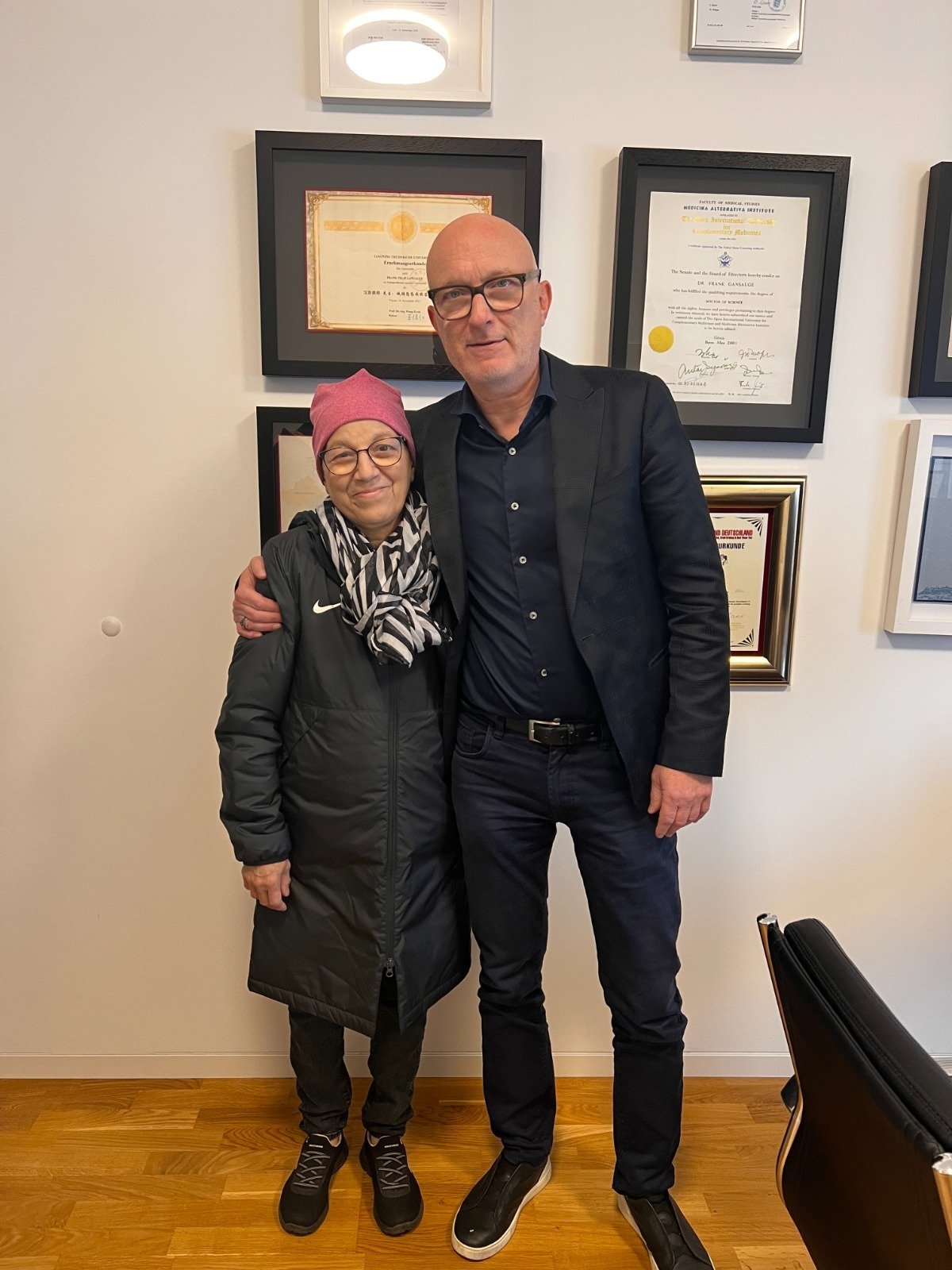
In Germany, dendritic cell therapy is delivered by Prof. Gansauge at LDG Laboratories, who specializes in personalized dendritic cell immunotherapy and cellular cancer treatments. The cost of dendritic cell therapy in Germany is approximately €27,000 for the complete treatment, although the exact cost may vary depending on the patient's individualized treatment plan and laboratory requirements. The cost of colorectal cancer treatment, including surgery, chemotherapy, and targeted therapy, depends on the recommended treatment approach and the patient's clinical needs.

What Does the Treatment Cost Include?

For dendritic cell therapy, the cost covers the laboratory preparation of the personalized vaccine, the scheduled injections, and the associated assessment and monitoring. Because each vaccine is individually prepared from the patient's own immune cells, laboratory processing is an important part of the overall treatment cost [6].

What Factors Affect the Cost of Colorectal Cancer Treatment in Germany? 

Several factors influence the final figure: the extent of surgery, the number of chemotherapy cycles, whether targeted or checkpoint therapy is added, and the testing required.


International Patient Services for Treatment in Germany? 

Colon cancer treatment in Germany for international patients involves more than the medicine itself. Coordinated support covers four practical areas:

  • Medical report review, so specialists can advise on suitability before any travel.
  • Medical visa assistance, including the documentation and invitation letters required.
  • Interpreter support, so language is never a barrier to understanding the treatment.
  • Treatment coordination, aligning appointments, laboratory scheduling, and follow-up.

These services help simplify the treatment process for international patients seeking care in Germany.


Why Choose TIG for Stage 4 Colorectal Cancer Treatment in Germany?

TIG GmbH helps international patients approach advanced colorectal cancer treatment in Germany with clarity and coordinated support at every stage. The service is informational and organizational, working alongside the treating specialists rather than replacing medical advice. From the first medical report review and second opinion to specialist matching, scheduling, travel, and follow-up, the service helps coordinate medical, travel, and logistical arrangements throughout the treatment process.


Your Treatment Journey in Germany

For patients considering stage 4 colon cancer treatment, the process usually begins with a medical report review, followed by specialist evaluation and a personalized treatment plan:

  • Medical report review, so specialists can advise before any travel
  • Specialist consultation, to confirm suitability and plan the approach
  • Diagnosis and molecular testing, including RAS, BRAF, and MSI status
  • Standard treatment, which may include surgery, chemotherapy, or targeted therapy
  • Dendritic cell therapy, prepared from the patient's own immune cells and administered as scheduled injections. 
  • Follow-up and monitoring, continued after returning home.

Patients who want to book colorectal cancer consultation in Germany can start with a medical report review, and TIG GmbH coordinates each step from there. A specialist consultation is often the first step in planning colorectal cancer treatment in Germany.


References

  1. Hernandez Dominguez, O., Yilmaz, S., & Steele, S. R. (2023). Stage IV Colorectal Cancer Management and Treatment. Journal of clinical medicine, 12(5), 2072. 

  2. Peng, P., Luan, Y., Sun, P., Wang, L., Zeng, X., Wang, Y., Cai, X., Ren, P., Yu, Y., Liu, Q., Ma, H., Chang, H., Song, B., Fan, X., & Chen, Y. (2022). Prognostic Factors in Stage IV Colorectal Cancer Patients With Resection of Liver and/or Pulmonary Metastases: A Population-Based Cohort Study. Frontiers in oncology, 12, 850937. 

  3. Colle, R., Lonardi, S., Cachanado, M., Overman, M. J., Elez, E., Fakih, M., Corti, F., Jayachandran, P., Svrcek, M., Dardenne, A., Cervantes, B., Duval, A., Cohen, R., Pietrantonio, F., & André, T. (2023). BRAF V600E/RAS Mutations and Lynch Syndrome in Patients With MSI-H/dMMR Metastatic Colorectal Cancer Treated With Immune Checkpoint Inhibitors. The oncologist, 28(9), 771–779. 

  4. Rodriguez, J., Castañón, E., Perez-Gracia, J. L., Rodriguez, I., Viudez, A., Alfaro, C., Oñate, C., Perez, G., Rotellar, F., Inogés, S., López-Diaz de Cerio, A., Resano, L., Ponz-Sarvise, M., Rodriguez-Ruiz, M. E., Chopitea, A., Vera, R., & Melero, I. (2018). A randomized phase II clinical trial of dendritic cell vaccination following complete resection of colon cancer liver metastasis. Journal for immunotherapy of cancer, 6(1), 96. 

  5. Laureano, R. S., Sprooten, J., Vanmeerbeerk, I., Borras, D. M., Govaerts, J., Naulaerts, S., Berneman, Z. N., Beuselinck, B., Bol, K. F., Borst, J., Coosemans, A., Datsi, A., Fučíková, J., Kinget, L., Neyns, B., Schreibelt, G., Smits, E., Sorg, R. V., Spisek, R., Thielemans, K., … Garg, A. D. (2022). Trial watch: Dendritic cell (DC)-based immunotherapy for cancer. Oncoimmunology, 11(1), 2096363. 

  6. Elwakeel, A., Bridgewater, H. E., & Bennett, J. (2023). Unlocking Dendritic Cell-Based Vaccine Efficacy through Genetic Modulation-How Soon Is Now?. Genes, 14(12), 2118. 

  7. Clayton, G., Toffoli, E. C., de Gruijl, T. D., & van Kooyk, Y. (2025). Dendritic cell immunotherapy advances for solid tumors: Vaccination and modulation. Cell reports. Medicine, 6(11), 102412. 

  8. Matsuo, K., Yoshie, O., Kitahata, K., Kamei, M., Hara, Y., & Nakayama, T. (2021). Recent Progress in Dendritic Cell-Based Cancer Immunotherapy. Cancers, 13(10), 2495. 

  9. Patel, R. K., Rahman, S., Schwantes, I. R., Bartlett, A., Eil, R., Farsad, K., Fowler, K., Goodyear, S. M., Hansen, L., Kardosh, A., Nabavizadeh, N., Rocha, F. G., Tsikitis, V. L., Wong, M. H., & Mayo, S. C. (2023). Updated Management of Colorectal Cancer Liver Metastases: Scientific Advances Driving Modern Therapeutic Innovations. Cellular and molecular gastroenterology and hepatology, 16(6), 881–894. 

  10. Gao, J., Zhuang, L., He, C., Xu, X., Zhu, Z., & Chen, W. (2023). Risk and prognostic factors in patients with colon cancer with liver metastasis. The Journal of international medical research, 51(9), 3000605231191580.


Why Patients Worldwide Prefer Our Medical Services in Germany – Key Benefits Explained


Frequently Asked Questions

1. What is stage IV colorectal cancer, and how is treatment planned?

Stage 4 colorectal cancer means the cancer has spread beyond the colon or rectum to distant organs, most commonly the liver or lungs. Stage 4 colorectal cancer treatment is planned according to the location of metastases, molecular test results, overall health, and whether surgery is possible.

2. Can stage 4 colorectal cancer be cured with treatment in Germany?

For most patients, stage 4 colorectal cancer is not considered curable because it has already spread to distant organs. However, selected patients with limited, completely removable metastases may achieve long-term remission after multidisciplinary treatment.

3. What are the main treatment options for metastatic colorectal cancer?

Treatment may include surgery, chemotherapy, targeted therapy, immunotherapy for eligible patients, and supportive care. Selected patients may also be evaluated for dendritic cell therapy as part of an individualized treatment plan.

4. Who is eligible for dendritic cell therapy?

Eligibility depends on the stage of disease, molecular profile, previous treatments, overall health, and specialist assessment. Dendritic cell therapy may be considered for selected patients with advanced or metastatic colorectal cancer alongside standard treatment.

5. Can dendritic cell therapy be combined with standard treatments?

Yes. Dendritic cell therapy is generally used alongside surgery, chemotherapy, targeted therapy, or other standard treatments rather than replacing them. The treatment sequence is planned individually by the multidisciplinary team.

6. Does dendritic cell therapy improve outcomes in stage 4 colorectal cancer?

Early clinical studies have reported encouraging results in selected patients, particularly after complete removal of liver metastases. However, larger clinical trials are still needed before its long-term benefits can be confirmed.

7. What is the stage 4 colorectal cancer survival rate?

The stage 4 colorectal cancer survival rate varies according to the extent of disease, whether metastases can be removed, molecular features, and response to treatment. Survival statistics provide general guidance but cannot predict an individual patient's outcome.

8. How much does stage 4 colorectal cancer treatment in Germany cost?

The total cost depends on the treatment plan. Dendritic cell therapy in Germany costs approximately €27,000 for the complete treatment, while surgery, chemotherapy, targeted therapy, imaging, and molecular testing vary according to individual needs.

9. Can I get a second opinion before stage 4 colorectal cancer treatment in Germany?

Yes. A second opinion can confirm the diagnosis, review imaging and molecular test results, and help determine the most appropriate treatment strategy before therapy begins.

10. Why do international patients choose Germany for colorectal cancer care?

Many international patients choose Germany because of its experienced multidisciplinary cancer teams, molecular diagnostics, specialized immunotherapy laboratories, personalized treatment planning, and coordinated support for international patients.

Send us an inquiry and we will get back to when you want!

Get Free Consultation

Kindly complete the form below, and our dedicated team will reach out to you promptly. We look forward to connecting with you soon!

You agree to our Terms and condition and policies

Address:

Trierer Straße 173a, 56072 Koblenz, Germany

Follow Us:
Treatment Request

Send Request

You agree to our Terms and Policies.

Motivator

Our benefits:

  • Get free consultation with specialists
  • Free evaluation of medical reports & second opinion
  • Free fast-track treatment access
  • Flexible rescheduling and backup options
  • Clear, upfront pricing
  • 24/7 emergency support
  • Get a reply from our team within 1 hour
Zoomed Image