
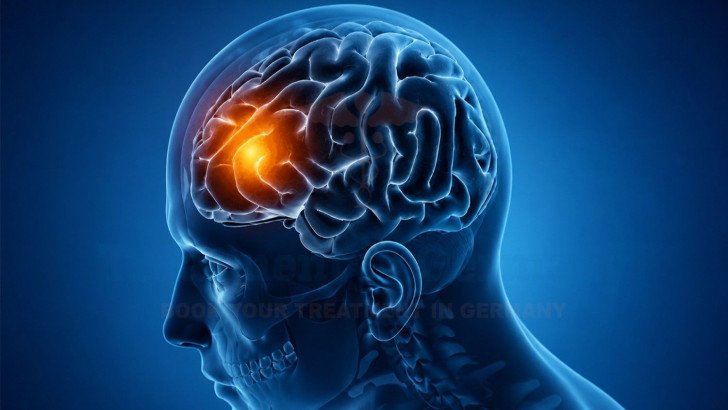
Glioblastoma treatment breakthroughs in 2026 include innovative immunotherapies, dendritic cell therapy, and emerging approaches for grade 4 brain cancer patients.
Glioblastoma Treatment Breakthroughs in 2026
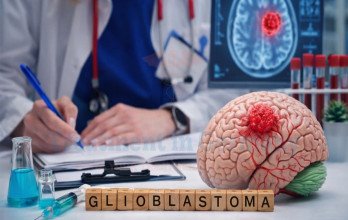
Glioblastoma is the most aggressive type of primary brain cancer in adults, and many patients explore treatment options in Germany because of its specialized neuro-oncology centers and multidisciplinary care teams, and access to advanced diagnostic and therapeutic approaches. Worldwide, brain and central nervous system tumors accounted for roughly 308,000 new cases in 2022, and glioblastoma represents the most common malignant form among adults [1]. In the United States, about 25,400 new brain and nervous system cancers are projected for 2025 [2].
Glioblastoma multiforme makes up around 14.5% of all central nervous system tumors and close to 48.6% of malignant ones, which is why it sits at the center of neuro-oncology research [3]. For families facing stage 4 brain cancer, the weight of the diagnosis is enormous, and many international patients look for brain cancer treatment in Germany, where academic centers combine molecular diagnostics with advanced therapies and often integrate molecular profiling, advanced neuroimaging, neurosurgery, radiation oncology, and systemic treatment planning.
Whether you are seeking a first opinion or exploring options after recurrence, TIG GmbH connects international patients with leading glioblastoma specialists in Germany and guides them from medical record review through post-treatment follow-up.
Understanding Stage 4 Brain Cancer and Grade 4 Glioblastoma
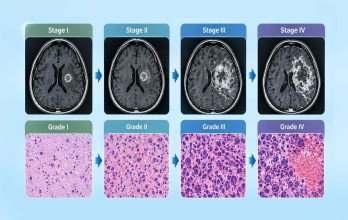
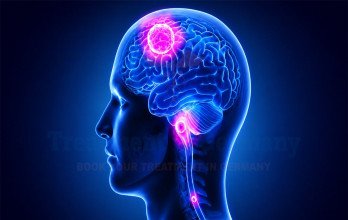
Stage 4 brain cancer refers to the most aggressive grade of primary brain tumor, most often glioblastoma multiforme, also classified as WHO grade 4. Glioblastoma stage 4 grows quickly, spreads into nearby brain tissue, infiltrates surrounding brain tissue, and frequently recurs despite multimodal treatment that may include surgery, radiotherapy, and systemic therapy. This behavior sets it apart from lower-grade tumors and explains its guarded outlook [3].

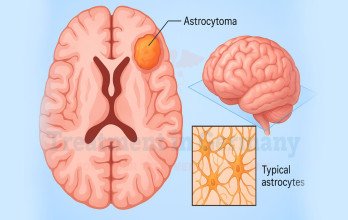
Within high-grade gliomas, IDH-wild type glioblastoma is the most common malignant subtype and is associated with an aggressive clinical course. Grade 4 astrocytoma, refers to IDH-mutant high-grade gliomas that carry a somewhat more favorable course. Both fall under the umbrella of stage 4 malignant glioblastoma and high-grade diffuse gliomas that need intensive, coordinated care [11].
Unlike many cancers, brain tumors rarely spread to distant organs. Their danger comes from local invasion inside the brain, which makes stage 4 glioma very hard to control. As the tumor grows, it may disrupt or compress adjacent brain tissue and contribute to cerebral edema, resulting in progressive neurological symptoms and functional impairment [3].
Recognizing Glioblastoma Symptoms
Glioblastoma symptoms depend on the tumor's size, speed of growth, and location. Because the brain controls so many functions, tumors in different regions cause different problems.
Common signs include:
Persistent headaches that often feel worse in the morning.
Seizures, which can be the first sign in some patients.
Weakness, numbness, or sensory loss on one side of the body (focal neurological deficits).
Cognitive changes such as memory impairment, confusion, or personality and behavioral changes.
Trouble speaking and understanding language, including problems with speech production, comprehension, or word-finding (aphasia).
Blurred or double vision and other visual changes.
Nausea and vomiting from raised pressure inside the skull.
Loss of balance or coordination.
These symptoms often build gradually and may be mistaken for stress or subacutely and can initially be attributed to other neurological or age-related conditions, which may delay diagnosis. Any new or worsening neurological symptom, especially in middle-aged or older adults, should prompt brain imaging. Catching stage 4 glioblastoma earlier opens access to a wider range of treatment options including surgery, radiotherapy, systemic therapy, and clinical trials when appropriate.
How Doctors Diagnose Stage 4 Glioblastoma
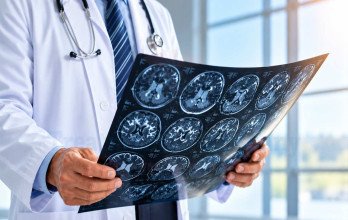
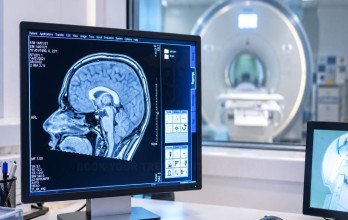
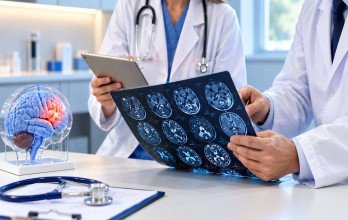
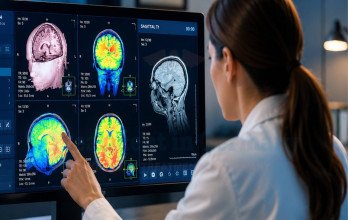
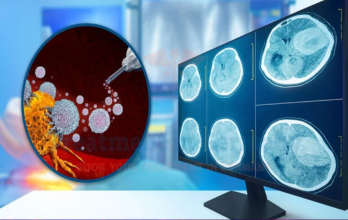
Diagnosis usually starts with an MRI, which often shows an irregular, contrast-enhancing mass with surrounding swelling and a necrotic core. A CT scan may be used in emergencies to check for bleeding or pressure effects. A firm diagnosis still requires a surgical biopsy or tumor removal, after which the tissue is examined to grade the tumor under the WHO system [11].
Molecular profiling is now central to glioblastoma treatment planning. Doctors check markers such as IDH mutation status, MGMT promoter methylation, and EGFR changes. MGMT promoter methylation predicts improved responsivenessto alkylating chemotherapy such as temozolomide and is generally associated with improved outcomes compared with unmethylated tumors [11]. Molecular profiling, including MGMT and IDH testing, is routinely incorporated into treatment planning at major German neuro-oncology centers.
Glioblastoma Prognosis, Survival Rate and Life Expectancy
Many patients first want to know the glioblastoma prognosis and what the numbers mean. With standard care, the glioblastoma survival picture remains sobering, but it is not the whole story. The chart below shows median survival in two common scenarios.

The glioblastoma survival rate is approximately 5–7%, making it one of the lowest survival rates among common cancers [3]. The glioblastoma multiforme survival rate vary with tumor biology, but median survival with the standard regimen sits near 15 months [3]. The stage 4 brain cancer survival rate mirrors these glioblastoma figures, since grade 4 disease drives most of the outcomes, and glioblastoma life expectancy depends heavily on individual factors rather than averages alone.
Age matters too. Glioblastoma life expectancy by age tends to favor younger patients, and brain tumor survival rate by age data show people under 50 often do better than older patients with the same tumor [3]. When patients ask whether is brain cancer curable or whether is brain tumors treatable, the honest answer is that grade 4 disease is not currently curableHowever, treatment can prolong survival, reduce symptoms, and preserve neurological function for a period of time. In contrast, some lower-grade gliomas may be curable with appropriate treatment depending on tumor type and extent. Lower-grade brain tumors can be cured in some cases, which is a separate situation.
Families also ask difficult questions about the end of life:
The stage 4 brain cancer timeline and the signs of approaching death from glioblastoma. As terminal brain cancer advances, increasing sleepiness, confusion, and reduced responsiveness are common, and the brain cancer death timeline can be hard to predict. When people ask, in cases of metastasis, how long to live, the more relevant framing here is local progression in the brain, since glioblastoma death usually follows from tumor growth within the brain rather than spread elsewhere. This is also why the question of when cancer spreads to the brain, how long to live applies more to other cancers than to glioblastoma itself. Glioblastoma makes up a large share of malignant brain tumors, which underscores how common this diagnosis is among serious brain cancers [3].

Glioblastoma Survival and Prognosis at a Glance

These figures are population averages, not predictions for any one person, and outcomes can differ widely with tumor biology, treatment response, age, and overall health [3].
Standard Treatment Options for Glioblastoma
The established standard of care for newly diagnosed glioblastoma is the Stupp protocol, which pairs maximal safe surgery with radiotherapy and temozolomide chemotherapy, followed by further cycles of temozolomide [11]. This combined approach has anchored first-line care for years.
Standard brain tumor treatment options available in Germany include:
Brain tumor surgery in Germany: Maximal safe resection using intraoperative MRI, fluorescence-guided surgery, and awake craniotomy to remove as much tumor as safely possible.
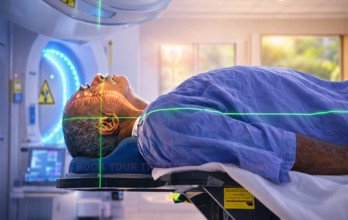
Radiotherapy: Targeted external beam radiation, typically about 60 Gy over 30 sessions, given alongside temozolomide.
Temozolomide chemotherapy: An oral agent that works best in MGMT-methylated tumors [11].
Tumor Treating Fields (TT Fields): A wearable device-based therapy that delivers low-intensity alternating electric fields designed to disrupt glioblastoma cell division. TTFields have been incorporated into treatment guidelines for selected patients with newly diagnosed glioblastoma and may improve outcomes when used alongside standard therapy.
Gamma knife treatment: Stereotactic radiosurgery that delivers focused radiation to residual or recurrent tumor while sparing nearby brain tissue it is sometimes used in select cases of recurrent or small residual brain tumors, though its role in glioblastoma is limited and patient-specific.
CyberKnife brain tumor: A robotic, frameless radiosurgery system offering highly precise radiation, in select cases of brain tumors; in glioblastoma, its use is individualized and most commonly considered for focal recurrences or palliative purposes.
Proton therapy for brain cancer: Precise particle radiation that can reduce radiation dose to surrounding normal brain tissue in selected cases, although its benefit in glioblastoma compared with conventional radiotherapy remains under investigation.
Bevacizumab: An anti-VEGF antibody used in some recurrent cases to reduce swelling and ease symptoms.
All of these modalities are available within Germany's leading neuro-oncology centers, where multidisciplinary teams build a plan that reflects current evidence and fits each patient's individual clinical profile.
Glioblastoma Treatment Breakthroughs in 2026: Immunotherapy and Dendritic Cell Therapy
Research into glioblastoma treatment is increasingly focused on immunotherapy, cellular therapies, and personalized treatment approaches. While surgery, radiotherapy, and temozolomide remain the foundation of care, investigational strategies are being evaluated to improve outcomes beyond current standards.
Immunotherapy for Glioblastoma in Germany
Brain cancer therapies have entered a new phase with the growing role of immunotherapy in high-grade glioma. Immunotherapy for glioblastoma in Germany aims to help the immune system recognize and attack tumor cells. The blood-brain barrier has long made this difficult, but better drug delivery and immune modulation are starting to overcome that hurdle [4].

Checkpoint inhibitors that target PD-1 and PD-L1 have been studied widely in glioblastoma immunotherapy Germany trials. Results in unselected patients have been mixed, and randomized studies have not consistently demonstrated a survival benefit for glioblastoma. Some patient subgroups may benefit, and ongoing research is focused on identifying predictive biomarkers and effective combination strategies[9]. Refinement of immunotherapy for recurrent glioblastoma treatment Germany continues through active trials, with combination strategies looking especially promising [5].
CAR T-cell therapy for brain cancer is another active research area. This approach re-engineers a patient's own T-cells to recognize glioblastoma antigens for a highly targeted attack. At present, CAR T-cell therapy for glioblastoma remains largely available through clinical trials and experimental treatment protocols, and its long-term effectiveness has not yet been established. German academic centers continue to participate in studies evaluating these cellular therapies[5].
For patients with inoperable brain tumor treatment, immunotherapy offers a route to disease control that does not depend on surgical access. TIG GmbH connects patients with advanced neuro-oncology treatment in Germany at the forefront of this research.
Dendritic Cell Therapy for Glioblastoma in Germany
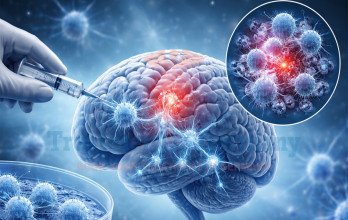
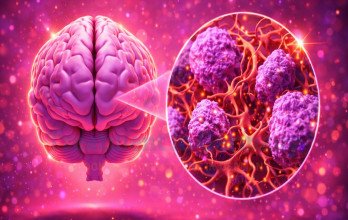
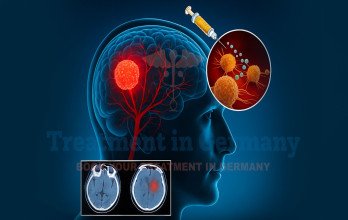
Among the most actively investigated personalized immunotherapy approaches is dendritic cell therapy. Dendritic cells coordinate the immune system by presenting targets to T-cells. In this therapy, a patient's own immune cells are collected, matured in the laboratory, and loaded with glioblastoma-specific antigens, then returned to the body to prime an immune attack on the tumor.

The rationale is well supported. Studies show dendritic cell vaccines can produce measurable tumor-specific immune responses, and some patients see their disease stabilize or slow after treatment [6]. A milestone review noted encouraging results in early and mid-stage research, while making clear the approach is not yet standard care [8].
The strongest evidence comes from an updated meta-analysis and trial sequential analysis in the Journal of Neuro-Oncology. Across the studies analyzed, dendritic cell vaccination plus standard care was associated with improved overall survival compared with standard treatment alone[10]. These results support using the therapy within combination protocols for selected patients.
Combination strategies are advancing too. Research pairing dendritic cell vaccines with anti-PD-1 checkpoint inhibitors showed stronger immune activation and anti-tumor effects than either treatment alone, pointing to a possible synergy that is still being studied [7]. In practice, the personalized vaccine is given in a series of infusions designed to build and sustain an immune response, and it is generally well tolerated as part of a broader plan. TIG GmbH supports patients through the whole process, from understanding the evidence to coordinating the laboratory schedule, travel, and the multi-week commitment the course involves.
Brain Cancer Treatment Cost in Germany
Brain cancer treatment cost in Germany depends on the chosen therapy, the institution, and each patient's clinical needs. The table below summarizes the headline figures for the advanced options covered here.

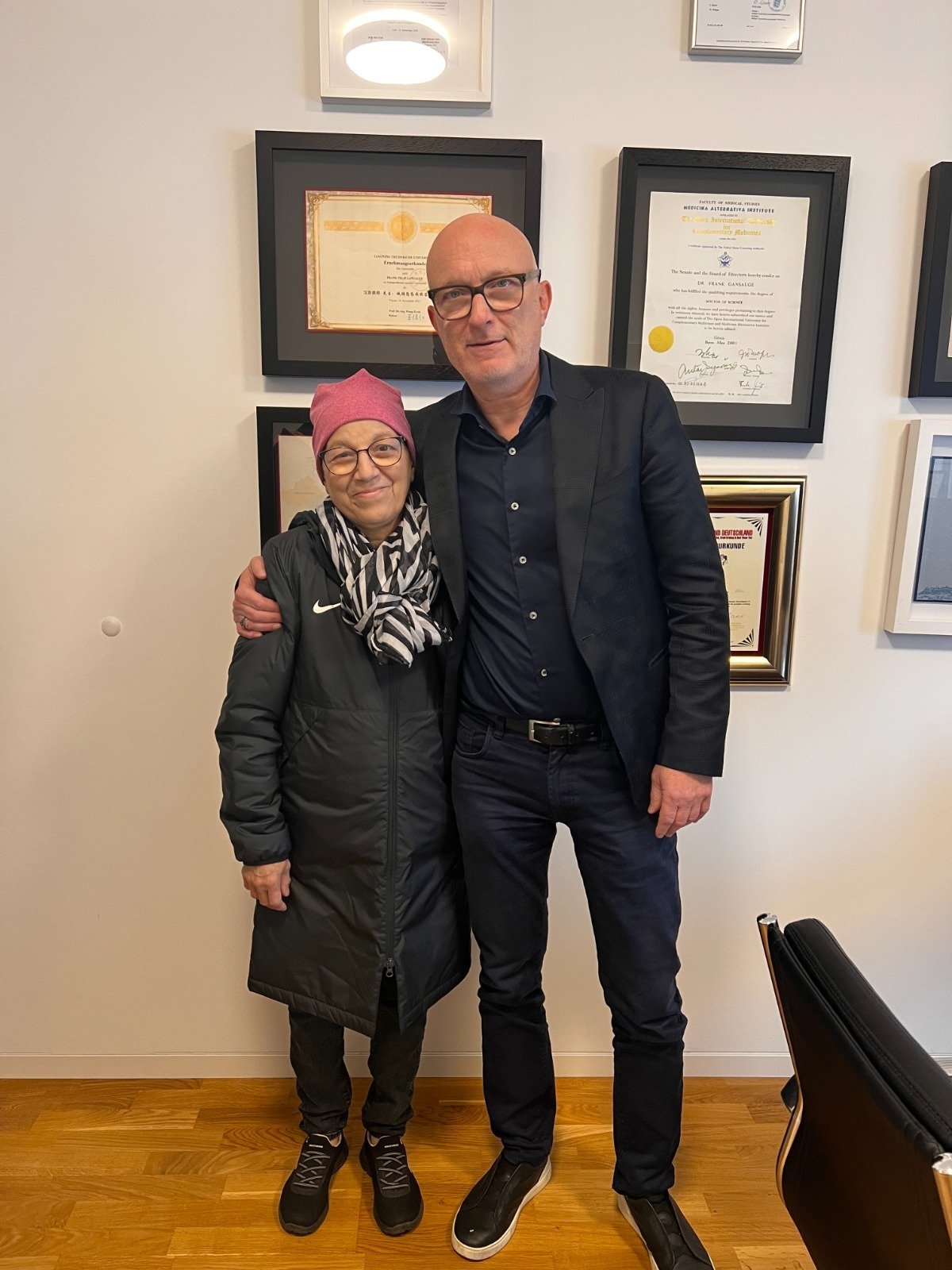
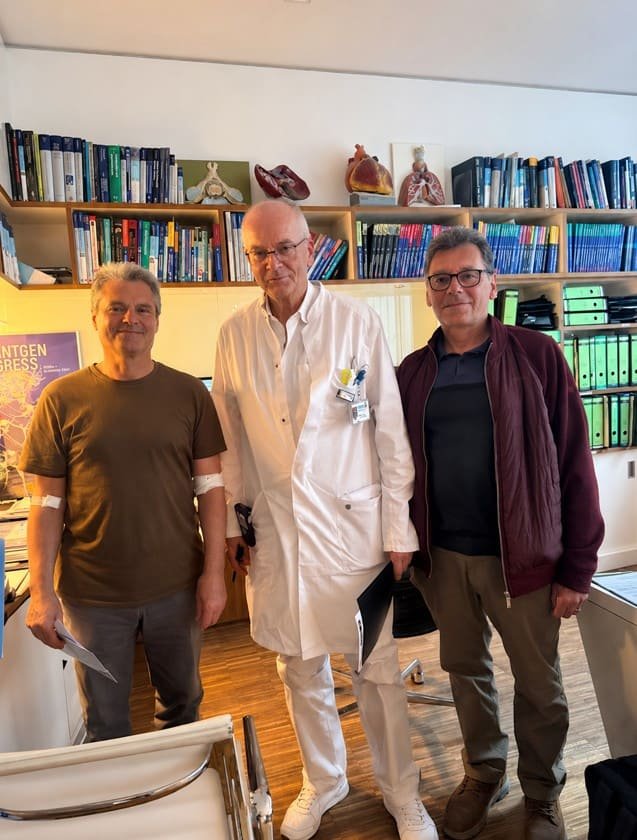
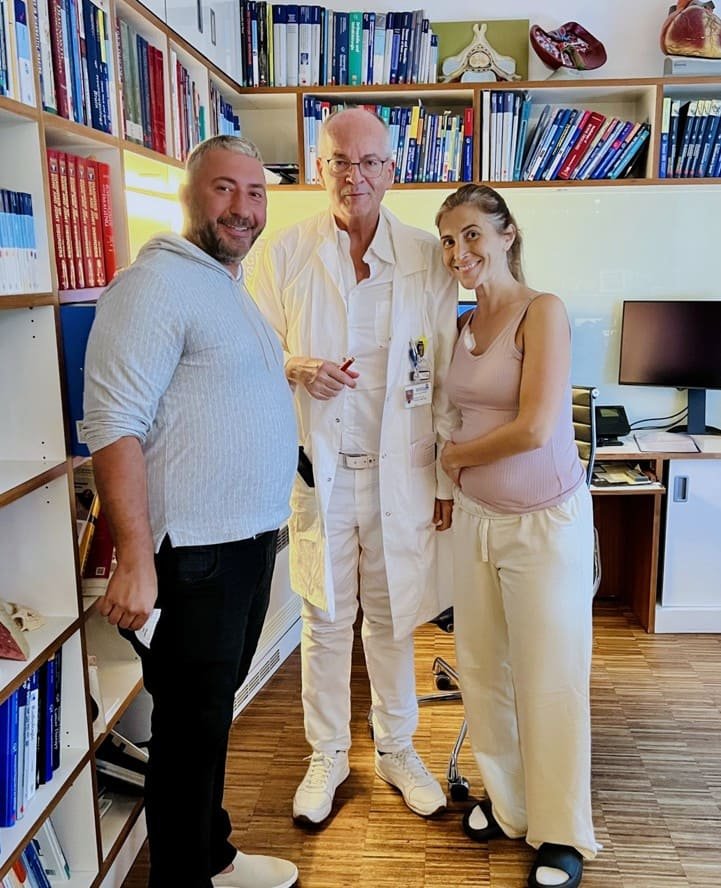
For patients considering dendritic cell therapy as part of their care, the cost of dendritic cell therapy in Germany is approximately €27,000 for total course, delivered by Prof. Gansauge at LDG Laboratories. This covers laboratory processing, personalized vaccine preparation, and the administration sessions in the initial course. Costs for immunotherapy, radiosurgery, and surgery depend on the specific protocol and number of sessions. TIG GmbH provides a detailed, personalized cost breakdown before any commitment to travel or treatment, so every patient has full clarity from the start.
Who Qualifies for Immunotherapy or Dendritic Cell Therapy?
Eligibility is judged case by case by glioblastoma specialists in Germany through multidisciplinary tumor board review. The general criteria are outlined below.
Immunotherapy Eligibility
Confirmed grade 4 glioblastoma or astrocytoma grade 4 treatment candidacy, often in recurrent or progressive disease.
Adequate performance status, generally a Karnofsky score of 60 or above.
Completed molecular profiling, including MGMT and IDH status where relevant [11].
No active severe autoimmune condition or ongoing high-dose steroids.
Prior standard treatment with the Stupp protocol or an equivalent regimen.
Dendritic Cell Therapy Eligibility
Confirmed diagnosis of grade 4 brain cancer or stage 4 glioblastoma.
Adequate circulating immune cell counts for collection and laboratory processing.
No active autoimmune disease or strong immunosuppression beyond standard dexamethasone.
Willingness to commit to a multi-week protocol with several infusion sessions.
Combination approaches are being actively investigated and have shown encouraging early results, although further clinical validation is needed before definitive conclusions can be drawn [7].
Leading Brain Cancer Hospitals in Germany
The institutions below are among the most recognized brain cancer hospitals in Germany for international patients seeking advanced care. Each runs dedicated glioblastoma specialists within structured neuro-oncology programs.

TIG GmbH has working relationships with departments at these centers and can help patients reach the best hospitals in Germany for glioblastoma, secure second opinions, and coordinate every part of their care.
Key Considerations before Pursuing Treatment in Germany
Patients and families should approach decisions about stage 4 brain cancer with realistic expectations and a clear view of the evidence.
A few points matter most:
Grade 4 glioblastoma is not currently curable; the goal is to extend survival and preserve quality of life [3].
Malignant brain tumour prognosis at grade 4 is guarded, and combination approaches plus clinical trials offer the best current prospects [9].
Dendritic cell therapy remains under active investigation. While some studies and meta-analyses suggest a potential survival benefit, further high-quality randomized clinical trials are needed to clarify its role in routine glioblastoma care [10].
Cross-border care involves logistical, financial, and emotional complexity that benefits from experienced coordination.
For families pursuing international patient brain cancer treatment in Germany, TIG GmbH handles visa documentation, hospital invitation letters, travel, interpreter services, and follow-up so patients can focus on care.
How TIG GmbH Supports International Brain Cancer Patients
A diagnosis of stage 4 brain cancer calls for quick, expert action. TIG GmbH connects international patients with Germany's leading neuro-oncologists and brain tumor centers and manages the practical side so families can focus on care.
Medical record review: MRI scans, histology, and molecular results are shared with the right glioblastoma specialists in Germany for a pre-consultation opinion.
Specialist matching: The most suitable center is chosen for your case, whether you need immunotherapy for glioblastoma in Germany, dendritic cell therapy, radiosurgery, or a combination.
Visa and travel support: Full help with the medical visa, invitation letters, and all travel logistics.
Interpreter and follow-up: Medically trained interpreters during care, plus coordination with your home doctors afterward.
Whether you are exploring personalized brain cancer treatment in Germany, seeking glioblastoma clinical trials, or ready to begin care at one of the best hospitals in Germany for glioblastoma, TIG GmbH is your trusted partner. Reach out today to begin your consultation.
References
Why Patients Worldwide Prefer Our Medical Services in Germany – Key Benefits Explained

















.webp)
 (1).webp)
.webp)
.jpg)
 (1).webp)
.jpg)