
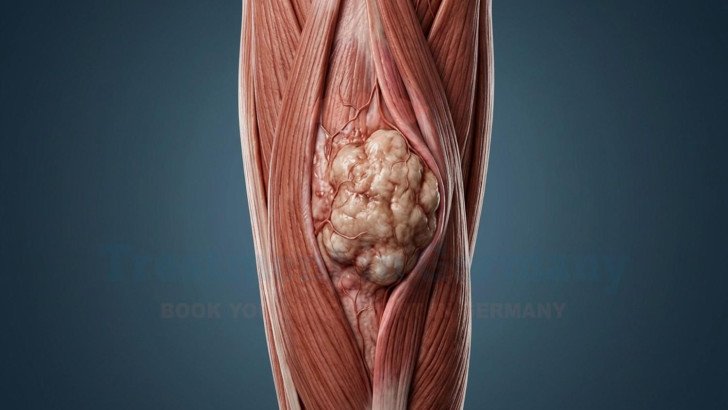
Soft tissue sarcoma treatment in Germany is tailored to the tumour subtype, stage, and each patient's individual needs. This article explains symptoms, diagnosis, treatment options, survival rates, and advanced approaches such as dendritic cell therapy. It also covers treatment costs, leading German hospitals, and how international patients can access specialised sarcoma care through coordinated support.
Soft Tissue Sarcoma Treatment in Germany: Advanced Treatment Options
Soft tissue sarcoma is a rare, complex cancer that grows in the muscles, fat, nerves, blood vessels, and other connective tissues of the body. Because it behaves so differently from common cancers, it needs specialised, coordinated care from teams that treat it regularly. Germany has become a leading destination for specialised sarcoma care, combining experienced sarcoma centres, molecular diagnostics, and specialised immunotherapy laboratories. Alongside surgery, radiotherapy, chemotherapy and targeted therapy, dendritic cell therapy is being investigated as a personalised immunotherapy for selected patients primarily in clinical trials or specialised centres.
For international patients, accessing specialised sarcoma care in Germany involves more than choosing a treatment. TIG GmbH helps coordinate specialist consultations, medical record reviews, travel arrangements, treatment planning, and follow-up throughout the treatment journey.
What Is Soft Tissue Sarcoma?
Soft tissue sarcoma is a malignant tumour that develops in the body's soft connective tissues, such as muscles, fat, nerves, blood vessels, and tendons. In simple terms, sarcoma is a type of cancer that begins in the tissues that support and connect different parts of the body.

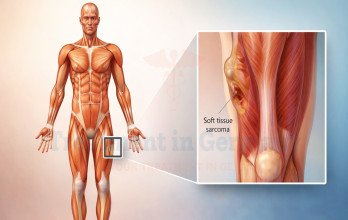
Sarcomas are a group of cancers that develop in bone or soft connective tissues. Soft tissue sarcomas are the most common form and include more than 100 distinct histological subtypes, yet they account for less than 1% of all adult solid tumours [4]. Because it is a soft tissue malignant sarcoma, it can appear almost anywherebut occur most commonly in the extremities, followed by the trunk, retroperitoneum, and abdominal cavity. Globally, the number of new soft tissue sarcoma cases rose from approximately 54,631 in 1990 to 96,201 in 2021, reflecting both an ageing population and better detection [1].
How Soft Tissue Sarcoma Differs from Other Cancers
Most common cancers, such as breast or lung cancer, are carcinomas that begin in epithelial (lining) cells. Sarcoma cancer is different because it starts in connective tissue, which is why it is considered a rare cancer. Because each subtype is uncommon, large clinical studies are difficult to conduct, and progress in developing new treatments can be slower. Patients are therefore often referred to specialised sarcoma centres with experience in managing these rare tumours [4].
Another key difference is spread. Unlike many carcinomas, soft tissue sarcomas usually spread haematogenously rather than through the lymphatic system, with the lungs being the most common site of distant metastasis. However, some histological subtypes including epithelioid sarcoma, clear cell sarcoma, synovial sarcoma, rhabdomyosarcoma and angiosarcoma, have a higher propensity for regional lymph node involvement [6].
Types and Stages of Soft Tissue Sarcoma
Soft tissue sarcoma includes many different tumour subtypes that vary in their behaviour, treatment, and prognosis. Understanding the tumour type, stage, and grade is essential for planning the most appropriate treatment approach.
Among the most frequently diagnosed types of sarcoma cancer are:
- Liposarcoma, arising from fat cells, one of the most common adult subtypes.
- Leiomyosarcoma, arising from smooth muscle.
- Undifferentiated pleomorphic sarcoma (UPS), a high-grade tumour often found in the limbs.
- Synovial sarcoma, more common in younger adults.
- Malignant peripheral nerve sheath tumours, arising from nerve linings.
Together, undifferentiated pleomorphic sarcoma and liposarcoma are two of the three most common subtypes and represent over 30% of all soft tissue sarcomas [9].
How Soft Tissue Sarcomas Are Classified and Graded
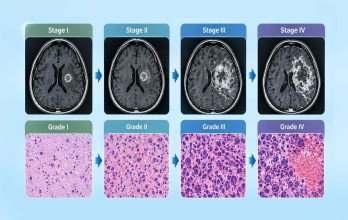
After diagnosis, pathologists assign a grade that predicts how the tumour is likely to behave. Grading uses the FNCLCC system, adopted by the AJCC 8th edition, which scores tumour differentiation, mitotic rate and necrosis [3]. Grade separates tumours into low-grade and high-grade disease, and this distinction answers a common question, how fast does sarcoma grow. Low-grade tumours grow slowly and rarely spread, whereas high-grade tumours grow faster and carry a much higher risk of metastasis.
That risk is significant. The risk of metastasis is largely driven by tumour grade, and high-grade tumours carry a substantially greater likelihood of developing lung metastases than low-grade disease, with recurrence most often occurring within the first two years after primary tumour removal [6].
Stages of Soft Tissue Sarcoma (Stage I–IV)
Sarcoma staging combines tumour size, grade, depth, lymph node status, and whether the cancer has spread. It ranges from Stage I through Stage IV.

Stage 4 sarcoma is the most advanced stage. Because treatment goals change substantially once the disease is metastatic, accurate sarcoma staging is essential before any plan is made.
Symptoms and Diagnosis of Soft Tissue Sarcoma
Recognising soft tissue sarcoma symptoms early and confirming the diagnosis without delay are important for timely treatment. In Germany, specialist centres use a structured diagnostic approach to accurately identify the tumour and develop an individualised treatment plan.
Common Symptoms of Soft Tissue Sarcoma
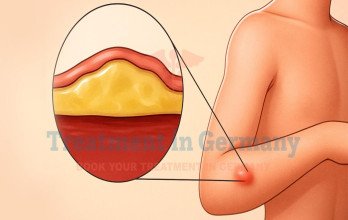
The symptoms of soft tissue sarcoma are often subtle, which can delay diagnosis. The most common symptom is a painless, gradually enlarging lump. Other symptoms may include:
- A new or growing lump, often painless at first.
- Swelling that persists or steadily increases in size.
- Pain or discomfort if the tumour presses on nerves or muscles.
- Abdominal fullness, bloating, or discomfort with deep-seated tumours.
Because a painless lump is easy to dismiss, any mass that is larger than a golf ball, deep-seated, or growing should be assessed promptly. Early evaluation is one of the most important steps a patient can take, as it improves the likelihood of timely diagnosis and referral to a specialist sarcoma centre, supporting accurate diagnosis and appropriate treatment planning.
Imaging, Biopsy, and Molecular Testing for Soft Tissue Sarcoma
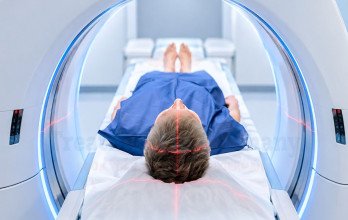
Sarcoma diagnosis relies on a combination of imaging and tissue analysis. MRI is the primary imaging method for tumours of the limbs, pelvis, and trunk, while CT of the chest is used to check for lung spread. A core needle biopsy then confirms the diagnosis and subtype and is performed after imaging at a specialist sarcoma centre to minimise interference with definitive surgery. When performed at an experienced centre, biopsy pathology is highly accurate for identifying the tumour and its grade, all of which are essential for treatment planning [3].
Molecular and genetic testing adds a further layer of precision. Many soft tissue sarcomas carry characteristic gene changes, and identifying them supports precision medicine for sarcoma and helps match patients to the right therapy [4].
Because subtype and grade shape the entire plan, a second opinion for sarcoma in Germany can be valuable before treatment begins.
Causes and Risk Factors for Soft Tissue Sarcoma

The exact cause of soft tissue sarcoma remains unknown in most patients. However, research has identified several inherited and acquired factors that may increase the risk of developing this rare cancer, although many people diagnosed have no identifiable risk factors.
Genetic, Environmental, and Other Risk Factors
For most patients, there is no clear answer to what causes sarcoma. The majority of soft tissue sarcomas arise sporadically, without an identifiable trigger. Where risk factors do exist, the recognised associations include prior radiation therapy, certain inherited genetic syndromes such as Li-Fraumeni syndrome and neurofibromatosis type 1 and chronic lymphoedema. Environmental and occupational exposures have also been linked to some cases, which may partly explain why incidence is higher in men for several subtypes although these exposures account for only a small proportion of cases. The reasons for sex differences in the incidence of some sarcoma subtypes remain incompletely understood. Increasing age is an established risk factor for many, although not all, soft tissue sarcoma subtypes [2]. Importantly, none of these factors guarantee that sarcoma cancer will develop, and most people with a risk factor never develop the disease.
Soft Tissue Sarcoma Treatment in Germany

Treatment is planned according to the tumour subtype, stage, location, molecular profile, and the patient's overall health. Modern treatment combines established therapies with personalised decision-making to achieve the best possible outcome for every individual.
Multidisciplinary Tumour Board Review and Personalised Treatment Planning
Every treatment plan begins with a multidisciplinary tumour board review, Surgeons, radiation and medical oncologists, radiologists and pathologists review each case together before any treatment starts. The final treatment strategy is tailored to the tumour subtype, grade, size, molecular profile, the patient's overall health, and individual treatment goals, ensuring a personalised approach for every patient.
Standard Treatment Options for Soft Tissue Sarcoma
Standard treatment remains the foundation of care, and nearly every patient begins here. For localised disease, the primary strategy is surgery, often complemented by perioperative radiotherapy and chemotherapy depending on the histology and grade [4].
The main sarcoma treatment options are:
- Sarcoma surgery: Surgical wide resection with clear (oncologic) margins is the gold standard for localised soft tissue sarcoma[6]. Modern limb-sparing surgery for sarcoma preserves the affected limb whenever possible, and both surgery and radiation are independent positive predictors of survival [7].
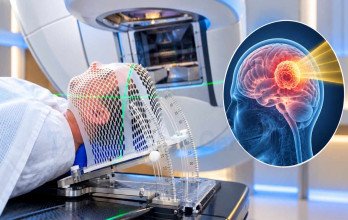
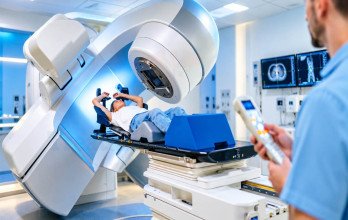
- Radiotherapy: Radiation is used before or after surgery to improve local control and reduce the risk of recurrence [7].
- Chemotherapy: Doxorubicin remains the standard first-line chemotherapy for advanced or inoperable soft tissue sarcoma, although objective response rates with single-agent therapy remain modest [9].
- Targeted therapy for sarcoma: Pazopanib, a multi-targeted tyrosine kinase inhibitor, is an established treatment for advanced non-adipocytic soft tissue sarcoma after prior chemotherapy and is recommended in current clinical guidelines [8].
- Sarcoma immunotherapy: Immune checkpoint inhibitors can produce durable responses in some patients, though most sarcomas are not sufficiently immunogenic for these drugs to work alone [10].
Dendritic Cell Therapy for Sarcoma
Dendritic cell therapy is a personalized immunotherapy that uses a patient’s own immune cells to target cancer. It is being evaluated in several cancers, including selected soft tissue sarcomas. It belongs to the wider field of sarcoma immunotherapy and is studied as an addition to standard care rather than a replacement. This treatment is available at selected specialized centers and may be considered for eligible patients as part of an individualized treatment plan.
Because most sarcomas do not respond strongly to checkpoint inhibitors on their own, researchers are exploring vaccine approaches that actively prime the immune system. Dendritic cell vaccines are one such strategy being investigated in sarcoma [10].
How Does Dendritic Cell Therapy Work?
Dendritic cells are the immune system’s messengers. They are potent antigen-presenting cells that capture tumour targets and display them to T-cells, the cells that carry out the attack. In practice, immune cells are collected from the patient’s blood and processed in a specialised laboratory. There, dendritic cells are loaded with tumour-associated antigens, most often from the patient’s own tumour lysate, matured, and then returned to the patient as a personalised vaccine [10].

The aim is to teach the immune system to recognise and respond to that particular tumour. It is a fundamentally different mechanism from chemotherapy, which attacks dividing cells throughout the body.
Who Can Benefit from Dendritic Cell Therapy in Germany?
Eligibility for this immunotherapy is confirmed by a specialist after reviewing tumor subtype, stage, previous treatments, overall health, and the availability of investigational immunotherapy programs. Candidates are typically evaluated on a case-by-case basis.
Patients who may be considered include:
- Those with advanced, recurrent, or metastatic sarcoma seeking an immune-based addition to standard care [10].
- Patients who have had their tumour surgically removed and want to support an anti-tumour immune response although it’s clinical benefit remains under investigation.
- Individuals with adequate performance status and overall health, suitable for individualised immunotherapy after specialist assessment.
Some patients are not suitable, including those with severe immune deficiencies, uncontrolled infections or health too fragile to mount an immune response. A specialist evaluation identifies these situations and sets honest expectations.
Stage 4 Soft Tissue Sarcoma Treatment
Management of metastatic soft tissue sarcoma focuses on controlling disease, relieving symptoms, and preserving quality of life. Depending on the patient's condition and disease extent, specialists may combine several treatment approaches to improve disease control.

Advanced Treatment Strategies for Metastatic Soft Tissue Sarcoma
Once the cancer spreads to distant organs, it becomes stage 4 sarcoma, and the treatment focus shifts toward controlling disease throughout the body. At this stage, specialists may draw on the full range of systemic and local therapies. Systemic chemotherapy, targeted therapy, and immunotherapy form the backbone of sarcoma cancer stage 4 treatment. In selected patients, local treatment of metastases still plays an important role.
For isolated lung metastases, surgical removal (pulmonary metastasectomy) can extend survival, with reported five-year overall survival ranging from 43% to 50.9% following the procedure [6]. This is why every patient with stage 4 sarcoma is carefully assessed for whether metastases can be removed.
Combining Dendritic Cell Therapy with Standard Treatment Approaches
Dendritic cell therapy may be integrated with surgery, chemotherapy, and other systemic treatments as part of an individualised treatment plan. The rationale for combination is biological. Surgery and chemotherapy reduce the tumour burden, while dendritic cell therapy aims to stimulate an immune response against any remaining cancer cells, targeting the disease through complementary mechanisms [10].
There is also strong interest in pairing dendritic cell vaccines with checkpoint inhibitors, since dendritic cells prime T-cells and checkpoint inhibitors release the brakes on those same cells. A multidisciplinary tumour board decides which combination fits each patient before any therapy begins.
Survival Rates and Prognosis for Soft Tissue Sarcoma

Soft tissue sarcoma survival rates vary widely because outcomes are influenced by several clinical and tumour-related factors. Although published statistics provide useful guidance, every patient's prognosis depends on their individual diagnosis, treatment, and response to therapy.
Factors That Affect Survival and the Risk of Recurrence
Several clinical and tumour-related factors influence survival and the likelihood of recurrence after treatment. Across all stages, the soft tissue sarcoma survival rate at five years is in the range of 50% to 70% [5].
Several factors shape the sarcoma survival rate and the risk of recurrence:
- Whether the tumour can be completely removed, the single strongest favourable factor [6].
- Tumour grade, since high-grade tumours carry a far higher risk of metastasis [6].
- Tumour size and depth, with larger, deeper tumours behaving more aggressively.
- Subtype and molecular profile, which influence response to treatment [4].
- Age and overall health, with younger patients generally faring better [2].
The most common site of recurrence is the lungs, which is why chest imaging is a routine part of follow-up [6].
Stage 4 Soft Tissue Sarcoma Life Expectancy and Survival Rates
For metastatic disease, the outlook is more guarded. The prognosis for locally advanced or metastatic sarcoma is poorer, with a median overall survival of 12.8 to 14.3 months [5]. More specifically, patients with metastatic soft tissue sarcoma have a three-year survival rate of around 25% [6]. These figures inform stage 4 sarcoma life expectancy and the stage 4 sarcoma survival rate, but they are population averages and cannot predict any one person’s outcome.
This is also why soft tissue cancer survival varies so much between individuals, and why the question of whether soft tissue sarcoma is curable depends heavily on stage. Localised disease is often treated with curative intent, whereas stage 4 sarcoma is generally treated to control the disease and preserve quality of life. Even so, selected patients with limited, completely removable metastases can achieve long-term disease control.
Is Dendritic Cell Therapy Supported by Medical Research?
Research into dendritic cell therapy continues to expand as scientists investigate its role alongside established sarcoma treatments. Current evidence is helping researchers better understand where this personalised immunotherapy may fit alongside established treatment approaches.
Clinical Studies of Dendritic Cell Therapy for Sarcoma
Current evidence for dendritic cell therapy in sarcoma is encouraging but remains early. Most published studies are phase I or phase II trials designed principally to establish safety and early signals of activity. In sarcoma specifically, a tumour lysate-pulsed dendritic cell vaccine has been evaluated in a phase I/II trial of 37 patients with bone or soft tissue sarcoma. A separate paediatric study enrolled 47 patients, 11 of whom had sarcoma; the treatment was safe, and immune monitoring of nine sarcoma patients showed enhanced anti-tumour T-cell responses after vaccination [10].
These results suggest that dendritic cell vaccines can be produced safely and can trigger measurable immune responses, though larger randomised trials are still needed to confirm a survival benefit.
Regulatory Status and Treatment Availability in Germany
Dendritic cell therapy is not part of routine standard care for soft tissue sarcoma. In Germany, it may be available at selected specialised centres as an individualised treatment option alongside established therapies for eligible patients. A new therapy typically needs many years, often a decade or more, to move from early trials through large randomised studies before it becomes an established standard. Patients considering soft tissue sarcoma clinical trials in Germany or individualised immunotherapy should discuss the potential benefits and limitations with their treating specialists before making a decision.
Risks and Side Effects of Soft Tissue Sarcoma Treatment
Every treatment approach has potential benefits as well as possible side effects. The type and severity of treatment-related effects depend on the therapies used, making regular monitoring and supportive care an important part of overall management.
Side Effects of Standard Sarcoma Treatments
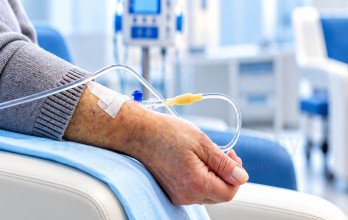
Every sarcoma cancer treatment carries potential side effects. Because chemotherapy attacks rapidly dividing cells throughout the body, its side effects tend to be wide-ranging.
Common side effects of standard treatments include:

These effects are managed actively by the treating team, and supportive care is an important part of the overall plan.
Safety Profile of Dendritic Cell Therapy
By contrast, dendritic cell therapy is generally well tolerated. Across published clinical trials, dendritic cell vaccines were well tolerated, with mostly mild-to-moderate grade 1–2 adverse effects. The most commonly reported reactions are flu-like symptoms such as a low-grade fever, fatigue and mild reactions at the injection site. Serious reactions are uncommon when the vaccine is used on its own [11]. This favourable safety profile is one reason it is studied as an addition to standard treatment.
Why Choose Germany for Soft Tissue Sarcoma Treatment?
Many patients travel to Germany for sarcoma care because of its specialised sarcoma centres, multidisciplinary expertise and advanced diagnostic facilities. This integrated approach helps ensure that treatment decisions are based on the specific characteristics of each patient's tumour.
Specialised Sarcoma Centres and Multidisciplinary Care
Germany's specialised university hospitals and comprehensive cancer centres provide access to surgery, radiotherapy, systemic therapy, molecular diagnostics, specialised immunotherapy, and clinical trials within a coordinated treatment pathway. Some of the best hospitals for Soft Tissue Sarcoma treatment in Germany are listed below.

The strength of these centres lies in their multidisciplinary tumour boards, where specialists jointly plan each case, and in their experience with rare tumours. This concentration of expertise supports precision oncology in Germany for sarcoma and gives international patients access to therapies that require specialised facilities.
Cost of Soft Tissue Sarcoma Treatment in Germany
For patients considering dendritic cell therapy, treatment in Germany is provided by Prof. Gansauge at LDG Laboratories, who specialises in personalised dendritic cell immunotherapy and cellular cancer treatments. The cost of dendritic cell therapy is approximately €27,000 for the complete treatment.

Overall treatment costs depend on the recommended approach, since surgery, radiotherapy, chemotherapy, and targeted therapy each have their own requirements.

What Does the Treatment Cost Include?
For dendritic cell therapy, the cost covers the laboratory preparation of the personalised vaccine, the scheduled injections, and the associated assessment and monitoring. Because each vaccine is individually prepared from the patient’s own immune cells, laboratory processing is a significant part of the overall cost [10].
Factors Affecting Treatment Costs
Several factors influence the final figure: the extent of surgery, the number of radiotherapy or chemotherapy cycles, whether targeted or immune therapy is added, and the diagnostic testing required. TIG GmbH provides a transparent, personalised breakdown before treatment begins, so patients know what to expect with no hidden fees.
International Patient Services
Receiving treatment abroad involves more than medical care alone. Coordinated support covers the practical areas that make treatment abroad manageable:
- Medical report review, so specialists can advise on suitability before any travel.
- Second opinion, confirming the diagnosis and reviewing imaging and pathology.
- Medical visa assistance, including the documentation and invitation letters required.
- Interpreter support, so language is never a barrier to understanding the treatment.
- Treatment coordination, aligning appointments, laboratory scheduling, and follow-up.
Together, these services simplify the journey for patients seeking personalized treatment in Germany.
Why Choose TIG?
TIG GmbH helps international patients access specialised sarcoma care with clarity and coordinated support at every stage. The service is informational and organisational, working alongside the treating specialists rather than replacing medical advice. From the first medical report review and second opinion to specialist matching, scheduling, travel, and follow-up, TIG helps coordinate the medical, travel, and logistical arrangements throughout treatment. For patients who want to book sarcoma consultation in Germany, a medical report review is usually the first step.
Your Treatment Journey in Germany
For patients considering treatment in Germany, the process usually follows a clear sequence:
- Medical report review, so specialists can advise before any travel.
- Specialist consultation, to confirm suitability and plan the approach.
- Diagnosis and molecular testing, including imaging, biopsy, and genetic profiling.
- Standard treatment, which may include surgery, radiotherapy, chemotherapy, or targeted therapy.
- Dendritic cell therapy, prepared from the patient’s own immune cells and given as scheduled injections for selected patients.
- Follow-up and monitoring, continued after returning home.
A specialist consultation is often the first step, and TIG GmbH coordinates each stage from there.
References
Why Patients Worldwide Prefer Our Medical Services in Germany – Key Benefits Explained





.webp)
 (1).webp)
.webp)
.jpg)
 (1).webp)
.jpg)