
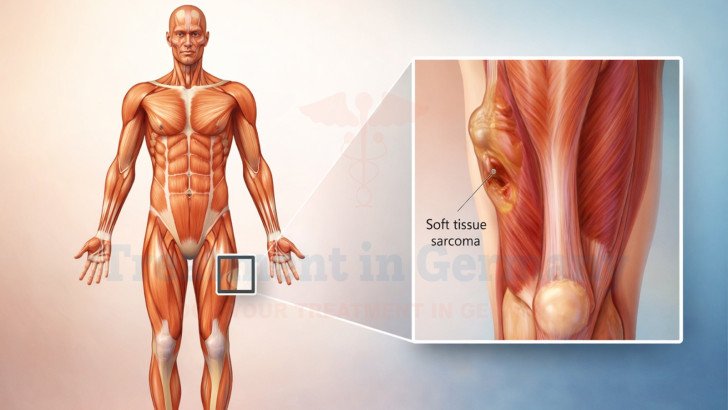
Advanced soft tissue sarcoma treatment in Germany including dendritic cell therapy, specialized oncology care, and coordinated support through Treatment in Germany (TIG)
Soft Tissue Sarcoma: Advanced Treatment for Rare Cancers 2026
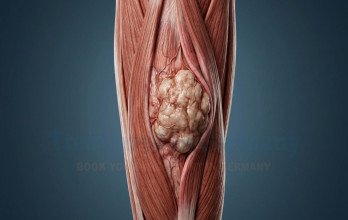
Soft tissue sarcoma in Germany is a rare and biologically diverse group of cancers that originate in the connective tissues of the body. These tissues include muscle, fat, tendons, blood vessels, and peripheral nerves, which means sarcomas can develop in almost any anatomical region. Because these tumors arise outside of major organs, early symptoms may be subtle and easily ignored. In many cases, patients notice a painless lump that gradually increases in size.
Due to the rarity and complexity of this disease, accurate diagnosis and treatment planning require specialized expertise within structured oncology systems. Germany has become an important destination for patients seeking new and innovative treatment options for soft tissue sarcoma particularly in rare and advanced cases.
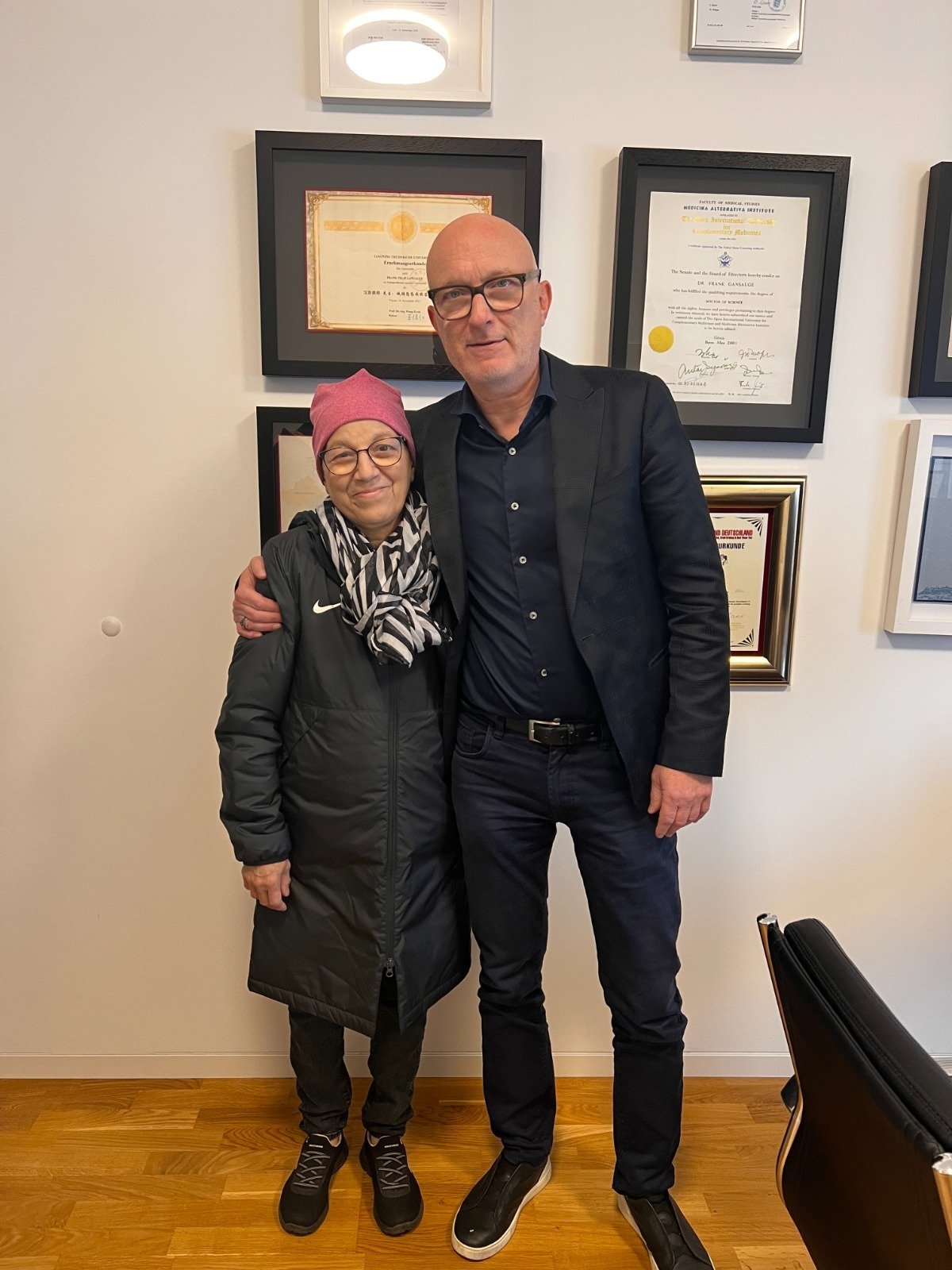
Treatment planning is conducted within highly specialized German healthcare centers and dedicated German oncology centers, where multidisciplinary tumor boards review each case in detail to ensure individualized decision-making. Clinical expertise associated with Prof. Gansauge, recognized for his focused work in advanced cell-based immunotherapy, includes immune-based strategies such as dendritic cell therapy delivered under regulated medical standards. Many International patients choose treatment in Germany because of transparent treatment pathways, coordinated treatment models, and access to latest medical technology in Germany.
What Is Soft Tissue Sarcoma?

Soft tissue sarcoma refers to a group of more than 50 different malignant tumor subtypes that arise from connective tissues. Common forms include liposarcoma, leiomyosarcoma, synovial sarcoma, and undifferentiated pleomorphic sarcoma. Each subtype has unique biological characteristics that influence treatment decisions and prognosis. Because of this diversity, precise histological classification is critical before any therapy begins.
Sarcomas can develop in the arms, legs, abdomen, chest wall, or deep within the retroperitoneal space. Early-stage disease may remain localized, while advanced cases may spread to the lungs or other distant organs. The rarity of these tumors makes referral to specialized oncology units particularly important. Early diagnosis improves the range of therapeutic options available.
Symptoms of Soft Tissue Sarcoma

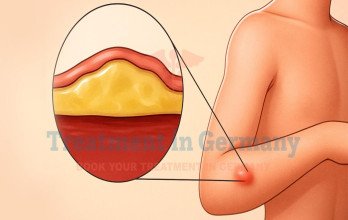
The most common early symptom is a painless swelling or mass that gradually enlarges over time. Because many benign growths can appear similar, patients may not immediately suspect malignancy. Tumors located deeper within muscle compartments may cause pressure, discomfort, or restricted movement.
In advanced disease, symptoms may include fatigue, weight loss, or respiratory issues if metastasis to the lungs occurs. Rapid tumor growth or neurological symptoms can develop if nearby nerves are compressed. Persistent or enlarging masses should always be evaluated through structured diagnostic pathways.
Advanced Diagnostics for Soft Tissue Sarcoma in Germany
Accurate staging plays a fundamental role in sarcoma management. In Germany, advanced Diagnostics include biopsy with detailed histopathological and molecular analysis. Imaging techniques such as CT scans, MRI, and PET scans help determine tumor size, depth, vascular involvement, and distant spread.
These assessments are supported by latest medical technology in Germany, allowing high-resolution visualization and precise anatomical mapping. Molecular profiling may identify specific mutations that influence therapy selection. Findings are reviewed collectively within multidisciplinary tumor boards at German oncology centers, ensuring coordinated and individualized treatment planning.
Dendritic Cell Therapy for Soft Tissue Sarcoma in Germany

Immunotherapy has gained increasing attention in the management of rare cancers, including sarcomas. The dendritic cell vaccine approach is designed to stimulate the patient’s immune system to recognize and respond to tumor-specific markers. Because soft tissue sarcomas may evade immune detection, immune-based strategies aim to enhance systemic immune surveillance as part of a comprehensive treatment plan.
The therapy begins with the collection of immune cells (monocytes) from the patient’s blood under medical supervision. These cells are carefully isolated in a sterile clinical environment to preserve viability and functionality. Proper handling during collection is essential to maintain cell integrity before laboratory processing. Medical monitoring ensures patient stability throughout the procedure.
After collection, the cells are transferred to an EU GMP certified laboratory, where they are cultured under strictly regulated and quality-controlled conditions. Within this environment, the monocytes are exposed to tumor-associated antigens derived from sarcoma tissue. This exposure encourages their development into active dendritic cells capable of presenting cancer markers to T-cells. Extensive sterility, purity, and viability testing is conducted before the preparation is approved for clinical use.
Once prepared, the cells are reintroduced into the patient as a personalized dendritic cell vaccine. This therapy is integrated alongside conventional treatments such as surgery or chemotherapy rather than replacing them. Continuous monitoring evaluates immune response and overall tolerance. The cost of Dendritic Cell Therapy in Germany is €26,000, covering immune cell collection, laboratory processing, preparation, and administration.
Combining Treatment Approaches for Rare Sarcomas
Soft tissue sarcoma often requires multimodal management depending on stage and subtype. Surgery remains central for localized disease, while chemotherapy or radiation therapy may be considered in advanced stages. Immune-based therapies such as dendritic cell therapy may be evaluated as complementary strategies in selected patients.
Treatment sequencing depends on tumor biology, metastatic distribution, and overall health status. Multidisciplinary planning within German healthcare centers ensures that each intervention is introduced appropriately. Continuous imaging reassessment helps adapt therapy according to disease behavior.
New Clinical Trials for Soft Tissue Sarcoma in Germany
Patients with rare or advanced sarcoma subtypes may be evaluated for participation in New Clinical Trials for Soft Tissue Sarcoma in Germany. These structured research programs investigate emerging systemic therapies and immune-based approaches under regulated oversight.
Clinical research standards align with international guidelines referenced by the Canadian Cancer Society, emphasizing patient safety and scientific transparency. Eligibility depends on tumor subtype, prior treatment history, and overall clinical condition. Trials are conducted within accredited German oncology centers with strict ethical supervision.

Limitations and Considerations for Sarcoma Treatment in Germany
Not all patients are eligible for immune-based therapies. Suitability for dendritic cell treatment depends on immune competence, disease stage, and overall health stability. Widely metastatic or rapidly progressing disease may require systemic chemotherapy as the primary intervention.
Continuous monitoring through imaging and laboratory assessment remains essential throughout treatment. Management focuses on disease control and quality-of-life preservation rather than guaranteed cure.
International Patient Support through Treatment in Germany
For international patients, planning Soft Tissue Sarcoma abroad can involve multiple challenges, including medical report review, hospital coordination, scheduling, travel planning, lodging, and documentation. These steps can be difficult for families already under stress. That is why structured support becomes essential. TIG (Treatment in Germany) at www.treatmentingermany.de ensures seamless coordination and manages complete logistical arrangements for international patients, including travel, lodging, and medical visa for international patients (if required).This support helps patients focus on treatment rather than administrative challenges.
Patients may also get a free consultation with TIG (Treatment in Germany) to receive individualized guidance and coordinated access to specialized oncology centers.
🌍Why Patients Worldwide Prefer Our Medical Services in Germany – Key Benefits Explained:








.webp)
 (1).webp)
.webp)
.jpg)
 (1).webp)
.jpg)