
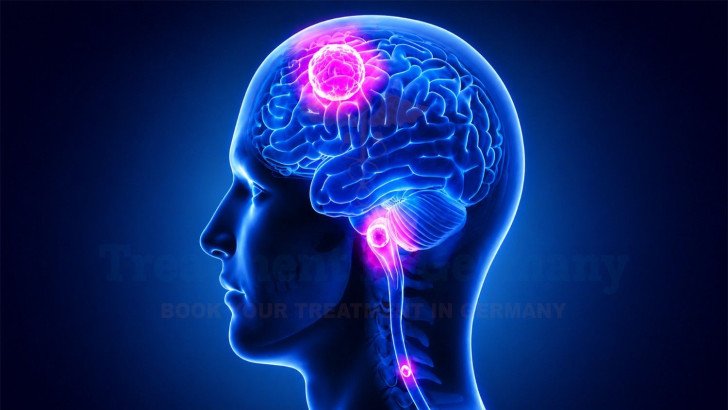
Astrocytoma treatment is becoming more personalized through advanced diagnostics and innovative therapies. Explore the latest treatment options available in Germany.
Brain Astrocytoma Treatment, Full Guide: All New Astrocytoma Treatment Options in Germany
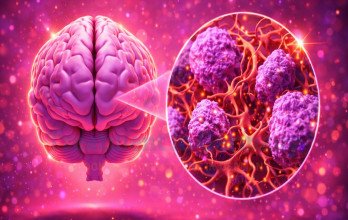
An astrocytoma diagnosis can be challenging for patients and families, prompting them to explore treatment options, prognosis, supportive care, and long-term management. These tumors range from slow-growing forms that can often be successfully treated to aggressive cancers that require a more intensive and specialized approach. Germany is recognized for its specialized neuro-oncology centers, advanced molecular diagnostics, and access to innovative treatment approaches for complex brain tumors.
Treatment planning is based on several factors including tumor type, CNS WHO grade, anatomical location, molecular profile (including biomarkers such as IDH mutation status when applicable), and extent of resection, patient age, neurological function, and overall health. Surgery, radiation therapy, and chemotherapy remain the foundation of treatment, while newer approaches such as dendritic cell immunotherapy are being explored for selected patients However, these therapies have not yet become standard treatment for astrocytoma. Because every astrocytoma behaves differently, treatment recommendations should always be individualized and based on expert evaluation.
Many patients consider treatment in Germany after receiving a complex diagnosis, experiencing tumor recurrence, or seeking a second opinion on their treatment options. TIG GmbH helps international patients access experienced astrocytoma specialists in Germany by coordinating medical record reviews, specialist consultations, treatment planning, and ongoing support throughout the treatment journey.
What Is an Astrocytoma?
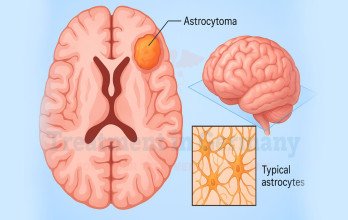
It is a tumor that develops from astrocytes, the star-shaped cells that support the brain's nerve cells which provide structural and metabolic support to neurons within the brain and spinal cord. An astrocytoma brain tumor can vary from relatively slow-growing to highly aggressive tumors, with prognosis and treatment determined by the CNS WHO grade together with their molecular characteristics. The term astrocytoma cancer is most accurate for higher-grade tumors, however, not all low-grade astrocytomas are benign. For example, pilocytic astrocytoma (CNS WHO grade 1) usually has a favorable prognosis, whereas diffuse astrocytomas, even at lower grades, are infiltrative tumors with malignant potential and may progress over time [4].

These tumors form a family rather than a single disease. The main types include:
- Pilocytic astrocytoma, a grade 1 tumor that is usually slow-growing and often curable by surgery, most common in children [4].
- Subependymal giant cell astrocytoma, a benign tumor linked to tuberous sclerosis.
- Diffuse astrocytoma, an infiltrating low-grade astrocytoma that can progress over time.
- Anaplastic astrocytoma,IDH-mutant, a grade 3 high-grade astrocytoma that grows more quickly.
- Grade 4 astrocytoma, the most aggressive form, now defined by specific molecular features [3].
Because the astrocytoma brain tumor can arise anywhere in the brain or spinal cord, symptoms and treatment vary with location as well as grade. Anaplastic astrocytoma and pilocytic astrocytoma treatment differ greatly, since one is an aggressive grade 3 cancer and the other an often-curable grade 1 tumor. A precise diagnosis, including molecular testing, comes before any treatment plan.
How Is Astrocytoma Graded?
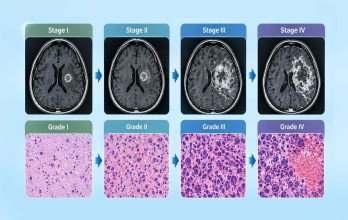
Astrocytoma grading runs from grade 1 to grade 4 and describes how aggressive the tumor looks and behaves based on their expected biological behavior, growth characteristics, and histologic features. The 2021 World Health Organization classification added molecular markers, especially the IDH mutation, to the traditional view under the microscope [2]. This is why an IDH-mutant astrocytoma is now diagnosed and graded differently than before.
The grades break down as follows:
- Grade 1 Astrocytoma, including pilocytic astrocytoma, slow-growing and often curable by surgery [4].
- Grade 2 Astrocytoma, a diffuse low-grade astrocytoma that infiltrates surrounding tissue and can progress.
- Grade 3 Astrocytoma, also called anaplastic astrocytoma, which grows faster and and typically requires multimodal treatment, including surgery and adjuvant therapy [1].
- Grade 4 astrocytoma, defined by features such as necrosis or specific genetic changes, the most aggressive form [3].

Today, doctors use both laboratory analysis and molecular testing to classify astrocytomas more accurately. This information helps predict tumor behavior and supports more individualized treatment decisions.
Astrocytoma vs Glioblastoma:Differences That Influence Treatment in Germany
Astrocytoma and glioblastoma are both brain tumors, but they are now classified as distinct diseases in the 2021 WHO Classification of Central Nervous System Tumors. Differences in their genetic characteristics influence treatment decisions, prognosis, and long-term management. The key difference is their molecular profile, particularly IDH mutation status. An IDH-mutant astrocytoma carries a mutation in the IDH gene, while glioblastoma is IDH-wildtype [2].
These differences also influence prognosis and long-term treatment planning. The question of astrocytoma vs GBM often comes down to survival, and IDH-mutant tumors generally have a more favorable prognosis and longer overall survival than IDH-wildtype glioblastoma, even at the same grade [10]. Glioblastoma has a five-year survival of roughly 5 to 10%, whereas IDH-mutant astrocytomas, including grade 4, tend to progress more slowly and respond better over time [9][3].An accurate diagnosis is essential because treatment recommendations and expected outcomes differ significantly between tumor types.

What Are the Symptoms of Astrocytoma?
Astrocytoma symptoms depend on the tumor's size, grade, and location in the brain. Slow-growing tumors may cause subtle changes over months, while faster-growing ones can produce symptoms quickly.
The most common signs include:
- Headaches, often worse in the morning or with straining.
- Seizures, sometimes the first sign in a previously healthy adult.
- Nausea or vomiting from raised pressure inside the skull.
- Weakness, numbness, or coordination problems.
- Changes in vision, speech, memory, or personality.
Because these symptoms can resemble many other neurological conditions, brain imaging is usually needed to identify the cause. MRI usually reveals the tumor, but the diagnosis is confirmed only by examining tissue from a biopsy or surgery, which also provides the molecular profile that guides treatment. The tissue is also analyzed using molecular testing, which plays a central role in classification, prognosis, and treatment planning [2]. Early evaluation by an experienced neuro-oncology team is important because treatment options depend heavily on the tumor's location, grade, and molecular profile.
In addition to examining tumor tissue under a microscope, specialists now perform molecular testing to better understand how the tumor may behave. These results help guide prognosis and treatment decisions[3]. This is why two patients whose scans look similar can receive very different diagnoses and treatment plans, and why review by experienced neuro-oncology teams is so valuable.
How Is Astrocytoma Diagnosed Before Treatment in Germany?
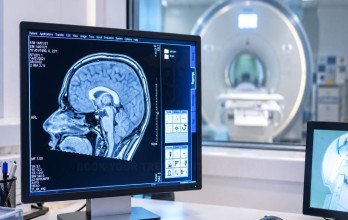
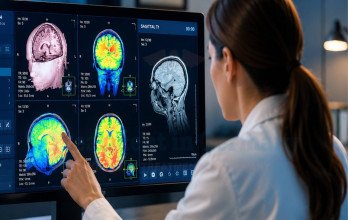
Astrocytoma is usually diagnosed using MRI scans, which help identify the tumor's size, location, and characteristics. However, imaging alone cannot confirm the exact tumor type. A biopsy or surgical tissue sample is needed for a definitive diagnosis. Specialists then perform microscopic examination and molecular testing, including IDH mutation analysis, to determine the tumor grade and guide treatment decisions according to the WHO 2021 classification [2].
What Is the Survival Rate After Astrocytoma Treatment?
The astrocytoma survival rate varies more than for almost any other brain tumor, because it depends on grade, molecular profile, age, and how completely the tumor can be removed. Survival outcomes vary considerably between patients, making factors such as tumor grade, molecular profile, and treatment response especially important.
In general, lower-grade astrocytomas are associated with longer survival than higher-grade tumors. The expected outlook differs considerably between , which is why accurate diagnosis and molecular testing are so important. In one study using the current classification, median overall survival was about 75.9 months for grade 2, 53.6 months for grade 3, and 26.4 months for grade 4 IDH-mutant astrocytoma [2]. The chart below shows this pattern.

Similar findings have been reported in other studies, with lower-grade tumors generally associated with longer survival than higher-grade disease. For grade 2 and grade 3 tumors, progression-free survival reached about 67 and 53 months respectively in one series, with grade 3 overall survival around 216 months in IDH-mutant cases [1]. The grade 3 astrocytoma survival rate and life expectancy are therefore considerably better than for grade 4, though still serious. For pilocytic astrocytoma, the outlook is excellent, with five-year survival around 85% in adults and even higher in children after complete removal [4].
Outcomes are generally less favorable for higher-grade tumors. The grade 4 astrocytoma survival rate and life expectancy remain the most guarded, with median survival of approximately 26 months reported in recent studies, although outcomes are generally better than those seen in IDH-wildtype glioblastoma [3]. The grade 2 astrocytoma prognosis is the most favorable among diffuse tumors, while the grade 3 astrocytoma prognosis sits between the two. These numbers describe groups, not individuals, and molecular profile can shift them substantially [10].
Standard Astrocytoma Treatment Options Available in Germany
Established therapies form the foundation of astrocytoma treatment, and nearly every patient begins here. A neuro-oncology team plans the sequence based on grade, location, molecular profile, and the patient's overall health. The main approaches are surgery, radiation, and drug therapy.
Surgery for Astrocytoma
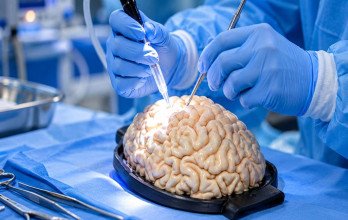
Surgery is the first and often most important step. The goal of astrocytoma surgery in Germany is maximal safe resection, removing as much tumor as possible without harming critical brain functions [10].For a pilocytic astrocytoma, complete removal can often be curative, and long-term survival outcomes are generally excellent after successful surgery [4]. Surgery not only removes as much tumor as possible but also provides tissue samples that help specialists confirm the diagnosis and plan further treatment.
Radiation and Chemotherapy for Astrocytoma
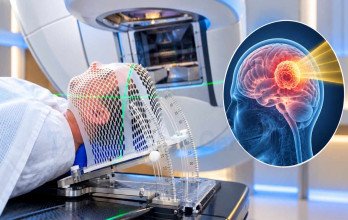
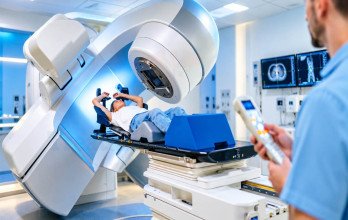
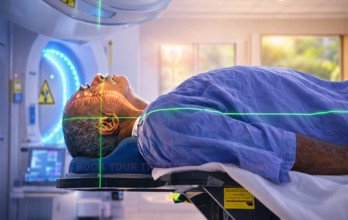
After surgery, higher-grade tumors usually need further treatment. Radiation therapy targets the tumor bed, and chemotherapy such as temozolomide or the PCV regimen is added depending on grade and molecular markers [10]. For high-risk lower-grade tumors, combined radiation and chemotherapy remain important components of treatment and have been associated with improved long-term outcomes in clinical studies [6].The plan is tailored to whether the tumor is grade 2, grade 3, or grade 4.
IDH-Targeted Therapy for IDH-Mutant Astrocytoma Available in Germany
A major advance for IDH-mutant tumors is the drug vorasidenib, an oral IDH inhibitor. In the phase 3 INDIGO trial, it extended progression-free survival to 27.7 months compared with 11.1 months on placebo in grade 2 IDH-mutant glioma, delaying the need for radiation or chemotherapy [6]. It received approval in 2024 for grade 2 IDH-mutant astrocytoma and oligodendroglioma after surgery [5]. The development of IDH inhibitors represents an important step toward more individualized treatment for selected astrocytoma patients.
TIG GmbH can arrange access to surgery, radiation, chemotherapy, and IDH-targeted therapy at experienced German neuro-oncology centers, coordinated through a multidisciplinary team.
Dendritic Cell Immunotherapy for Astrocytoma in Germany
For patients with high-grade or recurrent disease, German centers offer access to immune-based approaches. Brain tumor immunotherapy in Germany aims to help the immune system recognize and attack tumor cells, and it is added to standard care rather than replacing it. Dendritic cell therapy is the most studied of these options in astrocytoma, and immunotherapy research now spans both adult and pediatric brain tumors [8].
How Does Dendritic Cell Therapy Support Astrocytoma Treatment in Germany?
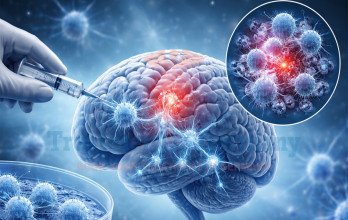
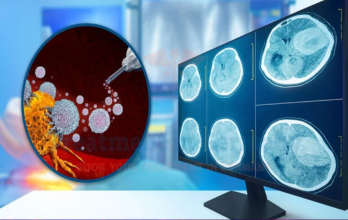
Dendritic cells are the immune system's messengers, presenting tumor targets to the T-cells that carry out an attack. Dendritic cell therapy uses a patient's own immune cells, prepares them in a laboratory with tumor antigens, and returns them to the body to direct a focused response [7]. The cells are collected from a simple blood sample, matured in the laboratory, then given back as an injection, so the procedure avoids further surgery and is gentle for most patients. Because the vaccine is built from the patient's own cells, it is a clear example of personalized treatment.
Clinical Evidence for Dendritic Cell Therapy in Astrocytoma
Researchers continue to evaluate dendritic cell therapy in patients with high-grade brain tumors, and early studies have reported encouraging results. In a phase II trial of high-grade gliomas, adding an allogenic dendritic cell vaccine to standard care was associated with longer survival. In the study, grade 4 astrocytoma patients who received the dendritic cell vaccine achieved a mean overall survival of approximately 59.5 months, compared with 19.8 months in the database control group. These findings are encouraging but require confirmation in larger randomized trials [7]. The survival outcomes reported in this study are summarized below.

While early results are encouraging, larger studies are still needed to confirm the long-term benefit of this approach. The trial used a comparison group from a database rather than a randomized placebo arm, which means the findings must be interpreted with caution [7]. Other immunotherapy research in brain tumors, including peptide vaccines in children, has shown the immune system can respond, though benefit varies [8]. Astrocytoma immunotherapy in Germany is therefore offered as part of a wider plan, with honest discussion of its investigational nature.
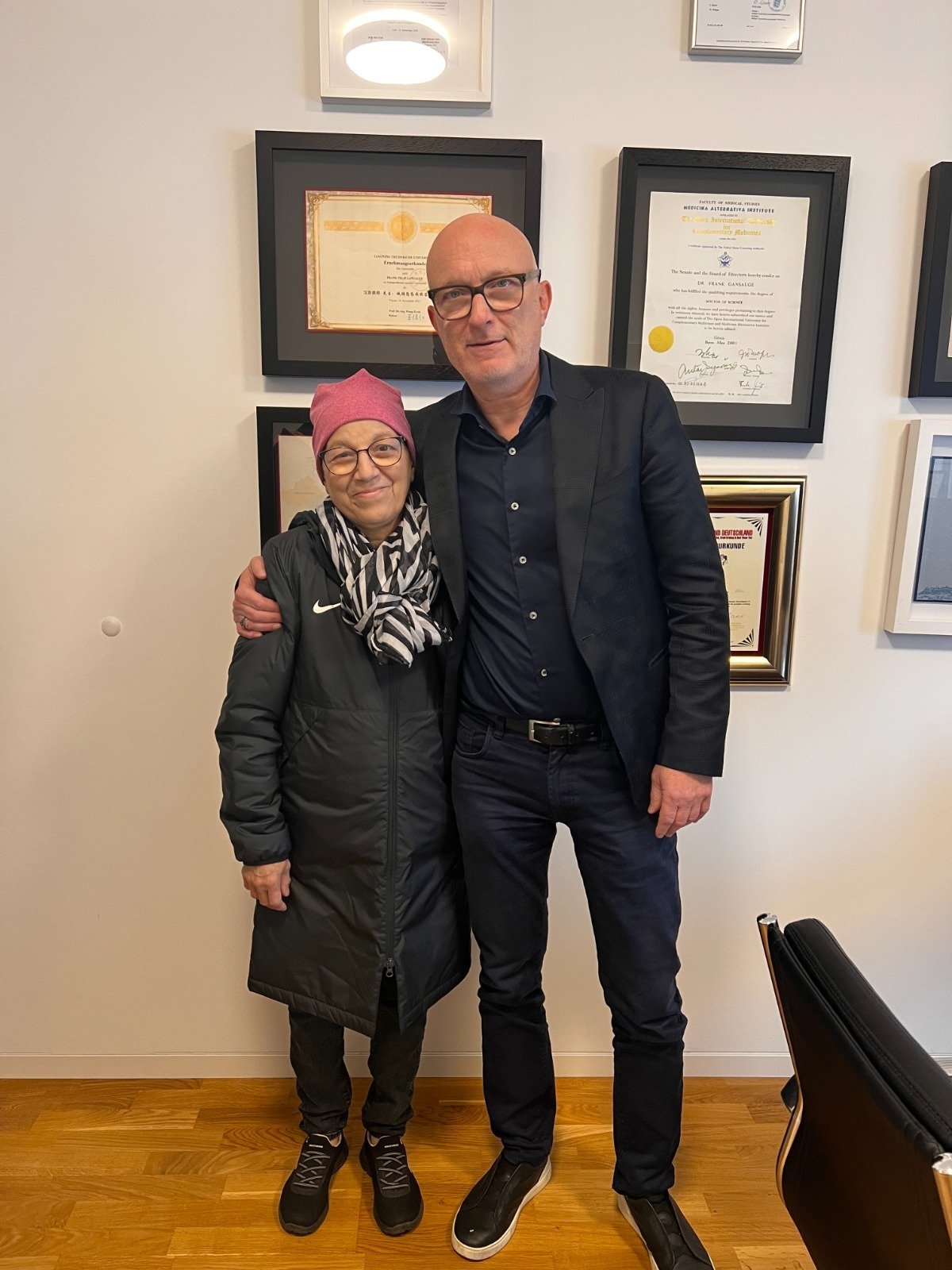
In Germany, dendritic cell therapy is delivered by Prof. Gansauge at LDG Laboratories, using the patient's own cells prepared in a specialized facility. It is generally well tolerated, given as a series of scheduled injections, and planned alongside standard care. For grade 4 astrocytoma treatment, it is added to surgery, radiation, and chemotherapy rather than used alone.

Before traveling, patients can submit pathology reports, imaging studies, and treatment records for specialist review. TIG GmbH (Treatment in Germany) coordinates consultations with the treating professor and helps determine whether dendritic cell therapy may be appropriate as part of an individualized treatment plan.
How Much Does Astrocytoma Treatment Cost in Germany?
Pricing depends on the therapy, the number of cycles, and the overall plan. Treatment costs vary depending on the procedures, medications, and length of therapy involved in the treatment plan. A detailed cost estimate is typically provided before treatment begins.

The cost of dendritic cell therapy in Germany is approximately €27,000 for total course, delivered by Prof. Gansauge at LDG Laboratories. The wider brain tumor treatment cost for surgery, radiation, chemotherapy, and targeted drugs depends on the plan and number of cycles, and a clear estimate should always precede any commitment to travel.
Because treatment plans vary considerably between patients, a personalized cost estimate is usually prepared after review of medical records, imaging, and pathology findings. TIG GmbH helps patients obtain a detailed treatment and cost plan before making travel arrangements.
Leading Astrocytoma Hospitals and Neuro-Oncology Centers in Germany
Germany is home to several internationally respected neuro-oncology centers that provide advanced diagnosis, surgery, radiation therapy, and access to innovative treatments for patients with astrocytoma and other brain tumors. These centers are staffed by experienced brain tumor specialists in Germany and offer comprehensive, multidisciplinary care.

After reviewing the patient's diagnosis, imaging, and molecular profile, TIG GmbH helps identify the most appropriate specialist or treatment center based on the individual's clinical needs and treatment goals.
Why Choose Germany for Astrocytoma Treatment?
Germany is one of Europe's leading destinations for complex brain tumor treatment, offering access to specialized neuro-oncology centers, advanced molecular diagnostics, and multidisciplinary treatment teams. Patients benefit from coordinated care that brings together neurosurgeons, neuro-oncologists, radiation oncologists, neuroradiologists, and rehabilitation specialists to develop individualized treatment plans. In addition to established therapies, eligible patients may also have access to clinical trials, targeted treatments, and innovative immunotherapy approaches that are not widely available in many countries:
- Advanced molecular diagnostics that help guide personalized treatment decisions.
- Experienced multidisciplinary neuro-oncology teams with expertise in complex brain tumors.
- Access to specialized university hospitals and dedicated brain tumor centers.
- Availability of clinical trials and emerging treatment approaches for selected patients.
- Comprehensive treatment planning that integrates surgery, radiation therapy, drug therapy, and supportive care.
- Dedicated support services for international patients, including treatment coordination, interpretation, and travel assistance.
For families arranging astrocytoma treatment in Germany for international patients, TIG GmbH (Treatment in Germany) manages pathology review, specialist matching, visa support, travel, and interpreter services, so patients can focus on treatment and recovery.
What Are the Limitations of Astrocytoma Treatment?
It is important to understand both the potential benefits and the limitations of any treatment approach before making decisions. The options described here carry real constraints:
- High-grade and recurrent astrocytoma treatment in Germany often controls the disease rather than curing it [3].
- Dendritic cell therapy showed encouraging survival in a small phase II trial, but its database-control design needs confirmation in randomized studies [7].
- Benefit varies between patients, and molecular factors such as IDH status strongly influence outcomes [10].
- IDH inhibitors are approved mainly for grade 2 disease, and their role in higher grades is still being studied [5].
- Any promise of a guaranteed cure is a warning sign, and an independent specialist opinion helps set honest expectations.
Within these limits, the strongest results come from maximal safe surgery, molecularly guided standard care, and carefully selected innovative therapy for high-grade astrocytoma treatment in Germany at an experienced center [2].
How Can International Patients Arrange Astrocytoma Treatment in Germany?
TIG GmbH (Treatment in Germany)provides comprehensive support for patients traveling to Germany for treatment, including:
- Review of medical reports, pathology, and imaging.
- Specialist selection based on tumor type and molecular profile.
- Coordination of appointments and treatment planning.
- Visa support and travel assistance.
- Medical interpretation and documentation support.
- Follow-up coordination after treatment.
References
Why Patients Worldwide Prefer Our Medical Services in Germany – Key Benefits Explained
















.webp)
 (1).webp)
.webp)
.jpg)
 (1).webp)
.jpg)