

Stage 4 brain cancer patients can now access dendritic cell therapy in Germany, offering effective and innovative treatment options for international patients.
Brain Cancer Symptoms and Treatment in Germany
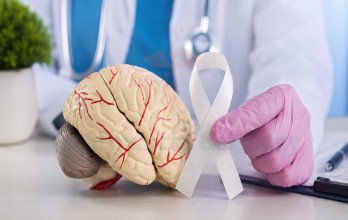
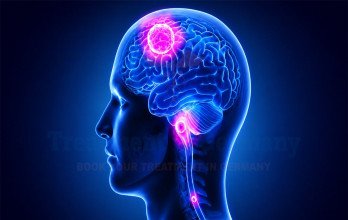
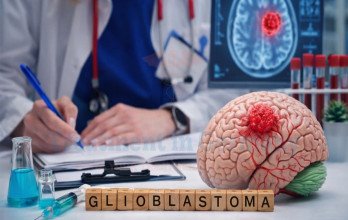
Brain cancer is a serious pathology in which abnormal cells grow within the brain, often forming an aggressive brain tumor that can interfere with vital functions such as memory, coordination, speech, and vision. Understanding brain cancer symptoms and treatment is essential, as early recognition of warning signs allows patients to seek timely medical care and begin appropriate therapy. Conditions such as WHO grade 4 brain tumors, including IDH-wildtype glioblastoma, are known for their rapid progression and require immediate, well-structured treatment planning. Identifying early changes such as headaches, seizures, or cognitive disturbances supports early detection of brain cancer and helps patients access effective care options at the right time.
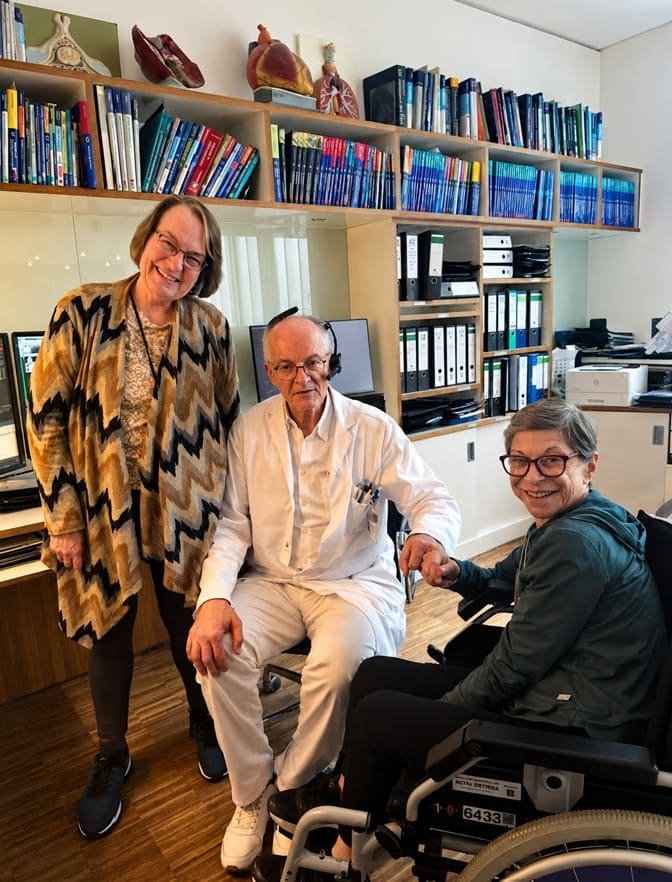
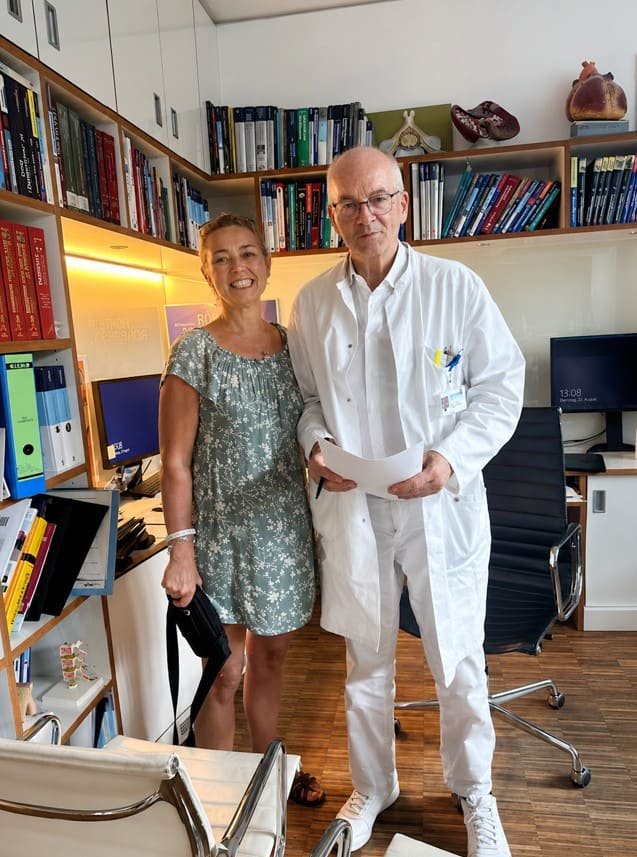
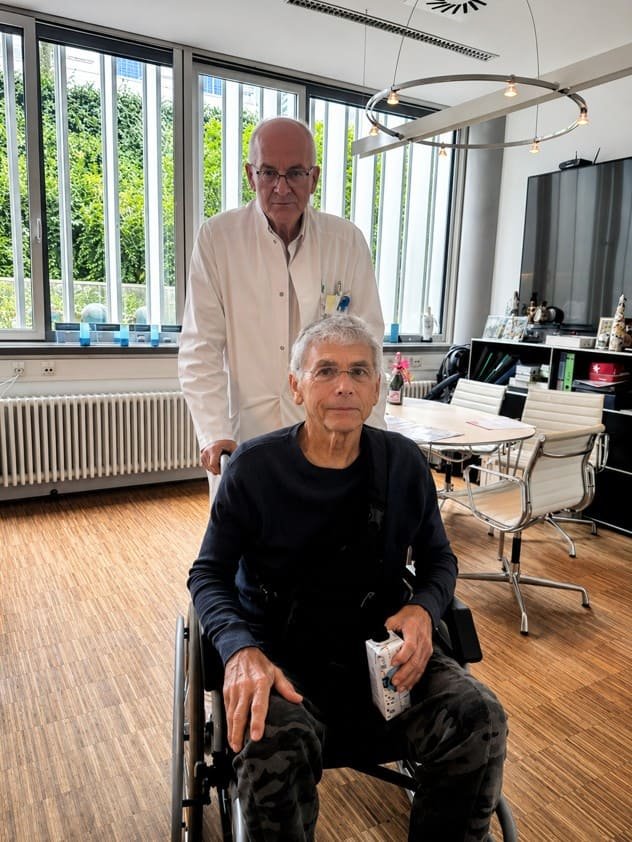
Germany is widely recognized and accredited for offering latest brain cancer treatments in 2026, supported by advanced infrastructure and highly specialized brain tumor treatment clinics in Germany. Patients receive care in leading German cancer clinics, where multidisciplinary teams including cancer specialists and an experienced neuro-surgeon work together to design personalized treatment strategies. Experts such as Prof. Gansauge, known for his expertise in dendritic cell based therapies, play an important role in developing and applying innovative brain cancer therapies in Germany where adequate recommendations for lifestyle adjustments, supportive care measures, and scheduling of follow-up are also provided. His re-known and award-winning work in the field of cancer immunotherapy supports the use of advanced, immune-based treatment approaches that are tailored to individual patient needs and integrated into modern clinical care.
Common Signs and Early Symptoms of Brain Cancer
The symptoms of brain cancer vary depending on tumor size and location and stage of the tumor, but recognizing them early is essential for effective treatment. Common brain cancer symptoms include persistent headaches, seizures, nausea, vision disturbances, and difficulty with coordination or balance. Patients may also experience cognitive changes such as memory loss, confusion, or personality shifts, especially in cases involving high grade astrocytoma or other aggressive tumors also more Seizures are prevalent, occurring in 50–90% of patients with low-grade astrocytoma and 20–50% of patients with glioblastoma Resources verify that 80–90% of patients eventually experience cognitive or memory problems, and 40% report urinary incontinence, highlighting that while symptoms exist, they often only become apparent upon tumor progression.

These symptoms can develop gradually and may initially be mild, which is why awareness is important for brain cancer screening and early medical consultation. Identifying warning signs early enables patients to access proper diagnosis and begin appropriate brain cancer treatment options before the disease progresses and/or metastasizes. Data regarding brain tumor diagnosis in Germany and similar western healthcare systems confirm that, symptoms are often subtle in early stages, with 51% of signs present at the initial clinical presentation and 49% developing in the time leading up to diagnosis.
How Brain Cancer Develops and Progresses ?

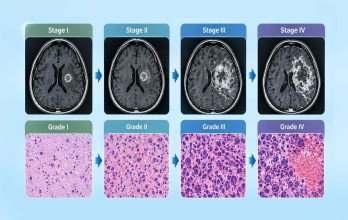
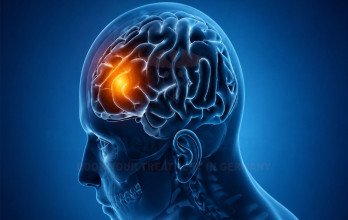
Brain cancer develops when abnormal cells begin to multiply uncontrollably within brain tissue, eventually forming tumors that interfere with normal brain function. In aggressive forms such as glioblastoma, tumor growth can be rapid, requiring immediate and comprehensive treatment strategies.
As the tumor progresses, it can affect surrounding brain structures, leading to worsening neurological symptoms and functional impairment. Understanding how tumors grow helps treating doctors determine the most effective treatment, ensuring timely and personalized intervention
Types of Brain Cancer and Tumor Behavior
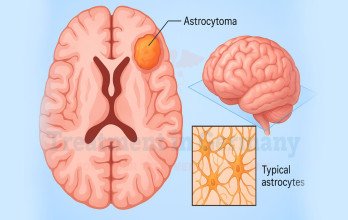
There are several types of brain tumors, ranging from slow-growing benign tumors to highly malignant cancers. Among the most severe are high grade astrocytoma and glioblastoma, which require advanced and multi-modal treatment approaches.
Each tumor type behaves differently, influencing treatment decisions and prognosis. Germany offers access to innovative treatment options for WHO grade 4 brain cancer, ensuring that patients receive therapies tailored to their specific tumor characteristics.
Causes and Risk Factors of Brain Cancer
The exact causes of brain cancer are not always clearly understood, but certain genetic and environmental factors may increase risk. Exposure to radiation, inherited genetic conditions, and age-related factors are commonly associated with tumor development.
While not all cases can be prevented, understanding risk factors supports early monitoring and early screening, helping patients seek timely medical attention when symptoms appear.
Brain Cancer Diagnosis in Germany
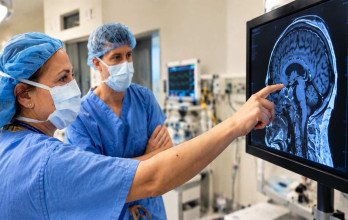
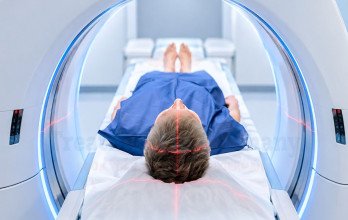
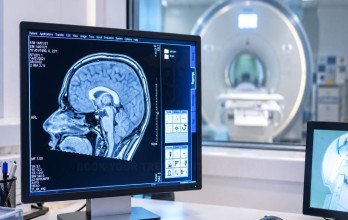
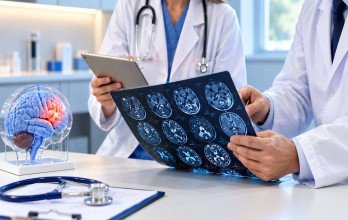
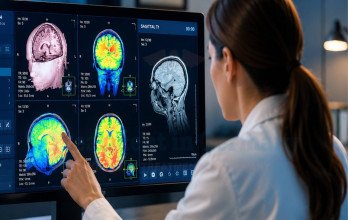
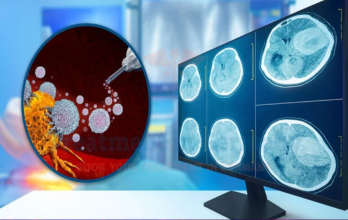
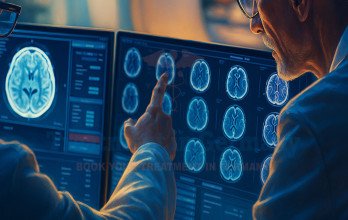
Accurate brain cancer diagnosis involves a combination of advanced imaging and clinical evaluation. Techniques such as MRI and CT scans are used to identify tumor size, location, and spread, while a detailed neurological evaluation assesses functional impact.
Further confirmation is achieved through procedures like brain biopsy and laboratory tests including blood work, ensuring precise diagnosis. This structured diagnostic approach enables doctors to plan effective treatment in Germany based on individual patient needs.
Treatment Options for Brain Cancer in Germany
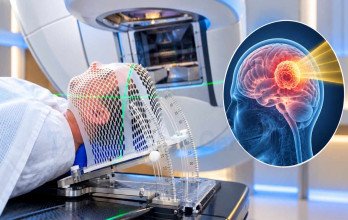
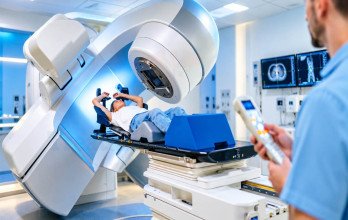
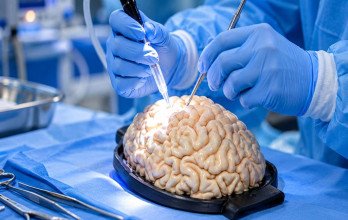
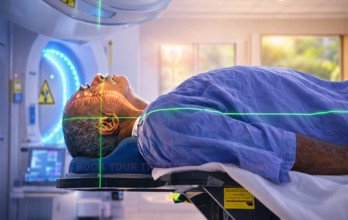
Standard brain cancer treatment options include surgery, radiation therapy, and chemotherapy, often used in combination. Surgical procedures performed by an experienced neuro-surgeon aim to remove as much of the tumor as possible while preserving neurological function.
These treatments form the foundation of brain cancer treatment in Germany, but due to the complexity of aggressive tumors, additional therapies are often required to improve long-term outcomes.
Advanced Brain Cancer Therapies in Germany
Germany offers access to innovative cancer therapies, including advanced approaches such as immunotherapy for brain cancer. These therapies focus on enhancing the body’s immune response to target cancer cells more effectively.
Patients benefit from innovative treatment options for brain tumors, particularly in specialized clinics, where personalized treatment plans are developed to improve disease control and quality of life.
Dendritic Cell Therapy for Brain Cancer Treatment
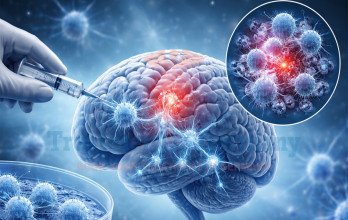
Dendritic cell immunotherapy for brain cancer is an advanced and personalized form of cancer immunotherapy in Germany designed to help the body’s immune system recognize and fight cancer cells more effectively. This approach is particularly important in complex cases where traditional treatments may need additional support. The therapy begins with the collection of immune cells (monocytes) from the patient’s blood through a controlled and safe procedure, ensuring that the treatment is fully tailored to the individual’s condition.
These collected cells are then processed in an EU-GMP certified laboratory, where they are transformed into a personalized dendritic cell vaccine. During this stage, the cells are trained to identify tumor-specific markers, allowing them to guide the immune system toward targeting cancer cells more precisely. This step is essential in developing a therapy that is both personalized and aligned with the patient’s tumor biology.
Once prepared, the activated cells are reintroduced into the patient’s body through scheduled injections. These dendritic cells stimulate the immune system to recognize and attack cancer cells, forming a targeted immune response that supports disease control. This process plays a central role in dendritic cell therapy for brain cancer Germany, offering a modern treatment option that can be integrated with other therapies. The cost of brain cancer treatment with dendritic cell therapy in Germanyis approximately €27,000, reflecting the specialized laboratory work and personalized nature of the treatment.

Treatment Approaches for Advanced Brain Cancer
For advanced or metastatic cases, treating doctors may recommend multimodal treatment for metastatic brain cancer, including targeted therapies and immunotherapy-based approaches. These treatments aim to control tumor growth and improve quality of lifecombining surgery, radiation, and chemotherapy to manage, shrink, or slow the tumor growth.
Such strategies are often part of innovative brain cancer treatment options, where multiple therapies are combined to achieve better outcomes.
Survival and Prognosis of Brain Cancer
The question ‘Is there a cure for brain cancer?’ depends on tumor type, stage, and individual response to treatment. While some early-stage tumors may be treated effectively, aggressive cancers often require long-term management.
With access to advanced therapies and structured care, patients undergoing cancer treatment in Germany may experience improved outcomes and better quality of life and patients can explore their treatment options such as immunotherapy for glioblastoma in Germany, including monoclonal antibodies, CAR T vaccines and dendritic cell therapy.
New Clinical Trials for Brain Cancer in Germany
Germany offers access to new clinical trials for brain cancer, focusing on innovative therapies and treatment combinations. These trials aim to improve outcomes for patients with complex brain tumors. Patients can participate under strict medical supervision, gaining access to emerging treatments while ensuring safety and quality care.
Re-known and accredited surgeons as well as oncologists work particularly on glioblastoma, focusing on personalized immunotherapy, dendritic cell vaccines, and targeted therapies to overcome the blood-brain barrier with a number of leading institutions aiming to improve prognosis by targeting the unique characteristics of brain tumors, with many clinics offering integrated, personalized care for patients seeking advanced treatments.

Limitations and Considerations of Brain Cancer Treatment
Treatment suitability in brain cancer depends on several important factors, including tumor type, stage, location within the brain, and the patient’s overall health condition. Because brain tumors vary significantly in behavior and progression, not all therapies are appropriate for every individual. A detailed medical evaluation, including imaging and clinical assessment, is necessary to determine the most effective and safe treatment approach tailored to each patient’s condition.
In many cases, brain cancer treatment involves a combination of therapies rather than a single solution, particularly for aggressive or advanced tumors. It is important for patients to understand that treatment goals often focus on controlling disease progression, managing symptoms, and maintaining quality of life in direct relation to the presentation of the patient with stage and type of tumor.. Setting realistic expectations allows patients and their families to make informed decisions while working closely with medical teams to choose the most suitable treatment pathway.
Brain Cancer Treatment in Germany through TIG (Treatment in Germany)
Germany offers a well-structured and patient-focused pathway for brain cancer treatment, ensuring access to specialized care in leading oncology centers. Through Treatment in Germany (TIG) at www.treatmentingermany.de, patients receive coordinated support from the initial consultation to diagnosis and treatment planning. Medical cases are carefully reviewed by specialists, allowing personalized treatment strategies based on accurate diagnostics and clinical evaluation.
International patients benefit from services such as appointment scheduling, medical documentation review and complete logistical arrangements. This organized approach helps reduce logistical challenges and ensures timely access to advanced care in German cancer clinics. As a result, patients can focus on their treatment and recovery within a structured, supportive, and well-managed healthcare environment.
International patients can also request a free consultation through Treatment in Germany (TIG) to receive initial medical guidance and understand suitable treatment options before planning their visit. This step helps patients make informed decisions and prepares them for a smooth and well-coordinated treatment experience in Germany.
TIG (Treatment in Germany) provides end-to-end support, from coordination and complete logistic arrangements including consultations to managing travel, accommodations, follow-up care, and assistance with medical visa for international patients (if required), ensuring a smooth process.
🌍Why Patients Worldwide Prefer Our Medical Services in Germany – Key Benefits Explained:









.webp)
 (1).webp)
.webp)
.jpg)
 (1).webp)
.jpg)