

Brain tumor symptoms can range from headaches, seizures and vision or speech changes to weakness, balance problems, and changes in memory, thinking or behavior. Symptoms may develop gradually or appear suddenly and can sometimes resemble stress, fatigue or other common conditions. Their pattern often depends on the tumor’s location and effect on nearby brain tissue, while certain warning signs require prompt medical or emergency assessment.
Brain Tumor Symptoms: Early Signs and Warning Symptoms
Brain tumor symptoms vary according to its location, size, growth characteristics, and the brain structures or functions it affects. Some symptoms, such as a seizure, can appear suddenly, while others develop gradually and may initially be mistaken for stress, tiredness or another common problem. New or worsening neurological symptoms that do not go away should be medically assessed particularly when they represent a clear change from a person’s usual function.
Common Signs and Symptoms of a Brain Tumor
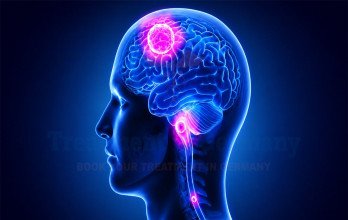
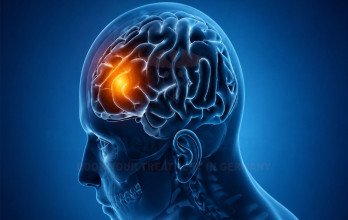
Symptoms may develop because a tumor increases pressure inside the skull, causes swelling, blocks the flow of cerebrospinal fluid or affects a specific area of the brain.
Symptoms that can occur with a brain tumor include:
- Headaches that are new or different from your usual headaches and that are becoming more frequent or are getting worse, especially if you have vomiting, drowsiness, seizures, changes in vision or other neurological symptoms.
- Seizures, which may range from a full-body convulsion to brief staring episodes, twitching of one hand, unusual smells or sensations, or short periods of reduced awareness.
- Unexplained nausea or vomiting, particularly when it occurs with headache, drowsiness visual symptoms, balance problems, or other neurological changes.
- Vision changes, such as blurred or double vision or loss of part of the visual field.
- Speech getting slurred, or difficulty finding words, producing language, or understanding spoken language.
- Weakness or numbness, often just on one side, face, arm, or leg.
- New problems with balance or coordination, including unexplained clumsiness, dizziness or an unsteady walk.
- Memory slips, trouble focusing, confusion that ranges from mild fog to real disorientation.
- Changes in personality or behavior, such as unusual irritability, loss of motivation, poor judgment or behaving in ways that seem out of character.
None of these symptoms by itself, establishes that a person has a brain tumor. Headaches, dizziness and memory problems are common and are much more often caused by conditions such as migraine, poor sleep, stress or medication side effects. A brain tumor is only one of many possible causes, and brain tumors themselves can be either noncancerous or cancerous; even a benign tumor can cause significant problems depending on its location, size, and effects on surrounding structures.
Early Symptoms and First Signs
Early symptoms may be subtle and easy to mistake for everyday problems. A person may start losing track of conversations or routine tasks, bump into objects on one side, notice unusual clumsiness in one hand, or experience brief episodes of déjà vu, unusual smells or short lapses in awareness that may represent focal seizures. Slow-growing tumors may cause these changes gradually, while seizures can appear suddenly. Family members or coworkers may sometimes notice gradual changes in cognition, behavior, personality, or functioning before the affected person recognizes them.
Some slow-growing tumors can cause few or no obvious symptoms. For example, a Swedish study of 792 adults aged 70 found incidental meningiomas in 1.8% of participants. Headache, dizziness and previous seizures were not significantly associated with having an incidental meningioma [1].
There is no single first symptom or fixed early warning checklist. In a Finnish multicenter study of adults with diffuse glioma, seizures were the most common primary symptom, occurring in about 28% to 31% of patients across the study cohorts.The more useful question is whether a new change is persistent or progressively worsening especially first seizure or new focal neurological deficit warrants medical assessment even if the symptom subsequently resolves [2].
Neurological, Cognitive and Behavioral Symptoms of Brain Cancer

Beyond headaches and seizures, brain tumor symptoms can affect movement, sensation, thinking and behavior. These changes may be overlooked or attributed to stress, ageing or fatigue.
Neurological Symptoms
Neurological symptoms can affect movement, sensation, vision and speech. Weakness may first appear as a dragging leg, weaker grip or difficulty with tasks such as writing or fastening buttons. Some people develop one-sided numbness, unsteady walking, double vision, loss of part of the visual field or difficulty speaking or finding words.
Cognitive and Behavioral Symptoms
Changes in thinking or behavior can develop slowly and may initially look like stress, depression or normal ageing. Someone might become more forgetful, struggle to concentrate or organize everyday tasks, think more slowly, become confused, or show noticeable changes in motivation, mood or personality.
These changes can be present before any treatment, and patients do not always notice them. In a study of 96 treatment-naive patients with glioma, 61.5% showed impairment on at least one objective cognitive test. Interestingly, patients' own reports of cognitive problems did not consistently match their test results [3].

Proportion of 96 untreated glioma patients with impaired scores on formal cognitive testing, overall and in the most affected areas [3].
Family members or coworkers may sometimes notice these changes before the person does, especially when behavior or everyday functioning has clearly changed.
How Brain Tumor Symptoms Vary by Location
Where a tumor develops can influence the symptoms it causes, although brain functions often involve several connected regions. In a study of 44 people with newly diagnosed glioblastoma, 25% scored within the lowest 5% on overall cognitive testing before surgery. Larger tumors and tumors in the left hemisphere were associated with poorer attention, memory and language [4].
Frontal, Temporal and Parietal Regions
These regions govern personality, memory, language, movement and sensation.

Symptoms may overlap because tumors can affect more than one brain region or nearby pathways.
Language functions are mainly controlled by the left hemisphere in most people, so left-sided tumors are more likely to affect speaking or understanding language. Right-sided tumors may be more likely to affect spatial awareness and related skills. Frontal tumors may grow for some time before causing obvious neurological deficits, with personality, judgment or behavioral changes sometimes appearing early.
Occipital Region, Cerebellum and Brainstem
Tumors in the back or lower parts of the brain may affect vision, balance, facial movement, eye movement or swallowing.

Typical patterns linked to the posterior and deep regions of the brain.
Tumors in or near the cerebellum can affect balance and coordination and may also obstruct cerebrospinal fluid flow, causing headache, nausea or vomiting. Tumors near the skull base or cranial nerves can cause hearing loss, facial symptoms or swallowing problems, while tumors near the optic pathways or pituitary region can affect vision.
Changes in Brain Tumor Symptoms Over Time
Brain tumor symptoms can develop gradually or appear suddenly. Common patterns include:
- Gradual onset, with a symptom that is mild at first and becomes more frequent or intense.
- Progressive neurological change, such as weakness that gradually becomes more noticeable or affects a larger part of an arm or leg and problems with coordination that become increasingly noticeable or interfere with daily activities.
- Intermittent or fluctuating symptoms, including seizures, headaches or confusion that come and go.
- New symptoms appearing later, sometimes affecting a different function.
- Symptoms that temporarily improve or fluctuate rather than worsening continuously.
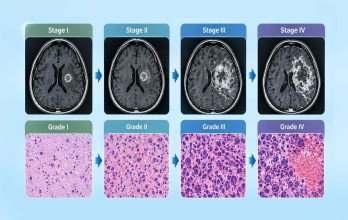
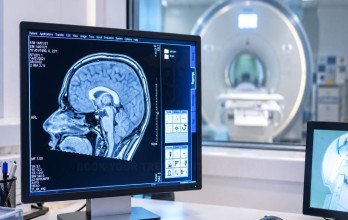
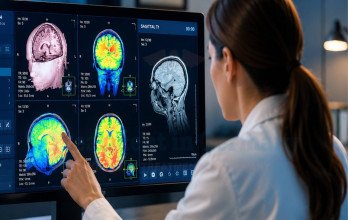
Symptoms can fluctuate, so temporary improvement does not necessarily mean the underlying problem has resolved particularly when neurological symptoms recur or progressively change. Symptoms alone also cannot determine whether a tumor is present or identify its type or grade and diagnosis generally requires appropriate clinical assessment and, when indicated, brain imaging and tissue-based testing.
When New Brain Tumor Symptoms Need Medical Evaluation

Most headaches, memory problems and other neurological symptoms have causes other than a brain tumor. New, persistent, worsening or unusual symptoms should be assessed to determine the cause.
Symptoms that should be assessed by a doctor include:
- New weakness, numbness or unexplained clumsiness affecting the face, an arm, a leg, or one side of the body.
- New difficulty speaking, understanding speech or new changes in vision.
- Significant problems with balance, coordination, walking, or other motor function.
- Persistent or changing headaches, particularly with vomiting, drowsiness or other neurological symptoms.
- Noticeable changes in memory, thinking, personality or behavior, especially when others have commented on them.
- Several unexplained neurological symptoms occurring together.
- Symptoms that progressively worsen or interfere with work, driving or daily life.
Some symptoms require emergency care rather than a routine appointment. These include a first seizure; a seizure lasting more than five minutes; repeated seizures without full recovery between them; sudden weakness, facial drooping or loss of speech; a sudden, extremely severe headache; or rapidly worsening drowsiness or confusion.
If you have already received a brain tumor diagnosis and are considering treatment in Germany, TIG GmbH (Treatment in Germany) can arrange a specialist review of your medical reports and scans, connect you with suitable German neuro-oncology centers, and help coordinate the next steps.
Reference
Why Patients Worldwide Prefer Our Medical Services in Germany – Key Benefits Explained

























.webp)
 (1).webp)

.webp)


.jpg)

 (1).webp)

.jpg)