

Recurrent brain cancer treatment in Germany begins with confirming whether new symptoms or imaging changes represent true recurrence or treatment-related effects. Specialists reassess the tumor, previous surgery, radiation, systemic therapy and relevant molecular findings before planning further care. Depending on the individual case, options may include repeat surgery, re-irradiation, systemic or molecularly guided treatment, with ongoing monitoring and specialist review.
Treatment for Recurrent Brain Cancer in Germany: Next Steps
When a brain tumor is suspected to have returned or progressed, specialists first confirm what the new findings represent before planning further treatment. This usually involves reviewing current and previous imaging, the original diagnosis, earlier treatment and the patient’s neurological and general condition. For patients considering recurrent brain cancer treatment in Germany, this reassessment helps identify which treatment options may still be appropriate and whether further tests or specialist review are needed.
Recurrence and Progression After Brain Cancer Treatment
The terms recurrence and progression are related but are not always used in exactly the same way in clinical practice and research. Recurrence generally describes tumor that returns after a period of control, while progression describes measurable or clinically significant tumor growth or worsening over time according to clinical and/or radiographic criteria. In practice, terminology may vary according to the tumor type treatment setting, and clinical or research context.
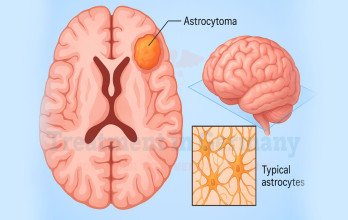
In diffuse gliomas such as glioblastoma, tumor cells can extend beyond the area visible on MRI or removed during surgery. For this reason, recurrence often develops near the original tumor site, although disease can also appear elsewhere in the brain or central nervous system [1].
Suspected recurrence is usually identified through one or more of the following:
- New or worsening neurological symptoms, such as seizures, weakness, or speech difficulties.
- A new or enlarging area on follow-up imaging, either near the treated site or elsewhere in the brain.
- A gradual decline in daily function that cannot be explained by other causes, particularly when accompanied by clinical or imaging findings.
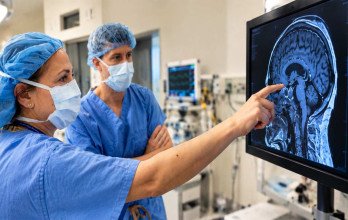
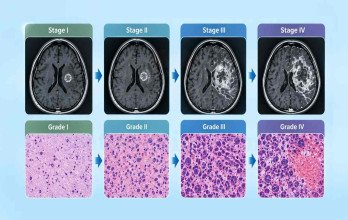
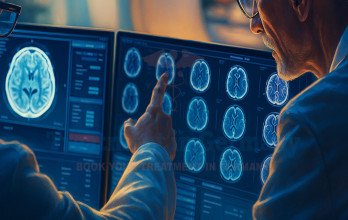
A new or enlarging abnormality on MRI does not always confirm tumor progression. Radiation and chemotherapy can produce treatment-related changes that resemble tumor growth, particularly during the months after treatment. Specialists therefore interpret MRI findings together with their timing, previous scans and the patient’s clinical condition before changing treatment [2].
Reassessing Recurrent Brain Cancer Before Treatment
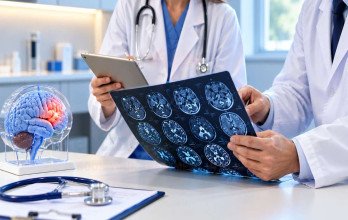
Before choosing a new treatment plan, specialists review the patient's current condition, previous treatments, and disease history. The latest imaging is compared with earlier findings.
The assessment usually includes:
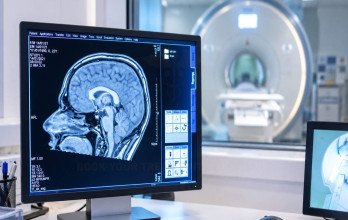
- Comparison of the latest imaging with previous scans to assess the location, extent, enhancement characteristics, and pattern of new or enlarging abnormalities.
- Review of the original pathology, confirmed tumor type, and molecular findings that may influence treatment options.
- Assessment of previous surgery, including how much of the tumor was removed.
- Review of previous radiation and systemic treatments, including radiation doses, treated areas, and the tumor's response to treatment.
- Evaluation of the time since previous treatment, as this may influence the safety and feasibility of repeat surgery or radiation therapy.
- Assessment of current neurological symptoms, daily function, and general health to determine which treatments the patient may tolerate.
When it is unclear whether imaging changes are caused by tumor growth or treatment effects,
specialists may recommend:
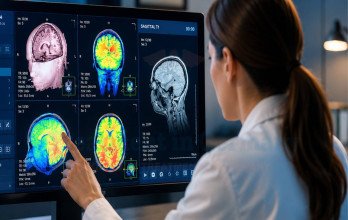
- Additional imaging, such as perfusion MRI or amino acid PET, to help distinguish active tumor from treatment-related changes.
- Close monitoring over a short period, followed by repeat imaging to assess any changes.
- A biopsy or repeat surgery in selected cases to obtain tissue for further examination.
When recurrence remains uncertain, the diagnosis is based on the combined clinical, imaging and, where necessary, pathological findings. Complex cases are commonly reviewed in a multidisciplinary neuro-oncology tumor board (Tumorkonferenz), with input from neurosurgery, radiation oncology, neuro-oncology, neuroradiology and neuropathology.
Further Treatment Strategies for Recurrent Brain Cancer
There is no single re-treatment pathway for every recurrent brain tumor. European guidance for diffuse gliomas does not define one standard treatment at recurrence; instead, options are selected according to tumor type, location, previous treatment and the patient’s condition [3]. The broad routes are summarised below.

Broad treatment routes after recurrence. Dedicated guides explain each approach in detail.
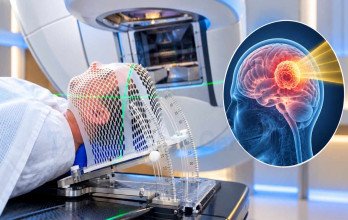
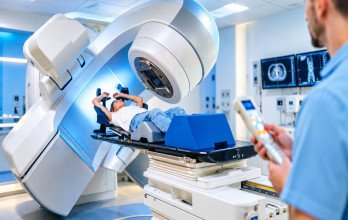
Repeat surgery and re-irradiation may be considered for selected patients with recurrent glioblastoma particularly when the disease is sufficiently localized and the expected benefits outweigh the risks.
Suitability depends on factors such as tumor location, previous treatment, the time since earlier therapy molecular characteristics, the interval since earlier therapy, and the potential risks and benefits of the proposed treatmentand the patient’s current condition. Evidence from recurrent glioblastoma studies supports considering these approaches in selected cases [4] [5] [6].
Previous treatment strongly influences which options remain appropriate. Earlier radiation limits the dose that can safely be given again, while tumor location may make repeat surgery unsuitable. Previous drug exposure and response also matter; treatment that failed during active use is not usually restarted without a specific clinical reason, although rechallenge may be appropriate in selected situations. The interval since earlier treatment can also affect whether surgery, re-irradiation or further systemic therapy is feasible.
Molecular testing may identify additional treatment options in selected patients. A German molecular tumor board study showed that biomarker-guided treatment could be used in some patients with primary CNS tumors. However, the study involved a small and varied group of tumor types, so its findings should not be generalized to all recurrent brain cancers [7].
The treatment plan at recurrence may therefore differ substantially from the original treatment. Some patients may have several suitable treatment options, while previous treatment, tumor location or clinical condition may limit the available approaches for others. Depending on the tumor, previous therapy and the patient’s condition, the aim may be further tumor control, symptom relief, preservation of neurological function and quality of life, or a combination of these goals.
Monitoring Recurrent Brain Cancer During and After Treatment
Once a new treatment plan begins, follow-up involves regular clinical assessments and repeat imaging to monitor the patient's condition and treatment response.
Follow-up usually includes:
- Regular appointments to assess symptoms, neurological function, and daily activities.
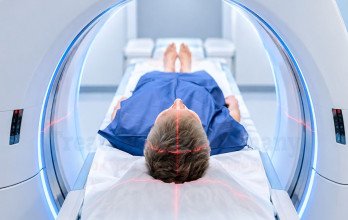
- Repeat brain MRI scans to monitor changes and compare findings with previous imaging.
- Assessment of treatment tolerance and possible side effects, particularly when multiple treatments are combined.
Prompt medical evaluation of new or worsening neurological symptoms, which patients should report without waiting for their next appointment.
Treatment response is assessed by combining serial imaging with symptoms, neurological findings and treatment tolerance. Depending on the tumor type and response criteria used, findings may be classified as response, stable disease or progression. Treatment-related imaging changes can complicate interpretation, so uncertain findings may require further assessment or comparison with later imaging. Follow-up schedules vary according to the tumor type, treatment and clinical condition, and the results help determine whether treatment should continue, change or stop.
Specialist Recurrent Brain Cancer Care in Germany

Brain cancer treatment in Germany for recurrent disease is typically coordinated by specialist neuro-oncology teams working within multidisciplinary tumor boards. The German Cancer Society (Deutsche Krebsgesellschaft) certifies neuro-oncology centres (Neuroonkologische Zentren) that meet defined standards for multidisciplinary care.
A specialist assessment for recurrent disease typically includes:
- Review of pathology reports, imaging, and the patient's complete treatment history.
- Assessment of previous surgery and radiation therapy to determine whether further local treatment may be possible.
- Review of relevant molecular findings that may influence additional treatment options.
- Development of an individualised treatment plan based on previous treatments, current disease status, and treatment-related limitations.
The availability of specific treatments varies according to tumor type, indication and centre. Not every treatment for recurrent disease is available or appropriate in every case, so current suitability and availability should be confirmed with the treating German specialist team.
An independent specialist review (Zweitmeinung) may be useful when the next treatment decision is uncertain, such as when imaging findings could represent either recurrent tumor or treatment-related change, or when several options such as surgery, re-irradiation or systemic treatment are being considered.
For patients from the United States and other countries, the process may include:
- Submission of pathology reports, imaging, and previous treatment records for review.
- Preliminary assessment of medical records, where available.
- Consultation with an appropriate specialist in Germany.
- Evaluation of recurrent disease and possible further treatment options.
- Coordination of additional assessments or treatment when medically appropriate.
Patients considering recurrent Brain Cancer in Germany can contact TIG GmbH (Treatment in Germany) for help with medical-record review, identifying an appropriate German neuro-oncology specialist and arranging a consultation. The German medical team remains responsible for the diagnosis, assessment of treatment suitability, treatment recommendations and clinical care.
References















.webp)
 (1).webp)
.webp)
.jpg)
 (1).webp)
.jpg)