
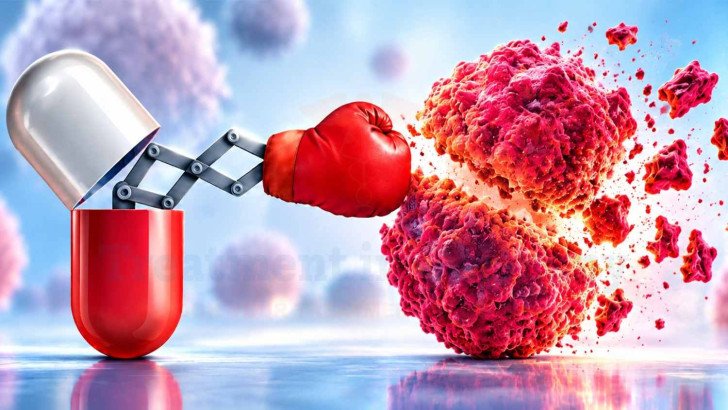
Targeted therapy for brain cancer depends on the molecular finding, tumor type and strength of evidence for a matching treatment. Key options include IDH-, BRAF- and NTRK-directed therapies. Specialist neuro-oncology teams in Germany assess treatment eligibility, monitoring, safety and whether an authorised or investigational approach is appropriate.
Targeted Therapy for Brain Cancer in Germany: Molecular Treatment Options
A molecular report may identify a “potentially targetable alteration”, but this does not mean that brain cancer treatment in Germany will automatically include targeted therapy. Its treatment relevance depends on the tumor type, whether an appropriate drug is available, and the strength of clinical evidence supporting its use.
Molecular Targets in Brain Cancer Treatment
The treatment relevance of a molecular alteration depends on three main factors:
- The alteration contributes to tumor growth.
- A matching drug can reach the central nervous system in effective amounts.
- Clinical evidence supports benefit in that treatment setting.
Without these factors, the finding may not support targeted treatment. Its clinical use depends on the strength of the biological rationale, available treatment, regulatory status, and evidence of benefit in the relevant clinical setting.
Targeted treatment is particularly challenging in brain tumors. Many have no established targetable driver, and drugs that work against the same alteration in other cancers may not reach the central nervous system adequately or show the same clinical benefit. EANO identifies BRAF V600E as having the strongest established targeted-treatment evidence among the adult CNS targets it reviewed; evidence for many other targets remains limited [1].

Three levels of molecular relevance. A finding moves between levels only as evidence accumulates.
A molecular finding is not the same as an indication for treatment. Its treatment relevance also depends on:
- The tumor type: because the same alteration can have different significance in different tumors.
- Disease status: including whether the tumor is stable or progressing.
- Previous treatment: which can affect eligibility and expected benefit.
In a Freiburg study of 102 adults with primary CNS tumors, molecularly informed treatment was recommended for 71% of patients with completed profiling, and 32% of those recommendations were ultimately implemented [2].

Share of patients with a targeted-treatment recommendation compared with those who began treatment, Freiburg molecular tumor board [2].
Targeted Treatment Options for Brain Cancer
The main targeted-treatment groups include IDH-, BRAF- and NTRK-directed therapies. Their indications and strength of clinical evidence differ substantially.
IDH-Targeted Therapy
Mutations in the IDH1 or IDH2 genes are common in certain gliomas and produce an abnormal metabolite that helps drive tumor growth. Vorasidenib blocks both mutant enzymes and is designed to penetrate the brain.
In the EU, it is authorised for patients aged 12 years or older who weigh at least 40 kg, when all of the following apply:
- A grade 2 astrocytoma or oligodendroglioma.
- An IDH1 R132 or IDH2 R172 mutation.
- Atumor that is predominantly non-enhancing on MRI.
- Surgery as the only treatment so far.
- No immediate need for radiation or chemotherapy.
That authorisation rests on the phase 3 INDIGO trial in 331 patients, where vorasidenib significantly prolonged progression-free survival and delayed the need for the next treatment compared with placebo [3].
Patients who have already received radiotherapy or whose tumor is not predominantly non-enhancing do not meet this authorised indication. Other IDH-targeted approaches, including different inhibitors and combinations, remain investigational.
BRAF-Targeted Therapy
The BRAF V600E mutation activates a growth signalling pathway and occurs in several brain and spinal cord tumors, including some gangliogliomas, pleomorphic xanthoastrocytomas and other selected gliomas [1].
BRAF V600E-targeted treatment may combine a BRAF inhibitor with a MEK inhibitor, such as dabrafenib with trametinib. In the EU, this combination is authorised from age 1 for BRAF V600E low-grade glioma requiring systemic therapy and high-grade glioma after previous radiotherapy and/or chemotherapy. The EU glioma indication is paediatric.
Not every BRAF alteration has the same treatment implications:
- BRAF V600E: the best-studied target, often treated with combined BRAF and MEK inhibition.
- BRAF fusions: common in pilocytic astrocytoma and biologically different from V600E; MEK or newer RAF inhibitors may be considered in specialist or study settings while the appropriate therapy depends on the specific alteration, age, disease status, and regulatory indication.
- Other BRAF mutations: evidence remains limited, and treatment is generally considered in specialist or study settings.
Other Molecularly Matched Treatments
NTRK fusions are rare in brain tumors, but larotrectinib and entrectinib have tumor-agnostic EU indications for selected NTRK fusion-positive solid tumors. In 33 patients with primary CNS tumors, most of whom were children, larotrectinib produced objective responses in 30%, with disease control at 24 weeks in 73% [4].
Evidence for NTRK-targeted therapy in primary brain tumors remains limited, and EANO recommends its use preferably within prospective registries or trials. For most other molecular findings, evidence is limited to early studies, so matched treatment remains investigational rather than routine care [1].
Targeted Therapy Treatment, Monitoring and Response

Many targeted therapies for brain tumors are taken orally and continued while they remain effective and tolerable. Treatment duration varies by drug and may range from months to years.
Monitoring typically involves:
Baseline assessments: including blood tests and, for some drugs, heart or eye checks.
Drug-specific blood tests: including liver-function tests when required.
Follow-up consultations to review symptoms: neurological status and treatment tolerance.
Brain MRI at appropriate intervals: compared with previous scans.
Response is assessed using imaging and the clinical course together. Tumors may shrink, remain stable or progress, and stable disease can be meaningful in slower-growing tumors. Imaging should be interpreted alongside symptoms, neurological findings, treatment history, and prior scans. Treatment is continued while benefit outweighs side effects and may be paused, dose-adjusted or changed if tolerance is poor or the tumor progresses.
Targeted Therapy Side Effects and Safety in Brain Cancer
Targeted therapies have drug-specific side effects that vary according to the pathway being targeted. Their safety profile differs from that of chemotherapy and also varies between individual medicines.
- IDH inhibitors such as vorasidenib can raise liver enzymes, which is why liver blood tests are monitored closely, particularly early on; fatigue and gastrointestinal upset can also occur [3].
- BRAF and MEK inhibitors commonly cause fever, skin rash, fatigue and gastrointestinal symptoms, and may occasionally affect the eyes or heart, so specific checks are built into follow-up.
- TRK inhibitors such as larotrectinib can cause dizziness, weight gain, fatigue and changes in liver tests.
Drug interactions are also important because some targeted medicines affect, or are affected by, liver enzymes involved in drug metabolism.
Particular attention may be needed with:
- Certain antiseizure medicines.
- Some antibiotics and antifungals.
- Herbal products and supplements, including St John’s wort.
All medicines and supplements should be reviewed with the treating team before targeted therapy begins.
Side effects may require supportive treatment, dose adjustment or temporary interruption. Patients should report new or worsening symptoms promptly so they can be assessed and managed early.
Specialist Targeted Therapy for Brain Cancer in Germany

Targeted therapy for brain cancer in Germany is usually assessed by specialist neuro-oncology teams, often with input from a molecular tumor board (molekulares Tumorboard), to determine whether a molecular finding has treatment relevance. Germany has neuro-oncology centres certified by the German Cancer Society (Deutsche Krebsgesellschaft), although not every centre operates its own molecular tumor board [6].
Specialist review considers the molecular report alongside pathology, imaging and previous treatment, while distinguishing EU-authorised treatments from investigational approaches. A Tübingen cohort showed how biomarker-guided treatment recommendations can be prioritised by evidence within a structured molecular tumor board workflow [5]. Availability, current indication and regulatory status can differ between centres, so the exact treatment should be confirmed with the treating German centre.
For patients from other countries, specialist assessment generally includes:
- Review of medical records, molecular results, pathology, imaging and previous treatment.
- Specialist consultation in Germany.
- Assessment of whether targeted therapy is medically appropriate.
- Coordination with the German treatment centre where applicable.
TIG GmbH (Treatment in Germany) can help international patients arrange review of medical records, pathology and molecular reports, connect suitable cases with German neuro-oncology specialists and coordinate consultations for brain cancer treatment in Germany. The German medical team remains responsible for diagnosis, treatment eligibility, targeted-therapy selection, treatment recommendations and clinical care.
References
Why Patients Worldwide Prefer Our Medical Services in Germany – Key Benefits Explained
International patients planning brain cancer treatment in Germany may need support with hospital consultations, medical documentation, translations, and travel arrangements. TIG GmbH helps coordinate these practical steps and communication with healthcare providers according to each patient's needs and the services agreed.

The table above compares the support and coordination services offered through TIG GmbH with the arrangements patients may need to manage when booking directly with a clinic.



.webp)
 (1).webp)
.webp)
.jpg)
 (1).webp)
.jpg)