

Immunotherapy is an evolving area of brain cancer treatment that includes checkpoint inhibitors, cancer vaccines, CAR T-cell therapy and oncolytic viruses. The clinical evidence and stage of development differ between approaches, and eligibility depends on tumor type, molecular findings, previous treatment and overall clinical condition. Specialist centres in Germany can assess treatment suitability and access to relevant clinical trials or specialist programmes.
Immunotherapy for Brain Cancer in Germany: Treatment Options and Evidence
Immunotherapy is an important area of research in brain cancer treatment, with approaches including checkpoint inhibitors, cancer vaccines, cellular therapies and oncolytic viruses. These treatments are being studied across different brain tumors, with their use guided by the tumor type, molecular features and individual patient factors.
Immunotherapy Approaches for Brain Cancer
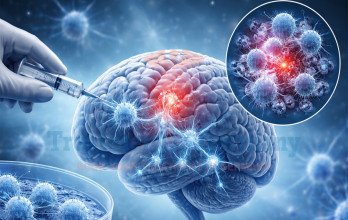
Brain cancer immunotherapy includes several different treatment strategies and their clinical roles vary substantially by tumor type, molecular characteristics, and treatment setting. Checkpoint inhibitors reduce signals that suppress immune activity, cancer vaccines aim to generate immune responses against tumor-specific targets, cellular therapies modify immune cells to recognise tumor cells, and oncolytic viruses are designed to damage tumor cells while stimulating an immune response.

The main immunotherapy approaches studied in brain tumors and their current place in care.
Checkpoint inhibitors have been studied extensively in glioblastoma. Cancer vaccines include different approaches: some target specific tumor features, while dendritic cell therapy uses a patient’s immune cells to generate a tumor-directed immune response. Some CAR T-cell and oncolytic virus approaches use local delivery into the tumor or the brain’s fluid spaces to bring treatment closer to the tumor site. Combination approaches are also being studied, including cancer vaccines with checkpoint inhibitors and radiation with immunotherapy. These strategies aim to improve tumor recognition by the immune system and support a sustained immune response. The strength of clinical evidence and treatment availability varies between approaches, and some combinations remain under clinical evaluation rather than being used routinely [1].
Brain Cancer Immunotherapy Eligibility and Treatment Planning
Eligibility for brain cancer immunotherapy depends on the specific tumor type, disease setting, molecular findings, previous treatment and the patient’s overall clinical condition.
Specialists consider:
- Tumor type and disease setting: including whether the tumor is newly diagnosed, stable or progressing.
- General health and daily function: since some approaches require surgery, cell collection or hospital monitoring.
- Previous surgery: radiation and systemic treatment, which affect both the immune system and the tumor environment and other.
- Factors that may affect treatment safety: immune function, tumor biology, or the feasibility of the proposed therapy.
- Tumor characteristics: such as a specific mutation targeted by a vaccine, or rare features such as mismatch-repair deficiency.
- Corticosteroid use: because steroids given for brain swelling dampen immune activity.
- Autoimmune disease: organ transplants or other conditions that make immune stimulation risky.
Eligibility also differs sharply between approaches. A checkpoint inhibitor given by infusion places different demands on a patient than an oncolytic virus injected during surgery or CAR T cells delivered into the brain’s fluid spaces. Clinical treatment suitability is different from eligibility for a clinical trial. Clinical studies have specific entry criteria based on factors such as tumor type, molecular findings, previous treatment and overall health. Some emerging immune-based treatments for brain tumors are currently available mainly through clinical trials or selected specialist-access programmes, and eligibility is assessed individually.
Immunotherapy Treatment, Evidence and Response in Brain Cancer
How immunotherapy is given depends entirely on the approach:
- Checkpoint inhibitors are usually intravenous infusions every two to four weeks, given in an outpatient clinic.
- Peptide vaccines are injected under the skin at intervals, according to a protocol-specific schedule that may involve repeated doses over several weeks or months.
- CAR T cells are often infused through a small reservoir into the fluid-filled spaces of the brain.
- Oncolytic viruses are injected directly into the tumor, sometimes repeatedly.
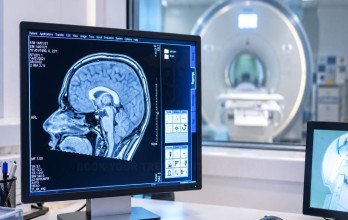
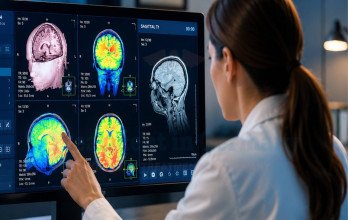
During treatment, patients are monitored with clinical assessments, blood tests and brain MRI. Response may be described as tumor shrinkage, stable disease or progressive disease, depending on the tumor type and response-assessment system used. Immune-related treatment effects can sometimes make MRI findings difficult to interpret, so a single scan may not always establish whether treatment is working and an early increase in enhancement or lesion size may not always represent true tumor progression. Follow-up imaging and the patient’s clinical condition are considered together when assessing response [4].
Clinical evidence for immunotherapy in glioblastoma varies according to the treatment approach:
- In CheckMate 548: adding the checkpoint inhibitor nivolumab to standard chemoradiation in 716 patients with MGMT-methylated glioblastoma did not improve progression-free or overall survival, including in patients not taking steroids [2].
- In CheckMate 498: nivolumab with radiation in 560 patients with MGMT-unmethylated glioblastoma did not outperform temozolomide with radiation [3].
- An oncolytic herpes virus (G47Δ) was evaluated in 19 patients with residual or recurrent glioblastoma in a single-arm phase 2 study. The study met its predefined one-year survival endpoint, although the findings were not compared with a randomized control group [6].
- CAR T-cell therapy has shown radiological activity in early clinical studies. In a completed phase 1 study of 18 patients with recurrent glioblastoma, eight of 13 patients with measurable disease showed tumor regression, including one confirmed partial response [5].

Best radiological response to the oncolytic virus G47Δ in 19 patients with glioblastoma [6]. Stable disease was far more common than measurable shrinkage.
Immunotherapy results from outside primary brain tumors cannot automatically be applied to glioblastoma because its immune environment has distinct characteristics. Glioblastoma often has a relatively low mutational burden and can suppress immune activity within the tumor. Molecularly defined tumors may provide more specific immune targets; in the German H3K27M vaccine study in adults with diffuse midline glioma, five of eight patients developed mutation-specific immune responses. These findings support continued clinical evaluation in appropriately selected patients [4].
Brain Cancer Immunotherapy Side Effects and Safety
The side-effect profile of immunotherapy varies according to the treatment approach. Checkpoint inhibitors can cause immune-related inflammation, while cellular therapies, cancer vaccines and oncolytic viruses have different treatment-specific effects. Checkpoint inhibitors can cause fatigue, nausea, appetite changes and skin rash, but their most important risks are immune-related inflammation of healthy organs.
These include:
- Thyroid or pituitary inflammation: which can lead to long-term hormone deficiency.
- Inflammation of the bowel: liver or lungs, presenting as diarrhoea, abnormal liver tests or breathlessness.
- Skin reactions: from itching to more extensive rash.
- Rare neurological or muscle inflammation: which can mimic tumor-related symptoms.
Other immune-based approaches have different safety profiles. Fever was the most common side effect reported with the oncolytic virus G47Δ, affecting 17 of 19 patients. In a completed phase 1 CAR T-cell study, neurological side effects required careful monitoring, including grade 3 neurotoxicity in 10 of 18 patients, while no grade 4 or 5 neurotoxicity was reported. Peptide vaccines more commonly cause injection-site reactions and flu-like symptoms although the frequency and severity vary between vaccine platforms and studies [5] [6].
Monitoring includes regular blood tests, including thyroid and liver function, and clinical review, additional monitoring is required for cellular therapies, oncolytic viruses, and other specialized treatments.When immune-related toxicity is suspected, specialists assess its severity and may pause treatment, give medication to calm the immune response or stop immunotherapy altogether. Some immune effects appear weeks or even months after the last dose, so patients should report new or worsening symptoms promptly, even after treatment has ended.
Specialist Brain Cancer Immunotherapy in Germany

Immunotherapy for brain cancer in Germany is assessed by specialist neuro-oncology teams, often within multidisciplinary tumor boards. Specialists review pathology, brain imaging, previous treatment and relevant molecular or biomarker findings to determine whether an immune-based treatment may be clinically appropriate. German centres are involved in brain tumor immunotherapy research, including international checkpoint-inhibitor studies and H3K27M vaccine research. Depending on the specific indication, immunotherapy may be used in selected clinical settings, specialist-access programmes or clinical studies. Availability varies according to the immunotherapy approach, tumor characteristics, indication and treatment centre, so current eligibility and treatment availability should be confirmed with the individual German neuro-oncology team [2] [3] [4].
For patients from the United States and other countries, an assessment typically involves:
- Review of medical records and brain imaging before consultation.
- Review of pathology, molecular findings and previous treatment.
- Specialist consultation in Germany.
- Assessment of whether immunotherapy may be appropriate and which approach may be considered.
- Coordination with the German treatment centre where further assessment or treatment is appropriate.
For international patients, logistics such as medical record transfers, appointment scheduling, and communication with German neuro-oncology teams can be coordinated through medical service providers like TIG GmbH (Treatment in Germany) ,while all diagnosis and clinical care decisions remain strictly with the treating specialists.
References
Why Patients Worldwide Prefer Our Medical Services in Germany – Key Benefits Explained
International patients planning brain cancer treatment in Germany may need support with hospital consultations, medical documentation, translations, and travel arrangements. TIG GmbH helps coordinate these practical steps and communication with healthcare providers according to each patient's needs and the services agreed.

The table above compares the support and coordination services offered through TIG GmbH with the arrangements patients may need to manage when booking directly with a clinic.









.webp)
 (1).webp)
.webp)
.jpg)
 (1).webp)
.jpg)