
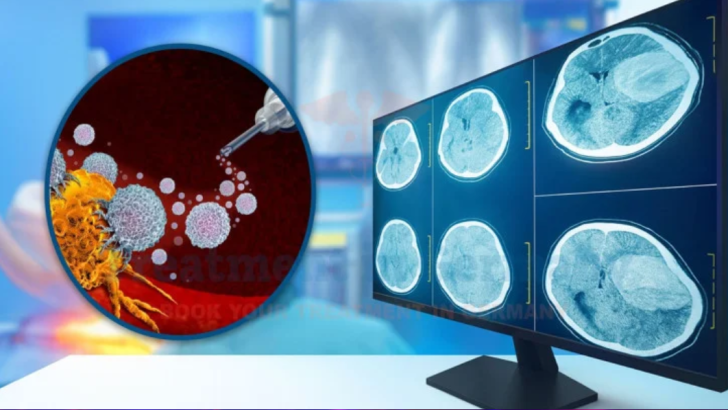
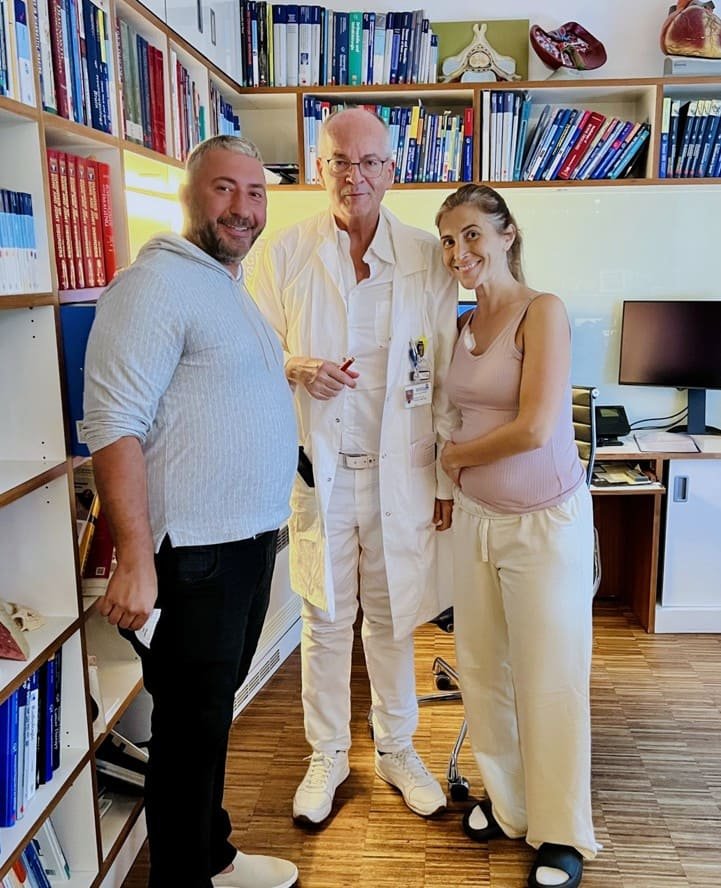
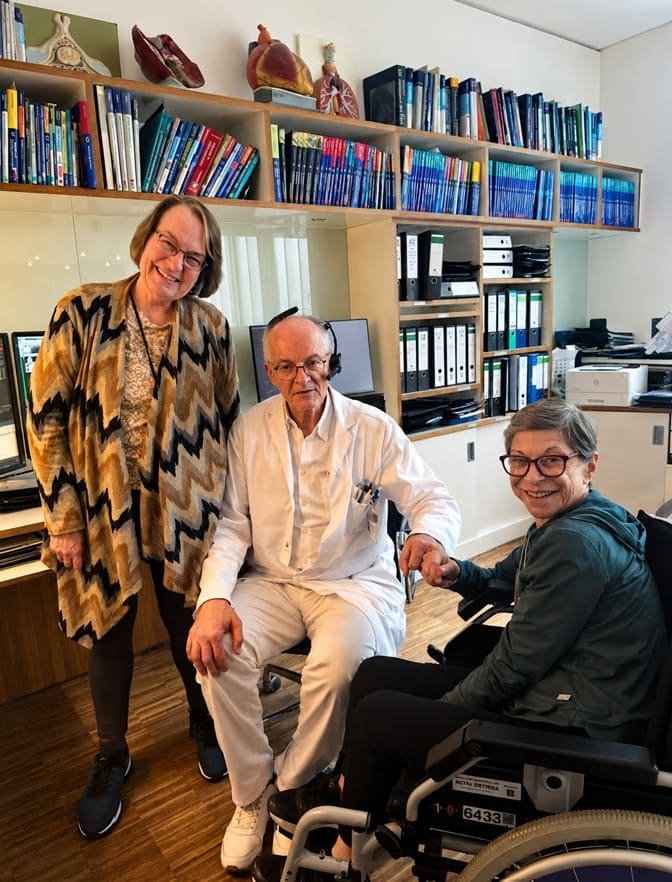
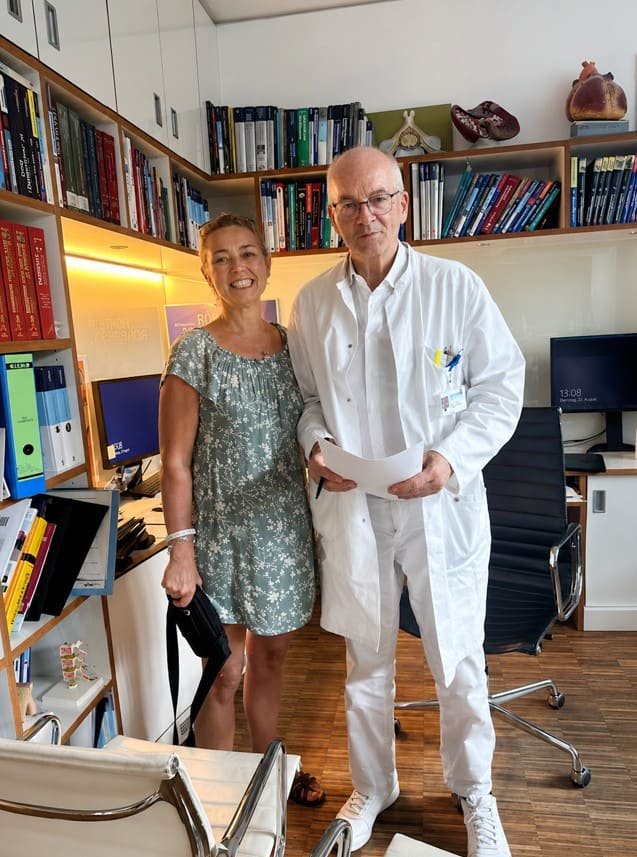
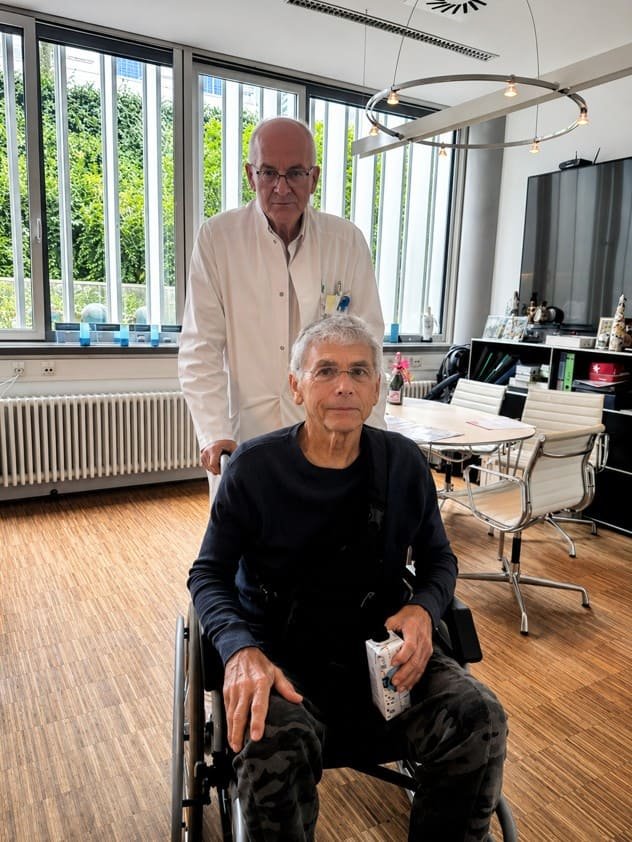
Dendritic cell therapy for glioblastoma in Germany offers non-surgical, immune-based treatment with full support from TIG and care by Prof. Dr. Frank Gansauge.
Innovative Treatment for Glioblastoma in Germany: Dendritic Cell Therapy for Cancer
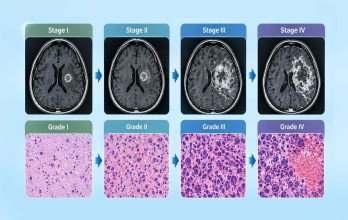
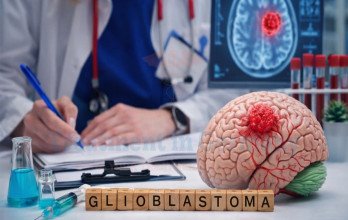
Glioblastoma is an aggressive primary brain tumor in adults and is classified as a WHO grade 4 brain tumor due to its rapid growth and infiltrative nature. The majority of cases are diagnosed as glioblastoma multiforme (GBM), and many tumors are identified as IDH-wildtype glioblastoma, a molecular subtype often associated with more complex disease progression.
Because tumor cells frequently extend beyond visible boundaries in the brain, treatment requires careful coordination and long-term planning rather than a single intervention. In Germany, patients receive treatment within specialized glioblastoma treatment centers that operate as part of structured German healthcare centers and German oncology centers.
Programs led by specialists such as Prof. Gansauge, recognized for advanced cell-based immunotherapy research, focus on individualized assessment and multidisciplinary planning. Patients seeking GBM new treatment options in Germany benefit from access to latest cancer treatments in Germany, delivered within regulated clinical frameworks designed to support comprehensive neuro-oncology care.
Understanding Glioblastoma and Its Clinical Course
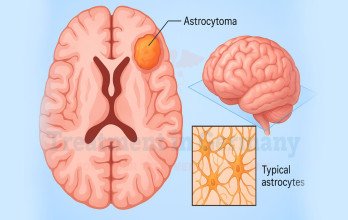
Glioblastoma multiforme (GBM) originates from astrocytes and is characterized by highly invasive growth. As a WHO grade 4 brain tumor, it tends to spread into surrounding brain tissue, making complete removal difficult. Symptoms depend on tumor location and may include persistent headaches, seizures, speech difficulties, memory problems, or weakness on one side of the body.
Many tumors are classified as IDH-wildtype glioblastoma, which often demonstrates a more aggressive progression pattern. Even after initial therapy, recurrence is common. Although some individuals inquire about the best glioblastoma treatment in the world, clinical outcomes depend primarily on tumor biology, molecular profile, overall neurological function, and structured multidisciplinary management. In Germany, treatment strategies are carefully reviewed within specialized glioblastoma treatment centers to ensure coordinated treatment.
Diagnosis and Advanced Imaging in Germany
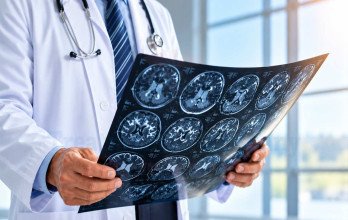
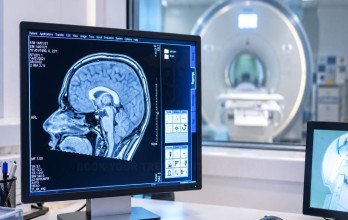
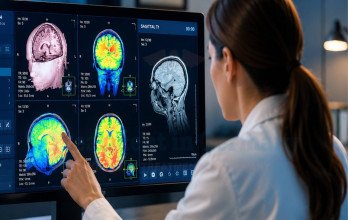
Accurate diagnosis begins with neurological evaluation and imaging studies. MRI is the primary tool used to assess tumor size, location, and involvement of surrounding brain structures. In urgent situations, CT scans may be used to evaluate bleeding or acute complications.
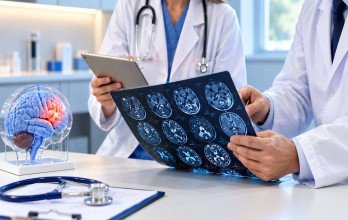
Comprehensive diagnostics include histopathological confirmation after biopsy or surgical resection, along with molecular testing to determine tumor subtype, including identification of IDH-wildtype glioblastoma. These findings help guide treatment planning. The integration of latest medical technology in Germany allows precise imaging, laboratory analysis, and structured case review before therapy initiation.
Surgical Management of Glioblastoma
A neuro-surgeon operation for glioblastoma is typically the first step following diagnosis. The aim is maximal safe resection, meaning removal of as much visible tumor as possible while preserving neurological function. Preoperative planning relies heavily on detailed MRI mapping to identify critical brain regions.
Advanced navigation systems assist surgeons in achieving precise tumor removal. After surgery, repeat imaging evaluates the extent of resection. Although surgery significantly reduces tumor burden, microscopic tumor cells often remain, making additional therapy necessary. Within German healthcare centers, surgery is integrated into a broader, coordinated treatment strategy.
Standard Therapy and Management of Recurrence
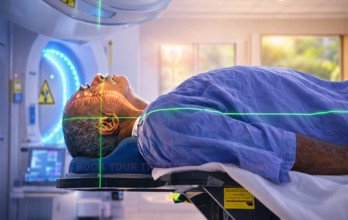
After surgery, patients commonly receive radiation therapy combined with chemotherapy to target residual tumor cells. This multimodal approach aims to slow disease progression and manage symptoms. Despite aggressive treatment, recurrence remains frequent, which is why structured discussions regarding glioblastoma recurrence treatment options are central to long-term planning.
When recurrence occurs, management may include repeat surgery, alternative chemotherapy regimens, or immune-based treatments. Decisions are individualized within German oncology centers, where previous treatments, tumor location, and neurological status are carefully assessed.
Immunotherapy Dendritic Cell Therapy for GBM in Germany

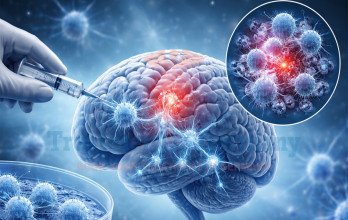
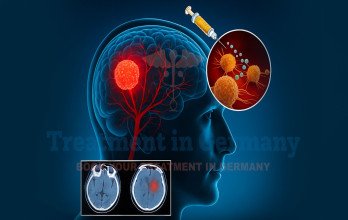
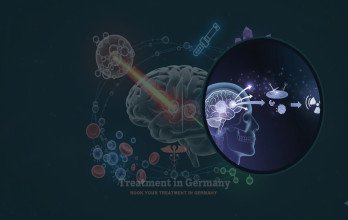
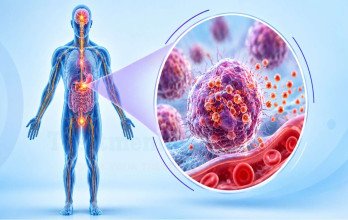
Immunotherapy Dendritic cell therapy in Germany is a personalized immune-based treatment designed to enhance the immune system’s ability to recognize tumor-related markers associated with glioblastoma multiforme (GBM). Unlike chemotherapy or radiation, which directly target tumor cells through cytotoxic mechanisms, this approach focuses on immune activation and immune surveillance. The objective is to support the body’s own defense system in identifying cancer-specific signals and mounting a more targeted response.
The process begins with a structured medical evaluation. Physicians assess the confirmed diagnosis, including whether the tumor is classified as IDH-wildtype glioblastoma, review prior treatments such as a neuro-surgeon operation for glioblastoma, and evaluate immune status and overall neurological condition. Once eligibility is confirmed, a blood sample is collected. From this sample, immune cells (monocytes) are isolated in an EU GMP-certified laboratory operating under strict quality control standards.
In the laboratory, the monocytes are cultured under carefully regulated conditions and guided to differentiate into dendritic cells. During this phase, they are exposed to tumor-associated antigens derived from the patient’s tumor profile. This exposure enables the cells to recognize tumor-specific markers and prepares them for immune activation. Before administration, the prepared cells undergo comprehensive safety testing to ensure sterility, viability, and purity.
The resulting preparation forms a personalized dendritic cell vaccine, which is administered to the patient, typically through a subcutaneous injection. Monitoring continues throughout the treatment pathway, including neurological assessments and follow-up imaging such as MRI, depending on clinical needs.
The Cost of immunotherapy dendritic cell therapy in Germany is €26,000, depending on laboratory processing requirements, immune cell preparation, and treatment complexity.
Access to Clinical Research in Germany
Access to new clinical trials in Germany provides additional possibilities for patients with primary or recurrent GBM. Research initiatives within specialized glioblastoma treatment centers evaluate novel drug combinations and advanced immune-based approaches.
Eligibility depends on tumor genetics, previous treatments, and overall neurological stability. Participation is voluntary and requires structured medical evaluation.
Benefits and Considerations of Innovative Therapies
Innovative strategies such as Immunotherapy Dendritic Cell Therapy in Germany provide a personalized approach by stimulating immune recognition of tumor cells through a tailored dendritic cell vaccine derived from immune cells (monocytes). The potential benefit lies in supporting immune engagement alongside conventional therapy.
However, treatment suitability depends on tumor biology, immune responsiveness, and overall neurological health. Not every patient is eligible for every therapy. Within German healthcare centers, physicians emphasize realistic expectations and structured decision-making. Rather than promising a definitive cure, treatment plans are developed through multidisciplinary collaboration as part of comprehensive treatment in Germany.

International Patient Support through TIG (Treatment in Germany)
For international patients, planning glioblastoma treatment abroad can involve multiple challenges, including medical report review, hospital coordination, scheduling, travel planning, lodging, and documentation. These steps can be difficult for families already under stress. That is why structured support becomes essential.
TIG (Treatment in Germany) at www.treatmentingermany.de ensures seamless coordination and manages complete logistic arrangements for international patients, including travel, lodging, and medical visas for international patients (if required). This support helps patients focus on treatment rather than administrative challenges.
Patients may also get a free consultation with TIG (Treatment in Germany) to receive individualized guidance and coordinated access to specialized oncology centers.
🌍Why Patients Worldwide Prefer Our Medical Services in Germany – Key Benefits Explained:


















.webp)
 (1).webp)
.webp)
.jpg)
 (1).webp)
.jpg)