

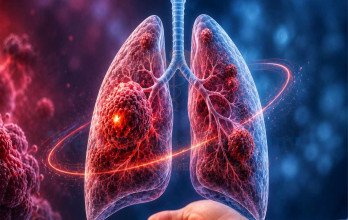
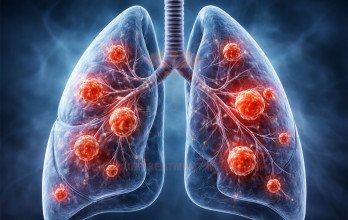
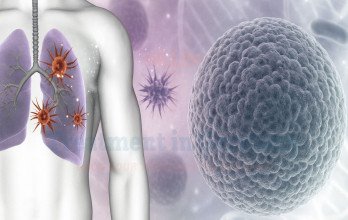
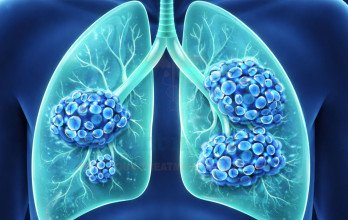
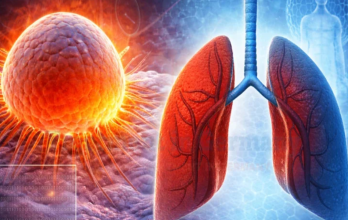
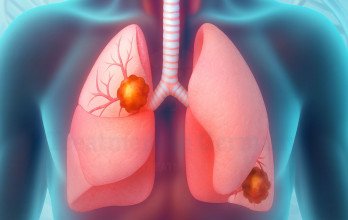
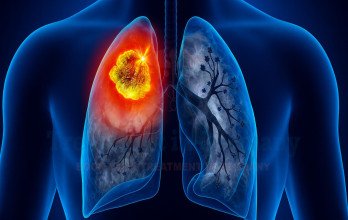
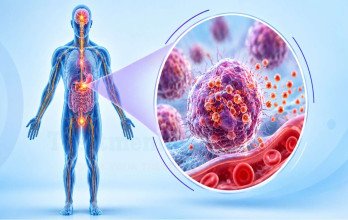
Lung cancer is a serious condition that develops when abnormal cells grow uncontrollably in the lungs, forming tumors that interfere with normal breathing and oxygen exchange. These tumors may remain localized in early stages, but in advanced disease, cancer cells can spread to other organs through the bloodstream or lymphatic system.
TPCE Treatment (Transpulmonary Chemoembolization) for lung cancer in Germany
Lung cancer is commonly classified into major types such as Non-small cell lung cancer (NSCLC) and Small cell lung cancer (SCLC), each requiring different management approaches. Patients may initially notice lung cancer symptoms such as persistent cough, chest pain, or shortness of breath, but these symptoms can often be overlooked. As the disease progresses, more advanced therapies including lung cancer targeted treatments and structured non-small lung cancer treatment options in Germany become essential for disease control and symptom management.
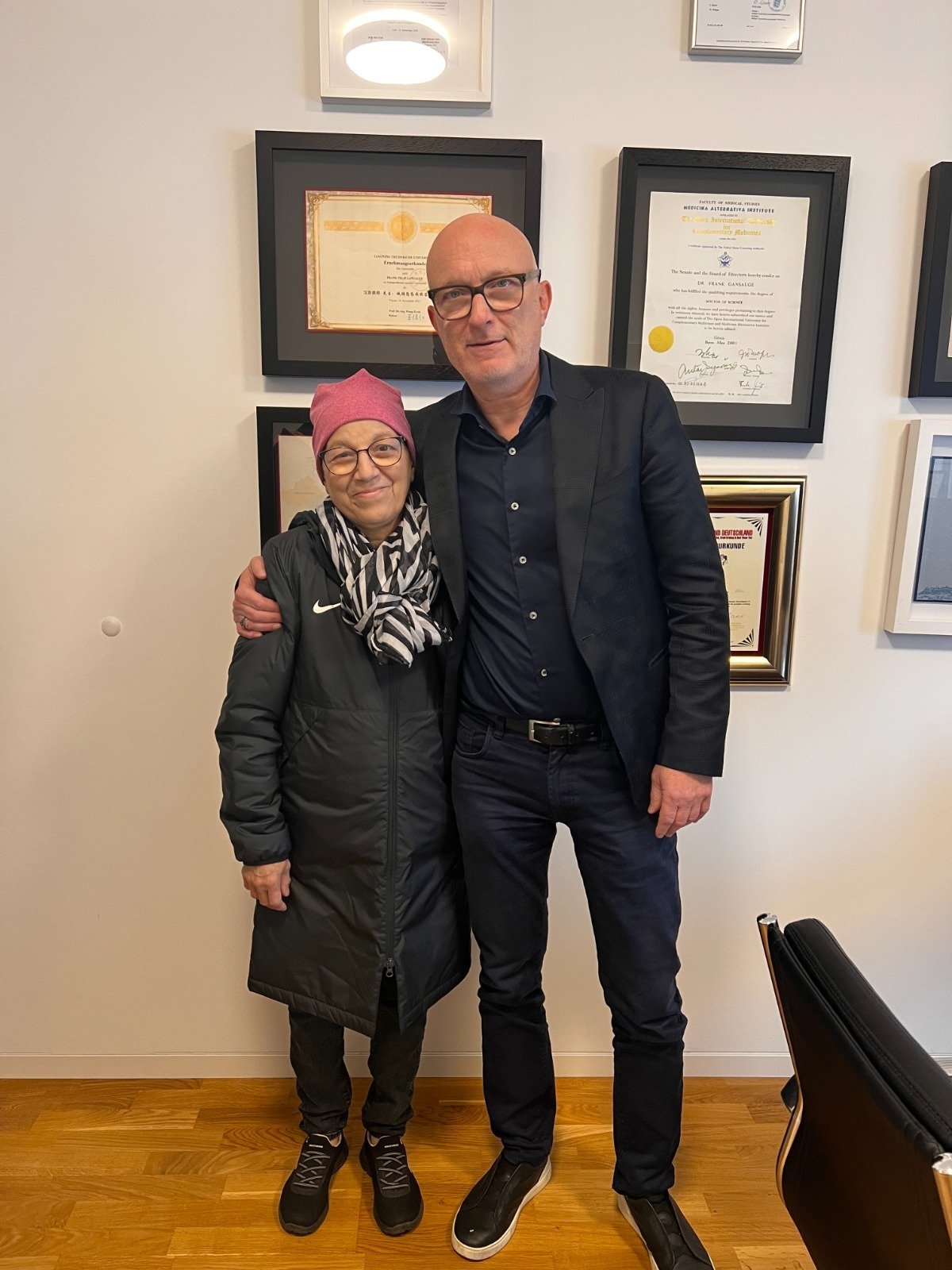
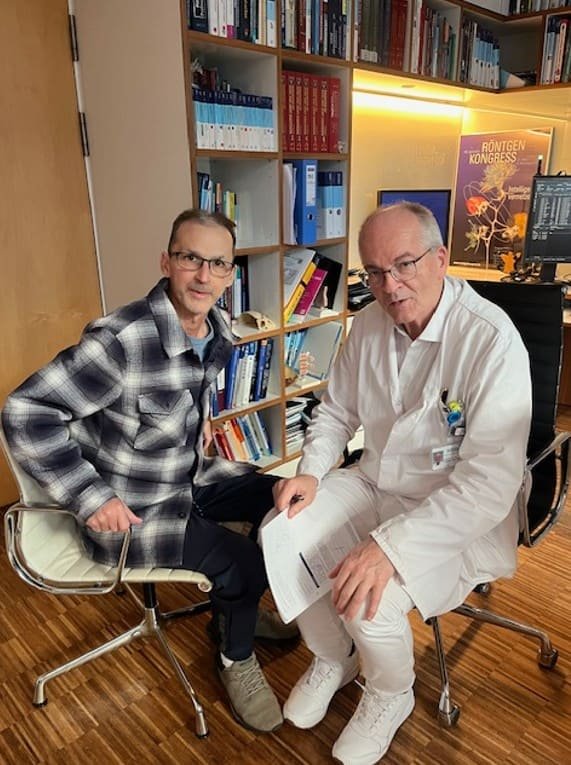
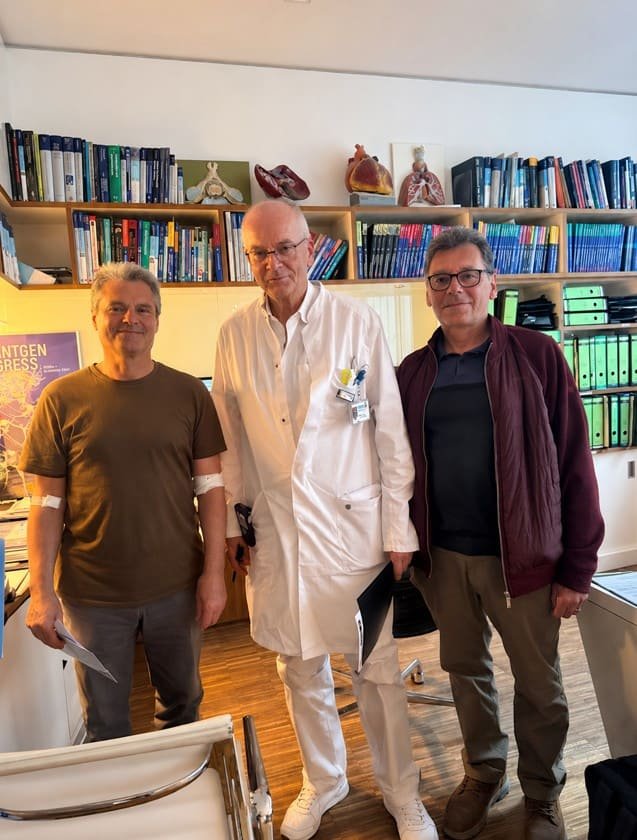
Germany has become a leading destination for patients seeking new and innovative treatment options for non-small lung cancer. Treatment planning is conducted within highly specialized German healthcare centers and German oncology centers, where each case is evaluated individually. Interventional oncology procedures are associated with Prof. Vogl, known for his expertise in advanced image-guided cancer therapies, while immune-based therapies such as dendritic cell therapy are linked to Prof. Gansauge, recognized for his work in advanced cellular immunotherapy. Many international patients consult experienced German specialists because of access to the latest medical technology, structured care systems, and affordable lung cancer treatment in Germany for international patients.

Understanding Lung Cancer
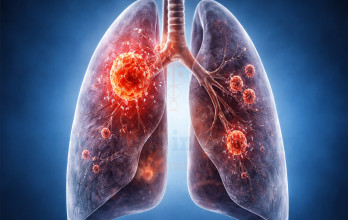
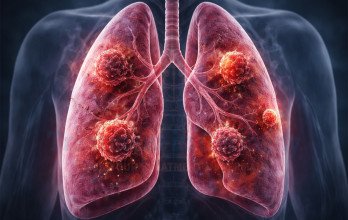
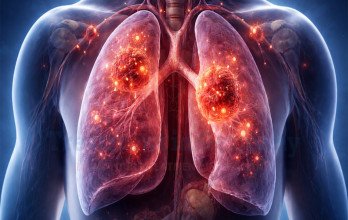
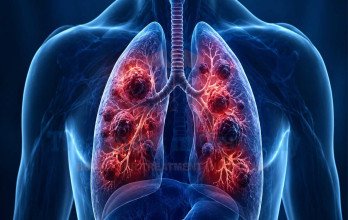
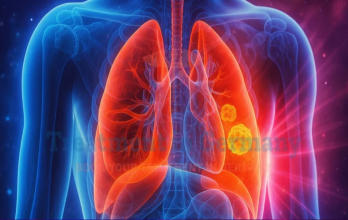
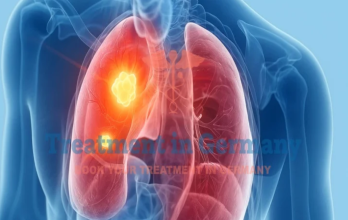
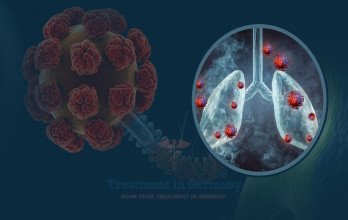
Lung cancer occurs when abnormal cells within lung tissue multiply uncontrollably, forming tumors that disrupt normal lung function. These tumors may grow locally or spread to other organs depending on their type and biological behavior. The disease may remain undetected in early stages because symptoms can be mild or nonspecific. As the tumor grows, it can interfere with breathing and oxygen exchange, leading to more noticeable clinical signs.
Common lung cancer symptoms include persistent cough, chest discomfort, and shortness of breath, fatigue, and unexplained weight loss. Because symptoms often overlap with other respiratory conditions, diagnosis may be delayed. Treating physicians rely on imaging and clinical evaluation to confirm the presence of lung cancer and determine the stage of disease.
Types of Lung Cancer
Lung cancer is broadly divided into two main types based on how cancer cells grow and spread. Identifying the type is important for selecting the most appropriate treatment approach and predicting disease progression.
Non-small cell lung cancer (NSCLC) is the most common type and includes subtypes such as adenocarcinoma and squamous cell carcinoma. It generally grows more slowly and may respond differently to treatment compared to other forms.
Small cell lung cancer (SCLC) is a more aggressive type that tends to grow rapidly and spread early. It often requires systemic treatment approaches due to its fast progression.
Diagnosis and Advanced Evaluation in Germany
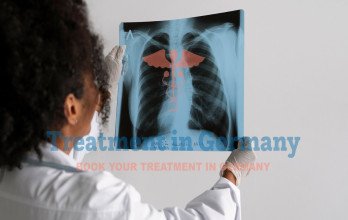
Accurate diagnosis plays a key role in determining effective lung cancer treatment options. Physicians begin with clinical assessment and proceed with imaging studies to detect tumors and evaluate disease spread. These steps help determine tumor size, location, and metastatic involvement.
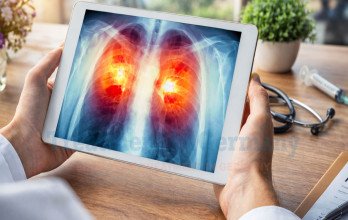
Modern imaging technologies such as CT, MRI, and PET scans are widely used to identify lung tumors and assess progression. In Germany, these diagnostic methods are supported by advanced diagnostics and the latest medical technology in Germany, allowing specialists to obtain highly detailed imaging. Findings are reviewed within multidisciplinary teams in German oncology centers, ensuring personalized treatment planning.
Standard Treatment Options for Lung Cancer
Standard treatment for lung cancer depends on tumor type, stage, and molecular characteristics. In early-stage disease, surgery may be used to remove localized tumors, often followed by chemotherapy or radiotherapy. For patients who are not surgical candidates, radiotherapy can help control disease. In advanced or metastatic cases, systemic therapies such as chemotherapy, targeted therapy (for specific genetic mutations), and immunotherapy are commonly used. These treatments form the foundation of lung cancer care and are often combined with advanced or interventional approaches in specialized oncology centers.
Lung Cancer Treatment Options in Germany
Managing lung cancer often requires a combination of therapies tailored to the type and stage of the disease. The most effective lung cancer treatment options are selected based on tumor characteristics and patient condition. These may include systemic therapies, interventional procedures, and immune-based treatments.
In advanced cases, physicians may combine therapies to achieve better control of tumor growth and improve patient quality of life. The use of lung cancer targeted treatments is particularly important in stage 4 disease where cancer has spread beyond the lungs.

TPCE Treatment for lung cancer is an interventional oncology technique designed specifically for lung tumors. This procedure delivers chemotherapy directly into the blood vessels supplying the tumor while also blocking the blood flow feeding the tumor. By concentrating chemotherapy at the tumor site, TPCE enhances local treatment effectiveness and reduces systemic exposure.
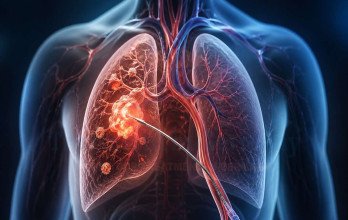
The TPCE procedure is performed under real-time imaging guidance. A catheter is inserted through an artery and guided toward the blood vessels supplying the lung tumor. Chemotherapy is infused directly into the tumor region, followed by embolic material that blocks the blood supply. This approach helps slow tumor growth and improves local disease control.
After treatment, patients undergo monitoring to evaluate response. Imaging reassessment using CT, MRI, and PET scans helps determine whether additional sessions are required. TPCE is often used as part of stage 4 lung cancer targeted treatment strategies in advanced cases and the cost of TPCE Treatment in Germany generally ranges from €8,000 to €9,000 per session, depending on treatment complexity and the number of sessions required.
TACP Treatment (Transarterial Chemoperfusion) for Lung Cancer in Germany

TACP Treatment for lung cancer is another interventional oncology approach that allows targeted delivery of chemotherapy to lung tumors. Unlike embolization-based therapies, this technique maintains blood flow while delivering high concentrations of chemotherapy directly to tumor-supplying vessels.
During the TACP procedure, a catheter is inserted through an artery in the groin and guided toward the tumor’s blood supply. Chemotherapy is infused in a controlled manner, ensuring that the drug reaches the tumor while minimizing impact on surrounding tissues. This targeted approach supports localized treatment without completely blocking circulation.
Following TACP treatment, patients are monitored to evaluate treatment response. Imaging using CT, MRI, and PET scans helps determine whether additional sessions are needed. TACP may be combined with other therapies depending on tumor behavior and disease stage. The cost of TACP Treatment in Germany generally ranges from €8,000 to €9,000 per session, depending on treatment complexity and the number of sessions required.
Immunotherapy Dendritic Cell Therapy for Lung Cancer in Germany

Dendritic cell therapy is an immune-based treatment designed to enhance the body’s ability to recognize and attack cancer cells. The therapy begins with the collection of immune cells (monocytes) from the patient’s blood under medical supervision. These cells are essential for initiating immune responses.
The collected cells are transferred to an EU-GMP certified laboratory, where they are exposed to tumor-associated antigens derived from lung cancer cells. This process allows the cells to mature into dendritic cells capable of presenting cancer markers to the immune system.
Once prepared, the cells are administered back to the patient as a personalized dendritic cell vaccine. Several dendritic cell therapy benefits include improved immune recognition of cancer cells and enhanced systemic response. Treating physicians monitor patients for dendritic cell therapy side effects, which may include mild fatigue or temporary immune reactions. The dendritic cell therapy recovery time varies depending on patient condition. The cost of Dendritic Cell Therapy in Germany is €27,000, depending on treatment complexity and the number of sessions required.
New Clinical Trials for Lung Cancer in Germany
Germany actively supports oncology research where emerging therapies are evaluated under strict medical regulations. Some patients may be eligible for new Clinical Trials for advanced Lung Cancer in Germany depending on tumor characteristics and prior treatments.
Clinical trials explore innovative therapies including advanced immunotherapy approaches and targeted treatment strategies. Participation is based on strict eligibility criteria and physician evaluation.
Limitations and Considerations
Interventional and immune-based therapies are not appropriate for every patient, as treatment suitability depends on factors such as tumor type, extent of disease spread, organ function, and overall health status. In certain situations, doctors may recommend systemic therapy as the primary treatment approach based on individual clinical evaluation.
Regular follow-up with imaging techniques remains important to assess how the disease is responding to treatment and to identify any progression. The main focus of treatment is to control tumor growth, manage symptoms effectively, and support the patient’s overall quality of life.

International Patient Support through Treatment in Germany (TIG)
Many international patients travel abroad to access specialized oncology care and advanced treatment approaches. Germany is recognized for its structured healthcare system, where treatment is delivered within accredited German healthcare centers supported by multidisciplinary teams that evaluate diagnostic findings and design individualized therapy strategies.
For patients coming from overseas, Treatment in Germany (TIG) provides coordinated support throughout the treatment journey. This includes assistance with medical appointments, diagnostic scheduling, and communication with specialists, allowing patients to focus on their care while logistical processes are managed efficiently.
Patients may also get a free consultation with TIG (Treatment in Germany) to receive individualized guidance and coordinated access to specialized oncology centers.
Why Patients Worldwide Prefer Our Medical Services in Germany – Key Benefits Explained:


















.webp)
 (1).webp)
.webp)

.jpg)
 (1).webp)
.jpg)